
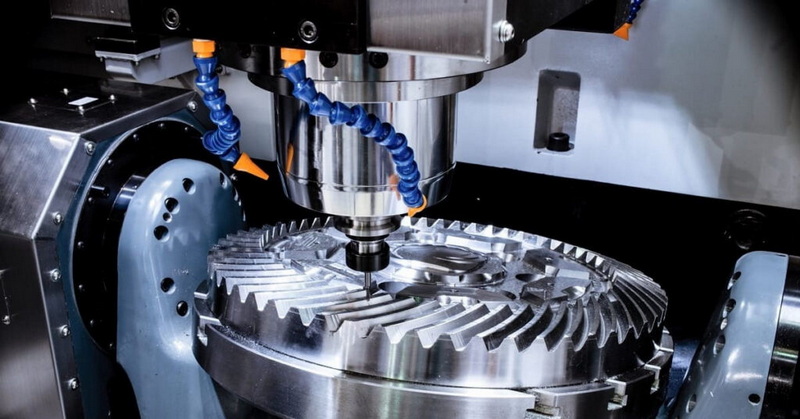
This in-depth comparison explores CNC Milling Services and 3D Printing, detailing their processes, advantages, material options, applications, and decision-making factors. It provides OEMs, manufacturers, and innovators with strong guidance on choosing the best digital manufacturing solution for projects that demand efficiency, customization, and reliability.
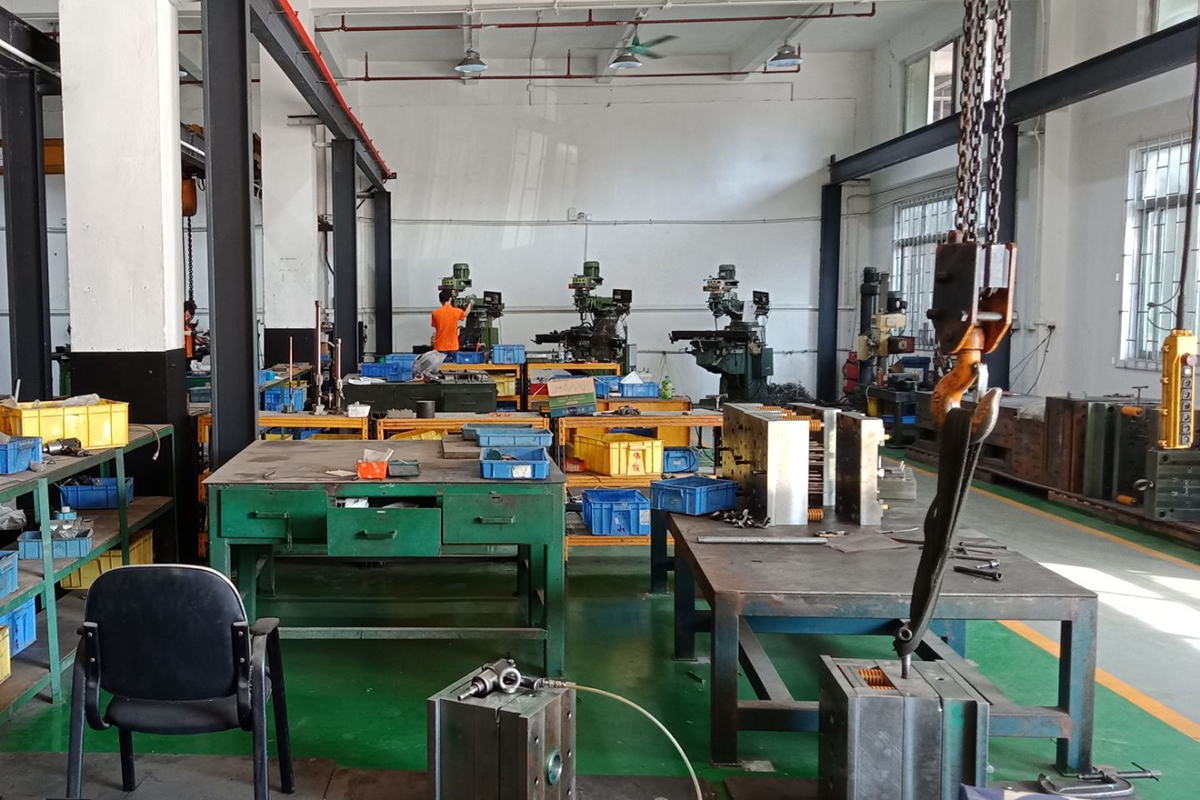
This guide compares 3D printing and traditional moulding production for OEMs, detailing decision criteria, hybrid workflows, and Shangchen's integrated capabilities to move from rapid prototyping to mass production efficiently, with a focus on moulding production efficiencies.
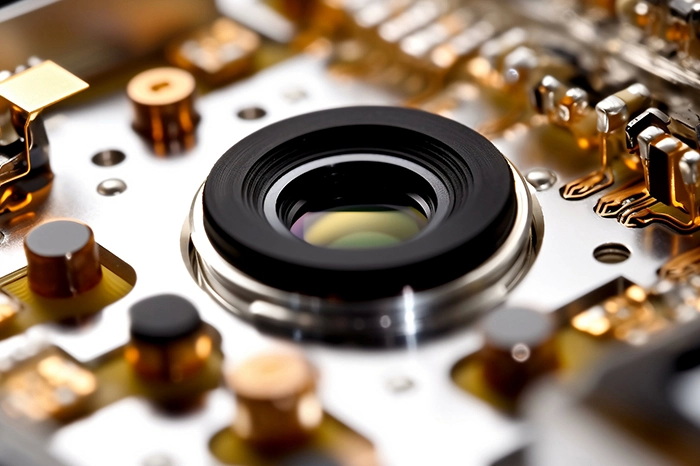
This article explores how 3D Printing and Vacuum Mold Casting combine to revolutionize rapid product development by offering cost efficiency, shortened production lead times, and superior design flexibility. Their integration empowers manufacturers to deliver high-quality prototypes and low-volume production parts efficiently to global markets.

This article explains why 3D printing is not CNC machining, clarifying their fundamental differences in additive versus subtractive manufacturing. It highlights the strengths and applications of each technology and how Shangchen integrates both for comprehensive OEM services. This knowledge guides international buyers in selecting optimal manufacturing techniques to balance speed, complexity, and precision.

This article examines the potential of 3D printing to replace CNC machining in manufacturing. It details the processes, cost structures, material options, and applications of both technologies. While 3D printing offers unmatched design flexibility and rapid prototyping capabilities, CNC machining excels in precision, surface finish, and large-scale production. The future manufacturing environment favors an integrated use of both methods, demonstrated by companies like Shangchen providing combined solutions for optimal results.
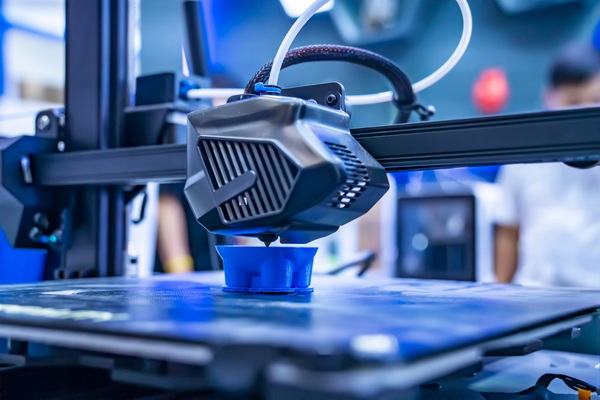
This article provides a comprehensive insight into the relationship and integration possibilities between CNC machining and 3D printing, emphasizing hybrid manufacturing as a future-forward approach to industrial production. It aims to equip manufacturers and engineers with practical knowledge to optimize their processes and deliver superior products.

This detailed comparison explores how CNC machining and 3D printing differ in materials, precision, speed, cost, and design flexibility. CNC machining excels in accuracy and strength for functional parts, while 3D printing offers rapid prototyping and complex geometries. Integrating both yields optimal manufacturing results.
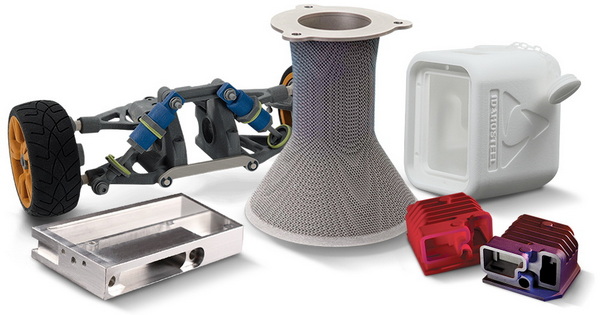
This guide explains how to start 3D printing and CNC machining, detailing each technology's processes, materials, and applications. It covers design tips, workflow steps, and hybrid manufacturing advantages, enabling users to leverage 3D printing for rapid prototyping and CNC for precision production in OEM services.
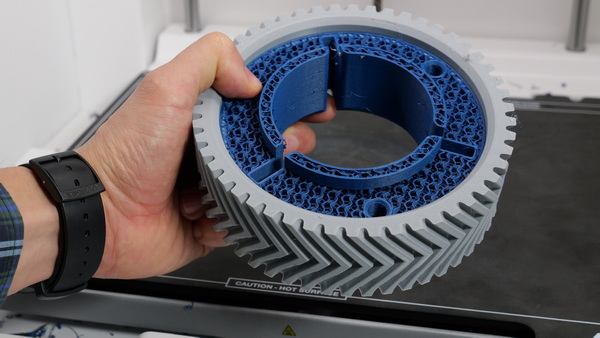
This comprehensive article provides an in-depth look at the cost comparison between metal 3D printing and CNC machining, focusing on factors influencing cost-effectiveness, applications, and how integrated manufacturing solutions like those offered by Shangchen can help manufacturers optimize their production strategies.
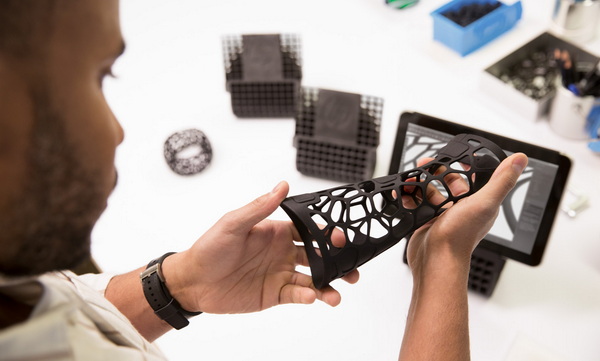
This article highlights the advantages of 3D printing over CNC machining, including faster and cost-effective prototyping, unrivaled design flexibility, reduced material waste, superior customization options, and lower skill requirements. While CNC machining maintains strengths in precision and volume production, integrating 3D printing expands manufacturing capabilities and responsiveness essential for modern OEM services.

