

This article explores the best materials for rapid prototyping, covering plastics, metals, composites, and specialty materials. It guides readers through material selection for various prototyping methods, showcases visual and video examples, and answers frequently asked questions. The guide empowers innovators to choose the optimal material for their rapid prototyping needs.

This article explores the best materials for 5-axis machining, detailing their properties, machining considerations, and applications. It emphasizes how material choice impacts machining efficiency, tool life, and part quality, covering key materials like aluminum, titanium, stainless steel, Inconel, plastics, and copper/brass. Whether for prototyping or production, understanding these materials ensures optimized use of 5-axis machining capabilities for complex, precise components.

This detailed guide covers the best materials for CNC machining, exploring key metals and plastics widely used in the industry. It explains material properties, machinability, and application areas to help manufacturers and OEMs select the optimal material for their CNC projects, ensuring high quality and cost efficiency.

Choosing the right materials for CNC machining projects is essential for precision, durability, and cost-efficiency. This guide explores the properties of metals, plastics, and composites, detailing factors influencing machinability and project success, helping you select optimal materials for your CNC manufacturing needs.

This comprehensive article examines the crucial impact of tooling and material choices on CNC lathe turning results. It reviews tool types, materials, coatings, and machining parameters necessary to optimize turning processes, ensuring high precision, durability, and cost-efficiency in diverse industrial applications.
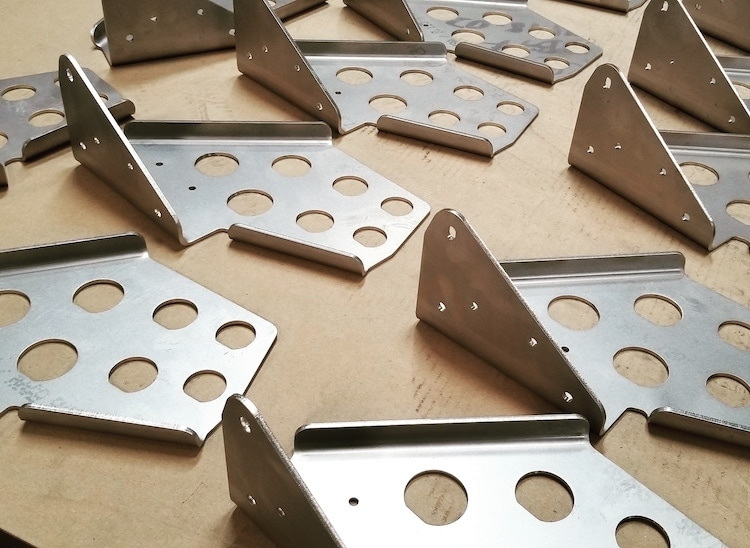
This comprehensive guide highlights the best materials used in sheet metal fabrication, emphasizing their properties and typical applications. Key materials include mild steel, stainless steel, aluminum, copper, brass, galvanized steel, titanium, and bronze, each suited to specific industry needs based on strength, corrosion resistance, weight, and cost. The guide also covers fabrication techniques, industry uses, and surface treatments, enabling better material selection for optimized manufacturing outcomes.
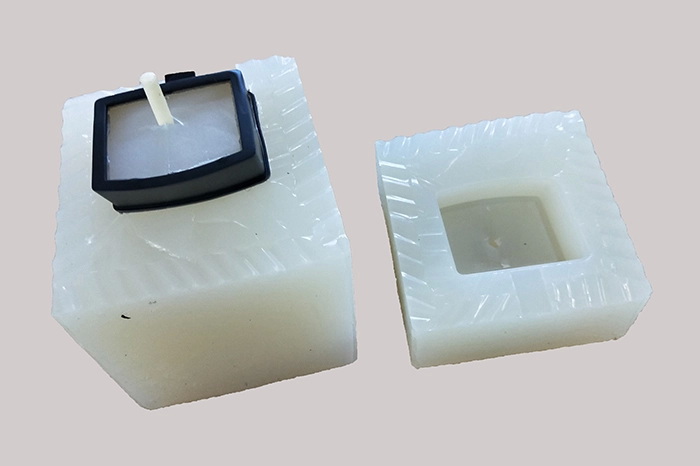
This comprehensive article introduces the top 5 vacuum casting materials and their applications, emphasizing their material properties and suitability for various industries. Vacuum casting provides a cost-effective way to achieve detailed, functional, and visually appealing parts across automotive, medical, consumer electronics, and industrial sectors. Selecting the right vacuum casting material enhances part performance, meeting rigorous standards in OEM manufacturing for international markets.
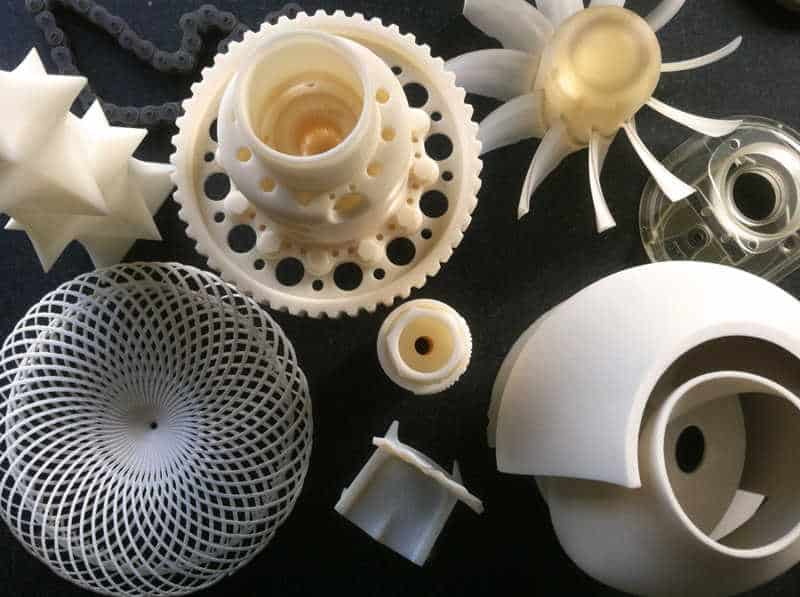
This detailed guide covers a wide range of 3D printing materials, from common thermoplastics to advanced metals and specialty resins, helping manufacturers and designers make informed material choices for their products. It explains material properties, applications, and selection factors while emphasizing printability, mechanical performance, and sustainability to maximize the potential of 3D printing technology.
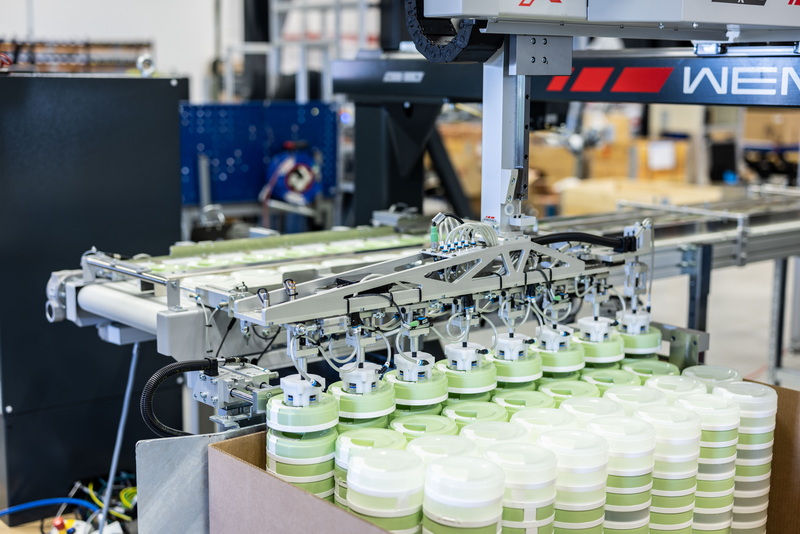
This comprehensive guide details the selection of injection molding materials, covering thermoplastics, fillers, manufacturing factors, and industry-specific requirements. It equips readers with knowledge to choose plastics that meet mechanical, thermal, chemical, and aesthetic needs for optimal part performance and production efficiency.
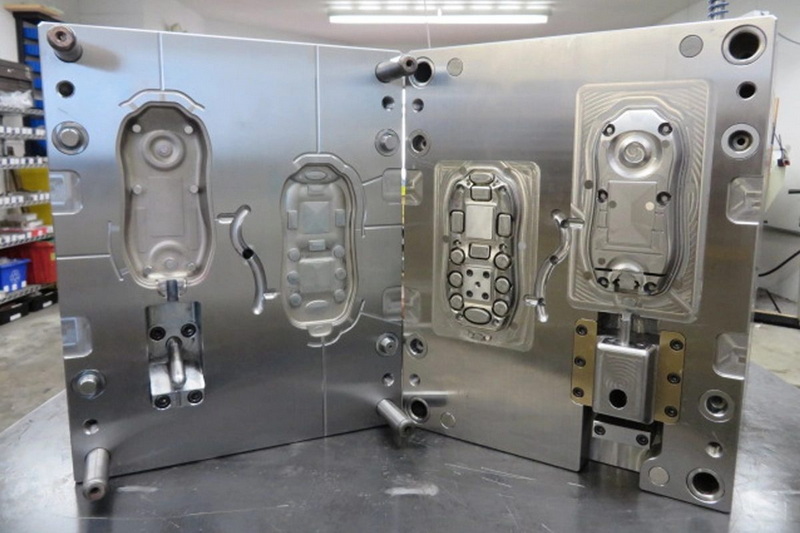
This detailed guide covers the essentials of selecting injection molding materials to achieve optimal durability and performance. It reviews different material types, key properties, popular polymers, effects on mold design, common challenges, and strategies for cost-effective, high-quality manufacturing outcomes.

