
Views: 222 Author: Amanda Publish Time: 2025-10-04 Origin: Site


Content Menu
● Understanding Injection Molding and Material Requirements
>> Key Performance Considerations
>> Manufacturing Factors Affecting Material Choice
● Popular Plastics Used for Injection Molding
>>> Acrylonitrile Butadiene Styrene (ABS)
>>> Polymethyl Methacrylate (PMMA)
>>> Acetal (POM)
● Important Factors Influencing Material Selection
>> Application-Specific Requirements
>> Manufacturing and Processing
>> Environmental and Regulatory Considerations
● How Fillers and Additives Improve Injection Molding Plastics
● Industry-Specific Material Selection Examples
● Injection Molding Material Selection Process
● Frequently Asked Questions (FAQ)
>> 1. What is Injection Molding?
>> 2. Which Plastics Are Most Commonly Used in Injection Molding?
>> 3. How Do Fillers Enhance Injection Molding Materials?
>> 4. Can All Plastics Be Used for Injection Molding?
>> 5. How Important Is Material Selection for Product Success?
Injection molding remains one of the most versatile and efficient manufacturing processes for producing plastic parts with precision and consistency. Whether you are developing components for consumer products, automotive parts, or medical devices, selecting the right plastic material for injection molding is essential to meet performance requirements, control costs, and optimize manufacturability. This detailed guide will help navigate the complex landscape of injection molding materials to ensure the best match for your specific application.
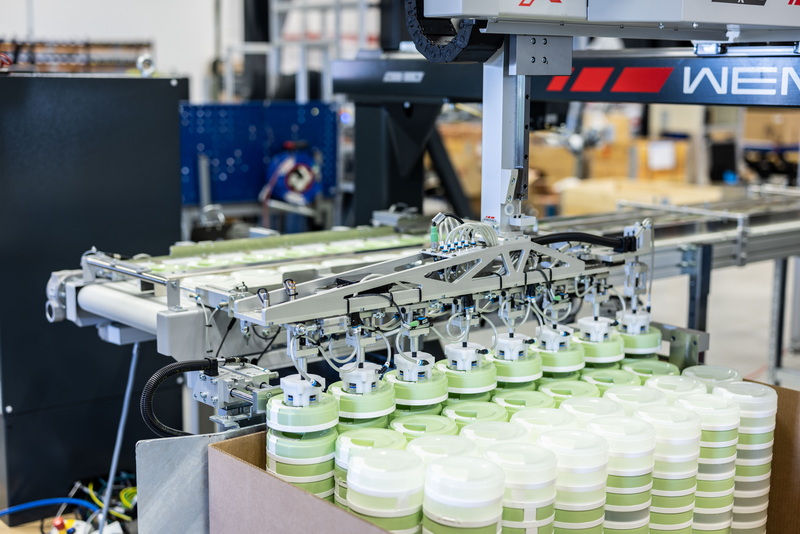
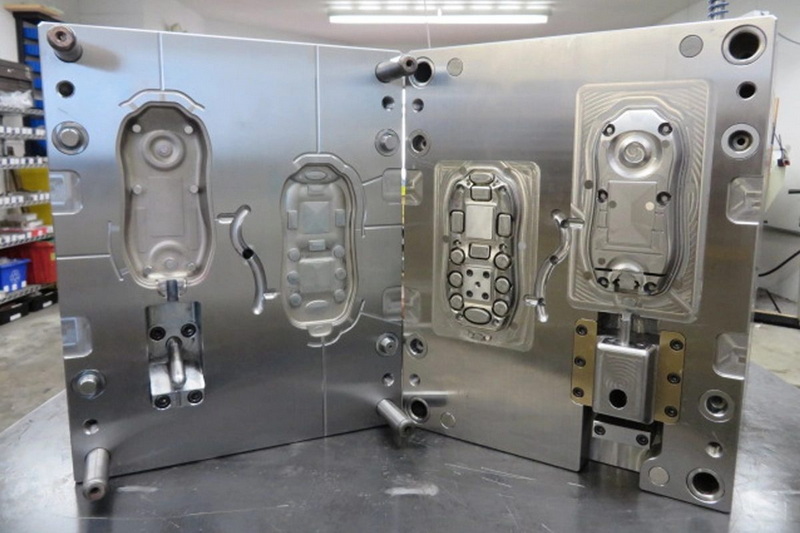
Injection molding involves melting polymer pellets and injecting them into a mold cavity where they cool and solidify into the final part shape. The success of this process heavily depends on the plastic material used; different materials possess varied mechanical, thermal, chemical, and aesthetic properties. Selecting a suitable material requires a comprehensive understanding of your product's performance needs alongside the molding process capabilities.
- Mechanical Properties: Strength, toughness, stiffness, and impact resistance dictate how well the molded part withstands operational stresses.
- Thermal Properties: Heat deflection temperature, melting point, and thermal conductivity influence both processing conditions and application environments.
- Chemical Resistance: Many applications require plastics that resist degradation from chemicals, oils, or solvents.
- Electrical Properties: For parts used in electronics, insulating and dielectric characteristics are important.
- Aesthetic Factors: Transparency, colorability, surface finish, and texture affect consumer appeal and product branding.
- Moldability: Flow characteristics, shrinkage rates, and cycle time impact production efficiency and part accuracy.
- Cost: Material cost, machine energy use, and waste/scrap rates influence overall production economics.
- Sustainability: Recyclability and regulatory compliance increasingly influence material selection decisions.
The market offers a broad range of plastics suitable for injection molding, each with distinct advantages and limitations. Understanding the characteristics of these common materials enables more informed choices aligned with functional requirements.
Thermoplastics are most widely used in injection molding because they soften when heated and solidify when cooled, allowing repeated melting and reshaping. Key thermoplastics include:
ABS is a tough, dimensionally stable thermoplastic prized for its impact resistance and good surface finish. It withstands moderate heat and is chemically resistant. ABS is commonly used in automotive trim, electronic housings, and consumer goods where durability and aesthetics are essential.
Known for its exceptional strength, transparency, and heat resistance, polycarbonate serves in safety equipment, optical lenses, and electronic components. It withstands higher temperatures but can be sensitive to certain chemicals and UV degradation.
Nylon offers excellent strength, wear resistance, and fatigue durability, making it suitable for gears, bearings, and mechanical components. However, its moisture absorption can affect dimensional stability in humid environments.
PP is lightweight, chemically resistant, and cost-effective, ideal for packaging, automotive parts, and living hinges. It has good fatigue resistance but lower surface hardness compared to ABS.
Polyethylene, especially high-density (HDPE) and low-density (LDPE) variants, provides excellent chemical resistance and flexibility. PE is used in containers, tubing, and films but can have limitations in heat resistance.
PMMA (acrylic) is valued for its optical clarity and UV resistance, commonly used in display panels, lighting covers, and lenses. It has moderate strength but can be brittle compared to other plastics.
Acetal is a high-strength engineering plastic with low friction and dimensional stability. It suits precision parts like gears and valve components but can absorb moisture.
Beyond basic properties, several critical factors guide the material choice process:
- Mechanical Load: Select materials with tensile strength and impact resistance matching the operational stresses.
- Thermal Environment: Consider heat deflection and melting points relative to expected service temperatures.
- Chemical Exposure: Choose plastics resistant to chemicals encountered in the product's environment.
- Electrical Needs: For insulation, dielectric strength and resistance to electrical degradation matter.
- Aesthetic and Surface Quality: Transparency, colorability, and finishing options may dictate specific polymers.
- Mold Flow and Shrinkage: Materials vary in flow rates and shrinkage percentages, impacting mold design and part dimensions.
- Cycle Time and Cost Efficiency: Faster curing materials and those requiring lower mold temperatures can reduce production costs.
- Fillers and Reinforcements: Adding glass fibers or other fillers can enhance stiffness, heat resistance, and dimensional stability.
- Recyclability: Selecting recyclable plastics supports sustainability goals.
- Compliance: Materials must meet regulations such as FDA food contact safety or RoHS for electronics.
- Biodegradability: In certain markets, biodegradable plastics may be preferred.
To meet demanding applications, fillers like glass fibers, carbon fibers, and mineral additives are commonly incorporated in plastics. These enhance mechanical properties without significantly increasing weight or cost.
- Glass fiber improves tensile strength, stiffness, and heat resistance.
- Carbon fiber offers superior strength-to-weight ratio and fatigue resistance.
- Talc increases stiffness and heat deflection properties.
- Colorants, UV stabilizers, flame retardants, and lubricants further customize material performance.
Proper filler selection allows tailoring injection molded parts for specific strength, durability, and environmental needs.
Injection molding is used in diverse industries, each with unique requirements:
- Automotive: Parts endure vibration, heat, and impact; materials like glass-filled nylon, PC/ABS blends provide strength and durability.
- Consumer Electronics: Aesthetics, electrical insulation, and heat resistance are key; ABS and PC are common.
- Medical Devices: Require biocompatibility and sterilizability; materials include medical-grade polycarbonate and specialty polymers.
- Packaging: Prioritize cost-effectiveness and chemical inertness; polyethylene and polypropylene dominate.
A strategic approach optimizes product success:
1. Define functional, aesthetic, and regulatory requirements precisely.
2. Research and shortlist candidate materials based on performance data.
3. Prototype and conduct testing for mechanical properties, processing behavior, and appearance.
4. Analyze cost and supply chain factors for scale production feasibility.
5. Finalize material selection with supplier collaboration, mold design input, and sustainability review.
Choosing the best plastic material for injection molding is a multifaceted decision balancing product requirements, manufacturing constraints, cost considerations, and sustainability goals. A deep understanding of material properties—mechanical, thermal, chemical, aesthetic—combined with prototyping and expert consultation enables selection of the optimal material for any application. Incorporating fillers and additives further tailors material performance, ensuring injection molded parts meet strict industrial and consumer demands. Careful planning, testing, and supplier collaboration lead to efficient production, superior product quality, and market success.

Injection molding is a manufacturing process involving the melting of plastic pellets that are injected into a mold cavity under pressure, cooled, and solidified to form precise plastic parts.
Common plastics include ABS, polycarbonate, nylon, polypropylene, polyethylene, PMMA (acrylic), and acetal due to their favorable properties for molding and end-use.
Fillers like glass fiber and carbon fiber improve mechanical strength, stiffness, heat resistance, and dimensional stability of molded parts.
Not all plastics are suitable; thermoplastics are most commonly used. Thermosetting plastics and elastomers require specialized processes.
Material selection directly affects product durability, manufacturability, cost, aesthetics, and compliance, making it a key factor in the success of injection molded products.
Injection molding's versatility spans vast industries, and mastering material selection empowers designers and manufacturers to produce parts that combine performance, appearance, and cost-efficiency.
[1](https://www.unionfab.com/blog/2024/06/injection-molding-materials)
[2](https://www.goldengatemolders.com/post/injection-molding-101-a-comprehensive-guide-for-newcomers)
[3](https://xometry.pro/en/articles/injection-molding-materials/)
[4](https://zetarmold.com/injection-molding-process-materials-and-applications/)
[5](https://www.protolabs.com/resources/guides-and-trend-reports/designing-for-moldability-fundamental-elements/)
[6](https://www.basilius.com/blog/the-complete-guide-to-injection-molding-materials/)
[7](https://www.gzenqi.com/Blog/a-comprehensive-guide-to-plastic-injection-molding.html)
[8](https://www.topgrid.co/injection-molding-a-comprehensive-guide-by-topgrid/)

