
Views: 222 Author: Amanda Publish Time: 2026-01-30 Origin: Site


Content Menu
● Core Idea of Rapid Prototyping
>> Digital Design and CAD Data
>> Additive, Subtractive, and Forming Processes
● What Makes Rapid Prototyping “Rapid”?
>> Fast Iteration and Feedback
>> Reduced Need for Hard Tooling
● Common Rapid Prototyping Technologies
>> 3D Printing in Rapid Prototyping
>> CNC Machining in Rapid Prototyping
>> Sheet Metal and Molding in Rapid Prototyping
● Benefits of Rapid Prototyping for Global OEMs
>> Lower Development Cost and Risk
>> Better Communication and Decision‑Making
● Rapid Prototyping Across the Product Lifecycle
>> Concept and Design Validation
>> Functional Testing and Engineering Validation
>> Pre‑Production and Bridge Manufacturing
● The Role of Rapid Prototyping Service Providers
>> Integrated Rapid Prototyping Capabilities
>> Example: Rapid Prototyping with CNC, Turning, and Molding
● Rapid Prototyping in Automotive and Industrial Applications
>> Industrial Equipment and Machinery
● Why Rapid Prototyping Matters for Modern Manufacturing
>> 1. What is Rapid Prototyping in manufacturing?
>> 2. How is Rapid Prototyping different from traditional prototyping?
>> 3. Which technologies are most commonly used in Rapid Prototyping?
>> 4. What are the main benefits of Rapid Prototyping for OEMs and wholesalers?
>> 5. Can Rapid Prototyping be used for low‑volume production?
Rapid Prototyping is a product development approach that focuses on producing physical or virtual prototypes very quickly from digital designs so that ideas can be tested, improved, and moved into production with minimal delay. In manufacturing, Rapid Prototyping combines digital CAD data with processes such as 3D printing, CNC machining, sheet metal fabrication, and molding to shorten development cycles and reduce cost and risk.
In this article, “Rapid Prototyping” refers to the entire fast, iterative prototyping workflow, not only 3D printing. It covers everything from early concept models to functional prototypes and low‑volume bridge production, helping global OEMs, brands, and wholesalers develop better products faster and more efficiently.
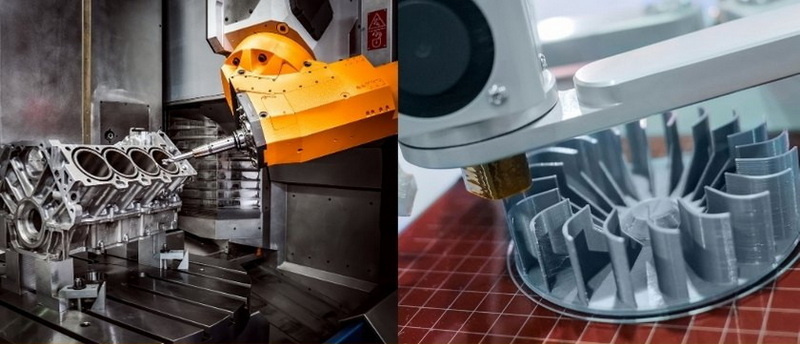
In Rapid Prototyping, the word rapid refers to the speed of converting a design concept into a testable prototype, often in days instead of weeks or months. The rapid aspect is achieved by digital workflows, automated manufacturing technologies, and streamlined communication between design and manufacturing teams.
Rapid Prototyping eliminates many traditional bottlenecks such as manual drafting, slow tooling design, and repeated setup for each prototype. Instead, engineers work directly from 3D CAD, send files to digital manufacturing systems, and receive parts fast enough to support multiple design iterations in a short timeframe.
Rapid Prototyping is not limited to one single technology. It is a development strategy that uses different manufacturing processes, materials, and levels of fidelity to support decision‑making at every stage of the product lifecycle. Whether you are validating the look and feel of a concept or conducting rigorous functional tests, Rapid Prototyping can provide the type of parts you need quickly.
Rapid Prototyping is built around an iterative cycle: design, manufacture, test, and refine, repeated quickly until the part meets performance and aesthetic requirements. This cycle helps teams identify design flaws early, validate functionality, and optimize the product before committing to full‑scale production.
The prototype can be low‑fidelity (simple geometry, basic material) or high‑fidelity (close to final material, finish, and performance) depending on the stage of development. Rapid Prototyping supports both types by allowing fast production of concept models, functional parts, and pre‑production samples using the same digital data.
By connecting design and manufacturing in a continuous loop, Rapid Prototyping encourages experimentation. Teams can explore different concepts, try alternative geometries or materials, and quickly see how those choices affect performance, cost, and manufacturability. This flexibility is one of the main reasons Rapid Prototyping has become a standard in modern product development.
Rapid Prototyping always begins with a 3D CAD model that defines geometry, tolerances, and other design details. Engineers and designers collaborate on this model, often using cloud‑based design tools that allow real‑time changes and reviews.
Once the model is approved for a prototype, it is exported in a suitable format (such as STL or STEP) and transferred to the chosen Rapid Prototyping process. Because everything is driven by the same CAD model, changes can be implemented quickly and remanufactured without recreating drawings or physical patterns.
In practice, this means that when a problem is discovered in testing, the design team simply updates the CAD file and sends a new version to manufacturing. The result is a new iteration of the prototype in a much shorter time than traditional methods could achieve, making Rapid Prototyping ideal for fast‑moving industries.
Rapid Prototyping covers a range of manufacturing methods, not only additive manufacturing. Common groups include:
- Additive manufacturing (3D printing): builds parts layer by layer from materials like plastics, resins, and metals.
- Subtractive manufacturing (CNC machining): cuts material away from solid blocks using milling, turning, or drilling.
- Compressive or forming approaches: uses casting, molding, or vacuum forming to shape semi‑solid or liquid material into parts.
Different Rapid Prototyping projects may use one or a combination of these methods, depending on precision, strength, cost, and lead time requirements. For example, an early aesthetic model may be produced by 3D printing for speed, while a later functional prototype might be CNC machined from aluminum to match real mechanical performance.
Traditional prototyping can take weeks due to manual setup, toolmaking, and multiple approvals. Rapid Prototyping compresses this into days by using standardized machine setups, digital scheduling, and on‑demand capacity.
Fast turnaround allows multiple design versions to be produced and tested in parallel, accelerating decision‑making. For many applications, Rapid Prototyping can deliver usable prototypes in as little as a few days after receiving the CAD files, which is a major advantage for time‑sensitive projects.
The true power of Rapid Prototyping is rapid iteration: teams can create version 1, test it, revise the model, and quickly produce version 2, 3, and beyond. This loop enables continuous improvement and reduces the risk of discovering critical issues late in the project.
Digital collaboration tools enable engineers, industrial designers, and manufacturing specialists to share feedback on each iteration based on performance, aesthetics, manufacturability, and user experience. Because changes are applied directly in the CAD model and the manufacturing processes are highly repeatable, there is minimal overhead between iterations.
Another reason Rapid Prototyping is rapid is that it minimizes or delays investment in expensive hard tools such as steel molds or dedicated fixtures. Many Rapid Prototyping methods either require no tooling (for example, 3D printing, CNC machining) or use soft tooling that can be produced quickly.
This allows companies to refine designs while avoiding the cost and lead time of full production tooling until the design is stable. As a result, Rapid Prototyping reduces both time and financial risk in new product development and makes it easier to justify testing more innovative designs.
3D printing is often the first technology people think of when they hear Rapid Prototyping. It builds parts layer by layer directly from CAD data, enabling complex geometries that might be difficult or impossible with traditional methods.
Popular 3D printing technologies used for Rapid Prototyping include stereolithography, fused deposition modeling, and selective laser sintering, each with its own balance of accuracy, strength, and surface finish. These methods are ideal for concept models, visual prototypes, ergonomic studies, and functional testing in plastic and resin materials.
3D printing also supports design freedom. Engineers can create lightweight lattice structures, internal channels, and integrated assemblies that would be very expensive to prototype with conventional manufacturing. This capability means Rapid Prototyping is not only fast, but also highly creative.
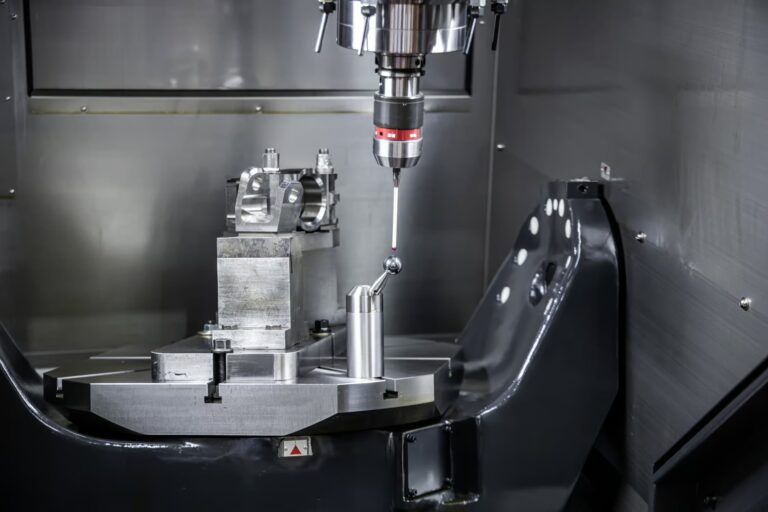
CNC machining is a key Rapid Prototyping process for high‑precision metal and plastic parts that must closely match final production quality. It uses computer‑controlled cutting tools to create parts with tight tolerances and excellent surface finishes from solid blocks of material.
Because CNC machining uses standard raw materials and digital tool paths, it can produce prototypes quickly without dedicated tooling. This makes it valuable for functional testing, assembly trials, and low‑volume production where mechanical performance and reliability are critical.
In Rapid Prototyping workflows, CNC machining is often used for parts that will eventually be manufactured by die casting, forging, or injection molding. By machining the prototype from similar materials, engineering teams can get realistic data on strength, wear, and thermal behavior before investing in hard tooling.
Rapid Prototyping also includes sheet metal fabrication and molding for components such as enclosures, brackets, and structural parts. These processes rely on laser cutting, bending, welding, and short‑run molds to produce realistic prototypes and bridge‑production quantities.
By combining Rapid Prototyping with sheet metal or molding, teams can quickly evaluate design features like mounting points, stiffness, ventilation, and assembly clearances in hardware that closely resembles final production parts. This is particularly valuable in industries such as electronics, automotive, and industrial equipment where enclosures and frames must perform reliably under demanding conditions.
Rapid Prototyping significantly shortens the time required to move from concept to production by allowing early and frequent testing of designs. Instead of waiting for final drawings and tooling, companies can validate concepts during early stages and de‑risk the project.
This speed is crucial for global OEMs, brands, and wholesalers facing intense competition and short product life cycles. Faster iteration means that more ideas can be explored, and successful designs can reach customers sooner, increasing market responsiveness and competitive advantage.
By testing designs through Rapid Prototyping, teams catch errors before expensive production tooling or high‑volume manufacturing begins. This early detection can prevent costly design changes after launch and reduce scrap or rework.
Rapid Prototyping also makes it easier to compare design options and select the most cost‑effective geometry, material, and process for full‑scale manufacturing. For many companies, this leads to a better balance of performance, cost, and manufacturability and supports more predictable project budgets.
Rapid Prototyping improves communication between stakeholders by providing physical prototypes that everyone can see, touch, and test. It is much easier to discuss design decisions around an actual part than around only drawings or renderings.
For global organizations, Rapid Prototyping can support distributed teams: one group can develop the CAD model, another can manage Rapid Prototyping, and all teams can review results via photos, measurements, and testing data. This shared understanding leads to faster consensus and more confident decisions.
During the concept phase, Rapid Prototyping supports quick models that focus on form, basic ergonomics, and visual appeal. Designers can review proportions, surfaces, and user interaction using physical mock‑ups instead of relying solely on digital renderings.
These early Rapid Prototyping models help teams select the strongest concept and align stakeholders around a clear design direction before investing in detailed engineering. This reduces the chance of major design changes late in the project and ensures that aesthetics and user experience are considered from the beginning.
As the design matures, Rapid Prototyping shifts to more functional prototypes with realistic materials and tolerances. These parts are used to test mechanical performance, assembly, durability, and compatibility with other systems.
Rapid Prototyping at this stage helps identify stress points, tolerance stack‑up issues, vibration problems, and manufacturing challenges that could affect quality or cost in mass production. Adjustments can be made in the CAD model and re‑tested quickly, supporting a data‑driven engineering process.
In later stages, Rapid Prototyping technologies such as CNC machining, short‑run molding, and small‑batch 3D printing support pilot runs and low‑volume production. These runs allow companies to validate packaging, logistics, and market response before committing to large investments.
This bridge between prototyping and full production gives OEMs and wholesalers flexibility to respond to feedback and demand while maintaining consistent quality. Rapid Prototyping therefore remains relevant from first sketch through to early market introduction and sometimes even for customized or spare parts.
Specialized manufacturing partners offering Rapid Prototyping combine multiple technologies—3D printing, CNC machining, sheet metal fabrication, and molding—to support diverse project needs from a single source. They provide fast quotations, material selection guidance, and design for manufacturability feedback to improve prototype quality and efficiency.
With experience in both Rapid Prototyping and mass production, such partners help ensure a smooth transition from prototypes to stable, repeatable manufacturing processes. This integrated approach is particularly valuable for international OEM customers seeking reliable, long‑term cooperation and consistent quality.
A typical Rapid Prototyping project may start with a plastic housing produced by 3D printing to validate appearance and ergonomics. Once the design is close to final, CNC machining and turning can be used to produce precise functional components in aluminum or steel, while soft molds can quickly create small batches of polymer parts.
By combining different Rapid Prototyping methods in one workflow, engineering teams can verify assembly, sealing performance, heat dissipation, and mechanical strength under real‑world conditions. This approach is ideal for companies that want to progress from prototype to pilot production with the same manufacturing partner.
In automotive projects, Rapid Prototyping is used to create interior trim, structural brackets, and complex housings for testing and stakeholder reviews. Tight development timelines require prototypes that can be produced fast while meeting demanding aesthetic and functional standards.
Rapid Prototyping helps automotive engineers evaluate fit, finish, and assembly processes, as well as test parts under thermal, vibration, and load conditions. By testing multiple iterations in quick succession, teams can optimize safety, comfort, and durability before committing to production tooling.
Industrial equipment manufacturers rely on Rapid Prototyping to validate mechanisms, enclosures, and safety features under real operating conditions. Components such as gear housings, guarding, frames, and control panels can be produced rapidly and integrated into test rigs or pilot machines.
Using Rapid Prototyping across mechanical, electrical, and control systems makes it easier to identify integration issues early. This leads to more robust machines, less downtime, and a more reliable user experience for end customers.
Rapid Prototyping has become a cornerstone of modern manufacturing because it supports innovation, customization, and continuous improvement. It allows designers and engineers to explore more ideas, confirm performance earlier, and bring better products to market faster.
For global brands, wholesalers, and OEMs, Rapid Prototyping is not just a technical tool but a strategic approach to product development. It aligns design, engineering, and manufacturing teams around a fast, data‑driven process that reduces risk, improves communication, and maximizes value across the entire product lifecycle.
Rapid Prototyping is rapid because it transforms digital designs into physical prototypes with exceptional speed, enabling frequent, low‑risk iterations throughout the product development cycle. By combining CAD‑driven workflows with technologies like 3D printing, CNC machining, sheet metal fabrication, and molding, Rapid Prototyping shortens lead times, lowers development cost, and improves product quality for global OEMs and brands.
From initial concept to functional testing and bridge production, Rapid Prototyping keeps design, engineering, and manufacturing aligned around a flexible, data‑driven process. In an increasingly competitive market, organizations that leverage Rapid Prototyping effectively can innovate faster, reduce risk, and deliver better products to customers worldwide.
Conntact us to get more information!
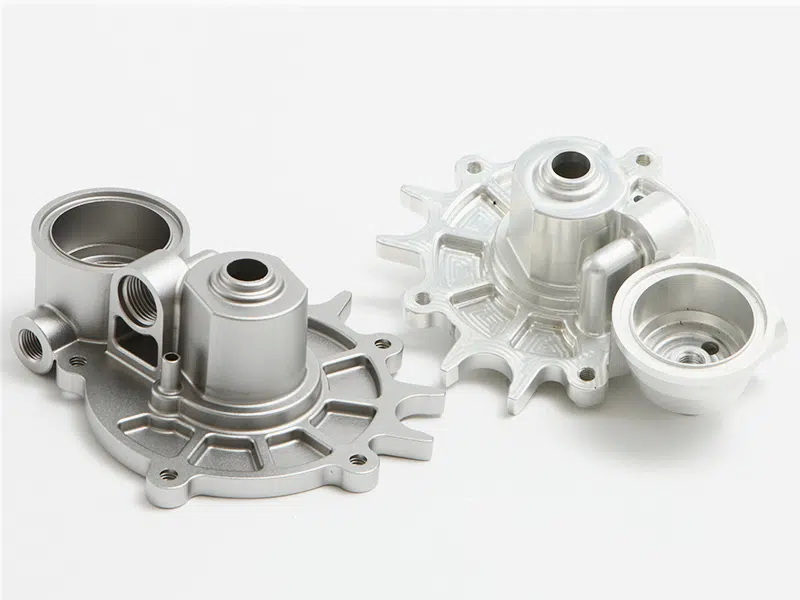
Rapid Prototyping in manufacturing is the fast creation of physical prototypes from digital design data using processes such as 3D printing, CNC machining, turning, and short‑run molding. It allows teams to validate design, functionality, and manufacturability before investing in full production tooling and high‑volume manufacturing.
Traditional prototyping often relies on manual methods, long tooling lead times, and limited design iterations, which make changes slow and costly. Rapid Prototyping uses digital workflows and flexible manufacturing processes to produce prototypes quickly, enabling more design cycles, earlier detection of issues, and faster decision‑making.
Common Rapid Prototyping technologies include 3D printing (such as stereolithography, fused deposition modeling, and selective laser sintering), CNC machining and turning, and various molding and casting methods. The best choice depends on required precision, material, surface finish, budget, and production volume for the prototype.
Rapid Prototyping helps OEMs and wholesalers reduce development time, lower risk, and improve final product quality by enabling early and frequent testing of designs. It also supports better communication among designers, engineers, and manufacturing partners, which leads to more reliable, cost‑effective products and a smoother transition into mass production.
Yes, Rapid Prototyping is widely used for low‑volume production, bridge manufacturing, and pilot runs where flexibility and speed are more important than the lowest per‑part cost. Technologies such as CNC machining, small‑batch molding, and industrial 3D printing can deliver production‑quality parts without long tooling delays, making them ideal for customized or niche products.
1. https://xometry.pro/en/articles/rapid-prototyping-manufacturing/
2. https://www.autodesk.com/solutions/rapid-prototyping
3. https://testbook.com/mechanical-engineering/rapid-prototyping
4. https://engineeringproductdesign.com/knowledge-base/rapid-prototyping-techniques/
5. https://www.lsrpf.com/zh-Hans/rapid-prototyping
6. https://www.rapiddirect.com/zh-CN/

