
Views: 222 Author: Amanda Publish Time: 2025-11-02 Origin: Site


Content Menu
● Overview
>> Prototyping and design iteration
>> Low-volume production and customization
>> Complex geometries and lightweighting
>> Speed-to-market for concept-to-validate
>> Post-processing and material options
● Moulding production advantages
>> Economies of scale and unit cost
>> Material properties and performance
>> Surface finish and cosmetic quality
>> Tolerances and repeatability
● How to decide: a practical framework
>> Hybrid approaches and integration
>> Material considerations for both paths
>> Quality, testing, and regulatory aspects
>> Industry applications and use-case guidance
● Practical recommendations and decision framework
● Design and engineering considerations
● Practical recommendations for Shangchen
● FAQ
>> 1: What is moulding production best suited for?
>> 2: How quickly can I go from CAD to a physical part with 3D printing?
>> 3: Can 3D printed parts replace moulded parts in production?
>> 4: What are the common post-processing steps for 3D printed parts?
>> 5: How do material properties differ between 3D printed parts and moulded parts?
In today's OEM landscape, manufacturers face a strategic decision between 3D printing (additive manufacturing) and traditional moulding production for parts and assemblies. Both approaches offer distinct advantages, limitations, and cost profiles. This article provides a practical framework to help international brand owners, wholesalers, and manufacturers determine when to leverage 3D printing versus moulding production, with concrete guidance tailored to a Chinese fast-prototyping and production partner like Shangchen. Throughout, the term moulding production is used to emphasize conventional forming processes such as injection moulding, compression moulding, and related techniques that produce high-volume, repeatable parts with tight tolerances. The discussion also reflects how integrated OEM workflows can harmonize 3D printing, CNC machining, sheet metal fabrication, and tooling to accelerate development and time-to-market.
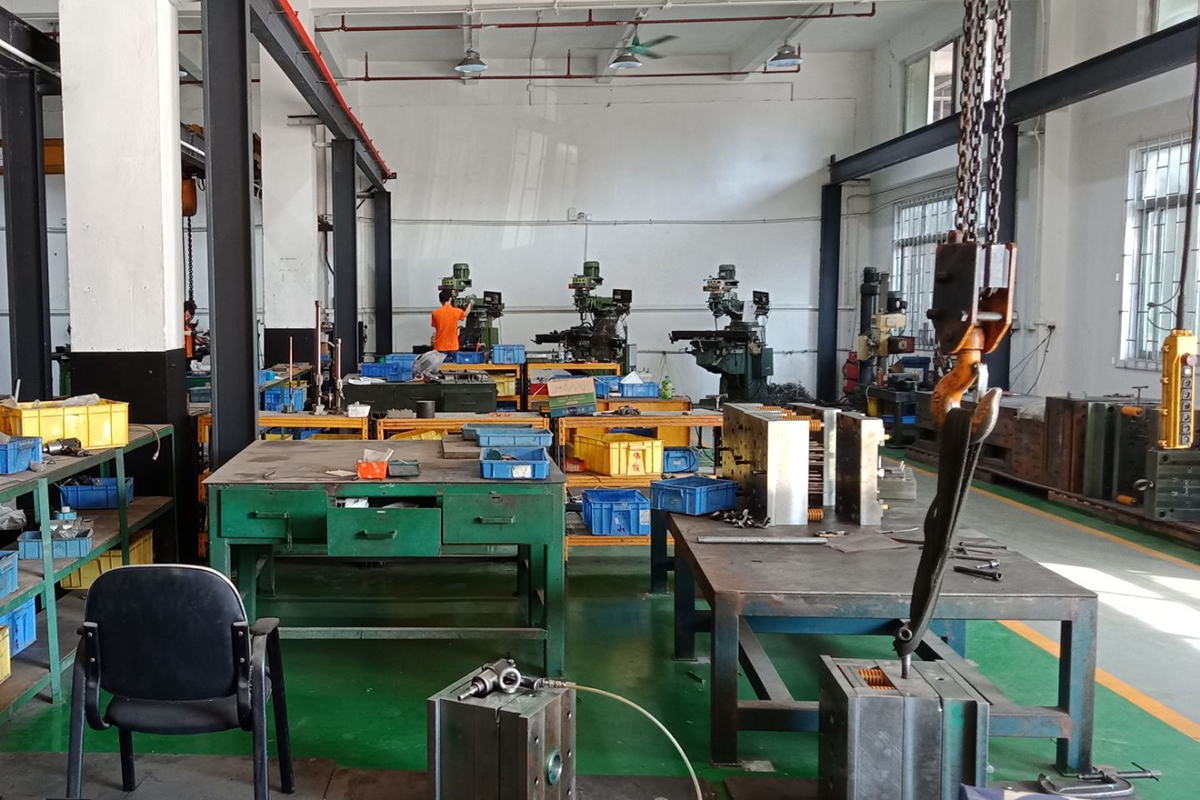
Additive manufacturing (3D printing) builds parts layer by layer from digital models. It enables rapid design iteration, complex geometries, and customization. For prototyping and low-volume production, 3D printing can dramatically reduce lead times, eliminate tooling costs, and support rapid testing of fit, form, and function. In an OEM context, 3D printing is frequently employed for concept models, functional prototypes, jigs and fixtures, and housings requiring flexible geometries.
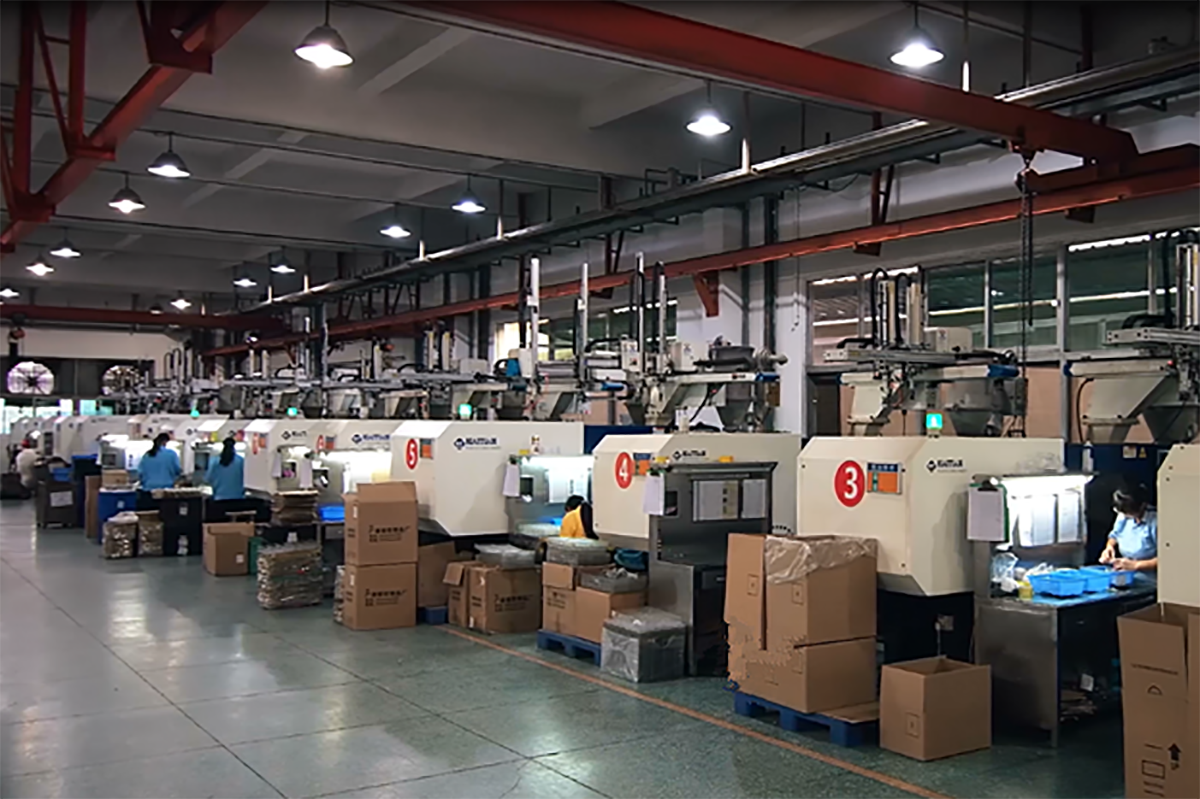
Traditional moulding production encompasses processes such as injection moulding, compression moulding, and thermoforming, where molten or softened material is shaped within a mould or die. These processes excel in high-volume production with strong repeatability, excellent surface finishes, and favorable per-part costs once tooling is amortized. For durable, high-volume components in consumer electronics, automotive, medical devices, and industrial equipment, moulding production offers a proven, scalable path.
- 3D printing shines in early-stage development, allowing rapid CAD-to-part cycles. Iterations that would require new moulds in traditional moulding production can be tested within hours or days, accelerating design verification and user testing.
- For complex internal channels, lattice structures, or undercuts that are difficult or expensive to achieve with subtractive methods, additive manufacturing provides design freedom without expensive tooling changes.
- For small batch runs, limited editions, or customized variants, 3D printing avoids the upfront cost and time associated with mould tool fabrication. This enables market testing, regional customization, or limited-edition product variants without significant capital risk.
- Hybrid approaches are feasible: use 3D-printed jigs, fixtures, and functional components integrated with moulded housings to validate assemblies before committing to large-scale tooling.
- Additive processes enable geometries that balance weight, strength, and thermal management in ways that are difficult with conventional moulding alone. Complex internal channels, conformal cooling passages, and lightweight lattice cores can be produced directly from CAD data.
- For startups and brands entering new markets, 3D printing reduces the time from concept to functional sample, enabling early-stage testing, regulatory checks, and user feedback with minimal ramp-up risk.
- A wide range of polymers suitable for functional testing, engineering plastics, and composite materials are accessible via 3D printing. Post-processing, such as smoothing, painting, or sealing, can yield ready-to-evaluate parts for fit checks and early performance assessment.
- When production volumes rise (tens of thousands to millions of parts), moulding production often becomes the most cost-effective option. Once tooling is paid off, per-part costs drop substantially, delivering competitive pricing for mass production.
- Moulding production typically delivers excellent surface finish and tight tolerances for many polymers and composites, with reliable dimensional stability across long production runs.
- Injection moulded parts commonly exhibit very good mechanical properties, dimensional stability, and heat resistance for bulk production applications. The process supports a wide spectrum of materials, including high-performance engineering plastics and reinforced polymers.
- Moulded parts can achieve smooth finishes directly from the tool and require less post-processing than some 3D-printed parts, which may need sanding, sealing, or coating to reach comparable aesthetics.
- With proper tooling and process control, moulding production yields consistent tolerances across millions of cycles. This consistency is crucial for components requiring tight fits with mating parts, seals, or fasteners.
- The upfront investment in tooling (injectors, mould plates, ejectors) can be substantial and multi-week to multi-month in duration. However, once tooling is complete, production can scale rapidly.
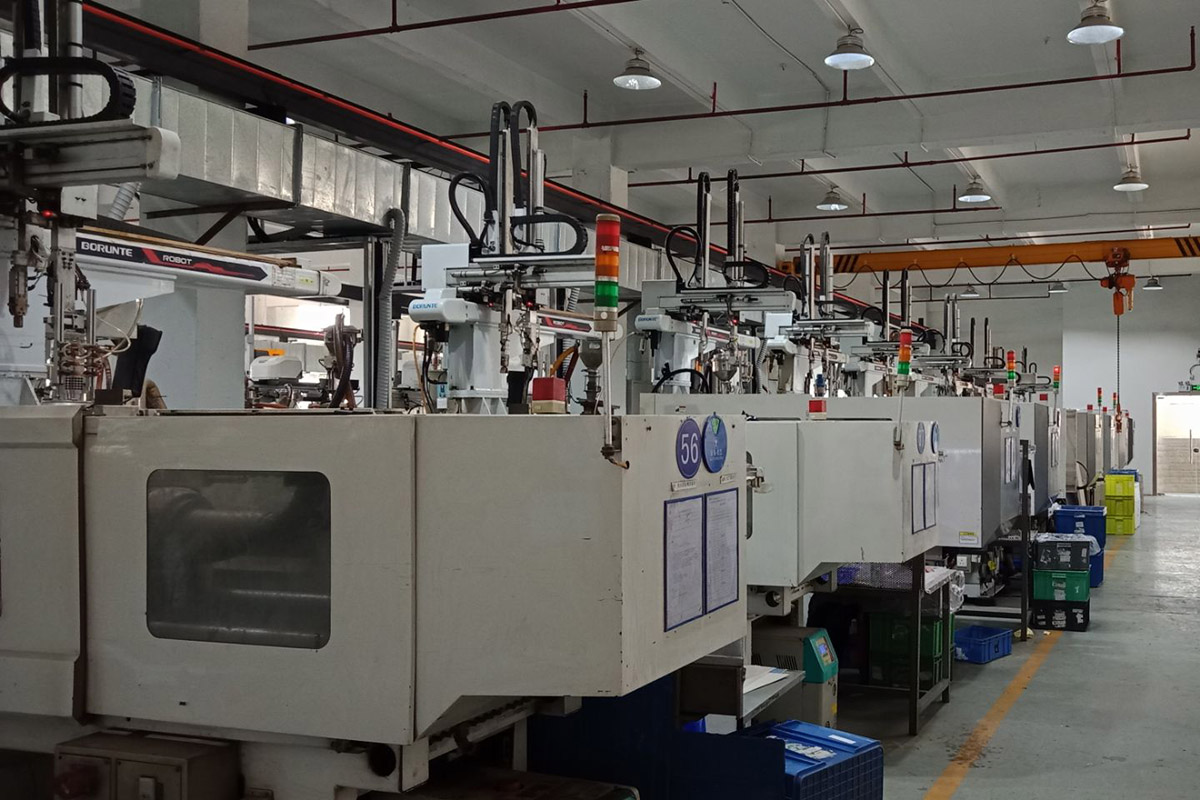
- Volume: If expected annual volumes exceed tens of thousands of units, moulding production often offers lower unit costs. For low-to-moderate volumes, 3D printing may be more economical and flexible.
- Time to first part: 3D printing frequently delivers the first functional part faster than mould tool creation, enabling earlier design validation and market testing.
- Complexity: Part geometries with internal channels, complex lattice structures, or undercuts may favor 3D printing; otherwise, moulding can deliver faster, repeatable results for simple geometries.
- Material requirements: Engineering plastics with high heat resistance or specific mechanical properties may be more readily achieved via moulding; some advanced polymers and composites are also possible with 3D printing but may incur post-processing requirements.
- Tolerances and finishes: If ultra-tight tolerances and high-quality surface finishes are essential, moulding production often provides a more straightforward path with limited post-processing.
- Hybrid workflows combine the strengths of both methods. For example, one can 3D print prototypes and functional test fixtures while simultaneously developing mould tooling for high-volume production. Insert moulding and sonically welded assemblies are other strategies enabling seamless OEM workflows.
- Shangchen's capabilities span rapid prototyping, CNC machining, sheet metal fabrication, 3D printing, and mould/tooling production, enabling integrated OEM workflows that transition smoothly from concept to low-volume to mass production.
- 3D printing materials cover a broad spectrum, including ABS-like polymers, polylactide (PLA), high-temperature engineering plastics, nylon, and reinforced composites. Some metals are also accessible via metal 3D printing for functional prototypes and low-volume end-use parts.
- Moulding production materials include common engineering plastics such as PC, ABS, POM, PA, and PEEK, among others, with reinforced variants offering enhanced stiffness, toughness, or thermal performance.
- Consistent process control is essential for both methods. For moulding production, supplier qualification, process windows, mould maintenance, and in-line inspection yield repeatable results across large batches.
- For 3D-printed parts destined for functional testing or end-use applications, ensuring material certifications, mechanical property data, and post-processing quality is critical to bridge the gap to production. Collaboration with a trusted partner ensures proper qualification and traceability.
- Consumer electronics housings and accessories: moulding production delivers mass-produced, durable parts with consistent finishes; 3D printing supports rapid prototyping and customization for fit checks and ergonomic testing.
- Automotive fixtures, brackets, and interior components: injection moulding supports high-volume demands, whereas 3D printing enables rapid prototyping, tooling jigs, and complex lightweight components during the design phase.
- Medical devices and laboratory equipment: regulatory compliance and validated material properties drive decision-making; 3D printing accelerates design iterations, while moulding production can support scalable, mission-critical components after qualification.
- Industrial and consumer goods: hybrid strategies allow a mix of small-batch functional parts and mass-produced housings, aligning with market needs and logistics.
- Scenario A: A mid-market consumer gadget brand requires 50,000 units for a new enclosure. Early-stage prototyping is performed with 3D printed mock-ups, but final production switches to moulding production once the tooling is budgeted and approved to service the expected volume.
- Scenario B: A medical device accessory with a custom-fit connector is designed with several iterations. 3D printing enables rapid testing of fit and regulatory-compliant materials, with a plan to transition to moulding production for the subsequent large-scale run.
- Scenario C: A regional supplier needs a rapid-response supply chain for spare parts. 3D printing supports on-demand production, reducing downtime, while traditional moulding remains the backbone for long-term stocking and high-volume demand.
- Start with a hybrid approach: utilize 3D printing for rapid prototyping, functional testing, and low-volume runs while concurrently developing mould tooling for high-volume production.
- Maintain design-for-manufacturability (DfM) principles for both methods. For moulding, optimize draft angles, wall thickness, undercuts, and gating to improve mould life and part quality. For 3D printing, account for anisotropic properties, orientation during printing, and post-processing requirements.
- Build an engineering-playbook: define part families, expected volumes, material requirements, regulatory considerations, and post-processing steps. This helps determine the most cost-effective path across the product life cycle.
- Leverage Shangchen's integrated capabilities to streamline transitions: rapid prototyping, CNC machining, sheet metal fabrication, 3D printing, and mould/tooling production under one OEM workflow. This reduces handoffs, accelerates timelines, and ensures consistency across stages.
- Tolerances and surface finishes: Injection moulding can achieve tight tolerances and high-quality surface finishes directly from tooling. 3D-printed parts may require post-processing to match such finishes, depending on material and process (FDM, SLA, SLS, or DLP).
- Design for manufacturability (DfM) for both paths: For moulding, consider ribbing, fillets with adequate radii, and uniform wall thickness to minimize warpage. For 3D printing, design for layer adhesion, orientation, and support removal, ensuring viability of post-processing steps.
- Material compatibility and regulatory issues: Ensure that chosen materials comply with end-use regulatory requirements, especially for medical or food-contact applications. Leverage supplier data sheets and validation testing to support regulatory submissions.
- Emphasize end-to-end OEM capabilities: highlight your ability to provide rapid prototyping, CNC machining, sheet metal fabrication, 3D printing, and mould production under a single workflow.
- Showcase integration benefits: discuss how your team can guide customers from initial concept through prototyping to low-volume production and mass manufacturing, optimizing for cost, lead time, and quality.
- Provide regional focus: outline regulatory considerations and material options relevant to key markets (Europe, North America, Asia-Pacific), demonstrating your awareness of regional requirements and standards.
- Include case studies and testimonials: if available, present anonymized client studies that illustrate successful transitions between 3D printing and moulding production, with measured outcomes such as lead times, cost reductions, and quality improvements.
Choosing between 3D printing and traditional moulding production hinges on a careful assessment of volume, time-to-market, part complexity, material requirements, and long-term cost per unit. 3D printing offers unmatched design freedom, rapid prototyping, and flexible low-volume production, making it ideal for concept validation, customization, and short runs. Traditional moulding production excels in high-volume, repeatable manufacturing, delivering superior unit economics, tight tolerances, and durable surface finishes. By integrating both approaches within a cohesive OEM workflow, Shangchen can help brands and manufacturers reduce risk, accelerate development, and scale production efficiently. This dual-path strategy enables a seamless transition from rapid prototyping to mass production, supported by rigorous quality control, regulatory alignment, and a global supply chain.
- Moulding production is best for high-volume, repeatable parts with tight tolerances and smooth finishes, offering low per-unit costs once tooling is paid off. It shines when long production runs are planned and material choices support durable, consistent parts. [type:]
- From CAD to a functional part, 3D printing can deliver parts within days, enabling rapid prototyping and fast design iteration, without the need for mould tooling. [type:]
- In some cases for low to medium volumes or specialized geometries, 3D printed parts can replace moulded parts temporarily or for niche applications, but for long-run mass production moulding typically offers lower unit costs and better long-term performance. [type:]
- Common post-processing steps include supports removal, sanding or smoothing, priming, and surface sealing or painting to achieve acceptable cosmetic and functional finishes. [type:]
- Material properties in 3D printed parts can show anisotropy and surface finish variation due to layer-wise construction, whereas moulded parts generally exhibit more uniform properties and dimensional stability across larger production batches. [type:]
[1](https://www.rowse.co.uk/blog/post/3d-printing-vs-traditional-manufacturing)
[2](https://www.makerverse.com/resources/3d-printing/3d-printing-vs-traditional-manufacturing/)
[3](https://www.xometry.com/resources/3d-printing/3d-printing-vs-traditional-manufacturing/)
[4](https://formlabs.com/blog/race-to-1000-parts-3d-printing-injection-molding/)
[5](https://jlc3dp.com/blog/the-limits-of-3d-printing-comparison-with-traditional-manufacturing)
[6](https://svismold.ch/en/injection-moulding-vs-3d-printing/)
[7](https://quickparts.com/how-3d-printing-stacks-up-against-traditional-manufacturing/)
[8](https://photocentricgroup.com/3d-printing-vs-injection-moulding/)
[9](https://www.protolabs.com/resources/blog/3d-printing-vs-casting-for-metal-parts/)

