
Views: 222 Author: Amanda Publish Time: 2025-09-17 Origin: Site


Content Menu
● Understanding Sheet Metal Fabrication
● Material Considerations: Metal vs Plastic
● Design Complexity and Geometry
>> Sheet Metal Fabrication Limits
>> Injection Molding Strengths
● Production Volume and Cost Efficiency
>> Low to Medium Volume (Sheet Metal Fabrication)
>> High Volume Production (Injection Molding)
● Tooling, Lead Time, and Labor Requirements
● Surface Finish and Post-Processing
● Environmental and Weight Considerations
● Applications Where Sheet Metal Fabrication Excels
● Applications Where Injection Molding Excels
● Summary Table: Sheet Metal Fabrication vs Injection Molding
● FAQ
>> 1. What materials are commonly used in Sheet Metal Fabrication?
>> 2. Can Injection Molding be used to produce metal parts?
>> 3. Which is more cost-effective for prototyping?
>> 4. Can sheet metal fabrication produce highly complex shapes?
>> 5. How do lead times compare between the two methods?
In the manufacturing industry, choosing the right production method can significantly influence product quality, cost-effectiveness, and delivery times. For companies like SC Rapid Manufacturing, which provide OEM services to international clients, understanding the differences and applications of Sheet Metal Fabrication versus Injection Molding is essential. Both techniques have unique advantages and limitations, tailored for different materials, design complexities, and production volumes.
This article delves into the core differences, strengths, and applications of Sheet Metal Fabrication and Injection Molding, providing comprehensive guidance to help manufacturers and designers make informed decisions for their projects.
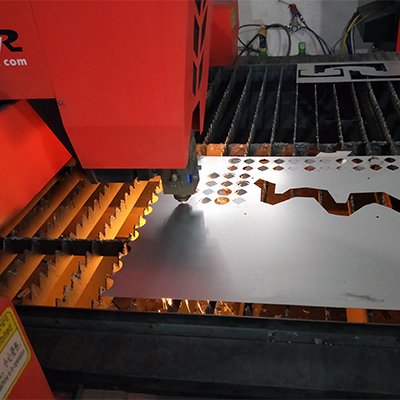
Sheet Metal Fabrication is a widely used manufacturing process that involves shaping flat metal sheets into components through various mechanical means such as cutting, bending, punching, and assembling. The metal sheets used generally vary in thickness from 0.006 to 0.250 inches and can be made of materials such as steel, aluminum, stainless steel, and copper.
The process typically involves:
- Cutting: Using laser cutting, plasma cutting, water jet, or mechanical shearing to shape the flat sheets.
- Bending: Employing brake presses and other machines to form angles and curves.
- Punching: Creating holes or cutouts with precision.
- Welding and Assembly: Joining parts together when complex assemblies are required.
- Finishing: Surface treatments such as powder coating, painting, or plating for aesthetics or corrosion resistance.
The benefits of Sheet Metal Fabrication include its excellent durability, strength, and thermal resistance. Metal parts are commonly found in industrial machinery, automotive components, electrical enclosures, HVAC systems, construction elements, and aerospace applications.
Because sheet metal parts are made from metal, they provide superior structural strength compared to many plastic parts, making them reliable for applications demanding toughness and longevity.
Multimedia placeholder: Demonstration of sheet metal cutting and bending processes.
Injection Molding is a highly popular process for manufacturing plastic components by injecting molten plastic into a pre-designed mold cavity. The plastic hardens as it cools, creating highly repeatable, intricate parts with fine details.
Key characteristics of Injection Molding include:
- Materials: Primarily thermoplastics such as ABS, Nylon, Polycarbonate (PC), Polypropylene (PP), and others.
- High Precision: Capable of producing complex shapes with tight tolerances and smooth surface finishes.
- High Volume Efficiency: Once molds are made, parts can be manufactured quickly and cost-effectively in large quantities.
- Design Flexibility: Supports undercuts, internal sections, thin walls, and varied colors or material properties.
Injection Molding is the method of choice for producing consumer goods, medical devices, electronic housings, automotive interior parts, and any plastic product requiring repeatability and precise detailing.
Multimedia placeholder: Video illustrating injection molding cycle from molting to part ejection.
The most fundamental difference between these two manufacturing methods is the material they use. Sheet Metal Fabrication works with metals, which offer higher strength, rigidity, and thermal stability. In contrast, Injection Molding produces plastic parts that are lightweight, corrosion-resistant, and capable of complex detailing but generally lack the mechanical robustness of metals.
When a product requires:
- Resistance to high temperature or mechanical stress — Sheet Metal Fabrication is preferable.
- Lightweight, corrosion resistance, or intricate shapes — Injection Molding is optimal.
Metal parts often withstand more demanding environmental conditions, whereas plastic molded parts excel in applications needing flexibility or electrical insulation.
While sheet metal fabrication can create a variety of shapes, it is best suited for relatively simple, angular designs with bends and folds. Complex organic curves or internal cavities are difficult and costly to achieve in metal fabrication. Additional bends require extra tooling and pose challenges to structural integrity.
Injection molding excels at complex 3D shapes, internal features, and fine details. It supports thin walls, undercuts, and textured surfaces in a single process without secondary assembly. This capability allows designers to create highly sophisticated parts with minimal additional work.
Thus, if your product design involves simple geometric shapes primarily constructed from flat panels, sheet metal fabrication is more effective. If complex contours, intricate details, or composite shapes are needed, injection molding is often the appropriate choice.

For smaller production runs or rapid prototyping, Sheet Metal Fabrication generally offers lower tooling costs and quicker turnaround. The tooling for bending and cutting is relatively affordable, allowing economical production for batches from prototypes to thousands of units.
Injection Molding requires a substantial initial investment in mold making, which can be expensive and time-consuming. However, for large scale production — often tens of thousands or more parts — the fast cycle times and low per-unit cost make injection molding highly cost-effective.
Therefore, manufacturers must evaluate the volume demands of their products when choosing between metal fabrication and injection molding to optimize cost-effectiveness.
Sheet metal tooling involves punches, dies, and bending machines, which require moderate lead times and can be changed relatively easily for low-volume or prototype runs. Labor input tends to be higher with manual setups and welding or assembly work.
Injection molds are precision-engineered steel tools that may take several weeks or months to manufacture, making lead times longer initially. After mold completion, production is highly automated, reducing labor and increasing consistency in volume production.
Sheet metal parts typically require secondary finishing processes such as sanding, powder coating, painting, or anodizing to achieve the desired aesthetic and corrosion resistance. They may also require deburring or welding cleanup.
Injection molded parts often have smooth, consistent surface finishes directly from the mold, sometimes with textures or gloss added during mold design. Color and additives can also be integrated within the molded material.
Metal parts made via sheet metal fabrication have a heavier profile, impacting shipping costs and application dynamics where weight is critical (such as aerospace or portable electronics).
Injection molded plastic parts are lighter, reducing transport costs and enabling designs where weight savings are essential for performance or ergonomics.
- Heavy-duty enclosures and cabinets for electronics or machinery
- Structural components like brackets, frames, and braces
- Automotive body parts and chassis elements
- HVAC ducts and mounting panels
- Custom industrial machine parts requiring strength and durability
- Consumer plastic products such as housings, containers, and wheels
- Medical device components requiring precision and sterility
- Automotive interior trims and small plastic fittings
- Complex parts with internal channels or flexible features
- Volume products benefiting from fast, repeatable manufacturing
| Aspect | Sheet Metal Fabrication | Injection Molding |
| Materials | Metals: steel, aluminum, stainless steel | Thermoplastics: ABS, PC, Nylon, PP, etc. |
| Design Complexity | Best for angular, flat, and moderate complexity | High complexity, fine detail, internal cavities |
| Production Volume | Small to medium | Medium to very high |
| Tooling Cost | Moderate, scalable for prototypes | High upfront mold cost |
| Strength | Very strong and durable | Moderate strength, depending on plastic |
| Weight | Heavier | Lightweight |
| Lead Time | Shorter tooling time | Longer mold fabrication time |
| Labor | More manual labor | Highly automated after toolmaking |
| Surface Finish | Secondary finishing needed | Molded surface finish |
| Cost Efficiency | Cost-effective for smaller runs | Cost-effective at scale |
| Applications | Industrial, structural, heavy-duty parts | Consumer goods, complex plastic components |
The decision to select Sheet Metal Fabrication or Injection Molding depends on multiple factors including material properties, design complexity, production volume, cost limitations, and lead times. Sheet metal fabrication is the ideal choice for projects requiring toughness, metal properties, and moderate volumes with faster setup. Injection molding suits high-volume plastic part production with intricate designs where initial tooling cost is justified by economies of scale.
For OEM providers like SC Rapid Manufacturing, understanding these trade-offs helps optimize manufacturing strategies, better serving global clients with the right solution for each project's needs. Both methods are pillars of modern manufacturing with distinct roles in bringing innovative products to life.

Common materials include mild steel, stainless steel, aluminum, copper, and brass. The choice depends on the required strength, corrosion resistance, weight, and application environment.
No, injection molding is specifically for plastics and occasionally certain composite materials. Metal parts require processes like sheet metal fabrication, die casting, or metal injection molding (a different process).
Sheet metal fabrication generally has lower upfront tooling costs and quicker turnaround, making it more suitable for prototyping and low-volume runs.
Sheet metal fabrication is better suited for relatively simpler, angular shapes. Producing highly complex or organic shapes usually requires injection molding.
Sheet metal fabrication typically has shorter lead times due to simpler tooling and setups, whereas injection molding involves longer upfront time for mold production but offers faster cycle times for mass production.
[1](https://www.plasticcomponentsinc.com/blog/whats-the-real-difference-between-sheet-metal-fabrication-and-thermoforming?hsLang=en)
[2](https://www.sigmatechnik.com/injection-molding/a-comparative-analysis-of-sheet-metal-stamping-vs-injection-molding-costs)
[3](https://www.3erp.com/blog/injection-molding-vs-cnc-machining/)
[4](https://www.rapiddirect.com/blog/die-casting-vs-injection-molding/)
[5](https://rimnetics.com/blog/reaction-injection-molding-vs-sheet-metal-production/)
[6](https://www.sigmatechnik.com/injection-molding/cost-comparison-metal-stamping-vs-injection-molding)
[7](https://www.norck.com/blogs/news/cnc-machining-vs-injection-molding-which-technique-is-right-for-plastic-parts)
[8](https://www.pcbway.jp/helpcenter/automotive_faq/What_are_the_differences_between_sheet_metal_fabrication_and_injection_molding_in_automotive_.html)
[9](https://www.protolabs.com/materials/comparison-guide/)
[10](https://www.runsom.com/blog/cnc-machining-vs-injection-molding-a-comprehensive-comparison-for-industrial-production/)

