
Views: 222 Author: Amanda Publish Time: 2025-08-09 Origin: Site


Content Menu
● Understanding 5-Axis Machining
● Why Choose a Professional 5-Axis Machining Supplier?
● Best Practices for Selecting Your 5-Axis Machining Partner
>> 1. Evaluate Machine Technology and Capacity
>> 2. Look for Proven Industry Experience
>> 3. Assess Quality Control and Certifications
>> 4. Examine Prototyping and Production Flexibility
>> 5. Review Communication and Support
>> 6. Request Samples and Visit Facilities (if possible)
● Integration with Other Services
● Cost Considerations and Pricing Transparency
● Common Challenges and How to Address Them
● FAQ
>> 1. What materials can be machined using 5-axis machining?
>> 2. How does 5-axis machining improve part quality compared to 3-axis?
>> 3. Can 5-axis machining reduce production time?
>> 4. What certifications should a 5-axis machining supplier have?
>> 5. Is it necessary to visit a supplier's facilities before placing an order?
In today's manufacturing landscape, 5-axis machining stands as a pinnacle of precision and efficiency in producing complex parts. For companies and brands looking to outsource machining services, selecting the right 5-axis machining supplier can significantly impact product quality, production timelines, and overall costs. This comprehensive guide dives deep into best practices for choosing a reliable and competent 5-axis machining supplier, particularly when partnering with firms like Shangchen (SC-RapidManufacturing.com), a Chinese factory specialized in rapid prototyping, CNC machining, precision batch production, lathe turning, sheet metal fabrication, 3D printing, and mold manufacturing.

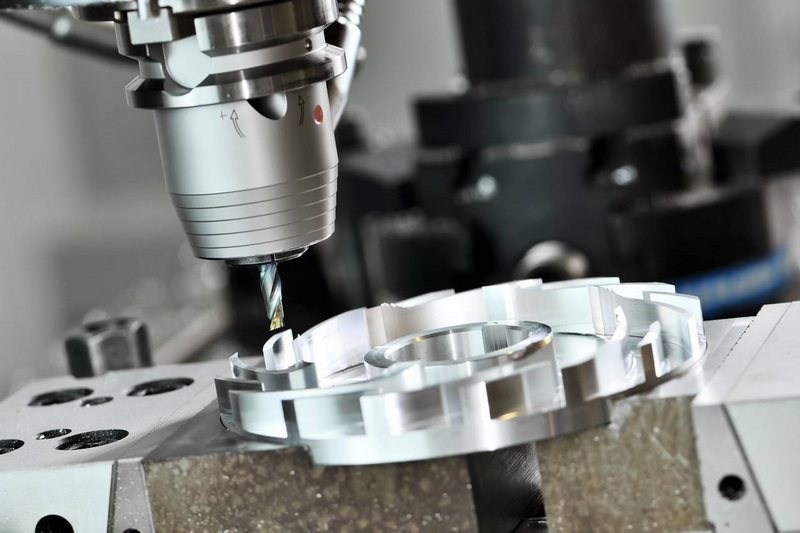
5-axis machining refers to a manufacturing process where a cutting tool moves across five different axes simultaneously. Unlike 3-axis machining, which moves in X, Y, and Z directions, 5-axis machines can rotate on two additional axes (usually A and B), enabling complex geometries to be machined in a single setup.
The benefits include:
- Greater precision and complexity: Allows machining of intricate and curved shapes with high tolerance.
- Reduced setup times: Fewer setups mean less chance of errors and quicker turnaround.
- Improved surface finish and accuracy: Achieved by continuous tool contact at optimal angles.
- Cost-effectiveness: Fewer setups and less manual intervention reduce labor costs.
These advantages make 5-axis machining indispensable in industries like aerospace, medical devices, automotive, and consumer electronics.
Outsourcing to a professional supplier offers advantages like access to advanced machinery without capital investment, expert engineering support, scalability for batch sizes, and quality assurance protocols. However, the quality of outsourcing depends largely on the supplier's capabilities, experience, and infrastructure.
A capable 5-axis machining supplier should possess modern, high-precision CNC machines from reputable brands. Check if they have:
- High-speed spindles for efficient cutting
- A variety of machine sizes suited to your part dimensions
- Quality tool changers and probing systems for automation and accuracy
- Ability to handle diverse materials including metals, plastics, and composites
Experience matters. Prioritize suppliers who demonstrate:
- Expertise in the specific industry you serve
- Case studies or portfolios showing successful projects with 5-axis machining
- Skilled engineering teams that can help optimize part design for manufacturability
Quality assurance is vital. A trusted supplier will have:
- ISO 9001 or other relevant quality certifications
- In-house metrology labs with CMM (Coordinate Measuring Machines)
- Clear processes for inspections at various production stages
- Traceability systems for materials and batches
Check if the supplier offers:
- Rapid prototyping to test before mass production
- Capabilities for batch production and quick turnaround
- Custom finishing, assembly, and packaging services
Transparent and responsive communication is crucial when outsourcing overseas. Evaluate:
- Multilingual support and engineering consultation
- Online portals or software for real-time project tracking
- Willingness to share updates and handle feedback promptly
Nothing beats firsthand evaluation. Request physical prototypes or sample parts. If feasible, visiting the supplier's factory provides insights into their operational standards and professionalism.
In addition to 5-axis machining, some suppliers, like Shangchen, offer complementary services such as:
- CNC rapid prototyping for design verification
- Lathe turning for cylindrical parts
- Sheet metal fabrication
- 3D printing
- Mold production
Choosing a one-stop supplier can streamline your supply chain and reduce coordination efforts.
Discuss pricing models in advance to avoid surprises. Some tips:
- Ask for detailed quotes, breaking down tooling, labor, material, and finishing costs
- Beware of quotes that seem too low—quality often demands investment
- Consider total cost of ownership including shipping, tariffs, and customs handling
- Quality variability: Mitigate by demanding quality certifications and audits.
- Communication barriers: Use bilingual project managers or translation apps.
- Delivery delays: Insist on agreed lead times and penalties for delays.
- Cultural differences: Approach with respect and clear documentation.
Choosing the right 5-axis machining supplier is a strategic decision that can make or break your manufacturing project. By carefully evaluating machine technology, experience, quality protocols, communication, and overall capabilities, you position your brand for success. Partnering with seasoned factories like Shangchen that offer comprehensive services—including rapid prototyping, CNC machining, batch production, and mold manufacturing—provides an edge in competitive markets. Transparency, flexibility, and quality control remain the foundation of a fruitful supplier partnership.

5-axis machining can handle a wide range of materials including aluminum, steel, titanium, plastics, composites, and exotic alloys, making it versatile for many industries.
By moving the part or tool on additional axes, 5-axis machines can maintain optimal cutting angles, reduce tool wear, and machine complex geometries in a single setup, resulting in better surface finish and precision.
Yes, it minimizes the number of setups and manual interventions, significantly reducing production lead times while improving accuracy and quality.
Look for ISO 9001 quality management certification and industry-specific standards that ensure consistent quality and traceability.
While not mandatory, visiting provides assurance of operational standards, quality control, and the supplier's commitment to your project. Remote audits and digital reviews are also common alternatives.

