
Views: 222 Author: Amanda Publish Time: 2025-12-16 Origin: Site


Content Menu
● What Is Rapid Prototyping for Electronic Assemblies?
● The Strategic Value of Rapid Prototyping
● Core Ways Suppliers Support Rapid Prototyping
● Fast PCB Fabrication and Assembly for Rapid Prototyping
● Mechanical Support: CNC Machining, Turning, and Sheet Metal
● 3D Printing and Additive Manufacturing in Rapid Prototyping
● Mold Making, Vacuum Casting, and Bridge Production
● Engineering Collaboration and DFM During Rapid Prototyping
● Quality Assurance and Testing for Rapid Prototyping Electronic Assemblies
● Project Management and Communication in Rapid Prototyping
● How Integrated Suppliers Like Shangchen Support OEMs
● Best Practices for OEMs Working with Rapid Prototyping Suppliers
● FAQ
>> Q1. What does rapid prototyping mean for electronic assemblies?
>> Q2. How fast can suppliers deliver rapid prototyping PCB assemblies?
>> Q3. Why combine CNC machining and sheet metal with rapid prototyping electronics?
>> Q4. How does DFM improve rapid prototyping outcomes?
>> Q5. What advantages do integrated rapid prototyping suppliers in China offer to overseas OEMs?
Rapid prototyping for electronic assemblies depends heavily on professional suppliers who can turn 3D models, PCB layouts, and mechanical designs into functional prototypes in days instead of weeks. In practice, this means integrating PCB fabrication, SMT assembly, CNC machining, sheet metal fabrication, rapid prototyping 3D printing, and molding into one coordinated supply chain that supports rapid prototyping and later bridges to mass production.
Rapid prototyping in electronics is the fast fabrication of PCB boards and complete electronic assemblies so engineers can validate design, functionality, and manufacturability before mass production. This process typically compresses development cycles from several weeks down to a few days, which is critical for aggressive time‑to‑market targets in competitive consumer, industrial, and automotive markets.
Rapid prototyping electronic assemblies usually covers several elements at once: PCB manufacturing, PCB assembly, interconnects and cable harnesses, and supporting mechanical parts such as housings, brackets, and heat sinks. When these activities are managed by one strong supplier, OEMs avoid delays from multi‑vendor communication and can iterate rapidly through multiple hardware versions during concept, engineering validation, and design verification stages.
For modern hardware companies, rapid prototyping is not just a technical step but a strategic capability that directly affects market success. Fast, reliable rapid prototyping enables more design iterations, which almost always leads to better performance, lower cost, and higher reliability when the product reaches mass production.
Rapid prototyping also reduces project risk by exposing potential failures early, when design changes are still simple and inexpensive. Instead of discovering assembly problems, overheating, or EMC issues during pre‑production, engineering teams can address them in the first or second rapid prototyping build and lock a more mature design before investing in tooling and large‑scale procurement.
Suppliers that specialize in rapid prototyping electronic assemblies support OEMs in four main dimensions: speed, engineering collaboration, flexible manufacturing technologies, and quality control matched to future production needs. They invest in fast‑track quoting, dedicated rapid prototyping lines, and streamlined material procurement to reduce waiting time at every development step.
These suppliers also align rapid prototyping workflows with design‑for‑manufacturing (DFM), design‑for‑assembly (DFA), and design‑for‑test (DFT) reviews so that each rapid prototyping run feeds directly into a more robust and scalable production design. This approach helps electronics brands minimize redesign cycles, cut rework cost, and move confidently from proof‑of‑concept to pilot and mass production.
For electronic assemblies, PCB fabrication and assembly usually sit at the core of rapid prototyping. Many EMS and PCB specialists now offer quick‑turn PCB prototyping with capabilities such as multilayer boards, HDI structures, controlled impedance, and mixed‑technology assembly to support advanced designs in RF, high‑speed digital, and power electronics.
Key features that suppliers offer to accelerate PCB‑related rapid prototyping include:
- Instant or 24–48 hour online quoting for PCB and assembly based on Gerber, ODB++ and BOM files, so project teams can launch rapid prototyping builds without commercial delays.
- Prototype quantities ranging from a single board up to a few hundred assemblies, ideal for EVT samples, DVT pilot runs, and small customer demo batches.
- Dedicated rapid prototyping assembly lines using flexible SMT placement equipment that can handle cut‑tape, trays, and reels with minimal setup time and frequent line changeovers.
- Short standard lead times, often 24–72 hours for simple assemblies and around 5–10 working days for more complex rapid prototyping builds with special processes or testing.
Suppliers supporting rapid prototyping also help OEMs secure electronic components quickly through in‑house inventory and strong distributor relationships. Their procurement teams cross‑check BOMs, identify lifecycle risks, propose equivalent components where necessary, and ensure that parts selected for rapid prototyping will still be available when the project scales up to mass production.
Electronic assemblies always sit inside a mechanical structure, so rapid prototyping must cover not only the electronics but also enclosures, thermal management hardware, connectors, and structural components. Suppliers with CNC machining, CNC lathe turning, and sheet metal capabilities can rapid prototyping metal and plastic parts in parallel with the electronics, enabling full functional samples for mechanical tests, drop tests, and certification.
Common mechanical rapid prototyping services that support electronic assemblies include:
- CNC machining of aluminum, stainless steel, copper alloys, and engineering plastics for housings, back plates, heat sinks, and precision mounting frames.
- CNC lathe turning for shafts, bushings, spacers, threaded components, and custom connector bodies that integrate mechanically with PCB assemblies.
- Sheet metal fabrication for 19‑inch racks, internal chassis, mounting plates, EMC shielding covers, and brackets used in industrial control cabinets or communication equipment.
By combining these mechanical capabilities with rapid prototyping electronics, suppliers help OEMs validate fit, thermal performance, EMC behavior, and assembly ergonomics before committing to expensive tooling. This integrated rapid prototyping approach is especially important for industries like robotics, automotive, medical devices, new energy systems, and industrial automation where electronics and mechanics are tightly coupled.
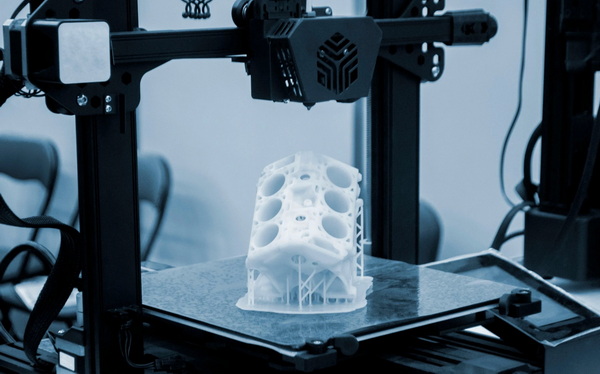
3D printing adds another powerful layer to rapid prototyping for electronic assemblies by enabling fast, low‑cost fabrication of complex geometry parts without tooling. Suppliers use polymer and sometimes metal additive manufacturing to provide enclosures, fixtures, jigs, and functional parts that can be produced overnight and easily modified from one rapid prototyping build to the next.
During rapid prototyping, 3D printing is often used for:
- Concept enclosures and cosmetic mock‑ups to evaluate industrial design, ergonomics, and branding before hard tooling.
- Functional housings and brackets produced in engineering polymers that come close to injection‑molded performance, allowing realistic testing of clips, snap‑fits, and screw bosses.
- Test fixtures, nests, and assembly jigs that support PCB functional test and system‑level test without waiting for machined or molded tooling.
Because 3D printing requires no mold investment, it is a natural fit for rapid prototyping stages where designs may change several times per week. Suppliers that combine rapid prototyping 3D printing with CNC machining and sheet metal fabrication can choose the most efficient process for each part while still supporting a single integrated rapid prototyping workflow for the customer.
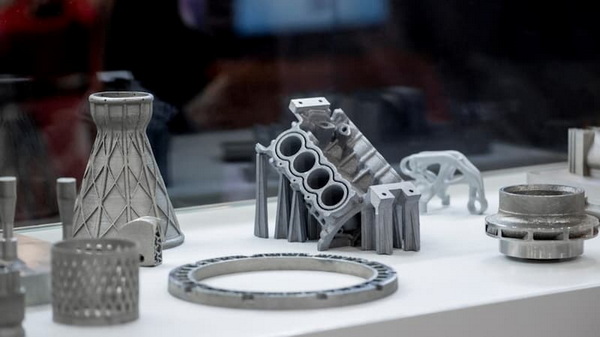
When an electronic assembly moves beyond early rapid prototyping into design validation and pilot‑run stages, suppliers often introduce soft tooling, simple molds, or low‑volume production tooling. These tools support bridge manufacturing—volumes that are higher than typical rapid prototyping quantities but still below full mass production.
Typical options include:
- Silicone molds and vacuum casting to replicate plastic housings or covers in small batches, using a master pattern produced by CNC machining or 3D printing.
- Simple aluminum injection molds that support rapid prototyping of production‑grade plastic parts with limited cavity life but very short lead time compared with full hardened steel tools.
- Progressive refinement of tooling design based on feedback from assembled rapid prototyping units, improving parting lines, gate positions, draft angles, and ejection systems before final tooling.
These mold‑based processes help OEMs verify how rapid prototyping designs behave when produced with real manufacturing processes similar to the final mass production method. Suppliers that can run vacuum casting, injection molding, and post‑machining under one roof provide a smooth transition from rapid prototyping to stable, repeatable production runs.
Leading suppliers do much more than manufacture parts; they also provide engineering collaboration to optimize designs for rapid prototyping and for long‑term production. This often includes early DFM reviews of PCB layouts, component selection, stack‑up and impedance, mechanical tolerances, and assembly steps before the first rapid prototyping build is launched.
During rapid prototyping stages, suppliers may:
- Recommend modifications to pad sizes, trace widths, solder mask clearances, and component spacing to improve solderability and assembly yield.
- Suggest alternative components with better availability, higher reliability, or more favorable cost that still meet performance requirements and safety standards.
- Adjust tolerances, fillets, wall thicknesses, and draft angles on mechanical parts to fit chosen manufacturing processes such as CNC machining, die‑casting, or injection molding, making later production more stable.
This collaborative rapid prototyping process reduces the risk of late‑stage design changes and helps teams avoid quality issues that only appear when quantities rise. It also ensures that each generation of rapid prototyping builds is closer to a production‑ready design, shortening the overall development timeline and lowering total project cost.
Even during rapid prototyping, quality assurance remains crucial for electronic assemblies where failures can hide real design issues or generate misleading test data. Professional suppliers therefore implement structured inspection and testing processes even at low rapid prototyping quantities to copy the discipline of mass production.
Common QA practices for rapid prototyping electronic assemblies include:
- Automated optical inspection (AOI) and X‑ray inspection for fine‑pitch components, BGAs, and other hidden solder joints on rapid prototyping boards.
- Electrical test, boundary‑scan, functional test, and sometimes in‑circuit test (ICT) on prototype assemblies to validate performance and verify firmware or calibration procedures.
- Dimensional inspection of CNC‑machined and sheet metal parts using CMMs, vision systems, and gauges to ensure that mechanical interfaces remain stable from one rapid prototyping batch to the next.
Suppliers focused on rapid prototyping highlight advanced inspection, digital measurement, and strict process control as part of their CNC and machining services, ensuring consistent quality from first prototype through later production. This focus on quality helps OEMs trust that rapid prototyping results reflect true design behavior rather than random manufacturing defects.
Strong project management is another way suppliers support rapid prototyping electronic assemblies. Tight schedules, frequent design revisions, and multi‑discipline coordination require clear communication channels between the OEM's engineering team and the supplier's project engineers.
Best‑in‑class rapid prototyping suppliers assign dedicated project managers who:
- Track all engineering changes and make sure updated Gerbers, CAD models, and BOMs are correctly implemented in each rapid prototyping run.
- Provide transparent schedule information, including material arrival, production windows, and expected shipping dates, so the OEM can plan internal testing and reviews.
- Coordinate internal teams across PCB fabrication, SMT, machining, sheet metal, 3D printing, and molding to keep every rapid prototyping step aligned with project priorities.
Effective communication avoids confusion and rework, which is especially important when customers place multiple overlapping rapid prototyping orders for different versions of the same product platform.
Integrated suppliers that offer rapid prototyping, CNC machining, lathe turning, sheet metal fabrication, vacuum casting, rapid prototyping 3D printing, and injection molding give OEMs a single partner for the full mechanical side of electronic assemblies. One example is a Chinese rapid manufacturing factory that positions itself as a provider of customized rapid prototyping and CNC machining services for global clients.
For OEM customers of electronic products, such a supplier can:
- Rapid prototyping metal and plastic housings, brackets, and precision parts that mate with PCB assemblies to create complete functional prototypes ready for field testing or customer demos.
- Support low‑volume pilot production with stable process control and testing methods already validated during rapid prototyping stages, ensuring that early shipments behave like future mass‑production lots.
- Serve multiple industries—including aviation, automotive, robotics, industrial equipment, automation, medical devices, new energy, and consumer products—where electronic assemblies demand robust mechanical integration and precise tolerances.
By partnering with an integrated rapid prototyping and manufacturing supplier, OEMs streamline communication, reduce logistics complexity, and maintain consistent quality standards from the first prototype through to large‑scale OEM production. This model is particularly effective for foreign brands, wholesalers, and manufacturers that source OEM services from China and need both speed and flexibility throughout the rapid prototyping and product launch cycle.
To fully benefit from supplier support for rapid prototyping electronic assemblies, OEMs should treat the supplier as an extension of their engineering and operations teams rather than just a vendor. Early, detailed communication about design intent, performance requirements, regulatory standards, and forecasted volumes allows the supplier to choose appropriate processes and materials for each phase of rapid prototyping and later production.
Practical best practices include:
- Sharing complete, up‑to‑date CAD data, Gerber files, BOMs, assembly drawings, and test specifications at the start of each rapid prototyping iteration, and clearly marking revisions.
- Accepting DFM, DFT, and material recommendations from the supplier and updating design files quickly, so that rapid prototyping schedules are not delayed by unclear decisions.
- Planning a staged roadmap from proof‑of‑concept rapid prototyping to engineering validation, design validation, pilot runs, and then mass production, ideally using the same integrated supplier to preserve process knowledge and quality consistency.
When OEMs follow these approaches, suppliers can respond faster, reduce errors, and deliver more value across the entire product lifecycle, not only during the earliest rapid prototyping builds. That integration turns rapid prototyping from a cost center into a powerful accelerator for innovation and market entry.
Suppliers play a central role in rapid prototyping electronic assemblies by merging fast PCB fabrication and assembly with mechanical manufacturing, rapid prototyping 3D printing, and early tooling support. Through quick‑turn processes, engineering collaboration, advanced quality systems, and strong project management, they help OEMs iterate designs rapidly, validate performance, and transition smoothly from rapid prototyping to mass production. Integrated manufacturers in China that provide CNC machining, sheet metal fabrication, vacuum casting, 3D printing, and molding demonstrate how one partner can deliver end‑to‑end rapid prototyping of both electronics and mechanical parts, supporting global brands, wholesalers, and producers with OEM services that reduce risk and time‑to‑market while maintaining high quality.
Rapid prototyping for electronic assemblies means quickly producing PCB boards and fully assembled electronics so that engineers can test function, performance, and manufacturability before committing to mass production. It covers PCB fabrication, SMT assembly, component sourcing, and often mechanical parts, allowing complete devices to be evaluated within days rather than weeks.
Specialized suppliers often deliver rapid prototyping PCB assemblies in 24–72 hours for simple designs and within several working days for more complex projects. Actual lead time depends on board complexity, component lead times, testing needs, and how quickly the customer provides complete manufacturing data for the rapid prototyping build.
Combining CNC machining, lathe turning, and sheet metal fabrication with rapid prototyping electronics allows OEMs to test realistic devices instead of bare boards. With this integrated rapid prototyping approach, teams can verify mechanical fit, heat dissipation, shielding, assembly processes, and user interaction, which all strongly influence product success in the market.
Design‑for‑manufacturing reviews during rapid prototyping identify layout issues, component risks, and mechanical constraints while changes are still cheap and fast. By applying DFM early and repeatedly, each rapid prototyping iteration removes potential production problems, making the design more robust and shortening the time needed to reach stable mass production.
Integrated Chinese suppliers that provide rapid prototyping, CNC machining, sheet metal, 3D printing, vacuum casting, and molding under one roof simplify sourcing and communication for overseas OEMs. They shorten lead times, reduce logistics complexity, offer competitive pricing, and maintain consistent quality from early rapid prototyping through full OEM production, which is especially valuable for brands scaling new products globally.

