
Views: 222 Author: Amanda Publish Time: 2025-09-27 Origin: Site


Content Menu
● What is Rapid Prototyping and How Does 3D Printing Fit In?
● Key Advantages of Using 3D Printing in Rapid Prototyping
>> Enhanced Testing and Validation
>> Customization and Small-Batch Production
● Common 3D Printing Technologies Used in Rapid Prototyping
● How OEM Providers Like Shangchen Enable Global Brands
● Practical Applications and Success Stories
● Challenges and Strategies to Overcome Them
● The Future of Rapid Prototyping with 3D Printing
● Frequently Asked Questions (FAQs)
>> 1. What distinguishes rapid prototyping with 3D printing from traditional prototyping methods?
>> 2. How much faster can 3D printing make the product development process?
>> 3. Are 3D printed prototypes suitable for functional testing?
>> 4. Can 3D printing replace all traditional manufacturing methods?
>> 5. How do OEM providers like Shangchen enhance the benefits of rapid prototyping?
In today's fast-paced business environment, the ability to rapidly develop and launch new products is a critical competitive advantage. Traditional product development methods often involve lengthy timelines and high costs due to tooling, manufacturing setup, and iteration cycles. Rapid prototyping with 3D printing has emerged as a game-changing technology that accelerates product development by enabling designers and manufacturers to quickly create precise, functional prototypes directly from digital designs. This article explores the transformative role of 3D printing in rapid prototyping, details its benefits, highlights the challenges and solutions, and explains how OEM service providers like Shangchen are using these advanced capabilities to serve global clients efficiently.
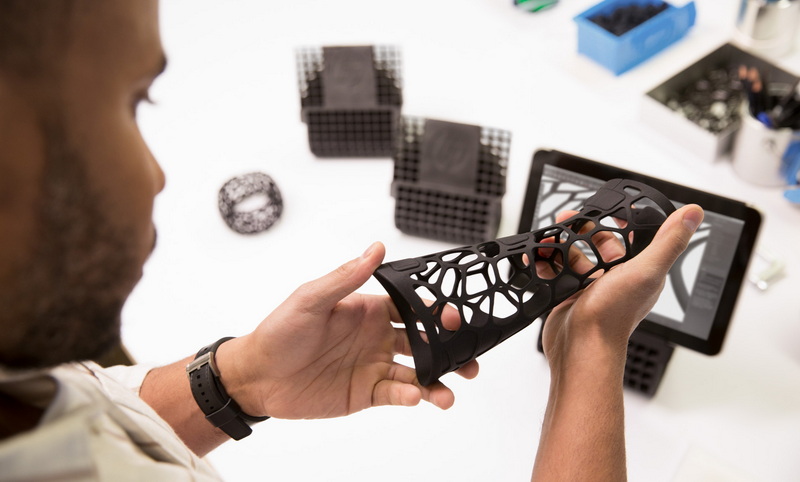
Rapid prototyping is a development process that allows creation of physical prototypes quickly and economically, enabling early testing and modification of design concepts. This approach contrasts with traditional prototyping, which might require time-consuming machining, molding, or casting.
3D printing, or additive manufacturing, is central to rapid prototyping. It builds parts layer-by-layer from digital 3D models, which allows for rapid fabrication of parts with complex geometries and high detail that would be very difficult or impossible with conventional manufacturing methods. 3D printing thus removes many previous constraints on prototype creation, speeding up iterations and improving product quality throughout development.
One of the most obvious benefits of 3D printing in rapid prototyping is speed. While traditional methods such as CNC machining or injection molding can take several weeks to prepare tooling and produce initial prototypes, 3D printing can generate parts directly from CAD data within hours or days. This accelerated pace allows for more design iterations, reducing the time to final product launch significantly.
Traditional prototyping often requires expensive molds, fixtures, and CNC setups, which increase upfront costs. 3D printing eliminates the need for custom tooling, reducing costs dramatically especially for small batches or complex parts. Manufacturers can produce multiple iterations without major financial penalties, allowing thorough testing and optimization.
3D printing provides remarkable design flexibility. It can produce complex internal channels, lattice structures, and organic shapes with minimal additional cost. Such capabilities empower designers to innovate and experiment beyond traditional manufacturing constraints.
By producing physical models quickly, 3D printing allows teams to conduct real-world tests on fit, form, and function much sooner. Early identification of design flaws or usability issues helps avoid costly errors downstream during mass production.
For brands or wholesalers who want to test products in niche markets or create personalized items, rapid prototyping with 3D printing enables low-volume production runs without lengthy lead times. This responsiveness to market demands supports agile business strategies.
There are several major 3D printing methods suited for different prototyping needs:
- Stereolithography (SLA): This technology uses ultraviolet (UV) lasers to cure liquid resin layer by layer. SLA produces highly detailed parts with smooth surface finishes, making it ideal for visual prototypes and design verification.
- Selective Laser Sintering (SLS): SLS uses a laser to fuse powdered materials, such as nylon or metal, creating durable, functional parts suited for mechanical testing and end-use simulations.
- Fused Deposition Modeling (FDM): FDM works by extruding molten thermoplastics through a nozzle, building parts layer-wise. It is cost-effective and widely used for durable, functional prototypes.
- PolyJet Printing: This method jets photopolymer droplets cured by UV light, enabling multi-material and multi-color prototypes that closely mimic production parts.
By selecting the right technology, OEM providers can tailor rapid prototyping services to meet diverse product development requirements.

OEM factories that specialize in rapid prototyping and manufacturing play an indispensable role in accelerating product development for international brands, wholesalers, and producers.
Shangchen, for example, offers integrated services including 3D printing, CNC machining, precision batch production, sheet metal fabrication, and mold manufacturing. This comprehensive approach ensures seamless transitions from prototype design to pilot production and full-scale manufacturing.
Their expertise in multiple materials and production techniques addresses the common limitations of 3D printing alone. For instance, when larger or higher-strength parts are required, Shangchen combines additive manufacturing with precision CNC machining or injection molding. This hybrid method delivers prototypes and final parts that meet stringent functional and aesthetic standards.
Additionally, the factory's experience working with overseas clients enables smooth communication, effective quality control, and timely logistics, critical for meeting tight product launch deadlines.
Many product categories stand to benefit from rapid prototyping with 3D printing, including:
- Consumer electronics accessories
- Automotive components
- Medical devices and equipment
- Industrial tools and machinery parts
- Home goods and custom fittings
In a recent example, a foreign consumer electronics brand used 3D printing supported by CNC machining from Shangchen to accelerate its product development. By leveraging rapid prototyping to test multiple design iterations rapidly, the brand cut their development timeline by approximately 60%, reduced prototyping costs by 35%, and improved overall product quality through early functional testing. This resulted in a faster, smoother market launch with fewer post-launch issues.
While 3D printing accelerates development, some challenges remain:
- Material Properties: 3D printed materials may not always perfectly replicate the mechanical or thermal properties of final production materials, which can limit prototype functional accuracy.
- Part Size Limitations: Large prototypes might require printing in sections with subsequent assembly, which can add complexity.
- Surface Finish and Post-Processing: Some 3D printing methods require additional surface treatments to achieve the desired finish or mechanical properties, which add time and cost.
OEMs like Shangchen mitigate these challenges by offering a broad selection of materials—including engineering-grade plastics, metals, and composites—and combining 3D printing with other manufacturing techniques for improved strength and finishes. Their skilled post-processing capabilities ensure prototypes meet precise visual and functional requirements.
As 3D printing technologies continue to evolve, their influence on the product development lifecycle will only grow. Emerging advancements such as multi-material printing, faster production speeds, expanded material libraries, and more affordable printers will further lower barriers for companies of all sizes.
OEM service providers that invest in cutting-edge additive manufacturing equipment and integrate these options with traditional manufacturing will remain key partners for brands aiming to innovate rapidly and efficiently.
Rapid prototyping with 3D printing is transforming product development by drastically shortening lead times, reducing costs, and unlocking innovative design possibilities. Businesses that leverage this technology gain a significant edge through efficient iteration, early testing, and flexibility to respond to market demands. OEM providers like Shangchen combine 3D printing with complementary manufacturing services to deliver comprehensive, high-quality solutions tailored to global clients. As 3D printing continues its advancement, embracing rapid prototyping will remain essential for companies focused on faster, smarter product innovation.
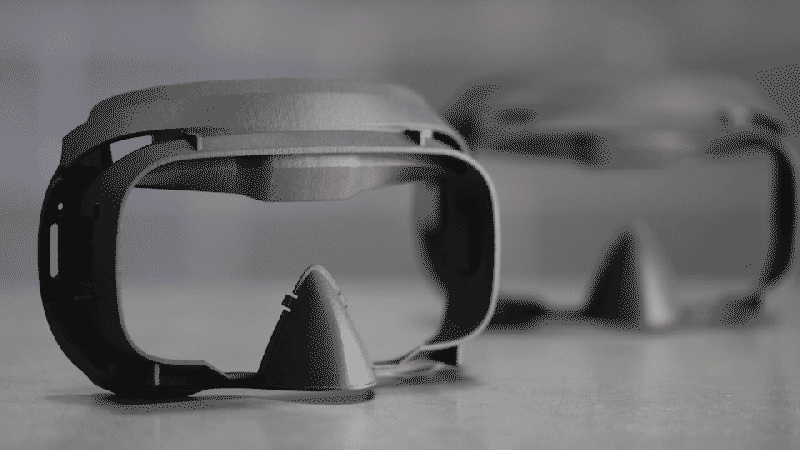
Rapid prototyping uses additive manufacturing to create physical models directly from digital designs quickly and without tooling, whereas traditional prototyping often involves machining or molding processes that are slower and costlier.
3D printing can reduce prototype production from weeks or months to hours or days, enabling multiple iterations within a much shorter timeframe and thus accelerating the entire development cycle.
Depending on the printing technology and materials used, many 3D printed prototypes are strong enough for functional testing, helping validate design and performance before mass production.
While 3D printing excels in prototyping and low-volume production, traditional methods like injection molding or CNC machining are often preferred for large-scale manufacturing due to cost, speed, and material considerations.
By combining 3D printing with CNC machining, sheet metal fabrication, and mold production, OEMs offer end-to-end solutions that ensure prototypes can seamlessly transition to full-scale manufacturing with consistent quality.

