
Views: 222 Author: Amanda Publish Time: 2025-12-30 Origin: Site


Content Menu
● What Is CNC Machining and Why Learn It?
● Core Skills Needed for CNC Machining
● Free Online Platforms to Learn CNC Machining
>> Open Educational Content and Video Tutorials
● Professional Online CNC Machining Courses
>> Haas CNC Certification Program
>> camInstructor CNC Programming Course
>> G-Code Tutor Professional Courses
>> General E-learning Platforms
● College and Technical School CNC Machining Programs
>> Community College CNC Machining Certificates
>> Precision Machining Degree Programs
>> Specialized CNC Machining Training Institutes
● VR, Simulation, and Digital Tools in CNC Machining Education
● On-the-Job CNC Machining Training and Apprenticeships
● Learning CNC Machining for Engineers, Buyers, and OEM Brands
● Partnering With a Professional CNC Machining Supplier
● How to Choose the Right CNC Machining Learning Path
● Common Mistakes When Learning CNC Machining
● FAQ About Learning CNC Machining
>> 1. How long does it take to learn CNC Machining?
>> 2. Do I need a degree to work in CNC Machining?
>> 3. Can I learn CNC Machining completely online?
>> 4. What basic tools or software should I learn for CNC Machining?
>> 5. How can overseas brands use CNC Machining without owning machines?
CNC Machining is one of the most in-demand manufacturing skills in the global industrial supply chain, and there are many high-quality ways to learn it both online and offline. Whether the goal is to become a CNC Machining operator, programmer, or to better manage outsourced CNC Machining suppliers like Shangchen, choosing the right learning path is critical.[1][2]

CNC Machining (Computer Numerical Control Machining) is a subtractive manufacturing process where cutting tools are precisely controlled by computer programs to remove material from a workpiece and create complex parts. CNC Machining is widely used in automotive, aerospace, medical devices, consumer electronics, industrial machinery, and many other sectors that require precision components.[2][3]
Learning CNC Machining helps you:
- Understand how CNC Machining mills, lathes, and machining centers turn CAD models into real parts.[2]
- Communicate more effectively with CNC Machining suppliers and evaluate quality, tolerances, and costs.[3]
- Improve product development cycles using rapid prototyping, small-batch CNC Machining, and iterative design.[3]
Before deciding where to learn CNC Machining, it helps to know the core skill areas that any serious training path should cover. Effective CNC Machining training normally combines both theoretical knowledge and practical machine experience.[4][2]
Essential CNC Machining skills include:
- Reading engineering drawings and understanding tolerances and GD&T.[2]
- Basic and applied math (trigonometry, feeds and speeds, toolpath calculations) for CNC Machining programs.[4]
- G-code programming fundamentals for CNC Machining lathes and mills.[5]
- CAD/CAM workflow: designing parts and generating toolpaths for CNC Machining processes.[2]
- Workholding, tooling selection, cutting parameters, and shop safety for CNC Machining operations.[4]
Beyond these basics, advanced CNC Machining skills often cover:
- Multi-axis CNC Machining, including 4-axis and 5-axis toolpath strategies.[6]
- Process optimization, cycle-time reduction, and tool life management in CNC Machining environments.[7]
- Integration of CNC Machining with inspection systems such as CMM and in-process probing.[2]
Free online resources are a powerful starting point for CNC Machining beginners, hobbyists, and engineers who want to understand the basics before paying for advanced training. Many of these platforms offer structured CNC Machining lessons, videos, and downloadable practice files to help learners progress step by step.[1]
TITANS of CNC: Academy offers a complete library of free CNC Machining courses covering basic concepts, CAD/CAM, and advanced multi-axis machining. Learners can access step-by-step videos, 3D models, and project-based CNC Machining lessons without any subscription fees.[6][1]
Key advantages:
- Structured CNC Machining learning tracks from beginner to advanced.[1]
- Real-world CNC Machining projects that mirror shop-floor work and industrial part production.[1]
- Emphasis on modern CNC Machining strategies such as high-efficiency roughing and 5-axis machining.[6]
CNC Cookbook provides a collection of free online CNC Machining training guides, including courses on G-code, feeds and speeds, workholding, and CNC Machining productivity. These materials are ideal for self-paced learners and engineers who want to deepen knowledge around CNC Machining process optimization.[7]
Benefits:
- Focus on practical CNC Machining topics like cutting parameters, chatter control, and tool life.[7]
- Tools such as feeds and speeds calculators that support daily CNC Machining decision-making.[7]
Some university open-course materials cover machining fundamentals, manufacturing processes, and CAD/CAM that support CNC Machining learning. In addition, many expert machinists operate video channels sharing CNC Machining tutorials, setup tips, and troubleshooting content.[1]
Advantages:
- Free theoretical foundation that supports CNC Machining practice and shop work.[1]
- Visual demonstrations of CNC Machining setups, workholding options, tool changes, and cutting strategies.[1]
For people who want a deeper, job-ready skill set, structured online CNC Machining courses with exams, certificates, and instructor support are a strong option. These programs often cover everything from basics to advanced CNC Machining programming and can complement practical shop experience.[8]
The Haas Certification Program provides online courses designed to give basic knowledge for CNC Machining operators and machinists. Learners can study CNC Machining safety, machine components, control operation, and basic programming on Haas equipment.[9]
Highlights:
- Recognized CNC Machining brand, useful if your shop or supplier uses Haas machines.[9]
- Online modules that provide a foundation before hands-on CNC Machining training in a lab or factory.[9]
camInstructor offers an online CNC Machining programming course that includes self-guided videos, printable workbooks, and exercises aligned with NIMS certification preparation. The course focuses on practical CNC Machining programming skills, including G-code and CAM workflows.[10]
Benefits:
- Clear step-by-step CNC Machining lessons for beginners and intermediate users.[10]
- Includes drawings and exercises to practice real CNC Machining programs for milling and turning.[10]
G-Code Tutor provides a series of professional G-code training courses that help students master CNC Machining programming for milling machines, lathes, and machining centers. These courses concentrate on writing, understanding, and editing G-code for CNC Machining across different machine types.[5]
Strengths:
- Focused entirely on G-code for CNC Machining, from beginner to expert level.[5]
- Recommended by machining communities as a trusted online resource for CNC Machining programming.[5]
E-learning platforms host various CNC Machining related courses covering programming, machine operation, design principles, and precision measurement. Many CNC Machining courses on these platforms can be audited for free, with optional paid certificates for those needing formal proof of completion.[11]
Advantages:
- Flexible schedules and modular CNC Machining learning paths that can fit around work.[11]
- Exposure to broader manufacturing and engineering topics that complement CNC Machining skills.[11]
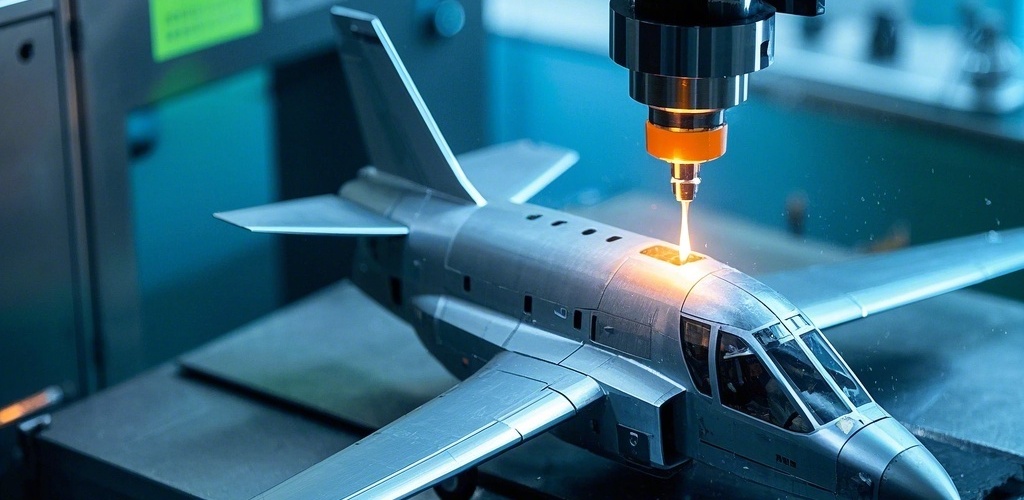
If someone plans a long-term career as a machinist, CNC Machining technician, or manufacturing engineer, formal college or technical school programs can be very valuable. These programs usually combine classroom teaching with hands-on CNC Machining lab work on industrial machines.[12][2]
Community colleges such as Clackamas Community College offer CNC operator certificates that can be completed in less than a year. Students learn manual and CNC Machining operation, blueprint reading, technical math, and safety.[13]
Key points:
- Short-term CNC Machining certificates that prepare students for entry-level jobs in manufacturing.[13]
- Clear paths to one-year or two-year degrees in machining or manufacturing technology for career growth.[13]
Schools like Everett Community College provide Precision Machining programs that include CNC programming, CAD/CAM, advanced machining techniques, and quality control. Learners gain hands-on experience with CNC Machining centers while also studying measurement and inspection.[2]
Benefits:
- Comprehensive coverage of CNC Machining from manual machining fundamentals to complex programming.[2]
- Strong preparation for working in aerospace, automotive, energy, and general manufacturing sectors.[2]
Dedicated technical schools and institutes offer focused CNC Machining technology programs with intensive shop practice. For example, some programs run for around 36 weeks and train students in blueprint reading, GD&T, and the setup and operation of CNC Machining lathes and mills.[3]
Advantages:
- High level of hands-on CNC Machining training in real or simulated shop environments.[3]
- Direct alignment with industry job requirements for CNC Machining operators and technicians.[3]
Modern CNC Machining training increasingly uses simulators and virtual reality to reduce risk and cost while students practice. These tools allow learners to build confidence in CNC Machining sequence, toolpath visualization, and safety before touching a real machine.[14][15]
Typical benefits:
- Safe environment to experiment with CNC Machining toolpaths, offsets, work coordinate systems, and setups.[15]
- Faster learning curve when combined with real CNC Machining lab sessions or factory-based practice.[14]
In addition, CNC Machining software vendors frequently include built-in machine simulation tools that let students test programs virtually. This reduces the chance of crashes and helps learners understand how CNC Machining code translates into motion and cutting actions.[7]
Many machinists develop their CNC Machining skills through apprenticeships and structured on-the-job training. In this model, trainees start with simple tasks and gradually take on more complex CNC Machining programming and setup work under supervision.[12]
Advantages:
- Real production experience using CNC Machining to make actual customer parts with industrial quality standards.[12]
- Direct exposure to quality control, process optimization, and production scheduling related to CNC Machining.[2]
Companies that run strong apprenticeship programs often rotate trainees through manual machining, CNC Machining setup, programming, inspection, and maintenance. This rounded exposure builds deep understanding of how CNC Machining fits into the broader production system.[12][2]
Even if the goal is not to personally operate machines, understanding CNC Machining is very valuable for engineers, OEM brands, and purchasing teams that work with suppliers. This knowledge improves communication, cost control, and the success rate of new product development using CNC Machining.[3][2]
Key reasons:
- Better design-for-manufacturing decisions for CNC Machining parts, such as wall thickness, tolerances, tool access, and surface finish.[2]
- More accurate evaluation of quotations, lead times, materials, and process options from CNC Machining suppliers.[3]
For global OEM brands, basic CNC Machining knowledge also helps:
- Select suitable partners for rapid prototyping and production machining.[3]
- Avoid design details that are difficult or expensive to achieve with CNC Machining, reducing rework and delays.[2]
For many overseas brands, wholesalers, and manufacturers, the best strategy is to combine theoretical CNC Machining learning with a strong manufacturing partner. A capable supplier can provide engineering feedback, material suggestions, and rapid sampling to support product launches.[3]
Shangchen is a Chinese factory focusing on:
- CNC Machining for precision components in aluminum, steel, stainless steel, and plastics.
- Rapid prototyping, small-batch CNC Machining, and precision mass production for OEM customers.
- Lathe turning, sheet metal fabrication, 3D printing, and mold making for integrated product development.
By collaborating with a supplier like Shangchen while learning CNC Machining, overseas customers can:
- Validate designs through real CNC Machining samples and iterative improvements without heavy capital investment.
- Scale from prototype to volume production without changing partners or manufacturing processes.
This combination lets engineers focus on design and performance while leveraging the supplier's CNC Machining process expertise and local material networks. It also shortens the learning curve because feedback from real CNC Machining projects reinforces theory learned from courses.[2]
Different learners require different combinations of online courses, formal education, and supplier partnerships to master CNC Machining. The right choice depends on budget, time, career goals, and whether you plan to work directly on machines or manage CNC Machining projects.[8][1]
Consider:
- If you are a beginner, start with free CNC Machining platforms such as TITANS of CNC and CNC Cookbook plus introductory G-code courses.[7][1]
- If you aim for a professional machinist career, choose community college or technical school CNC Machining certificates with strong lab components.[13][12]
- If you are an engineer or buyer, combine basic CNC Machining training with long-term cooperation with a reliable CNC Machining factory.[2]
It is also useful to think in stages:
- Foundation: basic machining principles, CNC Machining terminology, safety, and blueprint reading.[2]
- Intermediate: G-code, CNC Machining setup, CAM workflows, and introduction to multi-axis operations.[5]
- Advanced: process optimization, complex CNC Machining strategies, automation, and integration with quality systems.[7]
New learners often make predictable mistakes that slow down progress in CNC Machining, whether in a school, online, or factory environment. Being aware of these issues helps learners advance faster and avoid costly errors.[1][7]
Typical mistakes include:
- Ignoring theory and focusing only on button-pushing, which limits long-term CNC Machining growth.[2]
- Overlooking safety rules and machine limits, creating unnecessary risk in CNC Machining operations.[4]
- Relying only on machine defaults instead of understanding feeds, speeds, and toolpath strategies for CNC Machining.[7]
A balanced training plan keeps both theory and hands-on practice in focus, ensuring that CNC Machining skills are robust and transferable across machines and materials. Regular reflection on errors and learning from experienced machinists also significantly accelerates CNC Machining skill development.[12][2]
Learning CNC Machining today is more accessible than ever, thanks to free online academies, professional e-learning platforms, technical schools, simulators, and apprenticeships. Whether you are a future machinist, design engineer, or OEM brand sourcing parts from China, building a solid understanding of CNC Machining will improve product quality, reduce risk, and strengthen your global supply chain.[1][3]
For overseas brands, wholesalers, and manufacturers, combining structured CNC Machining learning with a skilled OEM partner like Shangchen enables faster prototyping, stable batch production, and long-term product innovation. With the right mix of education and collaboration, CNC Machining becomes not only a manufacturing method, but a strategic capability in modern industrial business.[2]

For basic CNC Machining operation skills, many certificate programs can be completed in less than a year, and some intensive courses run around 36 weeks. To become proficient in CNC Machining programming and advanced processes usually takes several years of combined study and hands-on shop experience.[13][12][3]
A university degree is not strictly required for most CNC Machining operator or technician roles, as many employers accept technical certificates or apprenticeships. However, degrees in manufacturing, mechanical engineering, or related fields can be helpful for higher-level positions that oversee CNC Machining processes and supplier management.[13][2]
You can build a strong theoretical foundation in CNC Machining online through free platforms, paid courses, and simulators, including G-code and CAD/CAM. However, to safely and efficiently run real CNC Machining equipment, hands-on training in a shop, lab, or with an experienced supplier is strongly recommended.[4][5][1]
At minimum, learners should understand a CAD system and a CAM package used to generate toolpaths for CNC Machining, as well as G-code editing and machine control interfaces. Many training resources also use software like Fusion 360 or similar integrated platforms to teach CAD and CAM for CNC Machining projects.[1][2]
Overseas brands can focus on design, marketing, and sales while outsourcing CNC Machining to specialized factories that provide rapid prototyping and batch production. By learning the basics of CNC Machining, these brands can better specify requirements, review drawings, and collaborate with suppliers like Shangchen to achieve reliable OEM production over the long term.
[1](https://cncmachines.com/8-best-free-cnc-machining-classes)
[2](https://www.everettcc.edu/programs/prof-tech-ed/precision-machining)
[3](https://www.uti.edu/programs/cnc-machining)
[4](https://careertraining.conted.northseattle.edu/training-programs/cnc-machinist/)
[5](https://gcodetutor.com)
[6](https://academy.titansofcnc.com)
[7](https://www.cnccookbook.com/online-cnc-training-courses-guides-help/)
[8](https://www.defusco.com/cnc-programming-course-online/)
[9](https://learn.haascnc.com)
[10](https://caminstructor.com/products/cnc-programming-online-course)
[11](https://www.coursera.org/courses?query=cnc)
[12](https://www.batestech.edu/programs/advanced-machining/)
[13](https://www.clackamas.edu/academics/degrees-certificates/cnc-operator-career-pathway)
[14](https://careertraining.cptc.edu/training-programs/cnc-machinist-with-vr-training-vr-headset-v3-included/)
[15](https://renancnc.com/en/blog/1005029717?type=Guide)

