
Views: 222 Author: Amanda Publish Time: 2025-11-06 Origin: Site


Content Menu
● The Basics of Moulding Production
>> Key Steps in the Moulding Production Workflow
● Understanding Lead Times in Moulding Production
>> Mould Production Timeline Breakdown
● What Influences Lead Times in Moulding Production?
>> 1. Complexity of Product Design
>> 2. Mould Design, Materials, and Technology
>> 3. Supplier Capacity and Scheduling
>> 4. Material Procurement and Customization
>> 5. Sampling, Validation, and Revisions
>> 6. Communication and Approval Speed
>> 7. Shipping and Geographical Distance
● Current Best Practices for Reducing Lead Times
>> Early and Efficient Design for Manufacturability
>> Robust Project Management and Scheduling
>> Leveraging Advanced Manufacturing Technologies
● Real-World Examples: Case Studies
>> Streamlined Project (Simple Prototype Tool)
>> Challenging Project (Complex Production Tool)
● Communicating and Managing Expectations
● Quality Assurance Imperatives
● The Role of OEM and Chinese Suppliers
● Frequently Asked Questions (FAQ)
>> 1. What is the typical lead time for a new mould in production?
>> 2. How can buyers speed up moulding production projects?
>> 3. What are the major bottlenecks that slow down lead times?
>> 4. What effect does mass production volume have on lead times?
>> 5. Does a rigorous quality control process increase or decrease total lead times?
Moulding production is the backbone of modern manufacturing, shaping everything from prototypes to finished goods for industries worldwide. Lead times in moulding production are a central concern for foreign brand owners, wholesalers, and OEM manufacturers working with Chinese suppliers. Understanding what affects these timelines, how to optimize them, and how to communicate effectively through each stage is essential for market competitiveness and smooth operations.[1][2]

Moulding production refers to transforming raw materials—such as plastics, metals, or resins—into finished components through specialized manufacturing techniques. The most common methods include injection moulding, CNC machining, additive manufacturing such as 3D printing, and traditional casting.
Among these, injection moulding is notable for its efficiency, scalability, and ability to produce intricate parts rapidly. The process involves melting material, injecting it into a precision-made mould cavity, cooling, and finally ejecting the component. Advanced production cycles can be measured in seconds or minutes, depending on the complexity and volume.
- Initial part design and engineering
- Design for manufacturability (DFM) evaluation
- Selection of suitable materials and mould technology
- Mould fabrication and machining
- Tool trials and validation (e.g., T0, T1, T2 sample runs)
- Mass production and post-processing
- Quality assurance and final shipment
Each step carries potential challenges that impact overall lead time, from design modifications to material delays and QC hurdles.[2][3][11]
Lead time in moulding production is the total duration from the moment an order is placed until completed parts are delivered to the client. The general steps are:
- Order placement and design submission
- DFM review and optimization
- Tooling design approval and fabrication
- Initial sampling and refinements
- Pilot production and quality validation
- Mass production and delivery
Lead times depend heavily on part complexity, mould design, supplier capacity, production volume, and communication speed. For straightforward parts, lead times can be as short as two weeks, while complex multi-cavity moulds may require 8 to 20 weeks or longer.[3][6][1]
- DFM and Initial Design: 0–2 weeks
- Tool Fabrication: 4–10 weeks (simple to complex tools)
- Sample Trials (T0 to T2): 2–4 weeks (multiple rounds often required)
- Final Adjustments & Approval: 1–2 weeks
- Mass Production Launch: Days to weeks, depending on volume
This phased structure ensures quality, allows timely discovery of defects or design issues, and incorporates multiple verification loops critical to successful manufacturing.[3]
Moulding production lead times are impacted by a matrix of internal and external factors. Understanding these is crucial for reliable project scheduling.
Simple parts with straightforward geometries can be designed, tooled, and validated rapidly. In contrast, products with intricate features, multiple assemblies, or tight tolerances require greater engineering scrutiny and longer tool fabrication periods.[2][3]
Advanced moulds—those with multiple cavities, lifters, undercuts, or unique cooling requirements—inherently take longer to produce. The choice of mould material (hardened steel for volume, aluminum for prototypes) also affects machining and longevity, adding to total lead time.[5][2]
A reliable manufacturer with sufficient in-house tooling and sampling resources can start your project quickly. Busy factories or those outsourcing key steps may push your schedule back due to existing workloads or supplier delays.[5][3]
Delays in sourcing specialized plastics, metals, or coatings extend the timeline, especially for unique formulations or surface treatments. Specifying off-the-shelf materials and standard finishes can help reduce waiting times.[2]
Each toolmaking project involves multiple trial runs—T0 (first shot), T1 (post-changes), and often T2 (near-final)—to fine-tune the tool for optimal output. Any issues found in early samples lead to further engineering tweaks and re-testing, adding days or weeks depending on complexity.[3]
Fast, clear feedback loops between the client and factory determine how quickly each phase concludes. Delays in approving drawings, samples, or changes can push the overall schedule back by critical weeks.[3]
For international buyers, logistics also factor into overall lead times. Even after parts leave the factory, they must clear customs and traverse global shipping lanes before arrival.
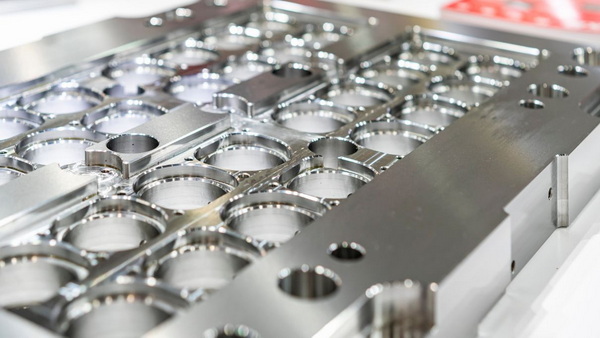
Optimizing moulding production lead times requires proactive strategies at every stage.
Engage experienced engineers in the design phase to minimize unnecessary complexity, enable uniform wall thickness, reduce the number of parts, and standardize features to accelerate both tooling and mass production.[12][13]
Establish detailed schedules with key milestone reviews. Buffer time for iterations and prioritize seamless, documented communications so issues can be flagged and resolved without lengthy back-and-forth.[3]
Utilize rapid prototyping techniques—such as 3D printing or CNC machining—to validate designs prior to final tool build, reducing the risk of late-stage changes. Advanced simulations can predict potential defects, inform design adjustments, and prevent rework delays.[5]
Partner with moulding production suppliers who offer complete in-house tooling, robust capacity, and proven expertise with exporting high standards globally. Check references for lead-time reliability.
Schedule or pre-order key materials and components for just-in-time delivery, coordinated with project timelines to avoid procurement bottlenecks.[5]
A project requiring a single-cavity aluminium prototype mould and a simple part design, with rapid engineering approval and local sourcing, achieved lead time from kickoff to initial prototypes in under three weeks. The crucial success factors included upfront clarity on specifications, design simplicity, and daily communication with the factory.
An electronics part required a multi-cavity, steel production tool with sophisticated cooling, sliding lifters, and tight tolerance. Three rounds of iterative design changes and extended sampling extended the total lead time to over sixteen weeks. The main contributors to delay were late-stage design modifications and custom resin procurement.[2][3]
Effective communication is paramount. Foreign buyers benefit from concise project briefs, robust spec sheets, and full CAD data at the outset. Clear agreements on sampling plans, approval protocols, and periodic progress updates keep everyone aligned and help avoid production drift.
Open lines for feedback and issues ensure bottlenecks—such as missing approvals or misunderstood tolerances—are addressed early. This is especially true for international collaborations, where time zones and language differences can amplify minor misunderstandings.
In high-stakes moulding production, quality assurance is both a safeguard and time manager. Effective QC measures—such as incoming material checks, first-article inspection, process optimization, and final dimensional audits—prevent downstream defects that can lead to costly recalls and further delays.
Critical process parameters such as melt temperature, injection pressure, cooling time, and ejection speed must be tightly controlled. Advanced analytics systems are now used in leading Chinese factories to track and optimize these values in real time, enabling both higher throughput and better repeatability.[14]
OEM clients working with rapid prototyping and precision manufacturing factories in China—such as Shangchen—have unique advantages. These suppliers offer the ability to handle high-mix, low-volume production, adapt flexibly to custom projects, and maintain competitive costs. Their integrated teams typically handle DFM, mould making, precision machining, and small-batch manufacturing seamlessly.
However, the most successful projects are those where clients are actively involved, respond quickly to supplier inquiries, and provide detailed and realistic forecasts of future needs.
Lead times in moulding production are a composite result of part complexity, design efficiency, supplier capacity, technology, and communication. By mastering the factors affecting lead times and leveraging best practices, both foreign OEM buyers and their Chinese partners can deliver projects faster, more reliably, and with optimal quality. The insights in this article are meant to help you streamline your moulding production pipeline, avoid common pitfalls, and build stronger, more agile supply chains.
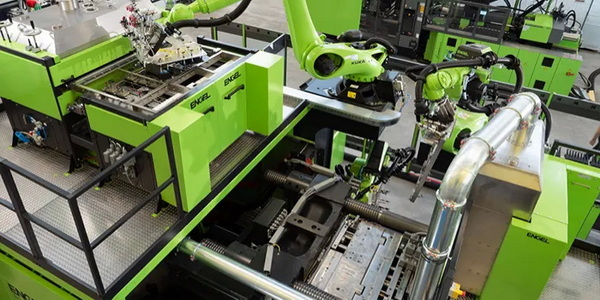
Standard lead times range from 2–4 weeks for simple tooling and single-cavity prototypes, up to 8–20 weeks for complex, multi-component production moulds. Factors such as revision rounds, part intricacy, material procurement, and supplier workload can influence these estimates significantly.[1][2][3]
Buyers can accelerate projects by providing clear specs and CAD data early, approving DFM proposals quickly, simplifying part designs, pre-agreeing on material selection, and responding rapidly to supplier questions as each milestone is reached.[12][2][3]
Key bottlenecks include late-stage design changes, complex customizations, supplier overbooking, slow client approvals, unexpected QC or regulatory issues, and material shortages. Collaborative planning helps minimize these risks.[2][5][3]
Mass production lead times vary by quantity and tool capacity; higher volumes sometimes require staggered launches or parallel tool builds. For short-run projects, lead times can be substantially shorter if the moulds are simple, while large runs with complex tools may add weeks to the schedule.[7][2]
While strict QC protocols can extend early stages (sample reviews, pilot runs), they drastically reduce the risk of rework, costly recalls, and overall production outages, leading to significant lead time savings over the entire project lifecycle.[15][14][12]
[1](https://www.aprios.com/insights/lead-times-in-injection-molding-essential-insights-for-engineers)
[2](https://www.ace-mold.com/how-long-injection-moulding-take/)
[3](https://www.epowercorp.com/single-post/understanding-the-plastic-injection-molding-timeline)
[4](https://www.triadreno.com/the-essential-guide-to-plastic-injection-molding-from-concept-to-production/)
[5](https://jiga.io/injection-molding/injection-mold-tooling-comprehensive-guide/)
[6](https://www.a1toolcorp.com/comprehensive-injection-molding-guide)
[7](https://uptivemfg.com/short-run-injection-molding-a-comprehensive-guide/)
[8](https://www.goodfishgroup.com/understanding-cycle-time-in-injection-moulding-a-complete-guide)
[9](https://geomiq.com/injection-moulding-guide/)
[10](https://www.plasticmoulds.net/plastic-molding-order-process)
[11](https://www.3erp.com/blog/the-entire-process-of-mold-making/)
[12](https://www.crescentind.com/blog/how-to-ensure-high-quality-injection-molding-6-best-practices)
[13](https://xometry.pro/en/articles/injection-molding-design-tips/)
[14](https://rjginc.com/the-8-key-parameters-in-injection-molding-process-optimization-to-avoid-defects/)
[15](https://www.sofeast.com/resources/materials-processes/plastic-injection-molding-questions/)

