
Views: 222 Author: Amanda Publish Time: 2026-01-22 Origin: Site


Content Menu
● What Is LOM in Rapid Prototyping?
● How the LOM Process Works in Rapid Prototyping
>> Step‑by‑Step LOM Rapid Prototyping Process
>> Visualizing the LOM Rapid Prototyping Workflow
● Materials Used in LOM Rapid Prototyping
>> Common LOM Materials for Rapid Prototyping
>> Material Behavior in LOM Rapid Prototyping
● Advantages of LOM in Rapid Prototyping
>> Key Benefits for Rapid Prototyping Users
>> Business Advantages in OEM Rapid Prototyping
● Limitations of LOM for Rapid Prototyping
>> Technical Constraints in Rapid Prototyping
>> When Not to Use LOM Rapid Prototyping
● LOM vs Other Rapid Prototyping Technologies
>> LOM vs SLA in Rapid Prototyping
>> LOM vs SLS and FDM in Rapid Prototyping
● Applications of LOM in Rapid Prototyping
>> Industrial Uses for LOM Rapid Prototyping
>> Integrating LOM with Other Manufacturing Services
● Why LOM Still Matters in Modern Rapid Prototyping
>> Strategic Role of LOM for OEM Clients
>> Design and Engineering Benefits
● Practical Tips for Using LOM in Rapid Prototyping Projects
>> Design Guidelines for LOM Rapid Prototyping
>> Workflow Planning with LOM Rapid Prototyping
● FAQ About LOM and Rapid Prototyping
>> 1. What does LOM mean in Rapid Prototyping?
>> 2. Is LOM suitable for functional Rapid Prototyping parts?
>> 3. How accurate is LOM compared to other Rapid Prototyping methods?
>> 4. What industries use LOM in their Rapid Prototyping workflow?
>> 5. How does LOM complement CNC machining in Rapid Prototyping?
LOM in Rapid Prototyping stands for Laminated Object Manufacturing, a sheet‑lamination 3D printing technology that builds parts by bonding and cutting stacked layers of material. It is widely used in Rapid Prototyping to create fast, low‑cost models for design verification, visualization, and basic functional testing.
LOM belongs to the sheet lamination family of additive manufacturing processes. In Rapid Prototyping projects, it is often selected when teams need relatively large parts quickly and cost‑effectively, and when extreme dimensional precision is not the primary requirement.
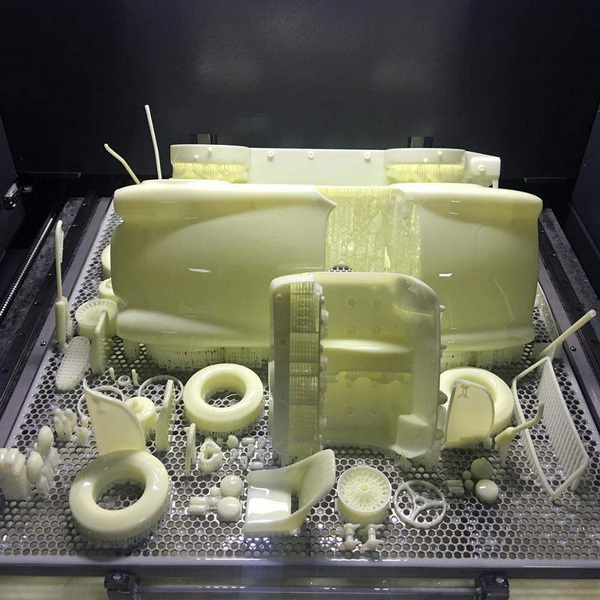
Laminated Object Manufacturing is a Rapid Prototyping process in which adhesive‑coated sheets of paper, plastic, or metal are successively bonded and cut to form a 3D object. Each sheet forms one layer of the prototype, and a laser or knife cuts the cross‑sectional geometry while the remaining material stays as support during the Rapid Prototyping build.
In the context of Rapid Prototyping, LOM is classified as a sheet lamination technology, one of the major categories of additive manufacturing. Unlike powder‑based Rapid Prototyping methods, LOM relies on solid sheets plus heat and pressure, which simplifies material handling and often reduces costs.
Because LOM works with sheets, it is particularly suitable for large, bulky Rapid Prototyping models where very fine details are less important than overall form, ergonomics, and visual appearance. For factories serving international OEM clients, LOM can be an excellent way to supply fast physical samples during early stages of product development.
LOM follows a relatively straightforward Rapid Prototyping workflow that converts a digital 3D model into stacked 2D layers. In many OEM environments, it is integrated into a broader chain that may include CNC machining, turning, sheet metal fabrication, and mold making.
- A 3D CAD model is sliced into thin cross‑sectional layers by Rapid Prototyping software.
- A sheet of adhesive‑coated material (often paper or plastic) is fed onto the build platform in the Rapid Prototyping machine.
- A heated roller presses the sheet, activating the adhesive and laminating it onto the previous layer in the Rapid Prototyping stack.
- A laser or knife cuts the outline of the current layer based on the Rapid Prototyping CAD data, tracing the cross‑section of the part.
- The unused region is cross‑hatched into small rectangles to make it easier to remove after the Rapid Prototyping build is finished.
- The platform lowers by one layer thickness, a fresh sheet is fed and laminated, and the cutting step repeats until the Rapid Prototyping model is complete.
- At the end, the operator removes the excess material (“decubes” the block), revealing the finished Rapid Prototyping part inside.
- Imagine a Rapid Prototyping machine pulling a roll of paper sheet by sheet across a table and bonding each new layer with heat as the 3D part grows inside a solid block.
- As the Rapid Prototyping build continues, a scanning laser or moving knife head traces each new layer, turning flat sheets into a stacked 3D shape.
- When the process is complete, the outer block is carefully opened, and cross‑hatched waste pieces break away, leaving a solid model that can be sanded, drilled, or painted.
LOM uses sheet materials rather than powders or liquid resins, which is one reason it remains attractive for specific Rapid Prototyping applications. The choice of sheet material affects strength, surface finish, and how well the Rapid Prototyping part can be post‑processed.
- Paper: The most common LOM material, providing wood‑like Rapid Prototyping prototypes that are easy to cut, sand, and finish.
- Plastics: Thermoplastic sheets enable tougher Rapid Prototyping parts with better durability and moisture resistance than paper.
- Metals: Some sheet‑lamination systems bond metal foils, making metal Rapid Prototyping components for research and specialized applications.
- Paper‑based LOM Rapid Prototyping parts tend to have visible layer lines and a grain similar to wood, which can be sealed and coated for improved aesthetics.
- Plastic‑based LOM Rapid Prototyping produces parts with higher impact resistance and better suitability for basic functional tests than paper equivalents.
- Metal‑laminated Rapid Prototyping pieces often require additional post‑processing to fully bond layers and achieve the necessary structural performance.
For OEM customers, selecting the right LOM material depends on whether the Rapid Prototyping model is intended for visual review, ergonomic testing, or limited functional evaluation.
In Rapid Prototyping environments, LOM offers a mix of speed, cost‑effectiveness, and simple operation that can complement CNC machining, turning, and molding services. When used strategically, it helps international clients reduce both risk and cost in early product development.
- High build speed: LOM can laminate and cut large cross‑sections quickly, making Rapid Prototyping of big visual models very efficient.
- Low material cost: Paper and standard plastic sheets are inexpensive, reducing Rapid Prototyping expenses compared with many resin or metal powder systems.
- Large build volumes: Sheet feeding allows relatively large Rapid Prototyping envelopes without complex powder‑handling systems.
- Simplified safety requirements: LOM uses heat, pressure, and adhesive, so Rapid Prototyping operations typically do not require sealed chambers or harsh chemicals.
- Built‑in support structure: Cross‑hatched waste acts as a natural support around the Rapid Prototyping part, eliminating the need for separate support‑generation strategies.
- For foreign brand owners, wholesalers, and manufacturers, LOM Rapid Prototyping enables fast validation of shapes and assemblies before committing to tooling and mass production.
- When combined with CNC machining, sheet metal fabrication, lathes turning, and mold production, LOM Rapid Prototyping helps create hybrid prototypes that closely mimic final products.
- Factories that integrate LOM into their Rapid Prototyping service portfolio can offer more flexible pricing and lead‑time options to overseas OEM customers.
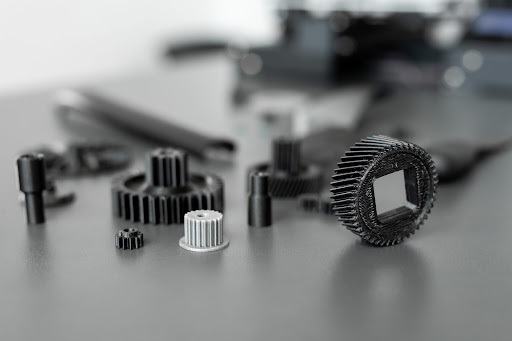
Despite its strengths, LOM is not the universal solution for every Rapid Prototyping job. Design engineers and sourcing managers should understand where LOM fits relative to other Rapid Prototyping methods like SLA, SLS, FDM, and metal additive manufacturing.
- Limited detail: LOM Rapid Prototyping cannot easily produce fine features or narrow internal channels compared with SLA or SLS.
- Moderate accuracy: Layer thickness and cutting resolution mean LOM Rapid Prototyping is better for visual models than high‑precision functional components.
- Challenging complex geometries: Enclosed voids and intricate lattice structures are difficult to create with LOM Rapid Prototyping due to trapped waste layers.
- Very small mechanical parts requiring tight tolerances are usually better produced with CNC machining or higher‑precision Rapid Prototyping such as SLA.
- High‑temperature or high‑load applications typically require metal Rapid Prototyping or conventional machining rather than paper‑based LOM.
- Parts needing medical‑grade biocompatibility or specialized engineering polymers are generally outside the typical material set of LOM Rapid Prototyping.
Understanding these limitations helps OEM customers choose the right Rapid Prototyping combination: perhaps LOM for early form studies and SLA or CNC for final functional prototypes.
In modern Rapid Prototyping, LOM competes with several mainstream 3D printing options. Each technology has its own strengths, weaknesses, and suitable use cases.
- SLA (stereolithography) uses liquid photopolymer resin cured by a light source. It offers very high detail and excellent surface finish, making it ideal for precise Rapid Prototyping of small, intricate parts.
- LOM, by contrast, builds with sheets and generally offers lower resolution but larger build volumes at reduced cost. For purely visual models, LOM Rapid Prototyping can be more economical than SLA, especially for large components.
- SLS (selective laser sintering) fuses powder particles to create strong, functional Rapid Prototyping parts with complex internal geometries. It is better suited than LOM for demanding mechanical applications.
- FDM (fused deposition modeling) extrudes thermoplastic filament to build Rapid Prototyping parts layer by layer. FDM is widely available and cost‑effective, but layer lines are visible and fine details are limited.
- Compared with SLS and FDM, LOM Rapid Prototyping stands out when inexpensive, large‑scale mock‑ups are needed quickly, and when the ability to handle big cross‑sections is more important than fine internal structures.
LOM Rapid Prototyping is most valuable when visual validation and the physical feel of the product are more important than microscopic detail. Many industries use it as part of a broader Rapid Prototyping strategy that also involves CNC machining, sheet metal manufacturing, and mold production.
- Concept models: Product design teams generate full‑scale Rapid Prototyping mock‑ups for early reviews, ergonomic studies, and internal approvals.
- Presentation models: Sales and marketing departments rely on LOM Rapid Prototyping to create showpieces for exhibitions, customer demonstrations, and investor presentations.
- Architectural and industrial models: Large structures, machinery layouts, and plant models are efficiently built using LOM Rapid Prototyping because of its speed and low material cost.
- After LOM Rapid Prototyping validation, CNC machining and turning can refine critical metal components for final fit and functional testing.
- Sheet metal fabrication can follow LOM Rapid Prototyping to replace laminated shapes with actual metal parts while preserving the same overall envelope and mounting points.
- Mold design and 3D printing services can use LOM Rapid Prototyping iterations to converge quickly on a final geometry before committing to steel tooling.
This integration allows an OEM partner to move from concept to small‑batch production more smoothly, using Rapid Prototyping at each stage to control risk and optimize design.
Even with advanced powder‑bed fusion and resin‑based 3D printing, LOM retains a distinct role in Rapid Prototyping ecosystems. Its balance of cost, build volume, and simplicity makes it a pragmatic option for OEM projects that mainly require visual and basic functional Rapid Prototyping models.
- For overseas brand owners and wholesalers, LOM Rapid Prototyping offers an economical way to verify design intent before large‑scale tooling or production.
- In multi‑process factories, LOM Rapid Prototyping can serve as the first gate in the development pipeline, followed by CNC machining, sheet metal, and mold‑based pilot runs.
- By offering LOM Rapid Prototyping alongside other technologies, a supplier can match each OEM project to the most suitable method instead of forcing a single process.
- Design changes can be implemented quickly in CAD and turned into revised LOM Rapid Prototyping models within days, supporting agile product development.
- Teams can evaluate ergonomics, assembly interfaces, and packaging compatibility using LOM Rapid Prototyping models before final materials are selected.
- By comparing LOM Rapid Prototyping parts with later SLA, SLS, or CNC versions, engineers gain a clearer understanding of how material and process choices impact final performance.
When planning a Rapid Prototyping strategy that includes LOM, a few practical guidelines can improve results and help OEM partners get more value from each iteration.
- Favor slightly thicker walls and simpler geometries, as LOM Rapid Prototyping is not optimized for very thin features.
- Avoid deep, enclosed channels where waste material may be trapped after the build; consider adding escape openings or simplifying the geometry.
- Keep in mind the layer orientation: aligning critical surfaces so they are parallel to the sheets can improve surface quality in those areas.
- Use LOM Rapid Prototyping for early‑stage models, then transition to more precise or material‑specific methods as the design matures.
- Combine a LOM Rapid Prototyping outer form with CNC‑machined inserts when certain interfaces must already meet tight tolerances.
- For large assemblies, produce multiple LOM Rapid Prototyping modules that can be joined or mounted on a frame to simulate the final installation.
By following these practices, companies can turn LOM from a simple visualization tool into a powerful element of a complete Rapid Prototyping and pre‑production workflow.
LOM stands for Laminated Object Manufacturing, a sheet‑lamination method strongly associated with Rapid Prototyping because it delivers large, low‑cost models using stacked adhesive‑bonded sheets. While it cannot match the fine detail of SLA or the functional performance of SLS, LOM remains an effective Rapid Prototyping option for visual models, early‑stage design verification, and cost‑sensitive OEM projects.
For manufacturers and OEM partners, LOM Rapid Prototyping is especially attractive when integrated with CNC machining, turning, sheet metal fabrication, 3D printing, and mold production. Together, these capabilities support a smooth transition from concept to small‑batch and ultimately mass production, with Rapid Prototyping used at every stage to refine design and reduce risk.
By understanding where LOM fits among other Rapid Prototyping technologies, decision‑makers can select the right combination of processes for each project, balancing cost, lead time, and technical performance.
Contact us to get more information!
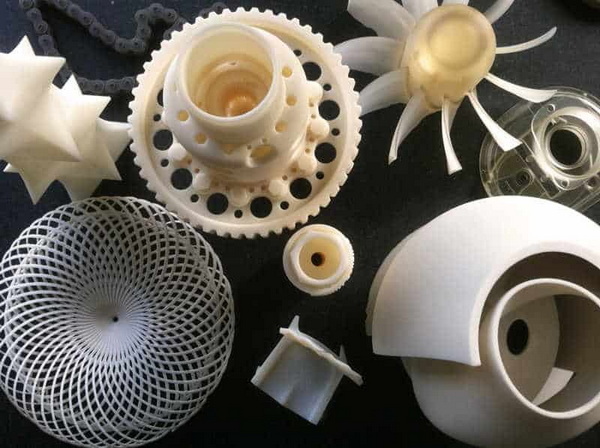
LOM means Laminated Object Manufacturing, a Rapid Prototyping technology that builds 3D parts by bonding and cutting layers of sheet material. It belongs to the sheet lamination category of additive manufacturing and is mainly used for relatively large, low‑cost Rapid Prototyping models.
LOM is mainly suited for visual Rapid Prototyping models and basic fit checks rather than highly loaded functional parts. For demanding functional Rapid Prototyping applications, processes like SLS, CNC machining, or metal additive manufacturing are usually preferred because they provide stronger materials and tighter tolerances.
LOM provides medium accuracy within the Rapid Prototyping spectrum. It is generally less precise than SLA or SLS but accurate enough for concept models, ergonomic studies, and many assembly checks. When dimensional precision is critical, it is common to combine LOM Rapid Prototyping with CNC machining or higher‑resolution 3D printing.
Industries such as product design, architecture, consumer goods, and industrial equipment use LOM for Rapid Prototyping of large visual models and early concept parts. These sectors benefit from the speed and low cost of LOM Rapid Prototyping when they need physical samples for internal review, marketing materials, or project approvals.
LOM can produce quick Rapid Prototyping models to validate overall shapes and assemblies before committing to precision CNC machining of final materials. Once the Rapid Prototyping geometry is confirmed with LOM, CNC machining is used to create high‑precision metal or plastic components, allowing engineers to combine the speed of LOM with the accuracy and material performance of CNC.
1. https://www.twi-global.com/technical-knowledge/faqs/what-is-laminated-object-manufacturing-lom
2. https://en.wikipedia.org/wiki/Laminated_object_manufacturing
3. https://www.sculpteo.com/en/glossary/lom-definition/
4. https://monroeengineering.com/blog/an-introduction-to-laminated-object-manufacturing-lom/
5. https://www.sciencedirect.com/topics/engineering/laminated-object-manufacturing
6. https://fab.cba.mit.edu/classes/865.18/additive/sheet-lamination-lom/index.html
7. https://jiga.io/articles/rapid-prototyping-process-how-to-choose/
8. https://www.xometry.com/resources/3d-printing/laminated-object-manufacturing/
9. https://www.wevolver.com/article/laminated-object-manufacturing
10. https://resources.pcb.cadence.com/blog/2020-is-laminated-object-manufacturing-the-future-of-rapid-pcb-prototyping
11. https://www.conro.com/Blog/What-is-laminated-object-manufacturing/
12. https://www.lboro.ac.uk/research/amrg/about/the7categoriesofadditivemanufacturing/sheetlamination/
13. https://formlabs.com/blog/ultimate-guide-to-rapid-prototyping/
14. https://www.engineering.com/laminate-object-manufacturing-lom/

