
Views: 222 Author: Amanda Publish Time: 2026-01-22 Origin: Site


Content Menu
● What Does LENS Mean in Rapid Prototyping?
● How the LENS Rapid Prototyping Process Works
● Key Characteristics of LENS in Rapid Prototyping
● Why LENS Matters for Rapid Prototyping
● Typical Applications of LENS Rapid Prototyping
● LENS vs Other Rapid Prototyping Methods
● Advantages of LENS in Rapid Prototyping
● Limitations and Challenges of LENS Rapid Prototyping
● How a Manufacturing Partner Like Shangchen Can Use LENS and Rapid Prototyping
● FAQ About LENS and Rapid Prototyping
>> 1. What does LENS stand for in rapid prototyping?
>> 2. How is LENS different from other rapid prototyping methods?
>> 3. Which materials can be used in LENS rapid prototyping?
>> 4. What are the main advantages of LENS for OEM rapid prototyping?
>> 5. Does LENS eliminate the need for CNC machining in rapid prototyping?
LENS in Rapid Prototyping stands for Laser Engineered Net Shaping, a metal additive manufacturing process that builds near‑net‑shape metal parts layer by layer from 3D CAD data. This advanced rapid prototyping technology is especially powerful for high‑value, complex, and high‑performance components in aerospace, medical, tooling, and repair applications, where engineers need prototypes that closely match production materials and performance.
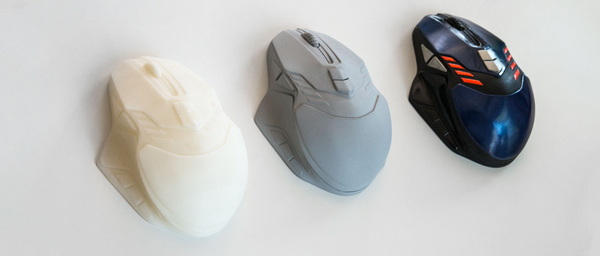
Rapid prototyping is a group of techniques used to quickly fabricate a physical model or functional part directly from 3D CAD data using layered manufacturing. In modern manufacturing, rapid prototyping reduces design risk, shortens development cycles, and allows engineers to validate form, fit, and function long before mass production begins, helping OEM brands and product developers iterate faster and more confidently.
Rapid prototyping technologies include stereolithography, selective laser sintering, fused deposition modeling, laminated object manufacturing, direct metal processes such as LENS, and several hybrid methods that combine additive and subtractive steps. By converting digital models into thin cross‑sections and building them layer by layer, rapid prototyping eliminates much of the tooling and manual machining traditionally needed for first articles, which is particularly valuable in competitive markets with compressed launch schedules.
In the context of rapid prototyping, LENS stands for Laser Engineered Net Shaping. It is a laser‑based direct metal deposition technology that belongs to the wider family of directed energy deposition (DED) processes in additive manufacturing, and it is used to build or repair dense metallic components directly from 3D models.
“Laser” refers to the high‑power, computer‑controlled beam that melts the metallic feedstock as it is fed into the build zone. “Engineered Net Shaping” emphasizes that the process is designed to create near‑final, or “net‑shape,” geometries that require minimal post‑machining compared with traditional manufacturing processes, which is a key benefit in time‑critical rapid prototyping projects.
LENS uses a focused laser beam and a stream of metal powder to build a part directly from 3D CAD data. The metal powder is delivered through nozzles into the path of the laser, which melts the powder to form a localized molten pool; as the system moves this pool along a programmed toolpath, solidified tracks build up layer by layer until the complete geometry is formed.
Metal powder is blown through multiple nozzles to a focal point where a high‑power laser simultaneously melts it, creating a molten bead on a substrate such as a base plate or an existing component that needs repair or modification. The system slices the CAD model into horizontal layers, and motion stages move the substrate in x‑y while adjusting height in z to deposit each new layer, constructing the 3D geometry in a controlled and repeatable manner that perfectly suits engineering‑grade rapid prototyping.
To maintain material quality and prevent oxidation, LENS usually operates inside a sealed chamber purged with an inert gas, such as argon, particularly when processing reactive metals like titanium. This controlled atmosphere ensures that rapid prototyping with LENS can achieve strong metallurgical bonds and material properties suitable for functional testing, not just visualization.
LENS is optimized for high‑density metal parts and molds that are very close to final shape, which makes it highly attractive in rapid prototyping for demanding metal applications. This process can work with a wide range of metals, including titanium, nickel‑based superalloys, tool steels, stainless steels, copper alloys, and aluminum alloys, providing design engineers with flexibility when matching prototype materials to production specifications.
Parts produced by LENS are usually near‑net‑shape, often eliminating the need for rough machining and leaving only finishing operations where tight tolerances or specific surface qualities are required. Because the process can deposit material accurately in specific regions, it is also suitable for repairing worn components, adding features to existing parts, and performing design modifications as part of iterative rapid prototyping cycles, without having to start from scratch each time.
Another important characteristic is that LENS, like other additive processes, builds parts layer by layer according to the digital design, which allows complex geometries such as internal channels, conformal cooling, and lattice structures. These design freedoms, combined with the mechanical strength of metal, mean LENS plays a unique role in rapid prototyping when teams want to explore performance improvements that would be impossible or uneconomical using traditional manufacturing alone.
By combining additive manufacturing with high‑performance metals, LENS bridges the gap between design prototypes and production‑ready parts. Rapid prototyping with LENS allows engineers to test designs under realistic mechanical, thermal, and fatigue loads using materials that are very close to those intended for final production, giving decision‑makers higher confidence in test results and design approvals.
LENS accelerates the transition from prototype to low‑volume production, especially for high‑value components in aerospace, automotive, energy, industrial machinery, and medical devices. Compared with traditional machining from solid billets, LENS can significantly reduce material waste, lead time, and tooling costs during rapid prototyping programs, since it eliminates the need for dedicated tooling and cuts down on rough‑machining time.
For organizations that need to introduce design improvements or custom variants frequently, LENS‑enabled rapid prototyping makes it feasible to iterate designs quickly without disrupting ongoing production. New configurations can be built directly from updated CAD files, evaluated, and refined, all while taking advantage of the same additive platform and integrated post‑processing workflow.
LENS technology is widely used in industries that require complex metal geometries, high performance, and customization. For many of these sectors, LENS is both a rapid prototyping tool and a bridge to production or repair workflows, giving engineering teams a versatile approach to manage the entire life cycle of critical components.
In aerospace, LENS supports rapid prototyping of structural brackets, turbine components, engine parts, and lightweight stiffening structures that include internal passages or topology‑optimized forms. Engineers can use rapid prototyping with LENS to qualify new alloy combinations, test cooling strategies, and validate complex shapes long before committing to costly casting or forging tools.
In automotive and energy, LENS is used for rapid prototyping of manifolds, heat exchangers, powertrain parts, tooling inserts, and components that benefit from internal channels or weight‑reduced lattice structures. Since these geometries are often difficult to machine conventionally, using LENS within a rapid prototyping workflow helps teams explore and validate performance‑driven designs that better manage fluid flow, heat transfer, or structural loads.
In the medical sector, LENS enables rapid prototyping of patient‑specific implants, surgical instruments, orthopedic components, and custom fixtures where biocompatible metals are required. The ability to move from medical imaging data or patient‑specific CAD designs to functional prototypes in a relatively short time frame is a significant advantage when surgeons and device manufacturers need to tailor solutions to individual patients.
Although LENS is part of the rapid prototyping family, it differs significantly from polymer‑based processes such as FDM or stereolithography and from powder‑bed metal systems like selective laser melting and electron beam melting. Understanding these differences helps engineers and purchasing managers select the most appropriate rapid prototyping technology for each project.
Powder‑bed fusion systems, such as selective laser melting, spread a thin layer of powder over a build platform and selectively melt it using a laser, repeating the cycle layer by layer. These systems are excellent for high‑precision, complex geometries and can produce very fine features, but they often require careful support design and can involve more complex powder handling.
Polymer rapid prototyping processes, including stereolithography and fused deposition modeling, are normally used for visual models, ergonomic prototypes, fit‑check components, and low‑stress functional testing. They are cost‑effective and fast for design validation, but they generally cannot match the mechanical performance and temperature resistance of metal processes like LENS when it comes to demanding functional rapid prototyping.
LENS, by contrast, focuses on blown powder deposition with a laser, which makes it particularly strong for building near‑net‑shape metal parts and for adding material to existing parts. When integrating LENS into a rapid prototyping workflow, the process shines in applications where repair, feature addition, or robust mechanical performance are required, and where downstream CNC machining is available for final finishing.
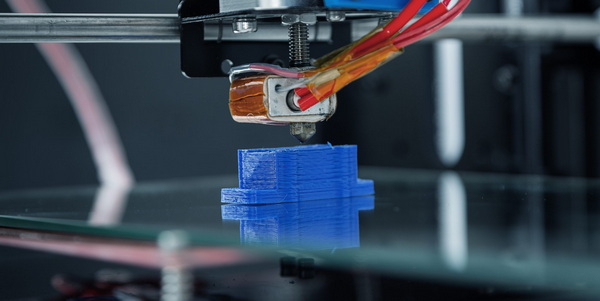
LENS brings several strategic benefits to rapid prototyping and low‑volume production workflows. Many of these advantages directly translate into shorter development cycles, more design iterations, and better final products for companies that rely on complex metal components.
First, LENS produces high‑density, near‑net‑shape metal parts with mechanical properties suitable for functional testing and end‑use in demanding environments. This means rapid prototyping no longer has to rely on simplified or substitute materials, allowing test results to reflect real‑world behavior such as fatigue strength, thermal resistance, and corrosion performance.
Second, LENS offers repair and feature‑addition capability. Engineers can use the process to rebuild worn regions, add bosses or lugs, redesign localized features, or integrate new functionality onto existing components. As part of a rapid prototyping strategy, this feature dramatically reduces scrap, enables product upgrades in the field, and allows manufacturers to extend the working life of high‑value components.
Third, LENS supports material efficiency and design freedom. Because material is applied only where needed, it reduces waste compared with machining from solid billets or forgings, while simultaneously permitting topology‑optimized and lattice‑based designs. When paired with simulation‑driven design tools, rapid prototyping with LENS can unlock advanced, lightweight structures that deliver better performance per unit mass.
Despite its advantages, LENS is not a universal solution for all rapid prototyping tasks. Understanding its limitations helps engineers integrate it intelligently with complementary processes such as CNC machining, injection molding, and polymer‑based additive manufacturing.
One main challenge is achieving high dimensional accuracy and smooth surface finish. Because the process involves a molten pool and relatively large beads of deposited material, as‑built surfaces often have visible layering and require additional machining, grinding, or polishing to meet tight tolerance and aesthetic requirements. In a rapid prototyping context, this means extra time must be scheduled for finishing operations, especially when parts are intended for demonstration or fit‑critical assemblies.
Another limitation is the complexity and cost of the equipment. LENS systems require high‑power lasers, precision optics, powder delivery mechanisms, and inert‑gas chambers, along with advanced software for toolpath generation and process monitoring. Compared with many polymer rapid prototyping platforms, the investment is higher, and operators need specialized skills to tune parameters, maintain the system, and guarantee consistent build quality.
Lastly, not every component is an ideal candidate for LENS rapid prototyping. Very small, intricate features or ultra‑thin walls may be better suited to powder‑bed metal techniques, while purely cosmetic or large‑volume plastic parts remain more economical with polymer rapid prototyping or traditional molding. For the best results, engineers often adopt a hybrid strategy, using LENS where its strengths matter most and complementing it with other processes.
A full‑service manufacturing factory offering CNC machining, turning, sheet‑metal fabrication, 3D printing, and molding can integrate LENS into its rapid prototyping portfolio to give customers a more flexible and robust path from idea to production. When all of these capabilities exist under one roof, OEM customers benefit from a coordinated workflow rather than having to manage multiple suppliers.
By combining LENS rapid prototyping for metal prototypes with CNC finishing and precision batch production, customers receive functional prototypes that match production geometry and tolerance, followed by scalable manufacturing using the same validated data. This tight integration reduces the risk of design drift between rapid prototyping and production, and it helps ensure that the parts which pass validation are the same ones that later reach the market.
OEM brands, wholesalers, and manufacturers can leverage such integrated rapid prototyping services to co‑develop parts, validate designs faster, and launch products with reduced risk and better cost control over the full lifecycle. In practice, this means using LENS for functional prototypes and complex metal features, polymer rapid prototyping for early design validation, and CNC machining for final finishing and high‑volume precision manufacturing.
For a Chinese manufacturing partner like Shangchen that provides OEM services to overseas brands, integrating rapid prototyping technologies such as LENS with established processes like CNC machining, lathe turning, sheet‑metal fabrication, 3D printing, and mold production creates a comprehensive solution. International customers can send CAD data, receive rapid prototyping samples in a short time, iterate designs efficiently, and then transition into precision batch production without changing suppliers.
In rapid prototyping, LENS stands for Laser Engineered Net Shaping, a powerful directed energy deposition process that builds dense metal parts directly from digital designs. By delivering near‑net‑shape components, enabling repairs, and supporting advanced alloys, LENS extends rapid prototyping beyond visual models into fully functional, high‑performance parts for aerospace, medical, automotive, energy, and other demanding industries.
For design teams and OEM partners working with a capable manufacturing factory that offers CNC machining, sheet‑metal fabrication, 3D printing, mold production, and turning services, integrating LENS into the rapid prototyping toolkit can dramatically shorten development cycles and improve product quality from the first concept to stable mass production. When used intelligently alongside other rapid prototyping methods, LENS becomes a strategic tool that helps companies innovate faster, reduce waste, and bring better products to global markets.
Contact us to get more information!
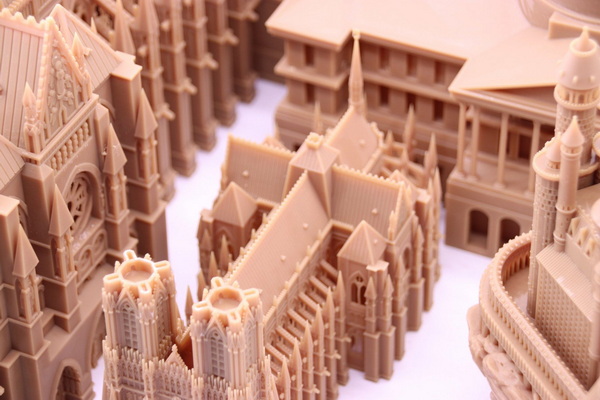
LENS stands for Laser Engineered Net Shaping. It is a laser‑based metal additive manufacturing process that deposits metal powder into a focused laser beam to build or repair dense metal parts layer by layer. In rapid prototyping, LENS is used when engineers need functional metal prototypes with mechanical properties that closely resemble production components.
LENS differs from many rapid prototyping methods because it focuses on metal deposition rather than polymers or resin curing. While processes like FDM and stereolithography are ideal for concept models and visual prototypes, LENS provides high‑density metal parts suitable for functional testing and end‑use. Compared with powder‑bed metal fusion, LENS excels at repairing existing components, adding features, and producing near‑net‑shape parts that can be finished with CNC machining.
LENS can work with a broad range of metal powders, including titanium alloys, stainless steels, tool steels, nickel‑based superalloys, copper alloys, and aluminum alloys. This material flexibility allows rapid prototyping teams to choose metals that are similar or identical to production materials, ensuring that structural, thermal, and corrosion performance in testing aligns with real operating conditions. The choice of material depends on the target application, such as aerospace, medical, automotive, or tooling.
The main advantages of LENS for OEM rapid prototyping include the ability to produce near‑net‑shape metal parts with good mechanical properties, to repair or upgrade existing components, and to reduce material waste by adding material only where needed. For OEMs working with global manufacturing partners, LENS enables faster design iterations, more realistic functional testing, and a smoother transition into short‑run or bridge production. When combined with CNC machining and other processes, LENS can significantly streamline the path from concept to market.
LENS does not completely replace CNC machining; instead, it complements it. Many LENS rapid prototyping projects still require CNC machining for tight tolerances, precision interfaces, and high‑quality surface finishes. A common workflow is to use LENS to create a near‑net‑shape metal part or repair, then apply CNC operations for final dimensions and surface quality. This hybrid approach takes advantage of the design freedom of additive manufacturing while maintaining the precision and repeatability of subtractive machining.
1. https://www.scan2cad.com/blog/cad/rapid-prototyping/
2. https://en.wikipedia.org/wiki/Rapid_prototyping
3. https://www.sandia.gov/media/lens.htm
4. https://www.sciencedirect.com/topics/engineering/laser-engineered-net-shaping
5. https://varai.com/blog/what-is-rapid-prototyping-in-eyewear/
6. https://www.tms.org/pubs/journals/jom/9907/hofmeister/hofmeister-9907.html
7. https://www.voxelmatters.com/additive-manufacturing/am-technologies/laser-engineered-net-shaping-lens/
8. https://edstechnologies.com/blog/from-repair-to-rapid-prototyping-the-role-of-lens-ded-technology-in-aerospace-industry/
9. https://www.sciencedirect.com/topics/materials-science/rapid-prototyping
10. https://www.engineering.com/optical-advances-speed-rapid-prototyping/
11. https://www.luximprint.com/services/rapid-prototyping-custom-optics/
12. https://jmloptical.com/how-does-rapid-prototyping-benefit-optical-manufacturing/
13. https://gandh.com/rapid-prototyping-of-polymer-optics
14. https://www.thorlabs.com/rapid-optical-prototyping
15. https://www.edmundoptics.com/knowledge-center/trending-in-optics/rapid-optical-prototyping/

