
Views: 222 Author: Amanda Publish Time: 2026-01-22 Origin: Site


Content Menu
>> Faster Design Validation And Iteration
>> Cost Savings And Risk Mitigation
>> Improved Design Quality And Accuracy
>> Better Collaboration And Stakeholder Alignment
● Rapid Prototyping Methods Engineers Use
>> 3D Printing In Rapid Prototyping
>> CNC Machining For High‑Precision Rapid Prototyping
>> Rapid Injection Molding And Bridge Production
>> Sheet Metal Rapid Prototyping
>> Urethane Casting And Low‑Volume Polymer Rapid Prototyping
● Why Work With A Professional Rapid Prototyping OEM Partner
● How Engineers Integrate Rapid Prototyping Into Their Workflow
>> Design For Manufacturing And Assembly
>> Pre‑Production And Pilot Runs
● Additional Practical Advantages Of Rapid Prototyping For Engineers
>> 1. How does Rapid Prototyping shorten development cycles?
>> 2. Is Rapid Prototyping only useful for early concepts?
>> 3. What materials can be used in Rapid Prototyping?
>> 4. How does Rapid Prototyping improve communication with non‑technical stakeholders?
>> 5. Can Rapid Prototyping support both one‑off parts and batch production?
Rapid Prototyping gives engineers a faster, lower‑risk, and more flexible way to move from concept to production‑ready parts across 3D printing, CNC machining, rapid injection molding, and sheet metal fabrication. By shortening design cycles and enabling more iterations, Rapid Prototyping helps engineers build better products with higher performance and fewer costly surprises in production.
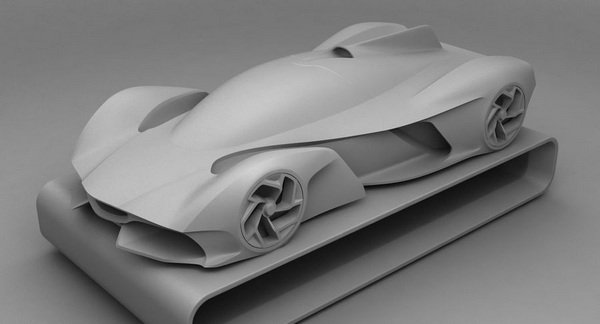
Rapid Prototyping is a group of digital manufacturing methods that turn 3D CAD data into physical parts in a very short time. It includes technologies such as 3D printing, CNC machining, rapid injection molding, sheet metal prototyping, urethane casting, and other bridge‑manufacturing methods. Instead of waiting for full tooling and mass‑production setups, engineers use Rapid Prototyping to validate form, fit, and function with tangible parts early in development.
In practical engineering workflows, Rapid Prototyping closes the gap between digital design and real‑world performance. Engineers can evaluate ergonomics, assembly clearances, load‑bearing behavior, and user interaction without committing to expensive tooling. That means more design freedom, faster learning, and a much lower risk of discovering critical problems only after production has started.
Rapid Prototyping transforms the way engineers design, validate, and launch products. It compresses development time, improves communication, and creates a more data‑driven approach to decision‑making. Below are the key ways engineers benefit from Rapid Prototyping in daily work.
Rapid Prototyping allows engineers to check the form, fit, and function of a design in days instead of weeks or months. Short feedback loops make it easier to refine ergonomics, assembly clearances, and performance characteristics before investing in hard tooling.
Engineers can produce several design alternatives in parallel and compare them side by side. This makes it simple to test different shapes, wall thicknesses, surface textures, and mechanisms, then quickly converge on the most effective solution. Physical Rapid Prototyping also reveals details that are often invisible in CAD or simulation, such as how parts feel in the hand, how easily they assemble, or how they behave under repeated use.
By compressing design, testing, and refinement into tight cycles, Rapid Prototyping helps organizations launch new products earlier than competitors. Shorter overall development timelines create more opportunities to capture market share and respond to customer demands quickly.
Instead of waiting for traditional prototypes or pre‑production tooling, engineering teams can keep the project moving almost continuously. Functional parts can be available within days for testing, review, and customer demonstrations. When a change is needed, a new iteration of Rapid Prototyping can be produced immediately, keeping momentum high and avoiding long delays between design decisions.
Traditional tooling and slow prototype production introduce high upfront costs and make design changes risky and expensive. Rapid Prototyping lowers this risk by enabling low‑volume, low‑cost iterations long before final tooling is frozen.
Because Rapid Prototyping does not rely on complex, dedicated tooling for early stages, engineers have the freedom to change geometry, adjust features, and refine details without worrying about scrapping an expensive mold. Discovering design flaws or performance issues during Rapid Prototyping prevents rework in production, reduces scrap, and lowers the likelihood of warranty claims and field failures.
Holding a physical prototype exposes design flaws that can be missed on screen. Rapid Prototyping allows engineers to reach higher levels of accuracy and robustness by enabling realistic tests under real constraints.
With Rapid Prototyping, teams can evaluate tolerance stacks, structural strength, stiffness, heat behavior, and wear patterns with parts that closely approximate or match production material. This supports design for manufacturability and design for assembly, ensuring that the final design is not only innovative but also practical and stable in production.
When stakeholders can touch and test a physical prototype, communication becomes much clearer than with slide decks and renderings. Rapid Prototyping allows cross‑functional teams to align on design goals earlier and avoid misinterpretation of requirements.
Engineers, industrial designers, marketers, and executives can all review the same physical Rapid Prototyping sample. They can discuss real dimensions, visual impact, user experience, and brand details while holding the product. Customers and end users can also be involved by handling Rapid Prototyping samples and giving direct feedback, which raises confidence that the final product will meet or exceed expectations.
Different Rapid Prototyping processes have different strengths. Many engineering teams combine them through an OEM partner capable of CNC machining, turning, sheet metal fabrication, 3D printing, and rapid tooling. Choosing the right Rapid Prototyping method at the right phase is critical for both performance and cost.
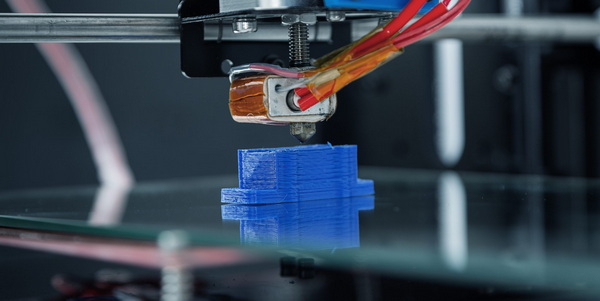
3D printing is strongly associated with Rapid Prototyping because it can produce complex geometries without tooling and with very short lead times. Engineers use 3D printing for everything from early concept models to functional Rapid Prototyping of assemblies and fixtures.
Common applications of 3D printing in Rapid Prototyping include visual models for design reviews, ergonomic studies for handheld products, and quick production of jigs, fixtures, and assembly aids. It is also powerful for Rapid Prototyping of internal channels, lattice structures, and organic shapes that are challenging or impossible to create using subtractive methods. For many projects, 3D printing serves as the first Rapid Prototyping step, followed later by CNC‑machined or molded parts.
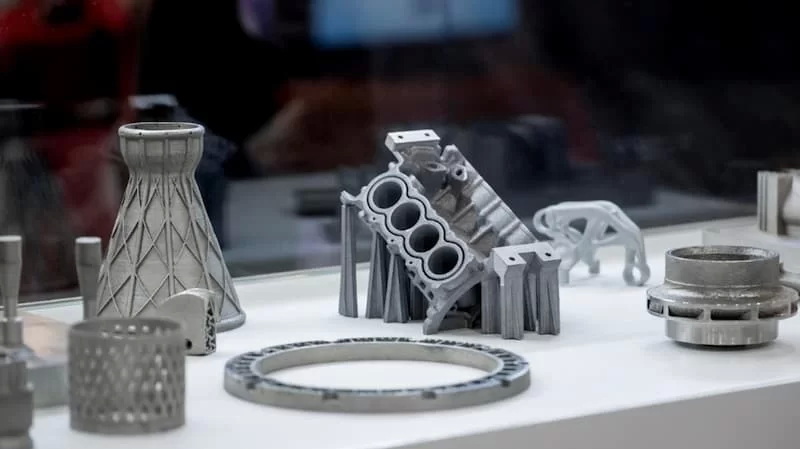
CNC machining offers excellent dimensional accuracy, surface finish, and material flexibility in metals and engineering plastics, making it ideal for high‑precision Rapid Prototyping. When engineers need prototypes that behave almost exactly like final production parts, CNC‑based Rapid Prototyping is often the preferred choice.
With CNC Rapid Prototyping, parts can be made from production‑grade materials such as aluminum alloys, stainless steels, and engineering plastics. This allows realistic testing of strength, stiffness, thermal performance, and wear. Because CNC Rapid Prototyping does not require dedicated molds, designers can still modify geometry and tolerances relatively easily until the design is fully locked in.
Rapid injection molding combines simplified tooling with fast machining or additive inserts to create molds quickly for short‑run Rapid Prototyping. Engineers use this approach when they need hundreds or low thousands of parts that closely mimic mass‑production injection molding.
This type of Rapid Prototyping is often called bridge production, because it bridges the gap between prototype and full‑scale manufacturing. It is ideal for pilot runs, regulatory testing, marketing samples, and early field trials. Rapid injection molding gives engineers feedback on real process conditions, including cycle time, shrinkage, mold flow, and cosmetic details, long before investing in complex multi‑cavity production tools.
Sheet metal Rapid Prototyping supports brackets, chassis, cabinets, and protective enclosures used across industries such as electronics, industrial equipment, and transportation. Laser cutting, bending, welding, and surface finishing are combined in a flexible Rapid Prototyping cell to deliver structural parts very quickly.
Engineers can validate the stiffness, mounting hole placement, airflow paths, and thermal performance of sheet metal structures through Rapid Prototyping. If changes are needed, patterns can be modified in CAD and re‑cut in a short time. This makes sheet metal Rapid Prototyping highly effective for products that require frequent design updates and careful integration with PCBs, wiring harnesses, and mechanical assemblies.
Another important Rapid Prototyping method is urethane casting or vacuum casting, which uses a master pattern and silicone molds to produce small batches of plastic parts. Engineers rely on this Rapid Prototyping technique when they need a limited number of cosmetically appealing parts without investing in metal tooling.
Urethane‑based Rapid Prototyping is useful for functional testing, demo units, and early market validation, especially when the parts must look close to final production quality. Various elastomers and rigid materials can be used to simulate properties of common injection‑molding resins.
For foreign brand owners, wholesalers, and manufacturers, partnering with a specialized Rapid Prototyping OEM factory offers a powerful combination of cost efficiency and technical capability. A mature Rapid Prototyping partner that provides CNC machining, turning, sheet metal fabrication, 3D printing, and tooling can support everything from single prototypes to precision batch production under one roof.
A strong Rapid Prototyping supplier uses modern CAD/CAM workflows, in‑process inspection, and quality systems to ensure consistency across iterations and production. Engineers benefit from having a single point of contact for prototypes, engineering changes, and production orders. Flexible capacity allows quick one‑off Rapid Prototyping, low‑volume pilot runs, and scalable batch production once the design is stable.
By building a long‑term cooperation with an experienced Rapid Prototyping OEM partner in China, engineering teams gain access to a wide selection of materials, finishing options, and process combinations. This makes it easier to optimize designs for performance, cost, and aesthetics while still hitting aggressive development and launch schedules.
Rapid Prototyping becomes most valuable when integrated systematically into the engineering lifecycle rather than used in an ad‑hoc way. This means planning multiple Rapid Prototyping phases from concept through validation and pre‑production, treating prototypes as a core part of the engineering strategy.
In the concept phase, engineers create rough CAD models and use 3D printing Rapid Prototyping to explore ergonomics, aesthetics, and basic layout. At this stage, speed and flexibility matter more than exact material behavior.
Rapid Prototyping allows many concepts to be developed and evaluated in parallel. Teams can hold design workshops where stakeholders physically compare several Rapid Prototyping variations, choose the most promising directions, and quickly refine details.
During functional development, CNC machining and higher‑performance 3D printing are used for Rapid Prototyping of mechanisms, heat‑loaded parts, and structural components. The goal here is to understand how the design behaves under realistic loads, environments, and duty cycles.
Engineers often move back and forth between simulation and Rapid Prototyping, adjusting geometry, materials, and tolerances after each round of tests. This phase may include multiple Rapid Prototyping cycles aimed at optimizing performance and reliability.
Next, teams focus on design for manufacturability and design for assembly. Rapid Prototyping via CNC, sheet metal, and early tooling helps refine drafts, fillets, wall thicknesses, and assembly strategies. The prototypes from this phase may be very close to the final production design.
By using Rapid Prototyping to test assembly processes, engineers can identify operations that are too complex, prone to error, or too time‑consuming. This early insight allows them to redesign components or interfaces to make final production more efficient and robust.
In the pre‑production stage, Rapid injection molding and precision batch Rapid Prototyping validate production materials, process windows, and quality requirements. Pilot builds and trial runs use these parts to test packaging, logistics, quality inspection procedures, and field performance.
Because Rapid Prototyping can still be adjusted, engineers retain a degree of flexibility. Minor improvements can be implemented before they become expensive changes in full‑scale production. After successful pilot runs, the project can transition smoothly to full tooling and mass manufacturing.
Beyond the main benefits, Rapid Prototyping delivers a series of practical advantages that engineers experience in daily work.
- Better documentation and knowledge sharing: Physical prototypes created during Rapid Prototyping become learning tools for future projects, helping teams avoid repeating the same mistakes.
- Stronger innovation culture: When Rapid Prototyping makes it cheap and easy to try new ideas, engineers feel more comfortable experimenting with bold concepts.
- Enhanced customer engagement: Engineering teams can use Rapid Prototyping samples during technical discussions with customers, making it easier to define requirements and build long‑term trust.
- Improved supplier communication: Rapid Prototyping parts are effective physical references when working with downstream manufacturing partners, as they clarify tolerances, finishes, and critical features.
All these extra advantages support a more agile, innovative, and competitive engineering organization.
Rapid Prototyping enables engineers to accelerate product development, reduce cost and risk, and improve the quality of final designs by allowing quick, iterative testing of physical parts. By combining 3D printing, CNC machining, sheet metal processes, urethane casting, and rapid tooling, Rapid Prototyping gives engineering teams a flexible toolbox to validate concepts, tune performance, and prepare for mass production with confidence. For global brands and manufacturers, working with a dedicated Rapid Prototyping OEM partner creates an integrated path from idea to precision batch production and long‑term, reliable supply.
Contact us to get more information!
Rapid Prototyping shortens development cycles by turning CAD designs into physical parts within days, so engineers can test and refine designs immediately instead of waiting weeks for traditional prototypes. This fast feedback loop eliminates long gaps between design changes and validation, allowing teams to iterate more often and reach a stable solution earlier in the schedule.
No, Rapid Prototyping supports the entire lifecycle, from initial concept models to functional prototypes and even low‑volume bridge production in near‑production materials. Engineers use Rapid Prototyping at multiple stages to de‑risk decisions about geometry, materials, assembly methods, and manufacturing processes before committing to expensive tooling.
Rapid Prototyping processes offer a wide range of materials, including common plastics, engineering polymers, metals such as aluminum and steel, and flexible or elastomeric options. This allows engineers to select materials that approximate or match the intended production specification, so they can test strength, durability, heat resistance, and other performance factors realistically.
Physical Rapid Prototyping models help non‑technical stakeholders understand size, shape, ergonomics, and user interaction far better than drawings or renderings. This clarity leads to faster approvals, more concrete feedback, and fewer misunderstandings across marketing, sales, management, and customer teams during the product development process.
Yes, Rapid Prototyping technologies and OEM partners can produce everything from a single prototype to small and medium batches for testing, pilot runs, or niche products. Engineers can start with one‑off Rapid Prototyping for exploration and then scale to precision batch production or rapid injection molding as the design matures and demand increases.
1. https://formlabs.com/blog/ultimate-guide-to-rapid-prototyping/
2. https://www.stratasys.com/en/resources/blog/key-advantages-of-rapid-prototyping/
3. https://www.sur-seal.com/blog/health-and-safety-rapid-prototyping-benefits/
4. https://breinerco.com/10-proven-benefits-of-rapid-prototyping/
5. https://www.ruiyi-cncmachining.com/what-can-engineers-benefit-from-rapid-prototyping/
6. https://www.teameliteonline.com/rapid-prototyping-techniques-compared-injection-molding-3d-printing-and-cnc-machined-prototypes/
7. https://www.shapeways.com/business/rapid-prototyping-services
8. https://advantagemetal.com/the-advantages-of-rapid-prototyping-speeding-up-product-development/
9. https://uptivemfg.com/solutions/rapid-prototyping/
10. https://www.stratasys.com/en/stratasysdirect/services/rapid-prototyping-service/
11. https://tenxmanufacturing.com/blog/benefits-of-rapid-prototyping/
12. https://www.protolabs.com
13. https://rexplastics.com/prototyping/rapid-plastic-prototyping-services-explained/
14. https://www.openbom.com/blog/rapid-prototyping-accelerating-new-product-development
15. https://fathommfg.com

