
Views: 222 Author: Amanda Publish Time: 2026-01-21 Origin: Site


Content Menu
● What Is Rapid Prototyping Material?
● Main Families of Rapid Prototyping Materials
● Plastics for Rapid Prototyping
● Metals for Rapid Prototyping
● Resins for Rapid Prototyping (SLA and DLP)
● Thermoplastics for FDM and SLS Rapid Prototyping
● Elastomers and Flexible Materials
● Composites and Hybrid Materials
● CNC Machining Materials for Rapid Prototyping
● 3D Printing Materials for Rapid Prototyping
● Sheet Metal and Fabrication Materials
● How to Choose Rapid Prototyping Materials
● Typical Materials and Use Cases
● FAQ About Rapid Prototyping Materials
>> (1) What is the best material for rapid prototyping?
>> (2) Which plastics are most common in rapid prototyping?
>> (3) When should metals be used for rapid prototyping?
>> (4) Are resin materials strong enough for functional rapid prototyping?
>> (5) How do I choose between CNC and 3D printing materials for rapid prototyping?
Rapid Prototyping materials range from basic plastics for quick concept models to advanced metals and composites for functional testing and short‑run production. Selecting the right rapid prototyping material determines how well a prototype behaves in real tests, how fast it can be produced, and how easily it transitions into mass manufacturing.
At Shangchen, rapid prototyping is supported by 3D printing, CNC machining, turning, sheet metal fabrication, and tooling so overseas OEM customers can move from design to production with fewer risks and iterations. This guide explains the major families of rapid prototyping materials, their properties, and how they are used in real projects across industries.
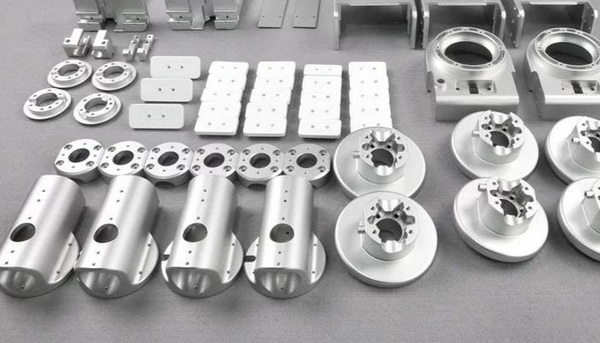
Rapid prototyping materials are any plastics, metals, elastomers, or composites that can be shaped quickly using digital manufacturing technologies like CNC machining, 3D printing, or rapid molding. These materials must support fast processing, acceptable cost, and properties that are close enough to final production parts to give reliable test results in rapid prototyping projects.
In practice, rapid prototyping materials cover everything from low‑cost thermoplastics for visual mockups to aerospace‑grade aluminum or titanium for functional and fatigue testing. OEM buyers usually choose materials that are either identical to future production grades or close engineering equivalents that are easier to process in small quantities while still supporting accurate rapid prototyping.
Rapid prototyping materials can be grouped into four main families: plastics, metals, elastomers, and composites or hybrid materials. Understanding these families helps engineers plan a complete rapid prototyping strategy from early concept to pre‑production runs.
- Plastics: Used for most design verification, fit checks, and many functional rapid prototyping parts.
- Metals: Used for structural, thermal, or high‑strength rapid prototyping in automotive, aerospace, and industrial equipment.
- Elastomers: Used when flexible, soft‑touch, or impact‑absorbing rapid prototyping components are required.
- Composites and hybrids: Combine properties (for example, nylon with aluminum powder) to get stiffness, light weight, or special finishes in rapid prototyping.
For overseas brands, combining these material groups under one rapid prototyping supplier helps run parallel tests: plastic housings, metal brackets, and flexible seals can all be produced and validated at the same time.
Plastics remain the most common rapid prototyping materials because they are light, cost‑effective, and available in many grades for machining and 3D printing. They allow quick iterations while still providing realistic behavior in many rapid prototyping applications.
Typical plastic rapid prototyping materials include:
- ABS (Acrylonitrile Butadiene Styrene) for durable functional prototypes and CNC parts.
- Polycarbonate (PC) for high impact resistance and optical clarity in demanding rapid prototyping.
- Nylon (PA) for strong, wear‑resistant rapid prototyping parts with moving hinges or clips.
- PLA and PETG for quick, low‑cost 3D printed rapid prototyping models.
- PEEK and other engineering plastics when high temperature or chemical resistance is needed.
When rapid prototyping is carried out by CNC machining, the same engineering plastics used in molding can be cut directly from plate or rod, making it easier to match production properties. With 3D printing, specialized photopolymers and thermoplastic filaments or powders enable complex geometries and internal channels that would be hard or impossible to machine, which greatly expands rapid prototyping design freedom.
Metals are essential rapid prototyping materials when the prototype must withstand real mechanical loads, heat, or harsh environments. Metal rapid prototyping is especially important in automotive, aerospace, industrial, and energy sectors.
Common metal rapid prototyping materials include:
- Aluminum (for example, 6061, 7075) for lightweight, strong, and highly machinable components.
- Stainless steel for corrosion‑resistant rapid prototyping used in medical, food, or marine environments.
- Carbon steel when cost and strength are more important than weight in rapid prototyping.
- Titanium for high strength‑to‑weight and biocompatibility in aerospace and medical rapid prototyping.
- Brass and copper for electrical or thermal rapid prototyping applications.
CNC machining is the primary process for metal rapid prototyping because it offers tight tolerances, stable surface finish, and compatibility with almost all common alloys. In some cases, metal additive manufacturing or rapid casting is used where very complex shapes or internal channels are required, and then CNC finishing is applied to achieve final precision on critical rapid prototyping surfaces.
Photopolymer resins are widely used rapid prototyping materials in stereolithography (SLA) and digital light processing (DLP) printing, especially when fine details and smooth surfaces are important. Resin‑based rapid prototyping is a strong choice for visual and ergonomic evaluation.
Typical resin rapid prototyping materials include:
- Standard resins for visual models and general‑purpose rapid prototyping.
- Tough or ABS‑like resins that mimic engineering plastics in rapid prototyping functional tests.
- High‑temperature resins for rapid prototyping of parts exposed to heat or tooling temperatures.
- Flexible resins that behave similarly to TPU or rubber‑like materials in rapid prototyping.
- Castable resins for jewelry, dental, and investment casting master patterns in rapid prototyping.
Resin‑based rapid prototyping can capture very small features and sharp edges, which is ideal for housings, medical devices, or detailed aesthetic prototypes. However, many resins are designed for short‑term use and may become brittle or discolored over time, so they are usually applied in early rapid prototyping stages rather than long‑term mechanical use.
Thermoplastics form another key class of rapid prototyping materials, especially in fused deposition modeling (FDM) and selective laser sintering (SLS). These technologies are standard in many rapid prototyping workshops because of their flexibility and material range.
Typical thermoplastic rapid prototyping materials include:
- ABS and ASA for durable, impact‑resistant FDM rapid prototyping.
- PLA and PETG for fast, economical rapid prototyping concept models.
- Nylon (PA12, PA11) powders for strong SLS rapid prototyping with good fatigue behavior.
- TPU and other flexible filaments or powders for elastomer‑like rapid prototyping parts.
- High‑performance thermoplastics like PEI for high‑temperature rapid prototyping under load.
SLS nylon has become a standard rapid prototyping material in many OEM supply chains because it combines strength, detail, and relatively isotropic mechanical properties. FDM thermoplastics are preferred when large rapid prototyping parts or robust jigs and fixtures are needed at relatively low cost and in short lead times.
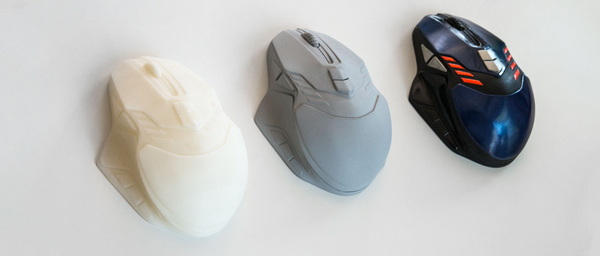
Elastomers are rapid prototyping materials used whenever flexibility, cushioning, or soft‑touch surfaces are required. They play an important role in consumer products, wearables, medical devices, and automotive interiors during rapid prototyping.
Typical elastomeric rapid prototyping materials include:
- TPU (Thermoplastic Polyurethane) for bendable, abrasion‑resistant rapid prototyping parts.
- TPE (Thermoplastic Elastomer) for soft grips, seals, and overmold test samples in rapid prototyping.
- Flexible SLA or DLP resins for fine‑detail flexible rapid prototyping.
- Silicone‑like materials in 3D printing for medical or wearable rapid prototyping.
TPU is especially popular because it can be printed by FDM and SLS, allowing both simple and complex rapid prototyping geometries with good toughness. Flexible resins and elastomeric materials help engineers verify ergonomics, sealing performance, and user feel early in the rapid prototyping process before investing in tooling.
Composite and hybrid rapid prototyping materials combine polymers with fibers or metal powders to achieve specific stiffness, weight, or appearance targets. These materials bring production‑level performance closer to the rapid prototyping phase.
Examples of composite rapid prototyping materials include:
- Nylon with glass or carbon fiber for stiff, lightweight rapid prototyping structural parts.
- Alumide, a nylon with aluminum powder blend, for metallic‑looking rapid prototyping with added rigidity.
- Filled resins (ceramic‑like or heat‑resistant) for high‑temperature rapid prototyping applications.
- Continuous‑fiber reinforced 3D printed materials for high‑performance rapid prototyping brackets and fixtures.
These hybrid rapid prototyping materials allow designers to test performance closer to production composite parts without committing to full tooling or complex lay‑up processes. In integrated factories, composite rapid prototyping can be combined with machined metal inserts or overmolded components to build realistic multi‑material assemblies.
CNC machining is a core rapid prototyping method because it can process a huge range of metals and plastics directly from CAD models. It is often the best way to produce precision rapid prototyping components that match production materials.
Typical CNC rapid prototyping materials include:
- Aluminum alloys (6061, 7075) for structural frames, housings, and precision parts.
- Stainless steel and tool steel for wear‑resistant rapid prototyping components.
- ABS, POM, PEEK, PC, and other engineering plastics for functional rapid prototyping.
- Brass and copper for electrical or decorative rapid prototyping features.
For overseas OEM buyers, CNC rapid prototyping is especially valuable because it often uses exactly the same grades that will be used in final mass production. This makes it easier to validate strength, machinability, and surface finish before committing to molds or long‑term supply contracts, and helps create a seamless bridge from rapid prototyping to batch manufacturing.
3D printing offers one of the broadest material portfolios for rapid prototyping, spanning resins, thermoplastics, and powders. It supports rapid prototyping at different stages, from quick draft models to highly detailed functional parts.
Common 3D printing rapid prototyping material categories include:
- SLA and DLP photopolymer resins for ultra‑smooth, detailed rapid prototyping components.
- FDM thermoplastic filaments such as ABS, PLA, PETG, Nylon, and TPU for general rapid prototyping.
- SLS powders like PA12, PA11, and TPU for durable, complex rapid prototyping geometries.
- Metal powders for SLM or DMLS rapid prototyping in aluminum, steel, or titanium.
Each 3D printing technology offers different trade‑offs in speed, cost, detail, and mechanical performance, so material selection must always be tied to the specific rapid prototyping goal. For example, concept models may use economical PLA, while functional rapid prototyping of load‑bearing brackets might require SLS nylon or printed metal with post‑machining.
Sheet metal is another important group of rapid prototyping materials for enclosures, brackets, and structural components. Rapid prototyping with sheet metal gives realistic results for mechanical fit, EMC, cooling, and assembly tests.
Typical sheet metal rapid prototyping materials include:
- Cold‑rolled steel and stainless steel for strong, welded rapid prototyping structures.
- Aluminum sheets for lightweight housings and panels in rapid prototyping.
- Copper and brass sheets for decorative or electrically conductive rapid prototyping applications.
With CNC laser cutting, bending, and welding, sheet metal rapid prototyping can deliver full‑size enclosures and machine frames within days. This allows OEMs to test assembly, cable routing, and ergonomics long before final production tooling is ready, and to adjust designs quickly during the rapid prototyping phase.
Choosing rapid prototyping materials requires balancing mechanical performance, cost, speed, and similarity to production materials. A clear material strategy ensures that each rapid prototyping iteration brings the project closer to mass production.
Key factors when selecting rapid prototyping materials include:
- Function: Is the rapid prototyping part for visual review, fit and assembly, or full functional testing?
- Environment: Will the rapid prototyping part face heat, chemicals, outdoor exposure, or repeated loading?
- Quantity: Are only a few rapid prototyping samples needed or dozens of parts for pilot runs?
- Process: Is CNC machining, 3D printing, sheet metal, or rapid molding the best fit?
- Transition to production: How close are the rapid prototyping materials to final production grades?
Working with an integrated factory like Shangchen helps overseas brands compare different rapid prototyping materials side by side, then smoothly scale successful prototypes into stable batch production. With experience in CNC machining, turning, sheet metal fabrication, 3D printing, and molding, Shangchen can recommend rapid prototyping materials that support both early testing and long‑term supply.
Rapid prototyping material | Main process | Typical use in rapid prototyping |
ABS, PC, Nylon plastics | CNC, FDM, SLS | Functional housings, clips, and mechanical rapid prototyping parts. |
Aluminum 6061 / 7075 | CNC, metal printing | Structural, lightweight rapid prototyping brackets and frames. |
Resin (SLA / DLP) | SLA, DLP | Aesthetic, detailed rapid prototyping models and small components. |
TPU and flexible resins | FDM, SLS, SLA | Flexible seals, grips, and wearable rapid prototyping parts. |
SLS Nylon (PA12, PA11) | SLS | Durable, complex rapid prototyping with moving or interlocking parts. |
Stainless steel / titanium | CNC, metal AM | High-load, high-temperature rapid prototyping in medical and aerospace. |
Using combinations of these rapid prototyping materials, engineers can simulate the full product—from internal mechanics to external covers and user‑touch surfaces—before locking the final design. This multi‑material rapid prototyping approach greatly reduces design changes later in the project.
Rapid prototyping materials now cover almost every engineering requirement, from low‑cost plastics and resins to advanced metals, elastomers, and composites. By understanding the strengths of each rapid prototyping material family and matching them with the right process—CNC machining, 3D printing, sheet metal, or rapid molding—OEM brands can dramatically reduce development risk and time‑to‑market.
As a one‑stop Chinese factory, Shangchen combines diverse rapid prototyping materials with flexible manufacturing processes, helping overseas brands, wholesalers, and manufacturers go from CAD concepts to validated prototypes and stable batch production more efficiently. Choosing the correct rapid prototyping materials at each project stage is one of the most powerful ways to ensure that final mass‑produced parts meet performance, cost, and quality targets while maintaining a competitive development cycle.
Contact us to get more information!
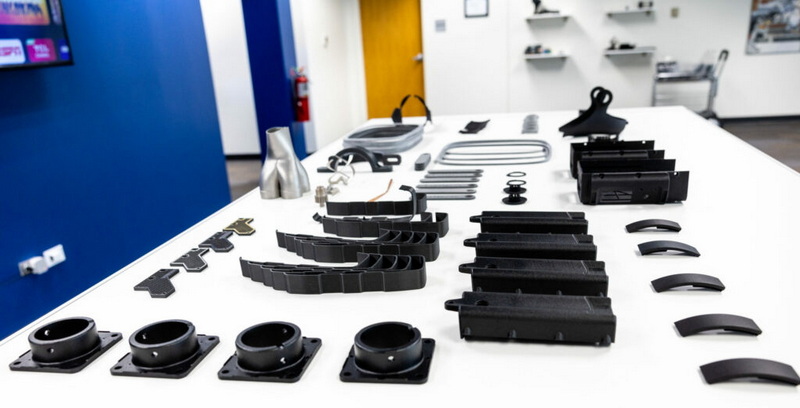
There is no single best rapid prototyping material; the choice depends on function, environment, and budget. For general functional prototypes, ABS, polycarbonate, and aluminum are widely used because they balance strength, cost, and machinability in rapid prototyping projects. For high‑temperature or chemical environments, engineering plastics like PEEK or metals such as stainless steel may be better rapid prototyping options.
The most common plastic rapid prototyping materials include ABS, PLA, PETG, polycarbonate, and nylon. These plastics cover everything from quick concept models to robust functional rapid prototyping parts. When higher performance is required, materials such as POM, PBT, or PEEK can be used in CNC or molding‑grade rapid prototyping to closely match final production properties.
Metals should be selected as rapid prototyping materials when parts must withstand real mechanical loads, high temperatures, or harsh conditions. Aluminum is suitable for lightweight rapid prototyping frames and housings, while stainless steel and titanium are often used in medical, aerospace, and industrial rapid prototyping where strength and durability are critical. Metal rapid prototyping is also preferred for components that will be produced from the same alloys in mass production.
Some tough and engineering‑grade resins provide sufficient strength for functional rapid prototyping, particularly in SLA and DLP processes. These resins can simulate ABS‑like behavior and are useful for housings, connectors, and small mechanical parts during rapid prototyping. However, many general‑purpose resins are best suited for visual or fit testing rather than long‑term mechanical use, so engineers often combine resin rapid prototyping with CNC or metal parts for final verification.
Choose CNC rapid prototyping materials when you need high precision, excellent surface finish, and a close match to final production metals or engineering plastics. CNC rapid prototyping is ideal for parts that will later be machined, molded, or die‑cast from the same or similar materials. Choose 3D printing rapid prototyping materials when complex shapes, internal channels, lattice structures, or very fast iterations are more important than exact production equivalence, especially in early design and concept validation.
1. https://formlabs.com/blog/ultimate-guide-to-rapid-prototyping/
2. https://www.fictiv.com/articles/rapid-prototyping-guide
3. https://www.gtvinc.com/different-materials-used-rapid-prototyping-services/
4. https://www.protolabs.com/resources/guides-and-trend-reports/rapid-prototyping-processes/
5. https://www.lsrpf.com/en/blog/what-materials-are-used-in-rapid-prototyping
6. https://cassprecisionmachining.com/industry-blog/materials-used-in-rapid-prototyping-a-comprehensive-guide/
7. https://www.raise3d.com/blog/3d-printing-for-rapid-prototyping/
8. https://www.shapr3d.com/content-library/rapid-prototyping-evolves-into-multiple-processes
9. https://www.solutionsmfg.net/blog/best-cnc-materials-for-precision-machining/
10. https://www.fictiv.com/articles/tpu-3d-printing-guide
11. https://prototek.com/article/rapid-prototyping-bridging-ideas-and-reality/
12. https://uptivemfg.com/cnc-prototype-machining/
13. https://www.protolabs.com/resources/blog/prototyping-technologies-for-3d-printing-sla-vs-fdm/
14. https://www.additive-x.com/blog/rapid-prototyping-guide-2022
15. https://www.protolabs.com/resources/design-tips/cnc-machining-materials/

