
Views: 222 Author: Amanda Publish Time: 2025-09-14 Origin: Site


Content Menu
● Common Sheet Metal Fabrication Defects
>> Cracks
>> Springback
>> Wrinkles
>> Uneven Bending and Distortion
>> Surface Defects (Scarring and Scratching)
>> Warping and Distortion from Heat
>> Cambering, Bowing, and Twisting
● Best Practices for Avoiding Sheet Metal Fabrication Defects
>> Material Selection and Quality Control
>> Tooling Design and Maintenance
>> Process Optimization and Control
>> Skilled Workforce and Training
>> Quality Inspection and Testing
● Frequently Asked Questions (FAQ)
>> 1. What are the most frequent defects in sheet metal bending?
>> 2. How can manufacturers prevent burr formation in sheet metal cutting?
>> 3. Why does springback occur and how is it compensated?
>> 4. How to reduce wrinkling during forming?
>> 5. What welding defects are common and how are they avoided?
Sheet metal fabrication is an essential manufacturing process prevalent in industries such as automotive, aerospace, electronics, and construction. This versatile technique shapes thin metal sheets into components and assemblies, providing precision and repeatability. However, like any manufacturing operation, Sheet Metal Fabrication is prone to defects that can affect product quality, functionality, and cost-efficiency. Understanding these common defects and implementing effective prevention strategies is paramount to ensuring superior outcomes.
This article offers a detailed exploration of the most frequent sheet metal fabrication defects, highlighting their causes and practical prevention methods. Emphasizing continuous quality control, proper process design, and skilled operation, it aims to equip manufacturers—such as rapid prototyping and precision production factories like Shangchen—with expert knowledge to optimize their sheet metal fabrication services.
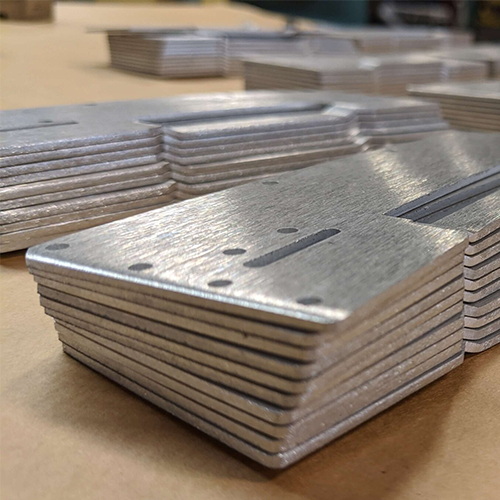
Sheet metal fabrication encompasses processes like bending, stamping, shearing, welding, and forming. Each step can produce characteristic defects if not managed properly. Understanding these defects is the first step towards mitigating them.
Cracking typically occurs in areas of tensile stress, especially near bends and corners. When the metal's ductility is exceeded, small fractures or splits develop, which compromise structural integrity.
Causes:
- Excessively sharp bend radii
- Material brittleness or work hardening
- Improper heat treatment or cooling
- Overstretching during forming operations
Prevention:
- Use gradual bend radii compatible with material type
- Preheat metals with low ductility during bending
- Select materials having good elongation properties for forming
- Apply stress relief treatments before fabrication
Springback is the elastic recovery of sheet metal once bending forces are removed. It causes the metal to partially return toward its original shape, leading to inaccurate dimensions or bend angles.
Causes:
- Material elasticity and thickness properties
- Insufficient plastic deformation during bending
- Tooling design and bending speed
Prevention:
- Incorporate overbend allowances calculated via simulation software
- Use CNC bending machines with precise force and angle control
- Select materials with lower springback characteristics if possible
- Maintain consistent bending speed and hold time
Wrinkles appear as small folds or ripples on the sheet surface, often on the inside of bends or draw walls, caused by material compression.
Causes:
- Excessive compressive forces during forming
- Insufficient blank holding pressure
- Inadequate lubrication or tooling clearance
Prevention:
- Increase blank holder pressure to stabilize material flow
- Utilize draw beads and binders to control metal stretching
- Optimize die clearance and apply sufficient lubrication
- Consider stretch forming instead of pure compression where feasible
Burrs are sharp edges remaining after cutting or shearing, and splitting is the tearing or necking of metal, often near holes or bends.
Causes:
- Dull or misaligned cutting tools
- Excessive cutting force or clearance
- Improper hole placement relative to bends
- Material exceeding tensile limits
Prevention:
- Maintain sharp blades with proper alignment and clearance
- Position holes away from high-stress bend areas
- Apply precision machining to reduce mechanical overloading
- Monitor material thickness and grade
Hole deformation occurs when holes elongate or distort during bending or forming, affecting fit and assembly readiness.
Causes:
- Friction and pressure variations during bending
- Incorrect ejector plate force in punches
Prevention:
- Adjust ejector plate pressure and positioning
- Harden ejector surfaces for smoother metal passage
- Position holes away from bending lines if possible
Uneven angles or unintended warping lead to parts that do not meet specifications or fit poorly.
Causes:
- Misalignment or wear in tooling
- Unequal bending force distribution
- Variability in sheet thickness
Prevention:
- Regularly calibrate and maintain tooling
- Use CNC equipment for consistent force application
- Ensure material thickness consistency
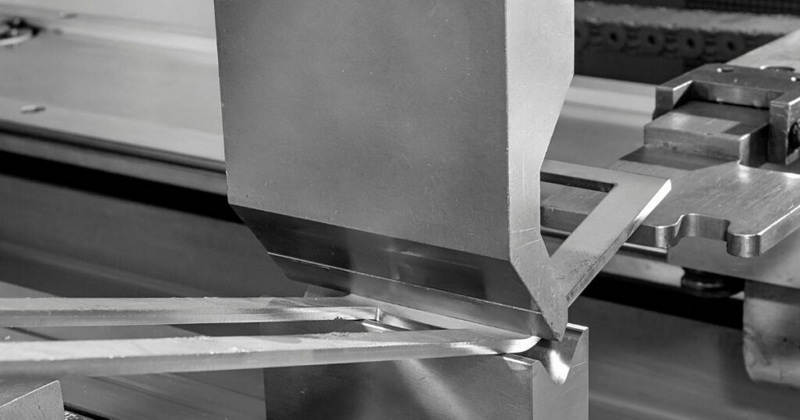
Welding in sheet metal fabrication often leads to issues such as porosity, spatter, undercutting, and cracking, weakening joints.
Causes:
- Incorrect welding parameters
- Surface contamination
- Inappropriate electrode size or technique
Prevention:
- Thoroughly clean surfaces before welding
- Calibrate welding parameters for metal type and thickness
- Regularly inspect and maintain equipment
- Train operators on welding methods
Visible surface imperfections such as scoring or indentations detract from product appearance.
Causes:
- Worn or damaged tooling
- Debris between die and sheet metal
- Improper handling
Prevention:
- Perform routine tool maintenance
- Use protective coatings and proper handling procedures
- Implement clean work environments
Excessive heat during forming, welding, or cutting leads to part warping, which causes dimensional inaccuracies.
Causes:
- Overheating during welding or cutting
- Inadequate cooling rates
- Uneven heat distribution
Prevention:
- Control heat input and monitor temperature
- Use fixtures and clamps during welding
- Employ controlled cooling techniques
These defects refer to curvature or twisting of coils or sheet metal due to uneven stresses during rolling or forming.
Causes:
- Uneven strain distribution in coils
- Improper coil handling or equipment setup
Prevention:
- Use coil slitting to straighten edges
- Align coils and tooling correctly
- Employ levelers and straighteners
Quality in sheet metal fabrication depends on an integrated approach involving design, process control, tooling, and workforce competence.
- Choose materials with suitable formability and mechanical properties.
- Inspect raw materials for consistency using ultrasonic or eddy current testing.
- Store metals under controlled conditions to prevent surface damage or corrosion.
- Design dies and tooling considering material flow and forming limits.
- Maintain tools to prevent wear-induced defects such as burrs or scratches.
- Regularly calibrate tooling to ensure dimensional accuracy.
- Use CAD and finite element analysis (FEA) software to simulate processes and predict defects.
- Control bending speed, force, lubrication, and temperature throughout operations.
- Implement real-time monitoring systems to detect abnormalities early.
- Provide comprehensive training on machinery, processes, and defect recognition.
- Foster a quality-focused culture emphasizing adherence to standards.
- Encourage documentation of process adjustments and defect analyses for continuous improvement.
- Conduct dimensional inspections using Coordinate Measuring Machines (CMMs).
- Perform non-destructive testing for weld integrity.
- Use surface finish measurements and visual inspections before shipment.
Sheet metal fabrication defects—such as cracks, springback, wrinkles, burrs, hole deformation, welding flaws, and warping—pose significant challenges in manufacturing high-quality metal components. However, understanding the root causes and adopting preventive measures can dramatically reduce their incidence. Optimal material selection, well-designed and maintained tooling, precise process control, and a skilled workforce working in synergy are the foundation for defect-free fabrication.
Implementing simulation tools, inspection systems, and continuous operator training further strengthens quality assurance. Manufacturers like Shangchen, specializing in rapid prototyping, CNC machining, and precision sheet metal production, can leverage these insights to enhance product reliability and customer satisfaction while minimizing waste and operational costs.
By committing to best practices and technological advancements, the sheet metal fabrication industry can deliver consistently superior parts essential for today's demanding engineering applications.
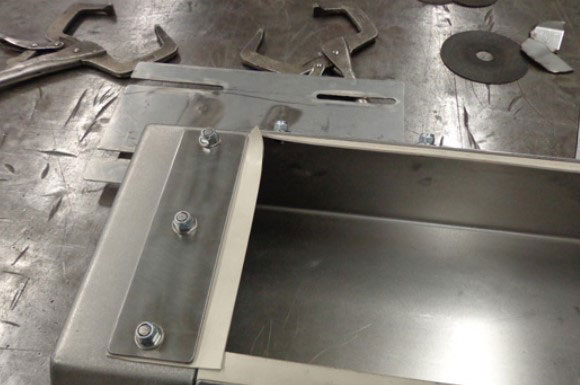
The leading defects include cracks due to excessive tensile stress, springback causing dimensional deviations, wrinkles from compressive forces, and uneven bend angles due to tooling inconsistencies.[1][3]
Maintaining sharp blades with correct clearance and alignment, combined with precision machining and careful tool setup, prevents burr-related defects.[3][8]
Springback occurs due to the elastic nature of metal after bending. It can be compensated by overbending in the tooling design or by using simulation software to predict and adjust for it.[1][3]
Increasing blank holder pressure, using draw beads for controlled metal flow, optimizing die clearance, and applying lubrication help to minimize wrinkling.[3][1]
Common welding defects include porosity, spatter, undercutting, and cracking caused by improper welding parameters or surface contamination. Thorough cleaning, proper parameter adjustment, and equipment maintenance are essential avoidance practices.[3]
[1](https://www.zintilon.com/blog/defects-in-sheet-metal-stamping/)
[2](https://www.lyah-machining.com/sheet-metal-bending-defects-and-solutions/)
[3](https://www.thephxway.com/common-sheet-metal-defects-remedies-in-sheet-metal-fabrication/)
[4](https://abc-vietnam.com/sheet-metal-fabrication-quality-control/)
[5](https://geomiq.com/sheet-metal-guide/)
[6](https://www.epowermetals.com/a-comprehensive-guide-to-sheet-metal-fabrication-design-solutions.html)
[7](https://www.creatingway.com/how-to-understand-and-solve-metal-sheet-fabrication-defects/)
[8](https://newmexico-metals.com/a-guide-to-preventing-sheet-metal-shearing-defects/)
[9](https://proleantech.com/sheet-metal-stretching-a-comprehensive-guide/)

