
Views: 222 Author: Amanda Publish Time: 2025-11-08 Origin: Site


Content Menu
● Mold materials and tool steels: building durable foundations
>> Aluminum molds for rapid prototyping and low-volume moulding production
>> Copper alloys and specialty materials
>> Thermoplastics standard families
>> Engineering plastics and high-performance polymers
>> Elastomers and thermoplastic elastomers
>> Thermosetting polymers and composite resins for specialised moulding
● Process and design considerations in material selection
● Mold design and processing considerations that influence material choice
● Machining, treatment, and finishing: enabling reliable moulding production
● Manufacturing scale: from prototyping to mass production
● Industry trends and innovations shaping moulding production
● FAQ
>> 1. How do I decide between aluminum and steel molds for a given project?
>> 2. What material properties most influence cycle time in moulding production?
>> 3. Which polymers are most common in moulding production for consumer parts?
>> 4. What maintenance practices extend mold life?
>> 5. Do coatings affect part release and surface finish?
Moulding production sits at the heart of modern manufacturing, turning raw materials into precise, repeatable components through tooling, molding, and finishing processes. Material selection in moulding production influences part performance, manufacturability, cycle times, wear on molds, and overall lifecycle cost. For brands, wholesalers, and contract manufacturers that rely on consistent quality at scale, understanding the spectrum of materials—from mold substrates to the resins used for the final parts—is essential. This guide presents the most common materials encountered in moulding production, with practical considerations for design, tooling, and production planning.
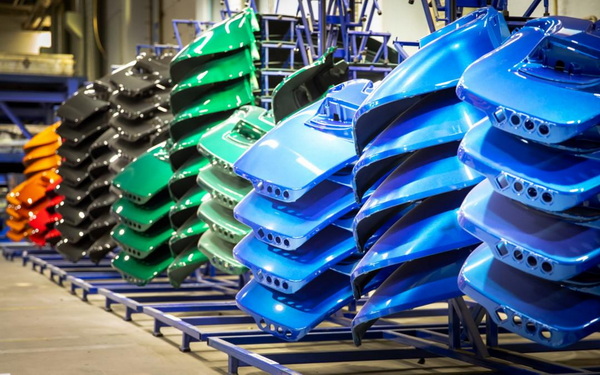
Mold components must withstand repeated high-pressure cycles, heat, and abrasive wear. The choice of mold materials drives durability, surface finish, and precision over the service life.
- Cold-work tool steels: Known for hardness and wear resistance, these steels deliver good longevity for high-volume moulding production. They balance toughness with edge retention, making them suitable for general-purpose molds and cores.
- Hot-work tool steels: Optimized for elevated temperatures, these steels maintain hardness and resist deformation under hot running conditions. They are favored for molds that process high-temperature resins or high-temperature cycles.
- Alloy tool steels: Enhanced with additional alloying elements to improve toughness, wear resistance, and thermal stability. These are common in molds designed for aggressive plastics, complex geometries, or demanding cycle requirements.
- Stainless steels: Used in corrosive environments or where surface finish is critical, stainless steels offer corrosion resistance and good dimensional stability, albeit at higher cost and often slower machining.
- Aluminum alloys (e.g., 6061, 7075) machine quickly, reducing lead times and cost for prototypes and low-volume runs. While not as wear-resistant as hardened steels, aluminum is favored for rapid iterations, design validation, and pilot production where mold longevity is less critical.
- In some moulds, materials such as beryllium copper are used for inserts where high thermal conductivity is required to speed heat transfer and shorten cycle times. These insert materials can be combined with strategic mold design to optimize production efficiency.
Polymer materials in moulded parts: selecting for performance and processability
Polymers used in injection and moulding production cover a broad range of performance envelopes, from low-cost consumer parts to high-performance engineering components. The material choice affects processing parameters, final properties, and long-term durability.
- Polyethylene (PE): Offers good toughness and chemical resistance; low cost makes it ideal for consumer packaging and simple living-hinge parts.
- Polypropylene (PP): Combines stiffness with impact resistance; widely used for automotive components, housings, and living hinges due to its fatigue resistance.
- Polystyrene (PS): Inexpensive and easy to process; used for packaging, consumer housings, and disposable items, though it has limitations in heat resistance.
- Acrylonitrile butadiene styrene (ABS): Strong and impact-resistant, even at low temperatures; a common choice for housings, enclosures, and automotive interior parts.
- Polycarbonate (PC): High strength-to-weight ratio, good impact resistance, and transparency; used for safety parts, housings, and electronics enclosures.
- Polypropylene-based copolymers and blends: Enhanced flow, crystallinity control, and impact properties tailored for specific applications.
- Nylon (PA): High toughness, good heat resistance, and wear resistance; suitable for mechanical components, gears, and bushings.
- Polyphenylsulfone (PPSU) and polysulfones: Excellent thermal resistance, chemical resistance, and toughness for demanding medical, automotive, or aerospace applications.
- Polyetherimide (PEI) and other high-temperature polymers: Used in applications requiring high heat resistance and dimensional stability.
- TPEs and TPUs: Flexible, impact-absorbing, and resistant to wear; used for seals, gaskets, and flexible components integrated into moulded parts.
- Epoxies and phenolics: Employed for high-temperature, rigid components and electrical/electronic applications where thermal stability is critical.
- Silicone elastomers: Used for molded seals, gaskets, and medical devices requiring flexibility and biocompatibility.
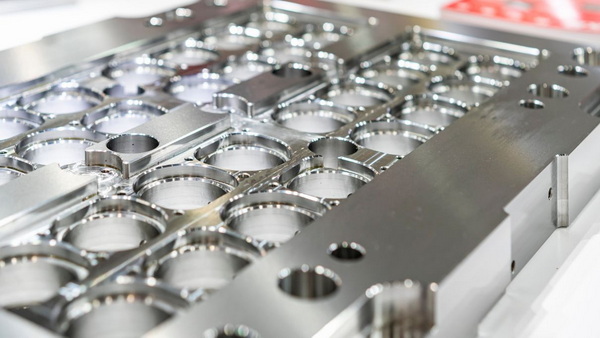
- Process compatibility: Ensure the chosen resin flows well into the mold at intended temperatures and pressures. For high-volume moulding production, consistent melt flow and shrinkage are crucial for dimensional accuracy.
- Cycle time and heat transfer: Materials with higher heat resistance may extend cycle times if cooling is slow; conversely, materials with better thermal conductivity or optimized tool cooling can shorten cycles.
- Warpage and dimensional stability: Materials with low shrinkage and stable mechanical properties under repeated cycles reduce the risk of part distortion.
- Surface finish and aesthetics: Some polymers polish readily, while others require texture or post-mold finishing to meet surface quality targets.
- Chemical and environmental resistance: Applications exposed to chemicals, moisture, or UV exposure demand materials with robust chemical resistance and weatherability.
- Cost and supply considerations: Material cost, availability, and supplier support influence total cost of moulding production, especially in high-volume programs.
- Mold surface finish and coatings: A smoother mold surface reduces part blemishes and reduces wear on the mold cavity, especially for clear or glossy parts. Special coatings can further reduce wear and lubricate the mold surface.
- Wear resistance and lifecycles: For high-volume moulding production, selecting mold materials and surface treatments that maximize tool life reduces replacement frequency and downtime.
- Insert design and modular tooling: Using hardened inserts or modular cores can improve maintenance efficiency and extend mold life by concentrating wear areas away from critical surfaces.
- Co-molding and insert molding: When different materials are combined in one part, material compatibility and processing windows must be carefully managed to avoid delamination or poor interfacial bonding.
- Surface treatment and finishing: Post-mold finishing (e.g., polishing, texturing, coating) can optimize aesthetics and functional surface properties for the final product.
- Machinability: Aluminum molds offer rapid machining; steel molds require more time but yield longer life. Selecting the right base material accelerates the build schedule.
- Heat treatment and hardening: Proper heat treatment enhances hardness and wear resistance for critical mold surfaces, balancing toughness and edge retention.
- Surface coatings: Nitriding, PVD/CVD coatings, and other surface treatments reduce wear, improve release characteristics, and extend mold life in high-speed moulding production.
- Surface texturing: Texturing the mold surface can improve part aesthetics or functional properties like friction and wear at the interface.
- Repair and refurbishment: Damaged mold cavities can be repaired and refurbished, extending the life of expensive tooling investments and reducing downtime.
- Prototyping and pilot runs: Early-stage production benefits from materials and mold choices that allow rapid iteration, quick feedback, and validation of design concepts.
- Low-volume to high-volume transitions: Aluminum or modular tooling supports quicker ramp-ups, while hardened steel molds provide longevity for long-running campaigns.
- Maintenance planning: Proactive mold maintenance, including inspection schedules, part geometry checks, and coating refresh, helps minimize unplanned downtime.
- Lifecycle cost considerations: The total cost of ownership includes mold fabrication, material costs, cycle times, maintenance, and eventual mold replacement or refurbishment.
- Additive tooling and hybrid processes: 3D-printed inserts, conformal cooling channels, and lightweight lattice structures within molds enable faster production and more efficient cooling.
- Advanced materials for molds: New stainless steels, high-performance tool steels, and coatings extend mold life under demanding production conditions.
- Sustainable and recycled content polymers: The industry increasingly explores recycled and bio-based polymers, with careful attention to processability and part performance.
- Modular tooling and quick-change systems: These systems reduce downtime between different production runs and enhance flexibility for contract manufacturers serving multiple brands.
Material choice in moulding production is a balance among performance, manufacturability, and lifecycle cost. For rigorous OEM environments, selecting mold materials and resins that optimize cycle times, wear resistance, and part quality translates into lower downtime, higher yield, and more predictable production schedules. This balance is central to Shangchen's value proposition: delivering rapid prototyping, precision machining, sheet metal fabrication, 3D printing, and mold-making capabilities that align with the demands of foreign brands, wholesalers, and manufacturers seeking reliable, scalable production solutions. By integrating robust material science with practical engineering and meticulous process control, moulding production becomes a tightly managed, cost-efficient pathway from concept to full-scale manufacture.
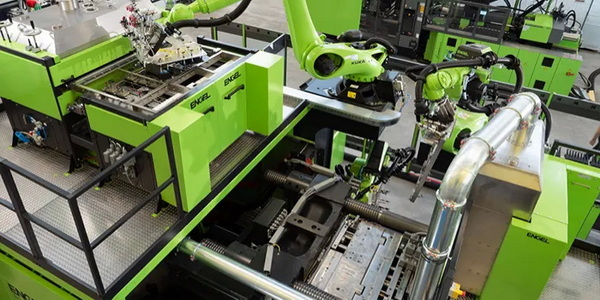
Aluminum molds are ideal for rapid prototyping and low- to mid-volume runs where speed and flexibility are prioritized; steel molds excel in high-volume, long-cycle production where wear resistance and durability are paramount.
Thermal conductivity of the mold, melt flow of the resin, shrinkage behavior, and cooling channel design are key determinants of cycle time and dimensional stability.
Common choices include ABS, PP, PE, PC, and PMMA, chosen for a balance of cost, processability, and performance for consumer applications.
Regular inspections, proper cooling management, timely repair of wear surfaces, coating refreshes, and controlled handling during changes between production runs.
Yes; coatings can reduce sticking, improve surface finish consistency, and extend mold life, but must be chosen to suit the resin, temperature regime, and cycle conditions.
[1](https://www.fictiv.com/articles/injection-molding-design-guide)
[2](https://www.goldengatemolders.com/post/injection-molding-101-a-comprehensive-guide-for-newcomers)
[3](https://geomiq.com/injection-moulding-guide/)
[4](https://www.unionfab.com/blog/2024/06/injection-molding-materials)
[5](https://xometry.pro/en/articles/injection-molding-materials/)
[6](https://www.protolabs.com/resources/guides-and-trend-reports/designing-for-moldability-fundamental-elements/)
[7](https://www.basilius.com/blog/the-complete-guide-to-injection-molding-materials/)
[8](https://iranettekal.com/moulding-and-molding/)
[9](https://www.ace-mold.com/mold-material-for-plastic-injection-a-comprehensive-guide/)
[10](https://www.extrememolding.com/blog/guide-to-mold-manufacturing-its-processes)

