
Views: 222 Author: Amanda Publish Time: 2025-12-17 Origin: Site


Content Menu
● Shangchen: Rapid Prototyping OEM Partner
● Improved Design Quality and Innovation
● Early Detection of Design Flaws
● Better Communication With Stakeholders
● Flexibility in Materials and Processes
● Support for Customization and Low Volumes
● Applications Across Industries
● How Shangchen Uses Rapid Prototyping for OEM Clients
● Typical Rapid Prototyping Workflow With Shangchen
● Rapid Prototyping in Early Concept Design
● Rapid Prototyping in Engineering Validation
● Rapid Prototyping for Pre-Production and Pilot Runs
● Benefits of Partnering With a One‑Stop Factory
● FAQ
>> 1. What is rapid prototyping in manufacturing?
>> 2. How does rapid prototyping reduce costs?
>> 3. Which processes are most common for rapid prototyping?
>> 4. When should a company use rapid prototyping?
>> 5. How can Shangchen support rapid prototyping projects?
Shangchen is a China-based factory providing rapid prototyping, CNC machining, precision batch production, turning, sheet metal fabrication, 3D printing, and mold production for international OEM customers. This capability mix allows rapid prototyping projects to move seamlessly from early samples to pilot runs and then to stable, repeatable mass production.

By combining digital manufacturing technologies with experienced engineering support, Shangchen helps overseas buyers turn CAD files into real parts in short lead times. OEM clients can request rapid prototyping in metals or plastics, compare multiple design options, and validate critical features well before committing to expensive tooling or large purchase orders.
One of the most important benefits of rapid prototyping is reduced development time from concept to launch. Instead of waiting weeks or months for conventional tooling, teams can receive rapid prototyping samples in days, test them immediately, and start the next iteration without delay. This faster learning cycle lets companies compress entire development schedules, shortening the time to market.
Rapid prototyping also accelerates cross-functional decision-making because design, engineering, and marketing teams can review real parts at the same time. When a design is physically available so quickly, product managers can approve features, choose versions, and align launch plans with far more confidence and speed.
Rapid prototyping helps control development budgets by avoiding heavy upfront costs for molds, dies, and fixtures during early design stages. Instead of committing to full tooling for a design that may still change, teams can use rapid prototyping methods to validate concepts with low setup costs and minimal waste. This approach keeps cash requirements lower and more flexible.
Because rapid prototyping makes it easier to detect issues early, it reduces the need for expensive engineering changes once tooling and supply chains are fixed. Design corrections made after tooling is built often require reworking molds, scrapping parts, and adjusting assembly lines, all of which can be far more expensive than a few additional rapid prototyping cycles at the front end.
Rapid prototyping directly supports higher design quality because physical parts reveal details that are easy to miss on a screen. Engineers can feel edges, measure gaps, test assembly sequences, and evaluate ergonomics with real hands-on feedback. This leads to more refined parts, better fit between components, and fewer surprises when production starts.
At the same time, rapid prototyping encourages innovation by making it cheap and fast to explore new ideas. When each additional design variation only requires another rapid prototyping batch rather than a full tooling change, teams are more willing to test different geometries, internal structures, and aesthetic choices. Over many iterations, this freedom translates into better-performing, more attractive, and more competitive products.
Another key benefit of rapid prototyping is the early detection of design flaws that might otherwise stay hidden until production. Physical prototypes can be built in translucent materials, strong engineering plastics, or metals so that functional tests, assembly trials, and environmental checks can be conducted realistically. These tests often expose issues in wall thickness, mounting points, clearances, and stress concentrations.
When flaws are discovered at the rapid prototyping stage, corrective actions are straightforward: adjust the CAD model, send a new file, and receive the next prototype. By contrast, if those same flaws appear after tooling is completed, companies may face costly redesigns, missed deadlines, and reputational damage. Rapid prototyping therefore acts as a safety net for the whole project.
Rapid prototyping dramatically improves communication between all stakeholders: designers, engineers, management, suppliers, and end customers. A physical part is easier to understand than a drawing or rendering, so questions about size, weight, surface finish, and usability can be resolved quickly. Stakeholders can point to specific features, make notes directly on samples, and agree on changes without misunderstanding.
For OEM cooperation, rapid prototyping parts make it much easier for overseas buyers and factories to align on expectations. Samples can be inspected on both sides, and any differences in tolerances, color, or finishes can be discussed using the same physical reference. This reduces misinterpretation caused by language, cultural, or standards differences and strengthens long-term partnerships.
Rapid prototyping is no longer limited to simple plastics. Today, engineers can choose from many processes and materials, including SLA and SLS polymers, FDM thermoplastics, CNC-machined metals, cast-like urethanes, and sheet metal prototypes. This flexibility allows different stages of development to use different types of rapid prototyping according to the specific goal.
For early design verification, a low-cost plastic rapid prototyping method may be enough to validate geometry and ergonomics. Later, when structural performance and durability need to be tested, rapid prototyping can shift to CNC machining in aluminum, steel, or engineering plastics. Because technologies are complementary, teams can design a rapid prototyping plan that balances speed, cost, and realism.
Many modern products require customization, regional variants, or frequent updates, which makes traditional tooling-heavy approaches expensive and slow. Rapid prototyping is naturally suited to low-volume and customized production because it avoids most of the time and cost associated with hard tooling. Instead, changes are made digitally, then produced via flexible equipment.
For OEM brands, this means that customized housings, brackets, fixtures, or marketing samples can be created quickly even in small numbers. Rapid prototyping makes limited runs, pilot series, and special editions more economical, giving companies more freedom to respond to customer requests or test niche markets without investing in full-scale tooling.
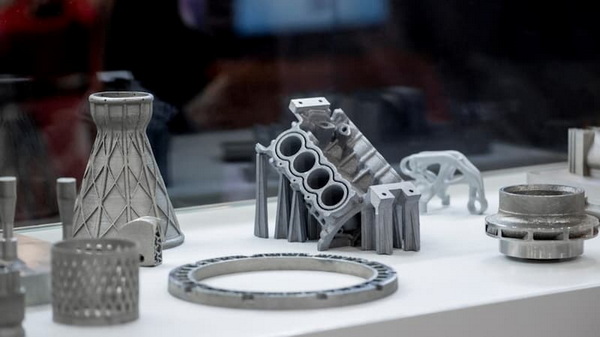
Committing to production tooling is one of the biggest risk points in any project, because mistakes at this stage are expensive to fix. Rapid prototyping reduces this risk by giving engineers a way to confirm that the design is stable and manufacturable before any mold steel is cut. Every successful rapid prototyping iteration increases confidence that the final tooling will work as intended.
In practice, rapid prototyping allows teams to fine-tune draft angles, radii, ribs, bosses, and undercuts so that parts release properly, fill correctly, and maintain structural strength. Instead of discovering shrinkage, warpage, or assembly interference after tools are built, companies use rapid prototyping to check for potential issues in advance and adjust the design accordingly.
Rapid prototyping is used across a wide range of industries such as automotive, aerospace, consumer electronics, medical devices, industrial machinery, and household appliances. Each sector benefits in a slightly different way, but the core advantages are similar: quicker validation, safer launches, and better-performing products.
Automotive teams, for example, use rapid prototyping to test interior components, mounts, ducts, brackets, and exterior accessories before building expensive tooling. Medical device companies rely on rapid prototyping to check ergonomics, biocompatible materials, and assembly sequences, while electronics manufacturers use it to validate housings, connectors, and thermal management features.
Shangchen integrates rapid prototyping directly into its OEM workflow, starting from customer drawings or 3D models. Engineers review geometry, suggest process options, and then choose appropriate rapid prototyping methods such as 3D printing, CNC milling, CNC turning, or sheet metal fabrication. This practical guidance is especially helpful for overseas clients without in-house manufacturing expertise.
Once rapid prototyping parts are confirmed, the same team and equipment can transition to precision batch production, mold development, and larger-scale machining or forming. Because all stages share a common manufacturing environment, the knowledge gained from rapid prototyping—ideal tolerances, surface finishes, assembly sequences, and inspection methods—feeds directly into mass production without being lost.
A typical OEM rapid prototyping workflow with Shangchen begins with CAD data exchange and design-for-manufacturing review. During this step, engineers check for thin walls, unsupported features, difficult-to-machine regions, and potential assembly conflicts. Recommendations are then provided to optimize the design for rapid prototyping and future production.
Next, Shangchen selects technologies and materials that best match the project needs: plastic 3D printing for concept mock-ups, metal CNC for functional tests, or sheet metal bending and welding for structural parts. After parts are produced, they are inspected, assembled if needed, and shipped to the customer for testing. Feedback from each rapid prototyping round is then used to update the design, gradually converging on a production-ready solution.
During early concept phases, rapid prototyping allows designers to explore different shapes, sizes, and ergonomic options quickly. Instead of relying only on 2D sketches or screen renders, teams can handle real components, test how they fit with human hands, and evaluate visibility, accessibility, and user interaction. This is especially important for handheld devices, control panels, and consumer products.
Early rapid prototyping also helps marketing teams refine product positioning. By seeing realistic concept models, they can give feedback on style, branding elements, and perceived quality, ensuring that engineering decisions support commercial goals. These cross-functional discussions often happen much earlier and more effectively when supported by rapid prototyping samples.
Once the basic concept is set, rapid prototyping moves into a more technical role: engineering validation. At this stage, prototypes are built using materials and processes that simulate final performance as closely as possible. CNC-machined metals or high-performance polymers are common choices, depending on the type of product and the loads it must handle.
Engineers then run dimensional inspections, assembly tests, and functional trials using these rapid prototyping parts. They check whether the product meets strength, stability, thermal, and vibration requirements and make any necessary design adjustments. Because rapid prototyping enables multiple engineering validation rounds in a short time, risk is reduced significantly before any production commitment.
As a project nears launch, rapid prototyping can also support pre-production and pilot builds. Small batches can be manufactured to mimic final production conditions, including surface finishes, coatings, laser marking, and packaging. By assembling and testing these pilot units, teams can verify logistics, quality inspection steps, assembly line layout, and packaging efficiency.
This stage of rapid prototyping often reveals small but important details: screw lengths, cable routing, gasket compression, label positions, and protective packaging strengths. Catching and correcting such issues before large-scale production greatly reduces scrap, rework, and shipping problems once the product is officially released to market.
Using rapid prototyping with a one-stop supplier like Shangchen offers additional benefits compared with splitting work across multiple vendors. When the same factory handles rapid prototyping, batch production, and tooling, communication is simpler and technical knowledge is shared more effectively. There is less risk of misunderstanding between design phases and production phases.
A one-stop partner can also coordinate capacity and prioritize critical rapid prototyping projects that feed directly into upcoming mass production, helping OEM buyers keep tight launch schedules. This integrated approach to rapid prototyping and manufacturing promotes consistent quality, stable costs, and easier long-term collaboration.
Rapid prototyping delivers a powerful combination of speed, cost savings, design quality, and risk reduction for global brands, wholesalers, and manufacturers. By making it easy to build and test real parts early and often, rapid prototyping shortens time to market, improves product performance, and supports better communication among all stakeholders.
For overseas OEM buyers, working with a capable Chinese factory like Shangchen (sc-rapidmanufacturing.com) unlocks the full potential of rapid prototyping across the entire product lifecycle—from first sketches and engineering validation to pilot runs and mass production. When rapid prototyping is integrated into a structured, one-stop workflow, it becomes not only a technical tool but also a strategic resource for long-term business success.
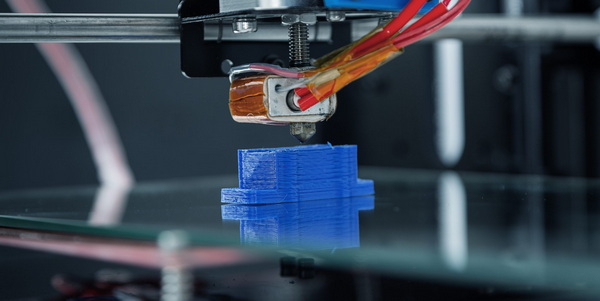
Rapid prototyping in manufacturing is the use of fast, flexible processes such as 3D printing, CNC machining, and sheet metal fabrication to turn digital designs into physical parts for testing, validation, and refinement before mass production. It focuses on quick turnaround and easy iteration rather than high-volume output.
Rapid prototyping reduces costs by avoiding premature investment in hard tooling and by catching design errors early, when changes are still cheap and simple. Instead of paying for tool rework and late-stage scrap, companies spend modest amounts on multiple prototype rounds to achieve a stable, production-ready design.
Common processes used for rapid prototyping include SLA, SLS, and FDM additive manufacturing, along with CNC milling, CNC turning, and quick-turn sheet metal fabrication. These methods can produce visual models, functional prototypes, and pre-production samples in both plastics and metals, depending on project requirements.
A company should use rapid prototyping whenever it needs to validate new designs, compare alternative concepts, customize products, or reduce risk before ordering tooling and launching production. Rapid prototyping is especially valuable in concept design, engineering validation, and pilot builds where feedback and changes are frequent.
Shangchen supports rapid prototyping projects by offering an integrated mix of 3D printing, CNC machining, turning, sheet metal fabrication, precision batch production, and mold manufacturing in one facility. Overseas clients can send CAD data, receive rapid prototypes and small runs, and then scale to mass production while keeping consistency in quality, materials, and processes.

