
Views: 222 Author: Amanda Publish Time: 2025-10-18 Origin: Site


Content Menu
● Understanding Vacuum Mold Casting
>> Key Features of Vacuum Mold Casting
● Understanding Injection Molding
>> Key Features of Injection Molding
● Comparing Vacuum Mold Casting and Injection Molding
>> Production Volume and Speed
>> Precision and Surface Finish
>> Mold Longevity and Maintenance
>> Flexibility and Design Changes
● Applications for Vacuum Mold Casting
● Applications for Injection Molding
● FAQ
>> 1. What is the typical production volume suited for vacuum mold casting?
>> 2. Can vacuum mold casting achieve the precision of injection molding?
>> 3. How quickly can parts be produced using vacuum mold casting?
>> 4. Are materials used in vacuum mold casting as strong as injection molding materials?
>> 5. Why is injection molding less suitable for prototyping?
Choosing the right manufacturing process is critical for delivering products that meet quality expectations, budget considerations, and deadlines. Two of the most widely used methods for creating plastic parts—Vacuum Mold Casting and Injection Molding—serve distinct needs depending on production volumes, design complexity, and material requirements. For manufacturers providing rapid prototyping, precision machining, and OEM services, such as Shangchen, understanding the differences between these techniques is essential.
This comprehensive article demystifies vacuum mold casting and injection molding by detailing their processes, advantages, limitations, cost structures, material options, and ideal applications. It aims to guide brand owners, wholesalers, and manufacturers in making well-informed decisions about prototyping and production methods.
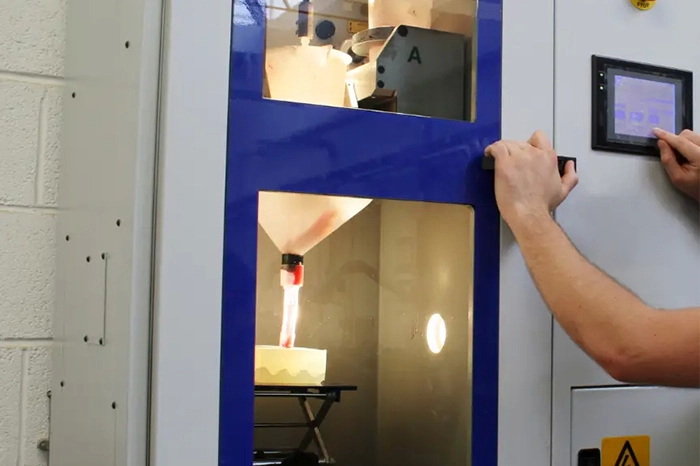
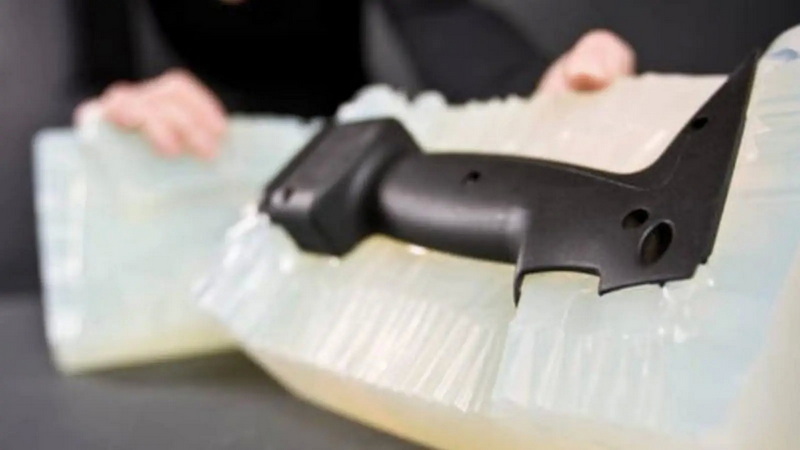
Vacuum mold casting is a versatile manufacturing process used primarily for producing prototypes and low-volume parts. It involves creating a silicone mold from a master model, usually made via CNC machining or 3D printing. Liquid resin is then introduced into the vacuum chamber, which removes air bubbles and helps the resin flow evenly into every detail of the mold.
- Employs flexible silicone molds, often produced quickly and cheaply relative to metal molds.
- Suitable for small batch sizes, typically up to 20-30 parts per mold before the silicone deteriorates.
- Uses polyurethane resins that closely mimic the look and feel of various thermoplastics.
- Capable of achieving high-quality surface finishes, making it popular for aesthetic prototypes.
- Allows for design flexibility including complex shapes, undercuts, and fine textures.
Despite its benefits, vacuum casting molds have limited durability, which restricts large-scale production. The materials used, while versatile, generally lack the mechanical strength and thermal resistance of those used in injection molding.
Injection molding is the go-to process for mass production of plastic components. The method involves melting plastic pellets and injecting the molten material under high pressure into a hardened steel or aluminum mold. Once cooled and solidified, the part is ejected, and this cycle repeats rapidly for thousands or millions of parts.
- Uses robust metal molds designed for longevity and high volumes.
- Supports a vast range of thermoplastics and elastomers, enabling parts with diverse mechanical and thermal properties.
- Produces parts with excellent dimensional accuracy and consistency.
- Excellent for complex parts requiring fine detail, strength, and durability.
- Higher initial mold costs but much lower cost per piece in large-scale runs.
Injection molding requires longer lead times initially due to mold fabrication and testing but offers unmatched production speed and cost efficiency at scale.
Vacuum mold casting is ideal for prototyping and limited production runs, typically up to a few hundred units. Production rates are relatively slow, generally around 1–10 parts per day per mold. In contrast, injection molding excels in medium to large-volume production, capable of producing hundreds to thousands of parts daily depending on mold cavity numbers.
- Tooling Cost: Vacuum casting molds are made from silicone, which is inexpensive and quick to produce, translating to low upfront costs. Injection molding requires metal molds, which involve substantial upfront investment and longer manufacturing times.
- Part Cost: Vacuum cast parts are more expensive per unit because of manual labor and low volume, whereas injection molded parts benefit from automation and scale economies, reducing per-piece cost significantly.
- Setup Time: Vacuum casting offers faster setup and lead times, making it appealing for time-sensitive projects. Injection molding requires weeks to months to prepare molds but is more efficient afterward.
Injection molding supports a broader spectrum of plastic materials—including engineering-grade thermoplastics like ABS, nylon, polycarbonate, and specialized elastomers. This allows customization of strength, flexibility, heat resistance, and chemical properties. Vacuum casting mostly uses polyurethane resins, which can replicate many plastic finishes but generally lack the advanced mechanical performance of injection molding materials.
Injection molding achieves higher dimensional precision, with tighter tolerances due to hard metal molds that can be machined to exact specifications. This is critical in applications requiring uniformity and complex detailing. Vacuum casting provides excellent surface finishes suitable for prototypes and visual models but doesn't match injection molding's repeatability and tight tolerances.
Silicone molds for vacuum casting typically last for around 20-30 parts before degradation necessitates replacement. Metal molds used in injection molding are durable and can last for hundreds of thousands or even millions of cycles, significantly reducing long-term costs for high-volume production.
Vacuum casting is well-suited for rapid iterations and design validation due to low tooling costs and fast mold-making processes. Injection molding is less flexible, as making mold modifications is expensive and time-consuming once production starts.

Vacuum mold casting is particularly advantageous for:
- Product prototypes for design validation and market testing
- Low- to medium-volume batch production (typically fewer than 1000 units)
- Products requiring complex designs with surface detail and textures
- Cost-sensitive projects requiring fast turnaround times
- Visual or functional prototypes to simulate final product aesthetics
Injection molding is preferred when:
- Large-scale production runs are required (thousands to millions of parts)
- High consistency, tight tolerances, and mechanical strength are critical
- A diverse range of high-performance materials is needed
- Production efficiency and automation help minimize costs over time
- End-use parts need durability and long service life
| Feature | Vacuum Mold Casting | Injection Molding |
| Tooling cost | Low, silicone molds | High, metal molds |
| Mold life | Short, ~20-30 parts | Long, hundreds of thousands+ parts |
| Production volume | Low to medium | Medium to very high |
| Setup speed | Fast, days to weeks | Slow, weeks to months |
| Material choices | Limited, polyurethane resins | Extensive, wide range of thermoplastics |
| Precision | Good, suitable for visual prototypes | Excellent, suitable for precision parts |
| Surface finish | Exceptional for aesthetics | High quality, depends on mold finish |
| Cost per part | High for low volumes | Low for high volumes |
| Flexibility for changes | High, easy and cheap mold alteration | Low, expensive mold changes |
Deciding between vacuum mold casting and injection molding hinges on your production scale, budget, timing, and material requirements. Vacuum mold casting shines in producing high-quality prototypes and limited runs quickly and affordably, though with limitations in material strength and mold durability. Injection molding is ideal for mass production, offering excellent precision, material versatility, and cost efficiency in high volumes despite greater initial investment and longer lead times.
For companies like Shangchen providing rapid prototyping, CNC machining, and OEM plastic manufacturing, vacuum mold casting presents an excellent solution for development and pilot production, while injection molding stands out for scaling successful products into mass market deliveries.
Vacuum mold casting is best for low volumes, generally up to a few hundred parts per mold, because of the limited lifespan of silicone molds.[1][2]
No. While vacuum casting offers good detail and surface finish, injection molding delivers higher dimensional accuracy and tighter tolerances due to its durable metal molds.[2][7]
Vacuum mold casting can produce parts typically within 10 to 15 days after mold creation, making it faster for prototyping than injection molding.[1][2]
Vacuum casting resins simulate many plastic finishes but generally do not match the mechanical strength or thermal resistance of injection molding plastics.[2][1]
Injection molding requires expensive, time-consuming mold fabrication, making it economically unviable for small runs or frequent design changes, unlike vacuum casting.[1][2]
[1](https://xometry.pro/en/articles/vacuum-casting-vs-injection-molding/)
[2](https://www.3erp.com/blog/vacuum-casting-vs-injection-molding/)
[3](https://www.xometry.com/resources/injection-molding/injection-molding-vs-vacuum-forming/)
[4](https://www.makerverse.com/resources/casting/injection-molding-vs-vacuum-casting-a-comparative-analysis/)
[5](https://www.youtube.com/watch?v=JhE9ZelxxlQ)
[6](https://quickparts.com/gb/vacuum-casting-or-injection-moulding/)
[7](https://www.pcbway.com/blog/Injection_Molding/Injection_molding_Vs_Vacuum_casting__how_to_choose.html)
[8](https://proleantech.com/vacuum-casting-vs-injection-molding/)
[9](https://jlc3dp.com/blog/examining-and-differentiating-vacuum-casting-3d-printing-and-injection-moulding)

