
Views: 222 Author: Amanda Publish Time: 2025-07-30 Origin: Site


Content Menu
● What Is Vacuum Mold Casting?
>> How Does Vacuum Mold Casting Work?
>> Benefits of Vacuum Mold Casting Manufacturers and Suppliers
● Leading Vacuum Mold Casting Manufacturers and Suppliers in Canada
● Detailed Overview of the Vacuum Mold Casting Process
>> Step 1: Master Pattern Creation
>> Step 2: Silicone Mold Fabrication
>> Step 3: Resin Casting Under Vacuum
>> Step 5: Demolding and Finishing
● Why Choose Canadian Vacuum Mold Casting Manufacturers and Suppliers?
>> Quality Assurance and Technological Edge
>> Proximity and Supply Chain Convenience
>> Flexible Material Options and Customization
● Industry Applications of Vacuum Mold Casting in Canada
>> Aerospace
>> Industrial and Commercial Applications
● Emerging Trends in Canadian Vacuum Mold Casting
>> Precision Manufacturing at Scale
>> Collaborative Design Services
● Selecting the Right Vacuum Mold Casting Manufacturer or Supplier in Canada
>> 2. How durable are parts produced by vacuum mold casting manufacturers and suppliers?
>> 3. What industries most benefit from vacuum mold casting services?
>> 4. Can vacuum mold casting achieve tight tolerances and complex shapes?
>> 5. Is vacuum mold casting environmentally friendly?
Vacuum mold casting has emerged as a pivotal manufacturing process, facilitating precision, speed, and versatility for industries requiring high-quality prototypes and small to medium production runs. Canada has established itself as a robust hub for vacuum mold casting manufacturers and suppliers, offering advanced solutions to meet diverse industrial demands. This comprehensive guide explores the leading vacuum mold casting manufacturers and suppliers in Canada, outlines the advantages of this process, and answers pressing questions through a dedicated FAQ section.
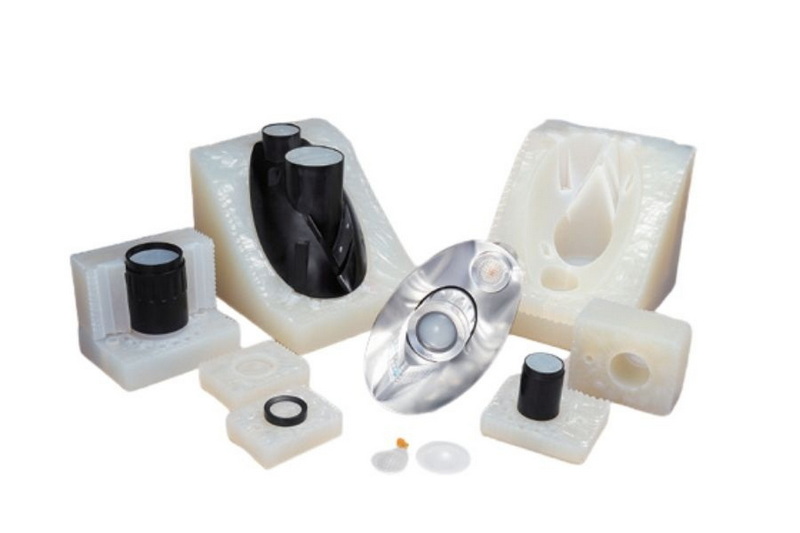
Vacuum mold casting, also known as the V-process or urethane casting, is a versatile manufacturing method. It utilizes a silicone mold and resin or other polymers poured under vacuum pressure, resulting in detailed, bubble-free, and high-strength parts. This process is ideal for rapid prototyping and producing limited-run parts with complex geometries.
1. Master Model Creation: A detailed master model is produced using CNC machining or 3D printing. This model serves as the exact pattern for the mold.
2. Mold Fabrication: Silicone is poured around the master to form a two-part mold, capturing intricate details precisely.
3. Vacuum Casting: The mold is assembled, and resin is poured under vacuum pressure. The vacuum removes trapped air, ensuring parts are free of bubbles and defects.
4. Curing: The mold is placed in an oven to cure, strengthening the parts and solidifying their structure.
5. Demolding: Finished parts are carefully removed and post-processed if required, such as trimming, painting, or additional finishing.
Vacuum mold casting offers several advantages that make it a preferred method for custom manufacturing and prototyping:
- Rapid Turnaround and Cost-Effectiveness: This method enables quick production of prototypes and small batch runs without the high tooling costs of injection molding.
- Precision and Surface Finish: Silicone molds reproduce fine details exactly, and vacuum pressure ensures the absence of air bubbles, resulting in superior surface quality.
- Material Flexibility: Manufacturers can use various resins with different physical properties, enabling tailored functionality such as flexibility or durability.
- Versatility for Complex Designs: The process supports the creation of intricate shapes, undercuts, and detailed features that might be difficult with other methods.
- Scaling Capability: While excellent for prototypes and small production batches, vacuum mold casting can also support medium-volume manufacturing runs efficiently.
Location: Burlington
Specialties: Thermoforming, vacuum forming
Overview: Prothermoform stands as a premier name in Canadian vacuum mold casting manufacturing. The company continually upgrades its equipment and expands its capabilities to produce precise plastic components for diverse industries such as automotive, consumer goods, and healthcare. Their commitment to quality and innovation has earned them a strong reputation among OEM clients.
Location: Cambridge
Specialties: Design, vacuum and thermoforming, precision prototyping
Overview: Saving clients time and money through accelerated product development, Saver Innovations offers comprehensive services spanning product design to low-volume manufacturing. With years of experience and a focus on customer collaboration, they excel in delivering complex projects without compromising on precision.
Location: Ontario
Specialties: Custom vacuum forming, OEM solutions
Overview: Formtech Plastics specializes in OEM vacuum mold casting and thermoforming with a customer-oriented approach. Offering extensive material choices and finish options, their solutions span sectors including automotive parts, industrial equipment, and advertising displays, making them a versatile industry supplier.
Location: Ontario
Specialties: Single and twin sheet vacuum forming, project management
Overview: With over 30 years in the plastic manufacturing industry, Soroc Products combines experience with innovation to deliver top-tier vacuum mold casting services. Their approach integrates project management excellence and a keen focus on meeting stringent deadlines.
Location: Quebec
Specialties: Custom molds, vacuum casting, supply-chain integration
Overview: ODC Tooling & Molds is recognized for its capability to design and produce custom molds that meet complex OEM requirements, supporting everything from prototype development to full-scale production. Their integrated supply chain services help clients reduce lead times and streamline product delivery.
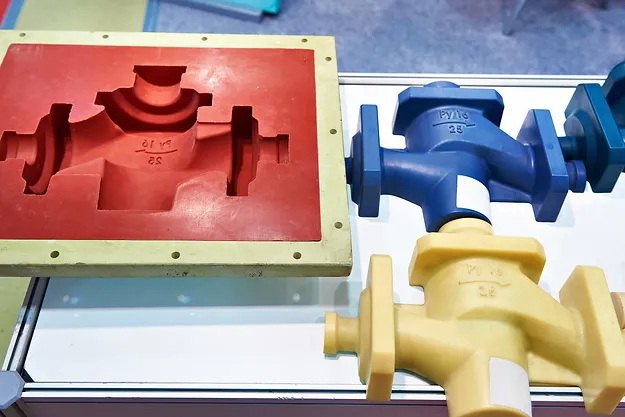
The process begins with fabricating a master pattern, which can be made through advanced CNC machining or 3D printing technologies. This master part represents the final component's exact shape and dimensions, ensuring the mold captures every detail perfectly.
Liquid silicone is poured around the master, creating a two-part mold after curing. Silicone's flexibility is key, as it allows molding of complex shapes with undercuts, which are difficult to achieve with rigid molds.
The silicone mold halves are joined and placed inside a vacuum chamber. Resin or urethane is mixed and poured into the mold under vacuum, removing trapped air and preventing bubble formation. This step directly affects the structural integrity and visual clarity of the finished part.
The mold with the resin cast inside is heated in an oven to cure the material. This hardens the resin, locking in strength and shape. Careful control of curing time and temperature ensures optimal physical properties.
After curing, the mold is opened, and the part is removed carefully to avoid damage. The part is then trimmed, polished, or painted depending on the end-use requirements. This finishing phase can include complex surface treatments and assembly steps.
Canadian manufacturers are known for stringent quality standards, employing precise quality control measures at every stage to deliver flawless components. Innovations such as integrated CAD/CAM workflows and rapid prototyping tools support superior design iterations and efficiency.
For North American businesses, Canadian suppliers provide geographic advantages that reduce shipping times and costs, facilitating faster project completion and responsiveness.
Leading Canadian manufacturers offer end-to-end solutions including design assistance, prototyping, mold making, part fabrication, and final production, helping customers streamline their supply chains.
Canadian suppliers support a wide variety of resins and composites, enabling customers to select materials suited for mechanical strength, heat resistance, or biocompatibility as necessary.
Vacuum mold casting enables rapid development of automotive parts, such as interior panels, trims, and lighting components. Its ability to produce detailed, durable parts expedites the prototyping and testing phases critical in automotive design cycles.
For the electronics sector, vacuum mold casting is indispensable for manufacturing sleek, precise housings and connectors. The process supports the trend toward miniaturization and custom ergonomic designs.
Canadian suppliers often collaborate with medical device companies to produce custom parts for diagnostics and testing equipment, adhering to rigorous quality and biocompatibility standards essential in healthcare.
The aerospace industry benefits from vacuum casting's capacity to quickly produce functional prototypes and limited-run parts that meet strict safety and performance criteria, while reducing development costs and lead times.
Other sectors such as recreational equipment, advertising, and packaging utilize vacuum mold casting for creating prototypes and specialized production parts with complex geometries and demanding aesthetic finishes.
Manufacturers are increasingly adopting eco-friendly resins and optimizing processes to minimize waste emissions. Some are offering recyclable materials and exploring biodegradable polymers to reduce environmental footprints.
Innovations in mold technology and casting methods are enabling vacuum mold casting to achieve tighter tolerances and more consistent quality, making it viable for larger production runs with complex requirements.
The integration of CAD/CAM technologies and digital twin simulations is streamlining design-to-production workflows, accelerating development cycles, and enhancing accuracy.
Canadian manufacturers are emphasizing partnerships with clients during the design phase, offering value-added engineering to improve manufacturability, reduce costs, and shorten time-to-market.
When choosing a vacuum mold casting partner, consider the following factors:
- Experience: Engage suppliers with proven track records in your industry.
- Technical Capabilities: Ensure the availability of advanced equipment and skilled technicians.
- Customer Collaboration: Opt for companies that offer design support and work closely with your R&D teams.
- Material and Finish Options: Confirm their flexibility in accommodating specialized product requirements.
- Certification and Compliance: Check that suppliers comply with pertinent quality standards such as ISO and environmental regulations.
Canada is a leading destination for vacuum mold casting manufacturing, offering an impressive combination of advanced technology, skilled professionals, and comprehensive OEM solutions. Its manufacturers and suppliers cover a broad spectrum of industries, delivering parts with excellent precision, durability, and aesthetic quality. By leveraging the Canadian ecosystem of vacuum mold casting expertise, businesses can accelerate product development, reduce costs, and gain a competitive edge in the global market. Whether for rapid prototyping, small-batch production, or custom OEM parts, Canada's vacuum mold casting manufacturers and suppliers provide reliable, innovative, and tailored solutions designed for success.
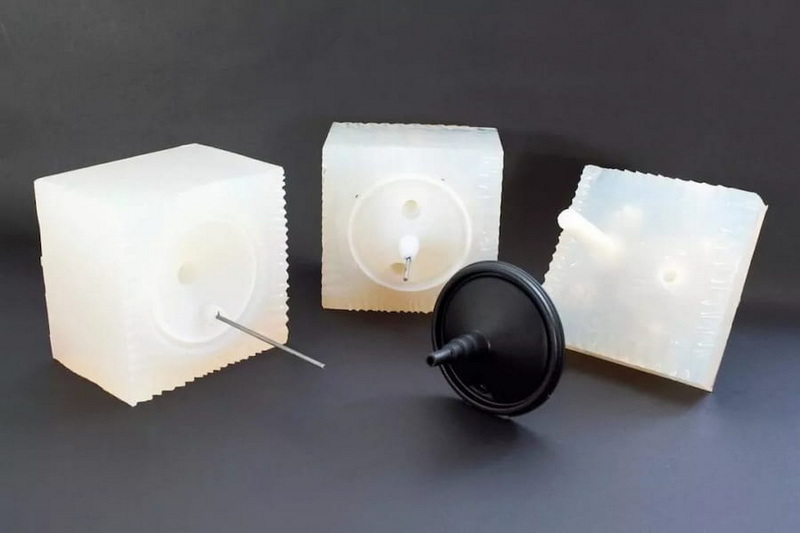
Vacuum mold casting provides a quick and cost-effective way to produce highly detailed and dimensionally accurate prototypes. It allows manufacturers to test design concepts, make adjustments rapidly, and produce functional parts without the expense of hard tooling.
Parts produced through vacuum mold casting are generally very durable, suitable for testing, functional prototypes, and even low-volume production. The strength depends on the resin material used, but high-performance urethane resins offer excellent wear resistance and impact strength.
Industries such as automotive, aerospace, consumer electronics, medical devices, and industrial equipment heavily rely on vacuum mold casting due to its flexibility in producing complex geometries quickly and cost-effectively.
Yes, vacuum mold casting is well-suited for replicating intricate details and maintaining tight tolerances thanks to flexible silicone molds and vacuum resin infusion, which eliminate defects caused by trapped air.
Many Canadian vacuum mold casting suppliers are adopting greener practices by utilizing recyclable and biocompatible materials, reducing process waste, and integrating sustainable manufacturing methodologies to minimize environmental impact.

