
Views: 222 Author: Amanda Publish Time: 2025-07-30 Origin: Site


Content Menu
● What is Vacuum Mold Casting?
● Benefits of Vacuum Mold Casting
● Applications of Vacuum Mold Casting
● Leading Vacuum Mold Casting Manufacturers and Suppliers in Australia
>> Zeal 3D
>> COLETEK
>> 3ERP
● OEM Services in Vacuum Mold Casting
● Why Partner with Australian Suppliers?
● The Future of Vacuum Mold Casting in Australia
● Frequently Asked Questions (FAQ)
>> 1. How does vacuum mold casting differ from injection molding?
>> 2. What are the best materials for vacuum mold casting?
>> 3. How many parts can one silicone mold produce?
>> 4. What industries most benefit from vacuum mold casting?
>> 5. How fast can I receive my parts through Australian vacuum mold casting services?
Vacuum mold casting is revolutionizing the way prototypes and short-run production parts are crafted, especially in Australia. As global manufacturing shifts towards increased flexibility, faster delivery, and customized solutions, vacuum mold casting stands out for its ability to produce high-quality, precision components at lower costs and faster turnarounds. This article delves deep into the vacuum mold casting process, its benefits, practical applications, and a detailed overview of the leading vacuum mold casting manufacturers and suppliers in Australia. By exploring these aspects, readers will gain a comprehensive understanding of why vacuum mold casting is an attractive manufacturing method for many industries today.
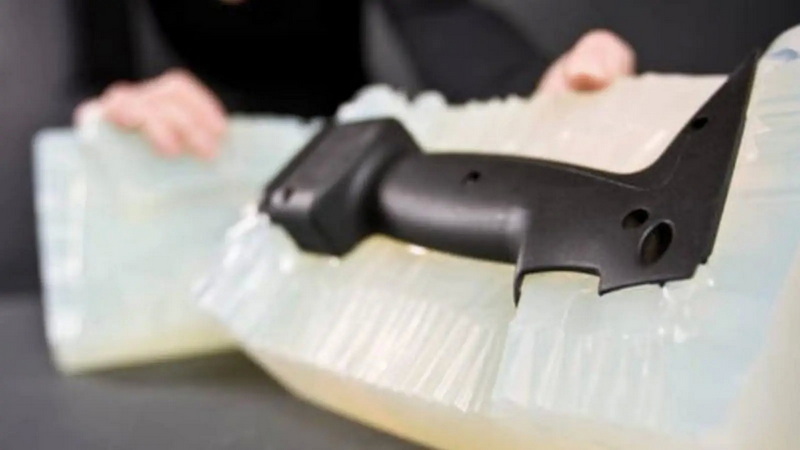
Vacuum mold casting, often known as resin or urethane casting, is a specialized process that uses a vacuum chamber to remove trapped air bubbles from the casting material. This technique ensures the creation of parts with superior precision and accuracy, typically utilizing silicone molds to replicate the master pattern. The process is particularly well-suited for prototyping, small-batch production, and manufacturing components that require fine detail and an excellent surface finish.
1. Master Pattern Creation: The journey begins with crafting a master pattern, which can be produced through CNC machining or modern 3D printing technologies. This master serves as a perfect model for future reproductions.
2. Mold Fabrication: The master pattern gets encased in liquid silicone rubber that cures over time into a flexible yet durable mold, capable of capturing every intricate detail of the original.
3. Degassing and Mixing: The casting material, typically polyurethane resin or similar substances, is carefully mixed and then subjected to vacuum degassing to eliminate air bubbles.
4. Pouring Into the Mold: The degassed resin is poured into the silicone mold inside a vacuum chamber, allowing the resin to fill every cavity without trapping air bubbles.
5. Curing: Once filled, the molds are placed in an oven to cure. The curing process solidifies the resin, creating a hard and detailed replica of the master.
6. Demolding and Finishing: After curing, the cast part is carefully extracted from the mold, ready for any finishing processes such as sanding, painting, or assembly. The silicone molds can be reused multiple times, typically lasting through 10 to 50 castings depending on handling and mold complexity.
Vacuum mold casting offers numerous advantages that make it a compelling choice for manufacturers and product developers:
- Exceptional Surface Quality: The vacuum process ensures parts that closely resemble injection-molded products with smooth surfaces, sharp edges, and fine details.
- Wide Material Compatibility: Vacuum casting supports a variety of materials including polyurethane, ABS, polycarbonate, polypropylene, and silicone-based resins, offering flexibility in choosing material properties like toughness, color, and transparency.
- Cost Efficiency: Without the need for expensive metal tooling, vacuum mold casting is an economical choice for prototyping and low-volume production, enabling businesses to avoid costly upfront capital investments.
- Speed and Flexibility: This method reduces lead time drastically, allowing rapid design iterations and quick development cycles, essential to keep pace with market demands.
- Customization Options: Cast parts can be produced in various colors, finishes, and textures directly from the mold, with additional post-processing options available to meet specific aesthetic or functional requirements.
Vacuum mold casting has found a wide range of applications across various industries, owing to its versatility and precision:
- Automotive Industry: Used extensively to prototype interior and exterior parts, vacuum casting allows designers to test new concepts, fit, and function before committing to mass production.
- Medical Devices: The process is highly beneficial in producing ergonomic housings, device prototypes, and functional samples—where accuracy and surface finish are crucial.
- Aerospace: For aerospace applications, vacuum mold casting provides small batches of strong, lightweight, and precise parts that often require unique materials and compliances.
- Consumer Electronics: Manufacturers utilize vacuum casting for high-quality housings, buttons, decorative parts, and functional components that demand excellent surface quality and tight tolerances.
- Industrial Equipment: Functional prototypes and small production runs for industrial machines and equipment benefit from the flexibility and cost-effectiveness of vacuum casting.
- Art and Design: Artists and designers utilize vacuum mold casting to produce small runs of intricate decorative objects with high detail.
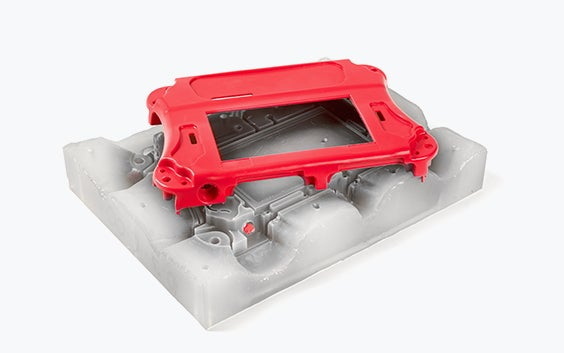
Zeal 3D is acknowledged as a top-tier supplier in Australia, offering end-to-end vacuum mold casting services. From master mold fabrication to delivering final cast parts, Zeal 3D supports rapid prototyping and small-batch production, specializing in resin and silicone mold services tailored to customer specifications.
Known internationally, Xometry's Australian branch provides urethane casting and vacuum mold casting services. Their offerings cater to startups and established manufacturers alike and include ISO-certified production procedures, diverse material selections, and a seamless online ordering system for fast quotes and orders.
3D Prototyping focuses on producing vacuum cast parts in quantities ranging from 10 to 500 units, delivering quick and cost-effective solutions for companies in need of both prototypes and limited production runs. Their expertise lies in silicone mold making and efficient delivery.
Though primarily a supplier of casting resins and molding materials, Rowe Advanced Materials supports the vacuum mold casting industry by providing a vast array of high-quality materials suitable for industrial production and artisan casting ventures throughout Australia.
COLETEK's strength lies in rapid, small-batch vacuum casting services in the Sydney region. Their emphasis is on supporting minimum viable product (MVP) development and user testing with quick turnaround times and customized technical solutions.
3ERP excels in silicone mold making and urethane casting for complex and highly detailed parts. They focus on low-volume milling with ±0.3% accuracy, delivering precision vacuum cast parts for prototypes and small production runs with a turnaround of roughly 15 days.
Australian manufacturers also offer comprehensive OEM services, which encompass every step of the product lifecycle from initial concept and design, through prototyping, batch manufacturing, and finishing processes such as painting and assembly. This suite of services is especially valued by international brand owners, wholesalers, and product manufacturers who require full confidentiality, rigorous quality control, and flexible production options to bring their products to market reliably.
- Strict Quality Standards: Australian manufacturers often adhere to ISO and other internationally recognized quality certifications, guaranteeing consistency and dependability.
- Proximity and Speed: Local manufacturing reduces logistical complexities and lead times, especially when servicing domestic or nearby international clients.
- Technical Expertise: Australian engineers and technicians bring decades of combined experience in vacuum casting, ensuring projects run smoothly and meet demanding specifications.
- Logistics and Infrastructure: Australia's solid transport and infrastructure networks facilitate efficient delivery, crucial for time-sensitive manufacturing schedules.
- Innovation and Support: Suppliers often work closely with clients during product development, delivering technical advice, prototyping assistance, and custom solutions.
Australia's vacuum mold casting industry continues to evolve rapidly, integrating traditional craftsmanship with cutting-edge digital manufacturing techniques such as advanced 3D printing and automation. This hybrid approach enables suppliers to meet increasing demands for quality, speed, and customization. As global markets require more specialized, short-run production and more agile product development cycles, vacuum mold casting remains a strategic manufacturing process. Companies investing in these technologies and partnerships are well-positioned to maintain a competitive edge, delivering both innovation and high-value components.
Vacuum mold casting has firmly established itself as a critical manufacturing process within Australia's prototyping and small-volume production landscapes. Through its combination of cost-effectiveness, speed, and superb surface quality, it offers manufacturers and brands a robust method to develop, test, and produce innovative products. By partnering with leading Australian vacuum mold casting manufacturers and suppliers, businesses can enjoy streamlined OEM services, technical expertise, and reliable delivery schedules tailored to international market demands. As the industry advances with new materials and technologies, vacuum mold casting remains an indispensable tool for achieving precision, customization, and competitive agility in today's complex manufacturing world.
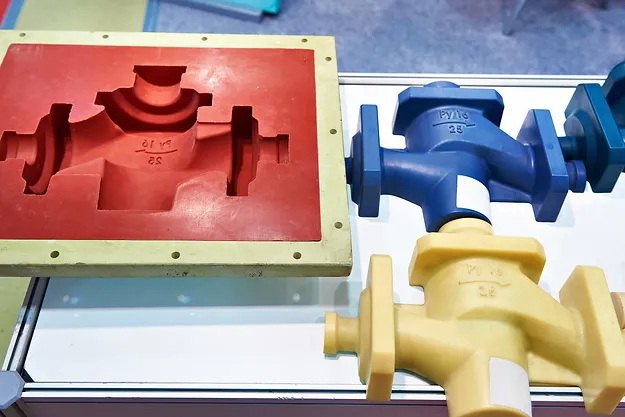
Vacuum mold casting employs a vacuum to evacuate air bubbles from a resin poured into flexible silicone molds, resulting in highly detailed parts without heavy and costly tooling. Injection molding uses high pressure to inject molten material into hardened steel molds, suitable for very high-volume production but generally less feasible for prototypes or small batches due to tooling expenses.
Polyurethane resins are the most common due to their versatility and strength. Other materials include ABS, polycarbonate, polypropylene, and specialized silicones, all offering varying degrees of durability, finish, colorability, and mechanical properties tailored to specific uses.
Silicone molds typically yield between 10 and 50 parts depending on the material, mold design, and care taken during casting. With advanced mold materials and stringent handling, molds may last longer, but casting quantity is limited compared to metal tooling.
Automotive, medical, aerospace, consumer electronics, and industrial manufacturing industries benefit greatly from vacuum mold casting for prototyping and low-volume production needs, thanks to its flexibility and precision.
Most Australian manufacturers can complete initial batches within 10 to 15 business days from approval of design files. Some suppliers offer expedited services for urgent needs, ensuring rapid turnaround without compromising quality.

