
Views: 222 Author: Amanda Publish Time: 2025-07-13 Origin: Site


Content Menu
>> Key Features
>> Step 1: Master Model Creation
>> Step 2: Silicone Mold Fabrication
>> Step 3: Resin Casting Under Vacuum
>> Step 4: Curing and Demolding
● Advantages of Vacuum Casting
● Applications of Vacuum Casting
>> Aerospace
>> Other Emerging Applications
● Top Vacuum Casting Manufacturers and Suppliers in Europe
>> Prototype Projects (United Kingdom)
>> Laser Prototypes Europe (LPE) (United Kingdom & Ireland)
>> Xometry Europe (Pan-European)
>> KL TECHNIK GmbH & Co. KG (Germany)
>> Plunkett Associates Ltd (United Kingdom)
>> CMA Moldform Limited (United Kingdom)
>> INEO Prototipos S.L. (Spain)
>> ARRK Product Development Group Ltd. (United Kingdom)
● How to Choose the Right Vacuum Casting Partner
● FAQ
>> 1. What materials are commonly used by vacuum casting manufacturers and suppliers?
>> 2. How many parts can be produced from one silicone mold?
>> 3. What are the main advantages of using vacuum casting for prototyping?
>> 4. Can vacuum casting manufacturers and suppliers handle large parts?
>> 5. How do I select the best vacuum casting supplier for my project?
Vacuum casting is a highly versatile and cost-effective manufacturing process, widely used for producing prototypes and low-volume production parts with exceptional accuracy and surface finish. As industries across Europe continue to demand rapid prototyping and customized solutions, the role of vacuum casting manufacturers and suppliers becomes increasingly vital. This article explores the top vacuum casting manufacturers and suppliers in Europe, delves into the vacuum casting process, showcases its applications, and provides a comprehensive guide for businesses seeking reliable partners in this field.
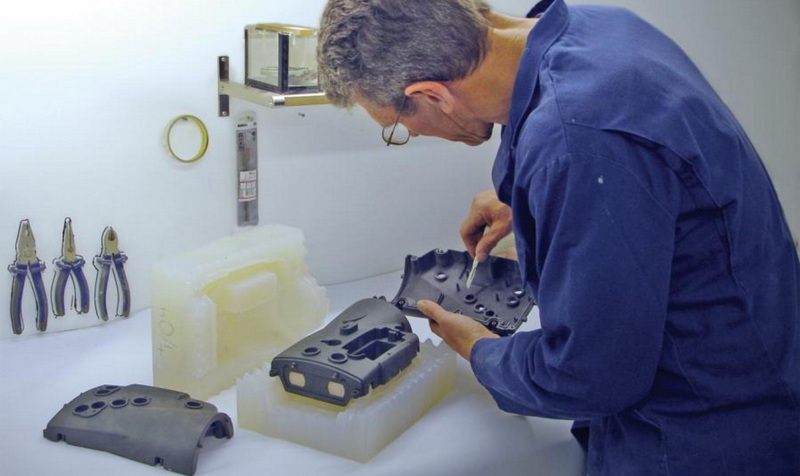
Vacuum casting is a manufacturing technique that uses a vacuum to draw liquid materials—typically polyurethane resins or elastomers—into a silicone mold. This process allows for the creation of complex, detailed, and high-quality parts, making it ideal for prototyping and small-batch production. Vacuum casting manufacturers and suppliers offer a range of materials and finishing options, enabling the production of parts that closely mimic the properties of final production components.
- High accuracy: Reproduces fine details from the master model.
- Material versatility: Supports a wide selection of plastics and rubbers.
- Cost-effective: Lower tooling costs compared to injection molding.
- Speed: Rapid turnaround for prototypes and short runs.
The vacuum casting process consists of several precise steps to ensure high-quality, repeatable results.
A master model is typically produced using 3D printing or CNC machining. This model defines the final part's geometry and surface finish. The quality of the master model is crucial because any imperfections will be replicated in the silicone mold and subsequently in the cast parts.
The master model is encased in liquid silicone, which is then cured to form a flexible mold. Once cured, the mold is carefully cut open to remove the master model, leaving a cavity for casting. Silicone molds are favored for their flexibility, durability, and ability to capture fine details.
Liquid resin is mixed and poured into the silicone mold inside a vacuum chamber. The vacuum removes air bubbles, ensuring the resin fills every detail of the mold. This step is critical to avoid defects such as voids or bubbles that could compromise the part's structural integrity or surface finish.
The filled mold is cured—often in an oven—then opened to release the finished part. The process can be repeated multiple times with the same mold, usually yielding 10-20 parts before mold degradation. The curing time varies depending on the resin type and part size.
Parts may undergo finishing processes such as trimming, sanding, painting, or surface texturing to meet specific requirements. Some vacuum casting manufacturers and suppliers also offer assembly, quality inspection, and packaging services to provide a turnkey solution.
Vacuum casting offers several unique benefits that make it a preferred choice for prototyping and low-volume manufacturing.
- Rapid Prototyping: Quick turnaround times allow for fast design iterations, enabling companies to accelerate product development cycles.
- Low Tooling Costs: Silicone molds are inexpensive compared to metal tooling, making vacuum casting ideal for short runs and prototypes.
- Material Variety: A wide range of resins, including transparent, flexible, rigid, and high-temperature grades, can be used to simulate production plastics.
- Excellent Surface Finish: Parts often require minimal post-processing due to the smooth finish of silicone molds.
- Complex Geometries: Capable of reproducing intricate details, undercuts, and thin walls that might be challenging for other manufacturing methods.
- Reduced Waste: The process is efficient in material usage, contributing to sustainability goals.
Additionally, vacuum casting is highly adaptable, allowing manufacturers to tailor mechanical properties such as hardness, flexibility, and color to meet specific application requirements. This versatility is why many industries rely on vacuum casting for functional prototypes and small-batch production.
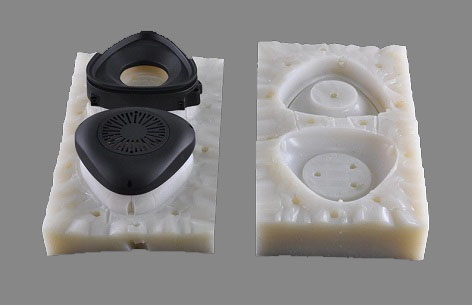
Vacuum casting is used across various industries due to its adaptability and high-quality results.
In automotive design and manufacturing, vacuum casting is widely used for prototyping interior trim, dashboard components, light housings, and functional testing parts. The ability to produce parts with realistic materials and finishes allows designers and engineers to evaluate ergonomics, aesthetics, and functionality before committing to expensive tooling.
The medical sector benefits from vacuum casting for producing ergonomic housings, connectors, and disposable devices. Vacuum casting allows for the use of biocompatible and sterilizable materials, which are essential for medical applications. Rapid prototyping helps accelerate product development while ensuring compliance with regulatory standards.
Vacuum casting manufacturers and suppliers produce enclosures, buttons, and transparent covers for electronic devices. The process supports quick iteration and testing of new designs, enabling companies to bring innovative products to market faster.
The aerospace industry requires lightweight, durable components that can withstand demanding environments. Vacuum casting is used for low-volume production of parts such as interior panels, brackets, and functional prototypes, helping aerospace companies reduce costs and development time.
Manufacturers of industrial machinery use vacuum casting for rapid prototyping of machine parts, custom assemblies, and functional testing components. The ability to produce parts with specific mechanical properties ensures that prototypes perform reliably under operational conditions.
Beyond these traditional sectors, vacuum casting is gaining traction in fields such as robotics, sports equipment, and fashion accessories. Its ability to produce small batches of customized parts makes it ideal for startups and innovators seeking flexible manufacturing solutions.
Europe is home to a diverse range of vacuum casting manufacturers and suppliers, each offering unique capabilities and expertise. Below is a curated list of some of the most reputable companies in the region:
Established in 1980, Prototype Projects specializes in rapid prototyping and low-volume production, including vacuum casting services. Their advanced facilities and experienced team deliver high-quality parts for various industries. They emphasize customer collaboration and provide design support to optimize manufacturability.
With over 30 years of experience, LPE provides vacuum casting services using a broad selection of materials. They are known for their precision, quality assurance, and ability to handle both small and large orders. LPE also offers complementary services such as 3D printing and CNC machining.
Xometry offers on-demand vacuum casting services with a wide material selection and fast lead times. Their digital platform connects customers with a network of qualified suppliers across Europe, enabling competitive pricing and scalability.
KL TECHNIK specializes in vacuum casting for prototyping and small series production, offering flexible solutions tailored to client needs. Their focus on innovation and quality makes them a preferred partner for automotive and industrial clients.
FACTUREE is an online manufacturer providing vacuum casting services with a focus on precision and a wide range of part sizes. Their streamlined ordering system and transparent pricing simplify the procurement process.
Proto&Go! delivers rapid vacuum casting and silicone molding services, supporting quick prototyping and short production runs. They emphasize fast delivery and high-quality finishes, catering to product designers and engineers.
Plunkett Associates offers comprehensive vacuum casting services, from design support to final production, serving clients across Europe. Their expertise spans automotive, industrial, and consumer product sectors.
CMA Moldform is known for its high-quality vacuum casting and prototyping services, catering to aerospace, automotive, and consumer product sectors. They provide tailored solutions including finishing and assembly.
INEO Prototipos provides vacuum casting, 3D printing, and CNC machining, supporting clients with rapid prototyping and small-batch production. Their integrated approach helps streamline product development.
ARRK offers full-service vacuum casting, including material selection, finishing, and quality control, with a strong presence in the European market. Their global network and technical expertise make them a reliable partner for complex projects.
Selecting the best vacuum casting manufacturers and suppliers for your project involves careful consideration of several factors:
Evaluate the supplier's ability to handle your required materials, part sizes, and complexity. Advanced equipment and skilled technicians are essential for high-quality results. Ask about their experience with similar projects and their capacity for customization.
Look for suppliers with robust quality control processes, certifications (such as ISO 9001), and the ability to provide inspection reports. Consistency in quality is critical, especially for functional prototypes and parts used in final assemblies.
Consider the supplier's turnaround times and their willingness to accommodate urgent or custom requests. Some manufacturers offer expedited services for time-sensitive projects.
A good vacuum casting partner should offer a broad selection of resins and elastomers to match your application needs. Verify their ability to provide materials with specific mechanical, thermal, or aesthetic properties.
Responsive communication, design assistance, and after-sales support are crucial for a smooth project experience. Suppliers who engage early in the design phase can help optimize parts for vacuum casting, reducing costs and improving outcomes.
While vacuum casting is generally cost-effective for low volumes, pricing can vary based on part complexity, material choice, and finishing requirements. Obtain detailed quotes and clarify any hidden fees to ensure budget alignment.
Increasingly, companies are prioritizing environmentally responsible manufacturing. Inquire about the supplier's waste management, energy use, and use of recyclable or bio-based materials.
Europe's vacuum casting manufacturers and suppliers play a pivotal role in supporting innovation across industries. Their expertise in rapid prototyping, material selection, and low-volume production empowers businesses to bring ideas to life quickly and efficiently. Whether you are developing a new product, testing a design, or producing functional prototypes, partnering with a reputable vacuum casting supplier ensures high-quality results and a competitive edge in the market.
With the growing demand for customized, high-precision parts, vacuum casting remains an indispensable process for companies seeking flexibility, speed, and cost-efficiency. By carefully selecting the right vacuum casting partner, businesses can unlock new opportunities for product development and manufacturing excellence.
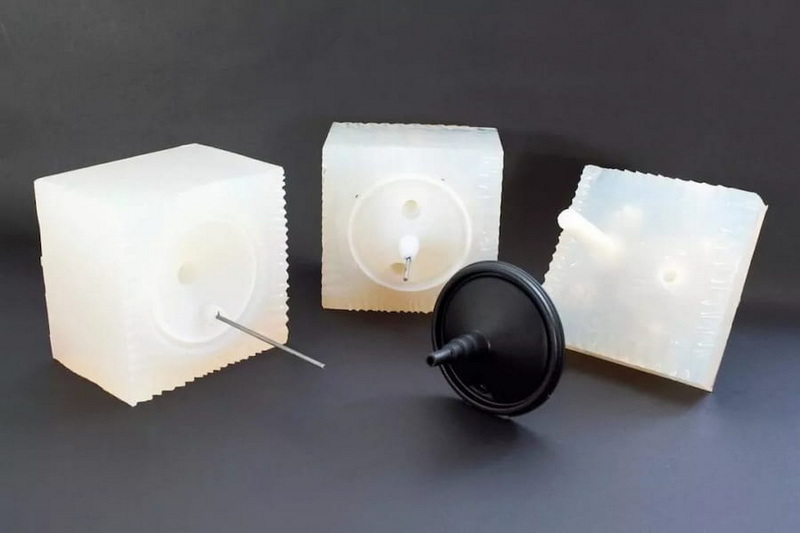
Vacuum casting manufacturers and suppliers typically use polyurethane resins, which can simulate a wide variety of plastics and rubbers. Some suppliers also offer specialty materials for high-temperature, transparent, or flexible parts, allowing for functional testing and aesthetic evaluation.
A single silicone mold can usually produce between 10 and 20 parts before it begins to degrade. The exact number depends on the complexity of the part, the resin used, and the care taken during the casting process. Some high-quality molds may last longer with proper handling.
Vacuum casting offers rapid turnaround, low tooling costs, excellent surface finish, and the ability to replicate complex geometries. It is ideal for producing prototypes that closely resemble final production parts in appearance and mechanical properties, enabling realistic testing and market evaluation.
While vacuum casting is best suited for small to medium-sized parts, some manufacturers have the capability to produce larger components by using bigger molds or assembling multiple castings. However, for very large parts, alternative manufacturing methods may be more appropriate.
Consider the supplier's technical expertise, material options, quality assurance processes, lead times, and customer service. Requesting samples, reviewing past projects, and discussing your specific requirements with the supplier can help ensure a successful partnership.

