
Views: 222 Author: Amanda Publish Time: 2025-07-13 Origin: Site


Content Menu
● Understanding Vacuum Casting
>> Key Features
● The Vacuum Casting Process Explained
● Advantages of Vacuum Casting
● Applications of Vacuum Casting in Australia
● Top Vacuum Casting Manufacturers and Suppliers in Australia
>> Zeal 3D
>> Formero
● How to Choose the Right Vacuum Casting Partner
● FAQ
>> 1. What is vacuum casting, and how does it differ from injection molding?
>> 2. What materials can be used in vacuum casting?
>> 3. How many parts can be produced from a single silicone mold?
>> 4. What industries benefit most from vacuum casting manufacturers and suppliers?
>> 5. How do I select the best vacuum casting manufacturer or supplier in Australia?
Vacuum casting is a versatile and reliable manufacturing process that has become indispensable for rapid prototyping, small batch production, and precision part fabrication. In Australia, the demand for high-quality vacuum casting services is rising as industries seek efficient solutions for product development, testing, and production. This article explores the leading vacuum casting manufacturers and suppliers in Australia, delving into their capabilities, the vacuum casting process, its advantages, and practical applications across various sectors.
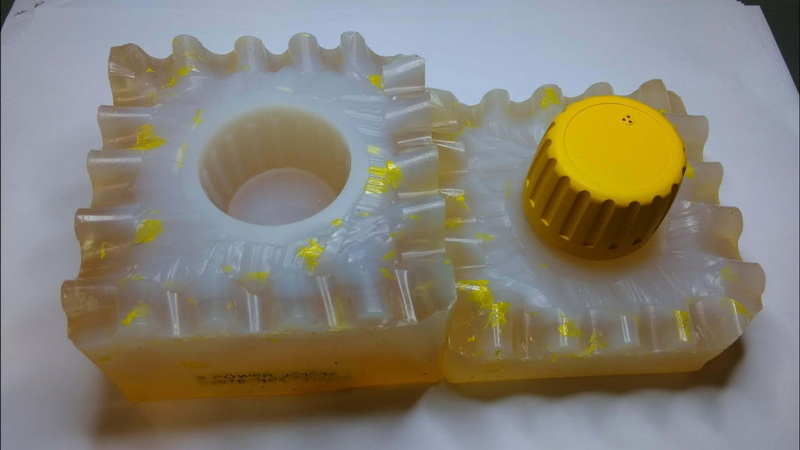
Vacuum casting is a manufacturing process used to create high-quality prototypes and low-volume production parts. The process involves pouring liquid resin or metal into a silicone mold under vacuum, which eliminates air bubbles and ensures precise replication of the master model. This method is ideal for producing complex geometries, fine details, and functional prototypes that closely mimic final production parts.
- High accuracy and detail
- Fast turnaround times
- Cost-effective for small batches
- Suitable for a wide range of materials
- Ideal for both prototyping and end-use parts
The vacuum casting process can be broken down into several key steps:
1. Master Model Creation: A high-quality master model is produced using 3D printing or CNC machining. This model serves as the template for the silicone mold.
2. Silicone Mold Making: The master model is suspended in a casting box, and liquid silicone is poured around it. Once cured, the mold is cut open to reveal a negative cavity.
3. Resin Preparation: Polyurethane or other suitable resins are mixed and degassed to remove air bubbles.
4. Casting Under Vacuum: The prepared resin is poured into the silicone mold inside a vacuum chamber, ensuring complete filling and bubble-free parts.
5. Curing and Demolding: The mold is cured, often in an oven, and the finished part is removed, ready for finishing operations such as painting or assembly.
This process is highly adaptable and can be fine-tuned to meet the specific requirements of different projects, including adjustments in resin type, curing time, and mold design. The ability to produce parts that closely resemble injection-molded components makes vacuum casting a popular choice for functional testing and presentation models.
Vacuum casting offers several benefits that make it a preferred choice for many manufacturers and suppliers:
- Precision and Detail: The process captures intricate details from the master model, making it suitable for complex designs.
- Material Versatility: A wide range of resins and elastomers can be used, including those that mimic ABS, PP, PC, and rubber.
- Speed: Molds can be produced quickly, and parts can be cast in a matter of hours.
- Cost-Effectiveness: Ideal for small to medium batch production without the high costs of traditional tooling.
- Surface Finish: Parts produced have excellent surface finishes, often requiring minimal post-processing.
- Flexibility: Changes to the master model or mold can be implemented quickly, allowing for iterative design improvements.
- Reduced Waste: The process generates less material waste compared to traditional manufacturing methods.
These advantages make vacuum casting particularly attractive for startups, designers, and manufacturers who need to validate concepts without committing to expensive tooling or long lead times.
Vacuum casting is widely used across various industries in Australia, including:
- Automotive: Prototyping new components, custom parts, and low-volume production. Vacuum casting allows automotive manufacturers to test fit, form, and function before committing to mass production.
- Medical Devices: Creating functional prototypes and pre-production units for testing. The ability to use biocompatible resins also makes vacuum casting suitable for medical applications.
- Consumer Electronics: Producing casings, buttons, and other components with high aesthetic and tactile quality.
- Aerospace: Manufacturing lightweight, complex parts for testing and limited runs, where precision and material properties are critical.
- Industrial Equipment: Fabricating custom housings, seals, and gaskets that require durability and precision.
- Education and Research: Universities and research institutes utilize vacuum casting for prototype development and experimental applications.
The flexibility of vacuum casting allows Australian businesses to innovate rapidly, reduce time-to-market, and customize products to meet specific customer needs.
Australia boasts a range of reputable vacuum casting manufacturers and suppliers, each offering unique strengths and capabilities.
Zeal 3D is a leading provider of vacuum casting services in Australia, specializing in resin molds, casting resins, and custom solutions for product development. They offer a wide variety of thermoplastics and thermoset plastics, supporting both prototyping and low-volume production. Their expertise in resin chemistry and mold-making ensures clients receive parts that meet demanding specifications.
- Services: Resin molding, rapid prototyping, batch manufacturing
- Industries Served: Automotive, medical, consumer goods, industrial
Zeal 3D's commitment to quality and innovation has made them a preferred partner for companies looking to accelerate product development cycles.
Formero is renowned for its high-quality vacuum casting services, providing detailed prototypes, presentation models, and low-volume production parts. Their expertise ensures fast, reliable, and precise results for clients across Australia. Formero's advanced finishing capabilities, including painting and assembly, allow customers to receive near-production-ready parts.
- Services: Prototyping, low-volume manufacturing, finishing
- Industries Served: Engineering, design, manufacturing
Ripley Dynamics offers precision vacuum casting services, focusing on small to medium batch production. Their process is ideal for businesses seeking quick turnarounds and cost-effective solutions for prototypes or limited-run products. They emphasize customer collaboration to tailor solutions that meet specific project needs.
- Services: Precision prototyping, batch casting
- Industries Served: Startups, innovators, industrial clients
With over 80 years of experience, Quality Castings Pty Ltd is a trusted name in the Australian casting industry. They provide cast and machined engineering components in a wide range of ferrous and non-ferrous alloys, supporting various industrial applications. While primarily known for metal casting, their expertise complements vacuum casting services by offering comprehensive manufacturing solutions.
- Services: Metal casting, machining, testing
- Industries Served: Mining, transport, chemicals, rail
Rowe Advanced Materials supplies high-performance casting resins, molding silicones, and composite materials, supporting manufacturers and suppliers in the vacuum casting industry. Their technical support and material innovation help Australian manufacturers optimize their vacuum casting processes.
- Services: Material supply, technical support
- Industries Served: Manufacturing, prototyping, R&D
- COLETEK: Specializes in high-quality resin parts from silicone molds, ideal for MVPs, small batches, and user testing. Their focus on quality and speed makes them a valuable resource for product developers.
- Solid Concepts: Offers silicon molding and vacuum casting for fully functional parts used in assembly testing and market research. Their global experience brings advanced techniques to the Australian market.
- Objective3D: Provides urethane and vacuum casting, leveraging 3D printing and CNC machining for master patterns. Their integrated approach streamlines the prototyping process.
These companies collectively offer a comprehensive ecosystem for vacuum casting in Australia, ensuring clients have access to the latest technologies and materials.
Selecting the right vacuum casting manufacturer or supplier is crucial for project success. Consider the following factors:
- Technical Expertise: Assess the company's experience with vacuum casting and their ability to handle complex projects. Look for a portfolio of past work and case studies.
- Material Options: Ensure they offer a range of materials suitable for your application, including specialty resins if needed.
- Quality Assurance: Look for certifications, quality control processes, and customer testimonials to guarantee high standards.
- Turnaround Time: Evaluate their ability to meet your deadlines, especially if you require rapid prototyping or urgent production runs.
- Customer Support: Choose a partner that offers clear communication, technical advice, and post-production support.
- Capacity and Scalability: Consider whether the supplier can scale production if your needs grow beyond initial prototypes or small batches.
- Location and Logistics: Proximity can reduce shipping times and costs; Australian-based suppliers often provide faster turnaround and easier communication.
Engaging with a supplier who understands your industry and product requirements will help ensure a smooth manufacturing process and high-quality outcomes.
Vacuum casting remains a cornerstone of rapid prototyping and low-volume manufacturing in Australia. The top vacuum casting manufacturers and suppliers highlighted in this article are equipped with advanced technology, skilled teams, and a commitment to quality, making them ideal partners for businesses across various industries. Whether you need detailed prototypes, functional parts, or small batch production, Australia's vacuum casting experts can deliver reliable and cost-effective solutions tailored to your needs. By carefully selecting a partner with the right expertise and capabilities, companies can accelerate product development, reduce costs, and bring innovative products to market faster.
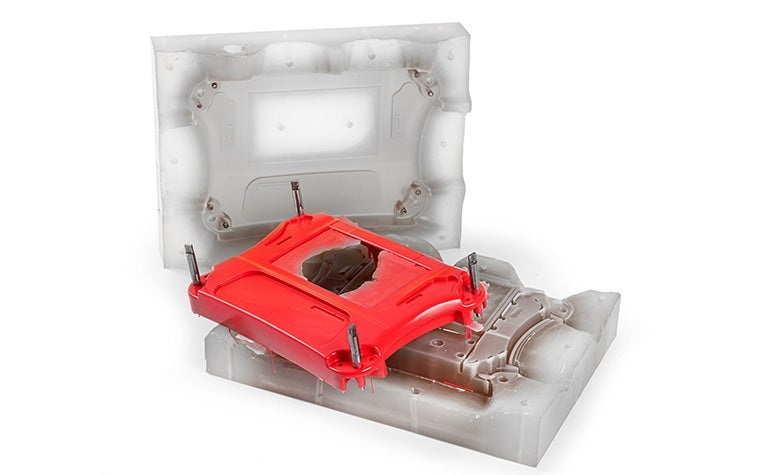
Vacuum casting is a process where liquid resin or metal is poured into a silicone mold under vacuum, eliminating air bubbles and ensuring precise replication. Unlike injection molding, which uses metal molds and is suited for high-volume production, vacuum casting is ideal for small batches and prototypes due to its lower cost and faster turnaround.
A wide range of materials can be used, including polyurethane resins that mimic ABS, PP, PC, and rubber. Some suppliers also offer specialty materials for specific applications, such as flame-retardant, transparent, or high-impact resins.
Typically, a silicone mold can produce 10 to 20 high-quality parts before it begins to degrade. The actual number depends on the complexity of the part, the material used, and the care taken during the casting process.
Industries such as automotive, medical, consumer electronics, aerospace, and industrial equipment benefit greatly from vacuum casting due to its ability to produce complex, functional prototypes and low-volume production parts quickly and cost-effectively.
Consider factors such as technical expertise, material options, quality assurance, turnaround time, and customer support. Reviewing case studies and client testimonials can also help you make an informed decision.

