
Views: 222 Author: Amanda Publish Time: 2025-08-07 Origin: Site


Content Menu
● Overview of Moulding Production in Japan
● Leading Moulding Production Manufacturers and Suppliers in Japan
>> Specialized Manufacturing Techniques
● Technology Innovations in Japanese Moulding Production
>> 3D Printing and CNC Machining
● The Role of Small to Medium Enterprises (SMEs)
● Application Areas and Industry Impact
● Environmental Sustainability in Japanese Moulding
● Challenges and the Future Landscape
● FAQ
>> 2. Which industries primarily use Japanese moulding production manufacturers and suppliers?
>> 3. How do Japanese suppliers balance quality with environmental sustainability?
>> 5. What future trends are shaping Japan's moulding production industry?
Japan has established itself as a global leader in manufacturing technology, particularly in the realm of moulding production. The country is renowned for its precision, innovation, and commitment to quality. Over decades, Japanese moulding production manufacturers and suppliers have continuously pushed the boundaries of engineering, supporting industries ranging from automotive and electronics to healthcare and consumer goods.
In this comprehensive guide, we delve into the dynamic landscape of moulding production in Japan. We highlight major manufacturers and suppliers, discuss the technological advancements that set Japanese companies apart, explore their impact on global supply chains, and showcase the future direction of the industry. Throughout, you'll find detailed explanations and insights that offer a deeper understanding of this vital sector.
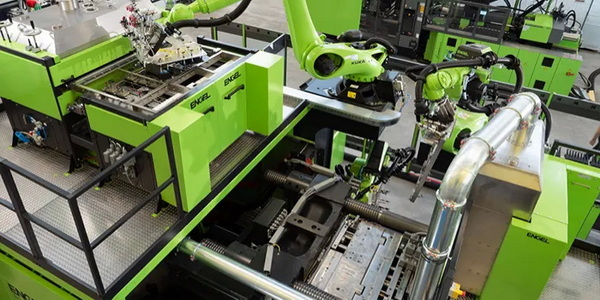
Moulding production in Japan covers a wide array of processes, including:
- Injection Moulding: The most widely used process, enabling high-volume production of precise plastic parts.
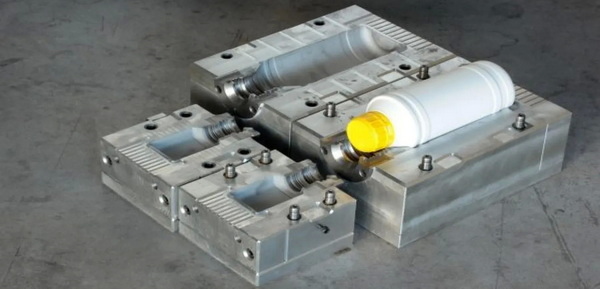
- Blow Moulding & Compression Moulding: For manufacturing bottles, containers, and components requiring hollow forms or specific durability.
- Die Casting & Investment Casting: Widely applied for metal parts in automotive and electronics sectors.
- 3D Printing Integration: Rapid prototyping and direct manufacturing with advanced materials, helping reduce production cycles and allowing more complex designs.
Japanese firms lead in refining these processes, optimizing both quality and cost-effectiveness while catering to demanding domestic and international markets. Their success relies on close collaboration between designers, material scientists, and production engineers, resulting in moulds and parts that meet or exceed global standards.
Japan's top manufacturers and suppliers in moulding production span from established conglomerates to innovative SMEs. Each of these contributes uniquely to the industry's robustness:
| Company Name | Type | Specialty | Industry Focus |
|---|---|---|---|
| NISSEI PLASTIC INDUSTRIAL CO., LTD. | Injection Moulding Supplier | Horizontal, vertical, hybrid injection machines | Automotive, general |
| Sanko Kasei Group | Full-cycle Supplier | Engineering plastics, integrated manufacturing | Multiple industries |
| Yasui Co., Ltd. | OEM/Medical Devices | Injection molding for medical products | Medical, electronics |
| Daido | Mould Design & Manufacturing | Automotive, elastomer molding | Automotive, appliances |
| Tokyo Molding Co., Ltd. | Injection & Metal Molds | Automotive, consumer electronics | Automotive, electronics |
| Mold Tech Japan | Texturing Specialist | Plastic mold surface texturing | Automotive, design |
| KOEI TOOL | Mass Production & Prototyping | Metal/plastic molds, metal 3D printing | All sectors |
| Kurimoto Co., Ltd. | 3D Printing & Moulds | Rapid prototyping, diversified materials | Automotive, consumer |
| Sumitomo Heavy Industries | Injection Moulding Machines | High-cycle, precision moulding | Plastics, electronics |
| Canon Mold Co. | Precision Moulds | Optical, medical, high-precision parts | Imaging, medical |
These companies not only produce high-quality moulds but also continually invest in R&D to push innovation frontiers. Many have strong export records serving clients worldwide, emphasizing Japan's leadership in technology and quality assurance.
Japanese manufacturers distinguish themselves through mastery of several high-efficiency production systems:
- Integrated Production: Many firms maintain control over the entire production chain, from initial product design and mould engineering to final inspection. This integration facilitates rapid development cycles and ensures quality consistency.
- Ultra-Precision Moulding: Some manufacturers excel at producing moulds with submicron tolerances. Such precision is essential for manufacturing parts used in satellites, medical devices, and semiconductor equipment.
- Automation: Use of robotics and automated inspection systems reduces human error, increases throughput, and ensures reproducibility of high-quality parts. Automated guided vehicles (AGVs) and robotic arms are common features on assembly and finishing lines.
- Surface Texturing Technologies: Advanced surface treatments and texturing enhance both aesthetics and functionality of moulded parts, supporting sectors such as automotive interiors and electronics casings.
By combining these techniques, Japanese companies can handle diverse client requirements, from mass production to high-mix, low-volume specialized orders.
Japan's competitive advantage in moulding production stems largely from its commitment to automation and precision engineering:
- Statistical Process Control (SPC): Real-time data analytics monitor variations in moulding parameters, enabling immediate correction to maintain strict quality standards. This minimizes scrap rates and improves yield.
- CAD/CAM Integration: Sophisticated computer-aided design and manufacturing software facilitate faster design iterations and ensure tooling accuracy down to microns. Digital twins and virtual simulations reduce trial-and-error on physical machines.
- Smart Manufacturing Ecosystems: IoT connected machines and AI-powered predictive maintenance reduce downtime. Factories increasingly leverage big data, enabling flexible manufacturing that can adapt quickly to product changes or demand fluctuations.
These advances foster productivity gains and allow Japanese manufacturers to meet stringent global customer expectations for consistency and traceability.
Additive manufacturing (3D printing) and subtractive manufacturing (CNC machining) have synergistically transformed mould production:
- Direct Mould Production: CNC milling combined with 3D metal printing enables creation of complex cavity shapes and conformal cooling channels that were impossible or very costly to achieve with traditional methods.
- Rapid Prototyping: Customers can receive functional mould prototypes within days rather than weeks, accelerating product development cycles.
- Hybrid Metal-Additive Technologies: Integrating laser sintering with high-speed multi-axis milling improves surface finish and dimensional accuracy of metal mould parts. Companies like Sodick and Kurimoto are leaders in these areas.
This blend of technologies reduces tooling lead times dramatically and allows for iterative improvement without sacrificing precision.
Though major manufacturers often make headlines, SMEs form the backbone of Japan's moulding production sector:
- Flexibility: SMEs swiftly respond to market demands for customization, rapid prototyping, and short production runs.
- Specialization: Many SMEs focus on niche skills like ultra-precise tool making, micro-moulding, surface texturing, or specialized materials engineering.
- Collaborative Networks: Dense local clusters of SMEs in regions like Tokyo's Kamata district, Higashi-Osaka, and Kyushu cultivate knowledge-sharing and foster cooperative innovation.
SMEs often complement large manufacturers' capacity, contributing agility and depth of capability that collectively enhance Japan's competitive stature.
Japanese moulding production manufacturers and suppliers serve a remarkably wide spectrum of industries, enabling innovations that define many modern products:
- Automotive: Producing complex plastic and metal components that enhance vehicle safety, comfort, and efficiency. This includes everything from dashboard assemblies to electric vehicle battery housings.
- Electronics: Supplying high-precision parts for smartphones, cameras, medical electronic devices, and smart home appliances. Miniaturization and reliability demands push manufacturers toward ultra-fine tolerance moulding.
- Medical Devices: Manufacturing moulds for surgical instruments, diagnostic equipment, and disposable medical components under rigorous quality and regulatory controls.
- Consumer Goods: Enabling efficient production of everyday items such as household appliances, packaging containers, and fittings. Their moulds contribute to lightweighting and design appeal.
- Industrial Equipment: Supplying durable and high-performance parts essential for manufacturing, robotics, and heavy machinery industries.
The high quality and reliability of Japanese moulded components enhance brand reputations globally, making these manufacturers indispensable partners to OEMs and global brands.
Reflecting broader societal priorities, many Japanese moulding companies embrace sustainability as a core principle:
- Carbon Footprint Reduction: Firms like Tokyo Molding have committed to reducing greenhouse gas emissions by significant margins by 2030 through renewable energy integration and production optimization.
- Material Efficiency: Precision moulds reduce plastic and metal scrap during production, while lean manufacturing techniques minimize waste and improve energy use.
- Circularity: Closed-loop recycling of manufacturing scraps and utilization of recyclable or bio-based polymers gradually increase across the industry.
- Energy-Efficient Equipment: Ongoing R&D invests in machines that consume less energy without compromising precision, enabling long-term operational cost savings and environmental benefits.
These efforts align with global trends toward sustainable manufacturing and strengthen Japan's position as a responsible production hub.
Despite many advantages, Japanese moulding manufacturers face multiple challenges:
- Offshore Competition: Increasing capacity and aggressive pricing from producers in China, Southeast Asia, and other emerging regions raise competitive pressures.
- Cost Pressures: Higher labor and operational costs in Japan necessitate continuous innovation and automation to maintain profitability.
- Demographic Issues: An aging workforce combined with fewer young workers entering manufacturing sectors prompts concerns about skill shortages and knowledge transfer.
- Supply Chain Resilience: Global disruptions such as pandemics or geopolitical tensions require companies to build more flexible, robust supply chains.
Nonetheless, investments in digital transformation, artificial intelligence, robotics, and next-generation materials development bode well for the future. Japan's moulding industry is adapting dynamically with strategies that emphasize innovation, collaboration, and sustainability.
Japan's moulding production manufacturers and suppliers stand at the intersection of tradition and technology, blending generations-old craftsmanship with cutting-edge manufacturing. Their pioneering approaches to automation, sustainability, and precision engineering make them trusted partners for global brands across many sectors.
As manufacturing demands evolve worldwide toward highly customized, rapid-turnaround production, Japanese moulding suppliers are poised to remain at the forefront, offering superior quality, advanced innovation, and exceptional reliability. Continued investment in technology, workforce development, and sustainability will ensure Japan's moulding production remains world-leading for years to come.
Japanese manufacturers emphasize extreme precision, comprehensive quality control practices such as Statistical Process Control and continuous improvement methodologies like Kaizen. Their relentless focus on integrating the latest technologies, including automation, IoT, and 3D printing, results in products with superior reliability and efficiency.
Japan supplies moulding solutions to key industries including automotive, electronics, medical devices, consumer goods, and industrial machinery. Their excellence in these areas ensures components meet stringent international quality standards and performance criteria.
Japanese companies employ energy-efficient machinery, reduce material waste through lean manufacturing practices, commit to carbon neutrality targets, and increasingly adopt recyclable or bio-based materials. These initiatives minimize environmental impact without compromising product quality.
Yes. Many small to medium enterprises specialize in rapid prototyping and short-run production using innovative 3D printing and CNC machining technologies. This flexibility allows them to meet diverse customer demands quickly and cost-effectively.
Key trends include the adoption of digital technologies such as IoT and AI for smart manufacturing, greater automation and robotics integration, development of advanced and sustainable materials, and an intensified focus on environmental sustainability practices. These will ensure continued innovation and global competitiveness.

