
Views: 222 Author: Amanda Publish Time: 2025-08-06 Origin: Site


Content Menu
● What is Moulding Production in Modern Manufacturing?
● Leading Moulding Production Manufacturers and Suppliers in Australia
>> Melro
>> ADDE
>> Plasticut
>> Plastral
>> B&C Plastics
● The Moulding Production Process Explained
>> Compression and Transfer Moulding
● How to Choose the Right Moulding Production Manufacturer or Supplier
● Trends and Innovations in Australian Moulding Production
● Use Cases: Industries Relying on Australian Moulding Manufacturers and Suppliers
● Frequently Asked Questions (FAQ)
>> 1. What are the main moulding production processes used by Australian manufacturers?
>> 2. How do I decide which moulding process to use for my project?
>> 3. Are Australian moulding suppliers competitive internationally?
>> 4. Can suppliers help with product design and prototyping?
>> 5. What quality certifications should I look for?
Australia's growing industrial sector is driving increasing demand for high-quality moulded products across various industries. From automotive and agriculture to healthcare and construction, Australian businesses and international clients alike rely on cutting-edge moulding production manufacturers and suppliers for bespoke and mass-produced components. This article offers an in-depth exploration of the leading moulding manufacturers and suppliers in Australia, outlines key processes like injection and rotational moulding, explains how to choose the right supplier, and highlights the future of moulding in Australia. Rich in detailed descriptions and comprehensive insights, this guide is designed to help you understand the landscape and technology behind moulding production in this vibrant market.
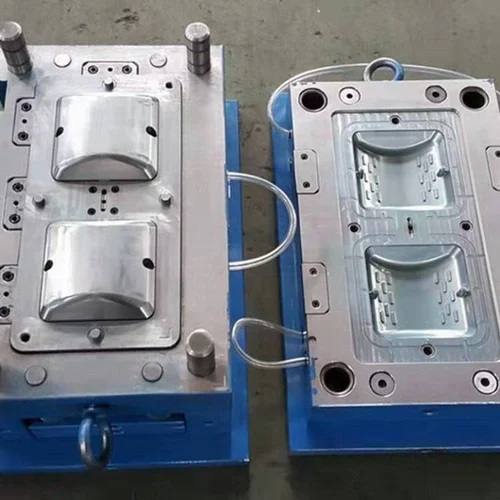
Moulding production is a cornerstone manufacturing process used to create components with precise dimensions and complex geometries. In Australia, this process takes several forms, the most prominent being:
- Plastic Injection Moulding: The prevalent process for mass-producing intricate plastic parts with excellent consistency and tolerance. Its precision and repeatability make it ideal for high-volume production.
- Rotational (Rotomoulding) and Blow Moulding: These processes are best suited for producing large, hollow shapes such as tanks, containers, and bottles. Rotomoulding is especially noted for its strength and uniform wall thickness.
- Compression and Transfer Moulding: Primarily applied for rubber and thermosetting plastics, these processes are essential when working with materials that cannot be melted and require precise heat and pressure control.
The choice of process depends heavily on design requirements, the properties of the materials involved, and the intended application of the final product. Furthermore, the integration of secondary processes such as assembly, finishing, and quality assurance rounds out the value propositions offered by manufacturers and suppliers.
Located in Wetherill Park, NSW, A Plus Plastics operates with an employee base between 50 and 200. The company excels in custom plastic injection moulding, prototyping, sub-assembly, and full-scale production. With a particular focus on automotive, industrial, consumer goods, packaging, and construction sectors, they leverage advanced automation and robotics to achieve high efficiency and sustainability goals, underpinning their reputation as a leader in the field.
Melro operates out of Pakenham, VIC and employs between 50 and 100 staff. Renowned for rotational moulding, Melro produces water tanks, agricultural containers, and custom plastic products designed to meet the needs of industrial clients, offering durability and strength necessary for challenging environments.
Bayswater, VIC is home to ADDE, a company with 20 to 50 employees. ADDE combines plastic injection moulding with expert product design and precision toolmaking. Their clients span electronics, medical, and consumer product industries, and they pride themselves on utilizing advanced CAD/CAM technologies to deliver bespoke solutions even for the most complex designs.
Situated in Nunawading, VIC, Plasticut is a smaller player with 10 to 50 employees specializing in CNC plastic machining and fabrication alongside injection moulding. The company serves medical, aerospace, and machinery sectors where exceptional precision on CNC-machined plastic parts is critical.
Based in Prospect, NSW, Plastral employs 50 to 100 people and offers a broad portfolio including plastic fabrication, injection moulding, and raw material supply. Their expertise in custom plastic fabrication is matched with an extensive materials inventory, enabling flexible and responsive service.
In Malaga, WA, Romar Engineering employs 50 to 100 staff offering silicone injection moulding, advanced 3D printing, and precision engineering. Their client base in medical, aerospace, and industrial fields benefits from stringent quality assurance and innovative process integration.
Forme Technologies, located in Springvale, VIC, with 20 to 50 employees, supports injection moulding alongside design and development and precision toolmaking. They push innovation particularly in medical, automotive, and consumer goods sectors, creating tailored solutions that meet high standards.
Amec Plastics in Arundel, QLD, with 50 to 100 employees, offers a combination of plastic injection moulding, extrusion, and tooling services. Serving construction, industrial, and automotive industries, their strength lies in custom engineering and seamless integration of diverse production techniques.
Operating from Osborne Park, WA, this company employs 50 to 100 staff and specializes in rotational moulding along with water tanks, custom mouldings, and injection services. Their durable, high-precision solutions are particularly valued in agricultural and commercial markets.
B&C Plastics in Brisbane, QLD, employs between 50 and 99 people. Their comprehensive services include injection moulding, 2-shot moulding, CNC machining, prototyping, and 3D printing. Their strength is an extensive design-engineering support package that caters to contract-based market solutions and premier brands.
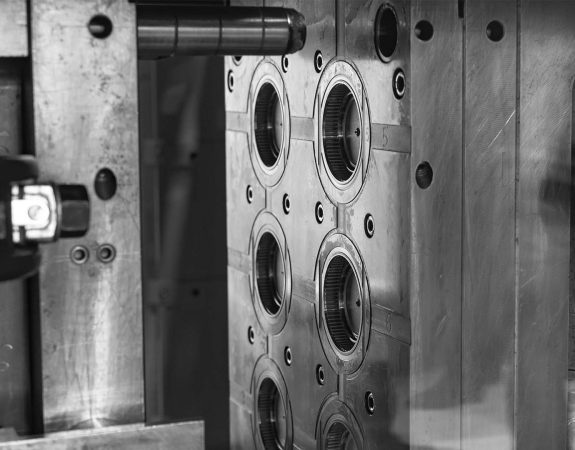
Plastic injection moulding remains the dominant process for producing high-volume, precise plastic components. In this technique, plastic pellets are melted to a molten state and injected under pressure into precision-engineered moulds. The molten material conforms to the mould's cavity, solidifies as it cools, and is then ejected as a finished part. Injection moulding supports complex geometries with excellent surface finishes and tight tolerances, making it a preferred choice in automotive parts, medical devices, and consumer goods.
Rotational moulding (rotomoulding) enables the manufacture of large, hollow plastic products with uniform wall thickness. Plastic powder or resin is loaded into a mould which is then heated and rotated biaxially; this rotation spreads the material evenly along the mould surfaces. The process is well suited for making water tanks, storage containers, and agricultural equipment that require robust performance and durability.
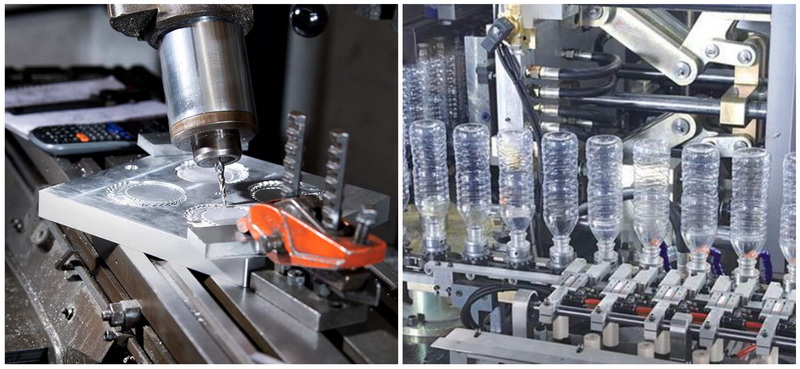
Blow moulding forms hollow plastic products, commonly used for bottles and containers. A heated plastic tube is inflated inside a closed mould cavity until it takes the shape of that cavity. The ability to produce lightweight and thin-walled parts efficiently has made blow moulding indispensable in packaging industries.
These techniques are primarily employed for rubber and thermoset plastics, which cannot be melted and reformed easily. Under heat and pressure, the pre-measured material is forced into a mould cavity where it cures into the desired shape. These processes are key in manufacturing seals, gaskets, and electrical components.
Selecting the most suitable moulding production manufacturer and supplier can be the difference between a successful product launch and costly setbacks. Key considerations include:
1. Project Requirements: Define material preferences, dimensional accuracy, product volume, and expected delivery timelines early.
2. Certification and Reputation: Look for ISO certifications and feedback from previous clients to ensure reliability.
3. Technological Capability: Suppliers with modern, automated equipment and integrated secondary processes enhance quality and efficiency.
4. Customization and Support: The ability to assist with prototyping, product development, and troubleshooting adds significant value.
5. Sustainability: Commitment to eco-friendly materials, waste reduction, and recycling aligns with current global manufacturing standards.
6. Facility Assessment: Where possible, visit production sites to gauge operational standards, personnel expertise, and quality management systems.
Australia's moulding sector continues to evolve with several key trends shaping its trajectory:
- Automation and Robotics: Real-time quality monitoring combined with robotic handling reduces human error and increases throughput.
- Eco-Friendly Practices: The introduction of biodegradable polymers and closed-loop recycling is gaining momentum, reflecting environmental responsibility.
- Rapid Prototyping and 3D Printing: Using additive manufacturing accelerates design iteration and shortens time-to-market.
- Industry 4.0 Implementation: Digital twins, IoT integration, and advanced data analytics enable smarter manufacturing decisions and predictive maintenance.
- Global Supply Chain Collaboration: Australian manufacturers increasingly partner with overseas tooling and component suppliers, blending local precision with international scale.
- Automotive: Precision components such as instrument panels, housings, clips, and under-the-hood parts.
- Medical: Diagnostic housings, precision parts for devices, personal protective equipment (PPE), and disposables.
- Consumer Goods: Packaging solutions, bottles, containers, and household items.
- Agriculture: Durable water tanks, feed troughs, silos, and distribution bins tailored for rugged outdoor use.
- Construction: Cable management systems, panels, fittings, and protective casings that meet demanding standards.
The diversity of these sectors illustrates the versatility and importance of moulding production manufacturers and suppliers in Australia.
Australia's moulding production manufacturers and suppliers represent a dynamic industry characterized by advanced technology, skilled craftsmanship, and an increasing focus on sustainability. Their comprehensive capabilities—from sophisticated injection moulding and rotational moulding to rapid prototyping and precision machining—enable diverse industries to access high-quality, reliable components. Whether developing bespoke prototypes or launching mass production runs, partnering with an experienced Australian supplier ensures access to cutting-edge manufacturing solutions tailored to evolving market demands.
Australian suppliers primarily use plastic injection moulding, blow moulding, rotational moulding, and compression/transfer moulding depending on the material and product requirements.
The decision depends on product size, complexity, material type, required volume, and application. Injection moulding suits high precision and volume, rotational is ideal for large hollow products, and blow moulding is best for thin-walled containers.
Yes, many Australian manufacturers maintain international certifications, invest in modern automation, and collaborate globally, enabling them to serve both domestic and overseas clients effectively.
Most leading moulding suppliers offer in-house engineering, CAD design, and prototyping capabilities, speeding up development and improving final product quality.
ISO 9001 is a common standard confirming quality management. For specialized industries, further certifications may be required, such as medical device compliance or automotive standards.

