
Views: 222 Author: Amanda Publish Time: 2026-01-12 Origin: Site


Content Menu
● Japan as a CNC Turning Powerhouse
● Leading CNC Turning Brands in Japan
>> Other Notable Machine Builders
● How Japanese CNC Turning Suppliers Work with Global OEMs
● Partnering Japanese Technology with Chinese OEM Capacity
● Key Selection Criteria for CNC Turning Manufacturers and Suppliers in Japan
>> Supply Chain, Logistics, and Communication
● Typical Applications for CNC Turning Manufacturers and Suppliers
>> Medical and Precision Instruments
>> Electronics and Micro‑Mechanisms
● Process Workflow of CNC Turning Manufacturers and Suppliers
● Automation and Digitalization Trends
● Sustainability and Risk Management
● FAQ
>> 1. How do CNC turning manufacturers and suppliers in Japan differ from those in lower‑cost regions?
>> 2. Why do so many factories around the world use Japanese turning centers?
>> 3. Can overseas buyers work directly with CNC turning manufacturers and suppliers in Japan?
>> 4. How do Chinese OEMs complement Japanese CNC turning capability?
>> 5. What trends will shape the future of CNC turning manufacturers and suppliers in Japan?
Japan stands at the forefront of precision engineering, and its CNC turning manufacturers and suppliers are trusted partners for demanding international OEM projects in automotive, aerospace, medical, and electronics sectors. Many overseas buyers now combine Japanese CNC technology with agile Asian OEM factories to balance quality, speed, and cost, creating a powerful hybrid sourcing strategy.
Japan's machine tool industry has shaped global benchmarks for accuracy, reliability, and automation in CNC turning. The country's long history in metallurgy, robotics, and industrial controls is reflected in the consistency and repeatability that international customers expect from CNC turning manufacturers and suppliers.
- Japanese shops are known for tight tolerances, stable process capability, and strong in‑process quality control.
- Domestic demand from automotive, robotics, and electronics industries has pushed CNC turning manufacturers and suppliers to adopt advanced automation early.
- Export‑oriented machine builders have created a global installed base of turning centers, giving many buyers confidence in spare parts, service, and training.
For brands, wholesalers, and manufacturers sourcing from Japan, this means a mature ecosystem that can support both prototype development and high‑volume series production.

Top Japanese machine builders do more than deliver hardware; they provide the technical foundation on which many CNC turning manufacturers and suppliers build their entire production strategy. Their turning centers, multitasking machines, and control platforms are widely used in both Japanese and overseas factories.
Yamazaki Mazak is widely recognized as a global leader in advanced machine tools, with a strong focus on turning centers and multitasking platforms. Its INTEGREX‑type solutions combine turning, milling, drilling, and sometimes grinding in a single setup, helping shops minimize handling and reduce cycle time.
- Mazak machines are common in CNC turning manufacturers and suppliers serving automotive, aerospace, and energy markets.
- Integrated automation, pallet systems, and software make Mazak a preferred choice for factories aiming at lights‑out or near‑unmanned production.
- The company's global service network also supports international CNC turning manufacturers and suppliers that export to multiple regions.
Okuma is a comprehensive machine tool maker known for its in‑house OSP control systems and robust mechanical design. This vertical integration gives Okuma turning centers a strong reputation for stability and predictable behavior across long production runs.
- Okuma's CNC lathes and turning centers emphasize rigidity, thermal compensation, and smart monitoring functions.
- Many CNC turning manufacturers and suppliers focused on safety‑critical components choose Okuma for its consistent dimensional stability.
- Okuma's portfolio covers horizontal and vertical machining centers, grinders, and multitasking machines, allowing shops to standardize on a single platform.
DMG MORI, emerging from the alliance between Japan's Mori Seiki and Germany's Gildemeister, is a powerhouse in milling and turning technology. Its machines are common in high‑end CNC turning manufacturers and suppliers that need both flexibility and productivity.
- The brand offers universal turning machines, production lathes, and sophisticated mill‑turn centers.
- Integrated digital solutions, including monitoring, programming, and maintenance tools, help shops manage complex production schedules.
- DMG MORI equipment often appears in plants supplying aerospace, die‑and‑mold, and high‑precision industrial components.
Citizen Machinery specializes in CNC automatic lathes, particularly Swiss‑type sliding headstock designs. These machines are central to CNC turning manufacturers and suppliers that focus on very small, high‑precision parts.
- Citizen equipment is widely used in medical, electronics, watchmaking, and instrumentation industries.
- Swiss‑type lathes allow continuous production of long, slender, and micro‑scale components with excellent surface finish.
- High‑speed, multi‑axis configurations enable complex parts to be produced in a single cycle, reducing secondary operations.
Beyond these leading brands, Japan hosts a range of machine tool builders that support different niches.
- Companies producing gear‑cutting, grinding, and specialized turning equipment help CNC turning manufacturers and suppliers diversify their offerings.
- Compact turning centers from various builders are well‑suited to small and mid‑sized shops serving local automotive, robotics, or precision machinery clusters.
- Many of these builders have close relationships with regional customers, allowing rapid feedback and incremental improvements in machine design.
Together, these brands provide a technical backbone that supports thousands of CNC turning manufacturers and suppliers across Japan and the wider Asia‑Pacific region.
CNC turning manufacturers and suppliers in Japan typically operate with a “quality‑first, automation‑driven” mindset. This culture influences how they collaborate with international OEMs and Tier‑1 suppliers.
- Shops often invest in multi‑axis, mill‑turn, and robotic cells to reduce setups and minimize human error.
- In‑process probing, real‑time monitoring, and digital traceability help them meet strict documentation requirements in automotive and aerospace.
- Long‑term relationships are favored; once a program is accepted, CNC turning manufacturers and suppliers commit to stable quality and incremental cost improvements rather than aggressive price cutting.
At the same time, high labor and facility costs in Japan encourage many global buyers to focus Japanese capacity on high‑value, complex parts while shifting some volume production to trusted overseas partners.
An increasingly popular approach among global buyers is to pair Japanese machine technology with efficient Chinese OEM factories that offer rapid prototyping and cost‑effective mass production. In this model, Japanese equipment often forms the technical standard, while Chinese plants provide scale and agility.
- Many Chinese CNC turning manufacturers and suppliers have invested in turning centers, machining centers, and metrology systems sourced from Japan.
- By using similar machines and process parameters, they can approximate Japanese‑level precision while taking advantage of lower operating costs.
- A single OEM partner may combine CNC turning, milling, sheet metal fabrication, 3D printing, and tooling, providing a full service path from concept to mass production.
For foreign brands, this hybrid structure can deliver tight tolerances, competitive pricing, and flexible capacity, as long as engineering communication and quality systems are properly aligned between sites.
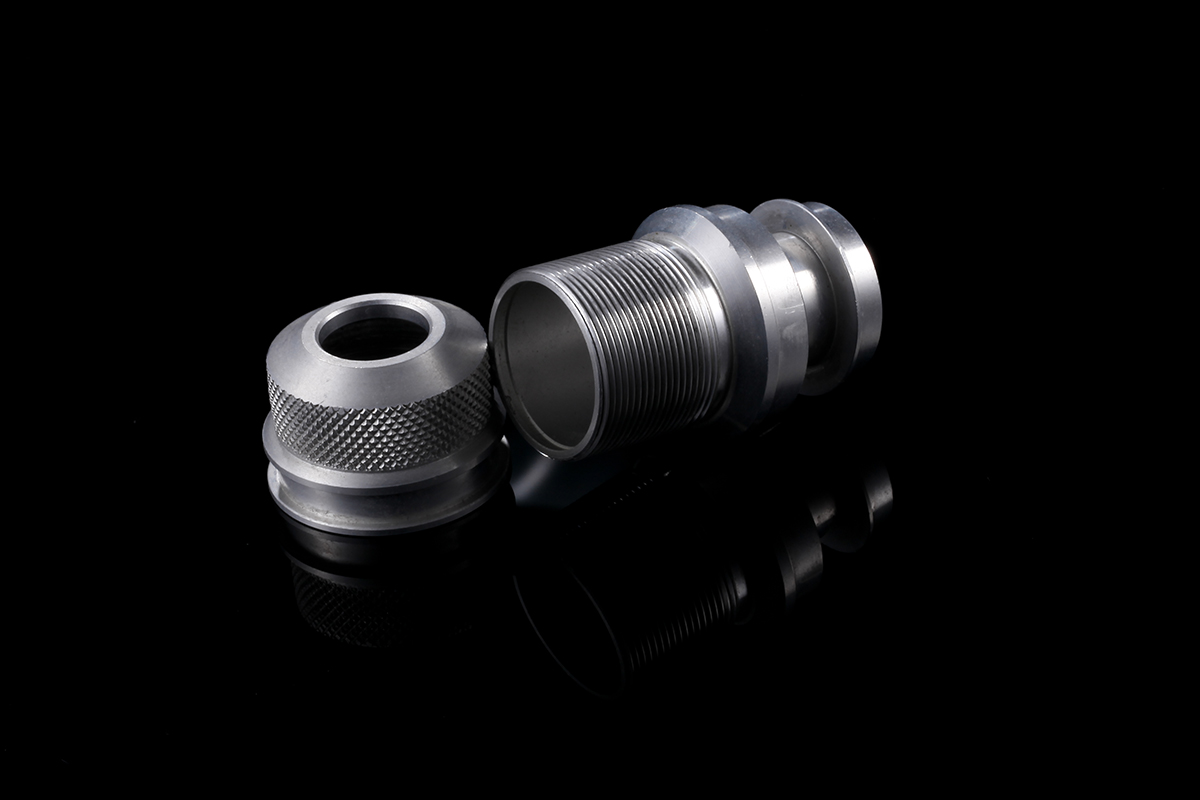
When selecting CNC turning manufacturers and suppliers in Japan, buyers should move beyond brand names and focus on a structured set of technical and commercial criteria.
- Confirm that the supplier can handle your required diameters, lengths, tolerances, and surface finishes.
- Check for multi‑axis capability, live tooling, Y‑axis, and sub‑spindles if your parts require complex geometries in a single setup.
- Evaluate experience with your specific materials, such as stainless steel, aluminum, titanium, copper alloys, or engineering plastics.
- Ask whether they can support both prototyping and series production under the same process window.
- Look for at least ISO 9001 certification and, where relevant, alignment with IATF standards for automotive.
- Confirm the presence of robust incoming inspection, in‑process checks, and final inspection with dedicated QC staff.
- Ensure access to appropriate measurement equipment, including CMM, contour and surface roughness testers, hardness testers, and gauges.
- Request sample inspection reports and control plans to understand how the supplier manages quality on the shop floor.
- Consider standard lead times for prototypes, pilot runs, and mass production orders.
- Discuss minimum order quantities and flexibility around engineering changes during early phases.
- Evaluate responsiveness to emails, conference calls, and engineering queries, especially across time zones.
- Ask about packaging standards, export documentation, and familiarity with your preferred Incoterms and shipping methods.
- Instead of focusing only on piece price, review total cost, including scrap risk, rework, logistics, and communication overhead.
- Higher‑priced CNC turning manufacturers and suppliers may reduce hidden costs by lowering defect rates and improving design‑for‑manufacturing feedback.
- A mix of Japanese and Chinese capacity can be used to segment parts by complexity and risk, achieving a balanced cost‑performance profile.
CNC turning manufacturers and suppliers in Japan and across Asia serve a wide spectrum of end‑use industries. Understanding these application patterns helps buyers identify suitable partners.
- Production of shafts, pins, hubs, flanges, and housings with high concentricity and surface finish requirements.
- Components for steering, braking, fuel, and thermal management systems where safety and reliability are critical.
- EV‑related parts such as motor housings, cooling components, and battery system hardware.
- Small batches of complex components in titanium, high‑strength steels, and nickel alloys.
- Parts requiring detailed process control, serial traceability, and extensive documentation.
- Turned blanks that are later combined with 5‑axis milling or grinding to meet final geometry.
- Surgical components, dental parts, and orthopedic hardware requiring burr‑free surfaces and biocompatible alloys.
- Micro‑turned parts for diagnostic equipment, miniature valves, and analytical instruments.
- Clean, controlled environments and validated cleaning or passivation procedures.
- Connectors, fasteners, and miniature mechanical components for consumer electronics and industrial controls.
- Watch and micro‑device mechanisms produced on Swiss‑type lathes.
- High‑volume, small‑diameter parts where cycle time and tool life management are especially important.
These segments rely on stable partnerships with CNC turning manufacturers and suppliers that can maintain consistent process capability over many years.
Although every factory is unique, many CNC turning manufacturers and suppliers follow a similar core workflow from initial inquiry to final shipment.
1. RFQ and Technical Review
Engineering teams analyze drawings, 3D models, materials, and tolerances to determine feasibility and optimal process routes. Potential design‑for‑manufacturing changes are discussed to reduce risk and cost.
2. Quoting and Process Planning
Programmers and planners estimate cycle time, tooling needs, and inspection steps, translating this into a detailed quote. They select machines, fixtures, and cutting strategies that fit capacity and quality requirements.
3. Programming and Prototyping
CAM software is used to create CNC programs for turning centers and mill‑turn machines. Prototype parts are produced and inspected to validate the process.
4. Pre‑Production Approval
Once samples are approved, the supplier finalizes control plans, work instructions, and inspection routines. For automotive and aerospace work, this may involve formal approval steps such as PPAP‑like documentation.
5. Serial Production
Production lots run under defined conditions, with in‑process checks and SPC where needed. Tool life is monitored, and any deviations trigger corrective actions.
6. Final Inspection and Shipping
Parts are inspected according to agreed sampling plans, then cleaned, packaged, and labeled. Export‑ready packaging protects surfaces and critical dimensions during transport.
Understanding this workflow helps buyers coordinate their own engineering and logistics processes with those of CNC turning manufacturers and suppliers.
Automation and digitalization are transforming how CNC turning manufacturers and suppliers compete, especially in high‑cost countries like Japan.
- Robotic loading, palletizing, and bar‑feeding systems allow longer unattended operation.
- Machine monitoring dashboards give real‑time visibility into utilization, alarms, and tool status.
- Digital twins and simulation tools help optimize toolpaths, predict collisions, and shorten setup times.
- Integrated measurement and feedback loops allow automatic offset correction to control drift and temperature effects.
For buyers, suppliers that embrace these technologies often deliver more consistent quality, shorter lead times, and better transparency over the life of a project.
Modern supply chains increasingly evaluate CNC turning manufacturers and suppliers not only on technical and commercial metrics, but also on sustainability and risk.
- Energy‑efficient machines, optimized cutting strategies, and coolant management help reduce environmental impact.
- Recycling of chips and responsible handling of cutting fluids contribute to greener operations.
- Multi‑site strategies, combining Japanese and overseas capacity, reduce exposure to single‑country risk, natural disasters, or political disruptions.
- Suppliers with strong business continuity plans and diversified customer portfolios are better positioned to maintain stable output during shocks.
Incorporating these elements into supplier selection helps OEMs build resilient, future‑proof networks of CNC turning manufacturers and suppliers.
Japan remains one of the most important centers for advanced CNC machine technology, and its leading brands define the performance standards demanded by high‑end CNC turning manufacturers and suppliers worldwide. By understanding how Japanese machine builders, local precision shops, and regional OEM factories interact, international buyers can design a robust sourcing strategy that balances accuracy, cost, and flexibility. Pairing Japanese innovation with efficient, well‑managed Asian partners allows brands, wholesalers, and manufacturers to unlock the full potential of CNC turning manufacturers and suppliers across global markets.
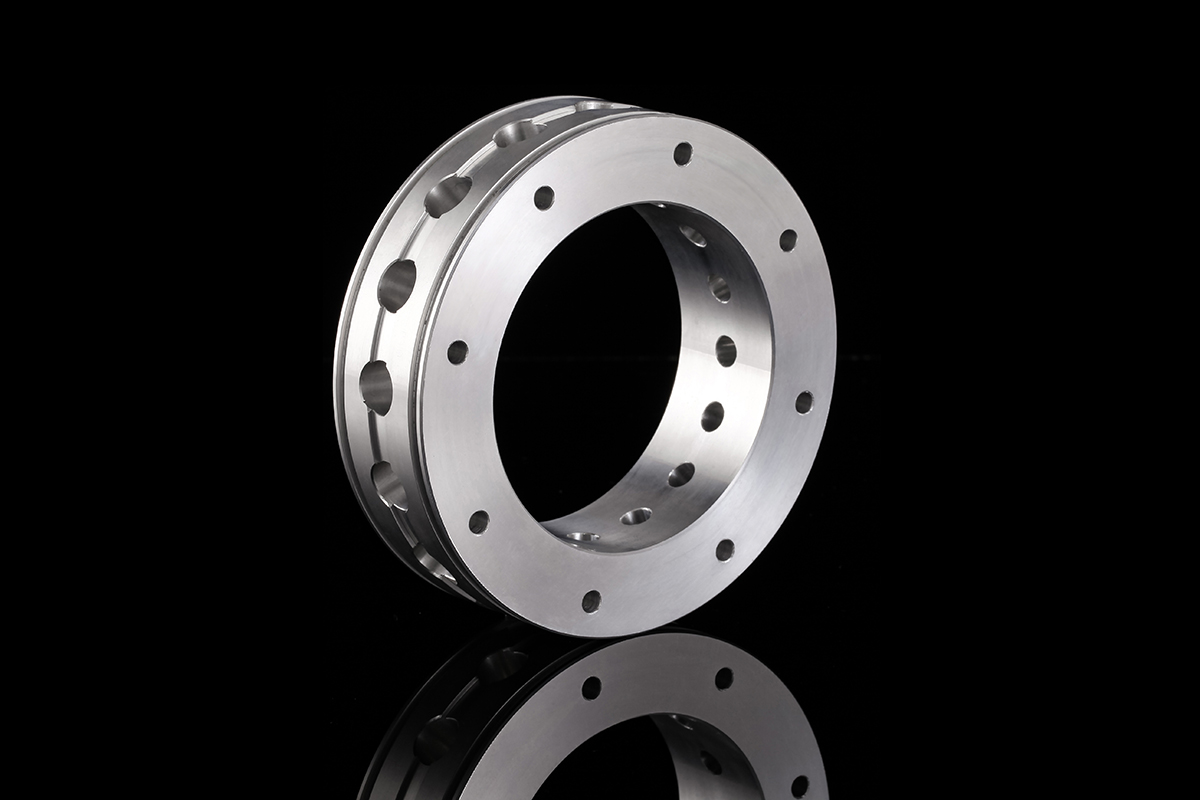
Japanese CNC turning manufacturers and suppliers typically emphasize long‑term reliability, rigorous process control, and advanced automation, often supported by in‑house or closely integrated control systems. In lower‑cost regions, some suppliers may focus more on price and labor‑intensive methods, though many are rapidly adopting similar machines and practices to match Japanese‑level precision.
Japanese turning centers are known for stable accuracy, strong thermal management, and robust mechanical design, which are critical for 24/7 production. As a result, CNC turning manufacturers and suppliers in many countries use Japanese machines to reduce downtime, improve dimensional stability, and support more complex parts on fewer setups.
Yes, many Japanese shops and machine builders maintain English‑language support, international sales teams, and logistics expertise. However, pricing, lead times, and minimum order quantities often reflect Japan's higher operating costs, so many buyers reserve these CNC turning manufacturers and suppliers for higher‑value or more complex parts.
Chinese OEM factories increasingly use Japanese turning centers and machining centers while benefiting from lower labor and facility costs. This allows them to act as cost‑competitive CNC turning manufacturers and suppliers that can approach Japanese‑level quality, particularly when processes are jointly developed with experienced engineers and robust quality systems.
Key trends include deeper automation, wider use of digital twins and real‑time monitoring, and closer integration with EV, medical, and high‑tech electronics supply chains. At the same time, sustainability, energy efficiency, and smart‑factory initiatives will push CNC turning manufacturers and suppliers in Japan to adopt greener processes and more connected production environments.

