
Views: 222 Author: Amanda Publish Time: 2025-07-22 Origin: Site


Content Menu
>> The Basics
● Understanding ISO Certification
>> What Is ISO?
>> Common ISO Standards in Rapid Prototyping
● Why ISO Certification Matters in Rapid Prototyping Services
>> Improved Process Consistency
>> Quality Assurance and Risk Management
● How ISO Certification Elevates Rapid Prototyping Workflows
>> Standardized Documentation and Traceability
>> Continuous Improvement Culture
>> Effective Communication and Transparency
● Case Example: Rapid Prototyping and ISO Certification in Action
● The Impact on OEMs, Wholesalers, and Brand Owners
● Challenges and Myths Around ISO Certification in Rapid Prototyping
>> Is ISO Certification Overly Bureaucratic?
>> Does ISO Guarantee Perfection?
>> Is ISO Certification Only for Large Companies?
>> Cost Concerns Around ISO Certification
>> Adapting to Changing Market Needs with ISO
● Steps to ISO Certification for Rapid Prototyping Providers
● The Future of ISO Certification in Rapid Prototyping
>> 1. What is the purpose of ISO certification in rapid prototyping services?
>> 2. How does ISO 9001 benefit the rapid prototyping process?
>> 3. Is ISO certification required for all rapid prototyping companies?
>> 4. Can a company lose ISO certification?
>> 5. How long does it take to achieve ISO certification for a rapid prototyping service provider?
The rapid evolution of manufacturing technologies has transformed how products are designed, tested, and brought to market. Among these advancements, Rapid Prototyping stands at the forefront, enabling businesses to iterate their designs quickly, test ideas in real time, and accelerate product development cycles. However, as the demand for rapid prototyping services grows, so does the need for reliability, standardization, and assurance of quality. This is where ISO certification becomes crucial.
This article explores the vital role of ISO certification in the context of rapid prototyping services, emphasizing how it enhances quality, credibility, and competitiveness. From understanding the foundations of ISO standards to discovering their benefits and applications, we will provide insights and examples to make the content both informative and engaging.
Rapid Prototyping refers to a collection of advanced manufacturing processes that allow for the quick fabrication of physical models from digital designs. These prototypes help designers and engineers validate concepts, identify flaws, and refine products before committing to large-scale production. By shortening the feedback loop between design and physical evaluation, rapid prototyping helps companies stay competitive and responsive to market needs.
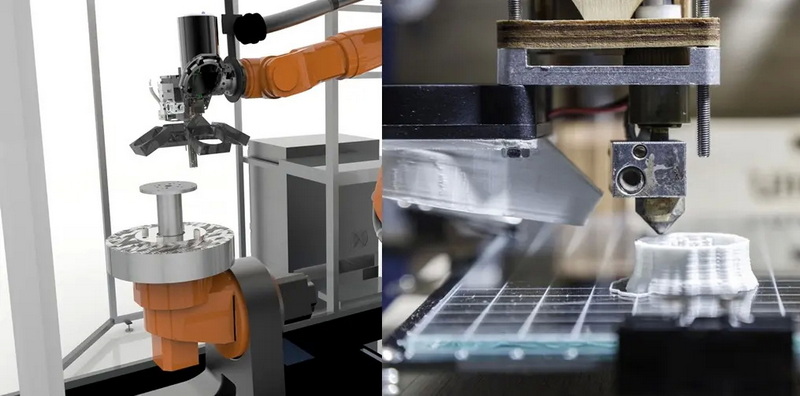
- 3D Printing (Additive Manufacturing): Uses layers of material to build objects directly from 3D models. It supports complex geometries and a variety of materials including polymers, resins, and metals.
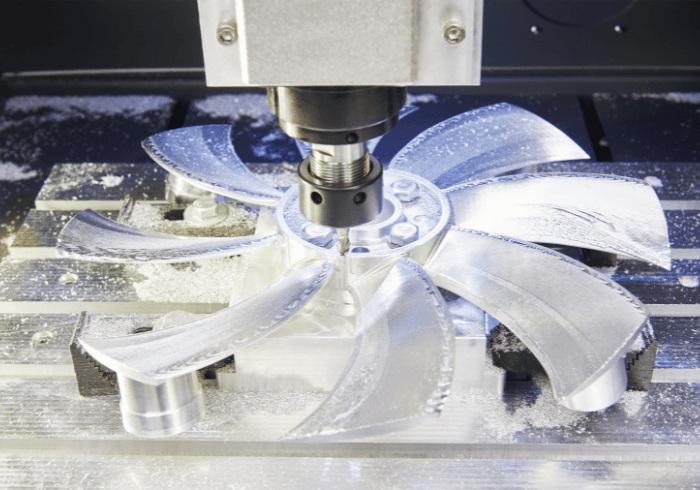
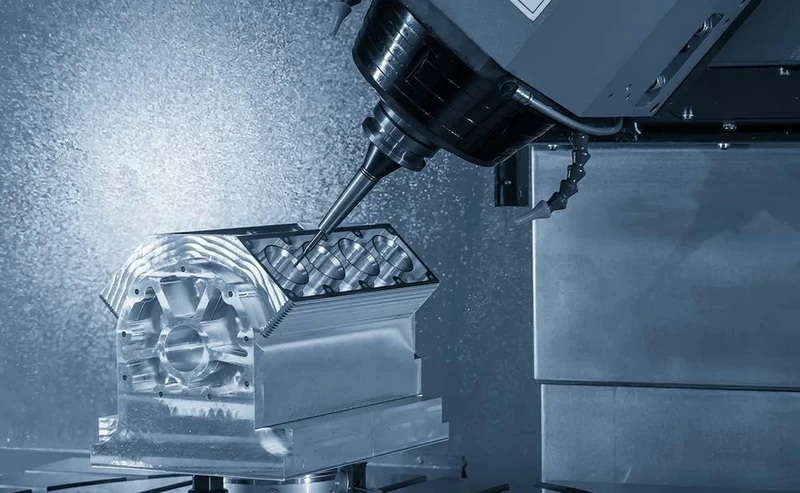
- CNC Machining: Precisely carves components from solid blocks, ideal for metals and plastics. CNC ensures dimensional accuracy and surface finish that approach final production-quality parts.
- Sheet Metal Fabrication: Bends, cuts, and shapes metal sheets into functional parts, widely used in automotive and electronics industries.
- Lathe Turning and Milling: Utilizes rotating tools to form precise cylindrical and prismatic components with tight tolerances.
- Injection Molding: Creates early-stage samples for plastics-intensive production plans, enabling realistic assessment of part behavior and molding feasibility.
- Reduced Lead Times: Rapid prototyping enables parts to be designed and produced within hours to days instead of weeks.
- Cost Savings on Iterative Development: Errors are identified and corrected early, avoiding expensive tooling or material wastage.
- Enhanced Design Flexibility: Complex geometries, custom features, and design modifications can be integrated quickly.
- Early Validation and Testing: Functional prototypes allow testing in real-world conditions before market launch.
These advantages have made rapid prototyping one of the most essential tools in modern product development cycles.
ISO stands for the International Organization for Standardization, an independent, non-governmental international body that develops consensus-based standards to ensure quality, safety, efficiency, and interoperability. ISO certification means a company meets the rigorous requirements set forth in a specific ISO standard, proving their dedication to consistent performance and continuous improvement.
ISO standards are globally recognized and accepted, making them key benchmarks for businesses seeking to demonstrate their operational excellence and compliance with international best practices.
- ISO 9001: Quality management systems standard. It provides a framework for companies to ensure their products and services consistently meet customer and regulatory requirements.
- ISO 14001: Environmental management standards, helping companies minimize their ecological impact.
- ISO 45001: Focuses on occupational health and safety, ensuring a safe working environment.
- ISO/IEC 27001: Information security management, protecting sensitive client data in digital and manufacturing processes.
While ISO 9001 is the most directly relevant certification for rapid prototyping providers, integrating other ISO standards improves sustainability and workplace safety, which clients increasingly value.
Clients seek partners they can trust with sensitive designs and innovative ideas. ISO certification provides visible assurance that a rapid prototyping provider will consistently meet agreed requirements and deliver reliable results. This certification not only builds trust but also demonstrates a company's commitment to customer satisfaction and high-quality standards.
ISO certified rapid prototyping facilities operate under standardized procedures, resulting in more predictable outputs. This consistency reduces the risk of dimensional errors, material defects, and production delays—critical factors when clients operate under strict deadlines and require near-perfect proofs of concept.
Maintaining consistent quality across batches also allows downstream production and assembly processes to align better, reducing wasted time and resources caused by variability.
Manufacturing iterations must be as close to final intent as possible to ensure product performance and market acceptance. ISO guidelines mandate rigorous quality control at every stage—from initial CAD data verification and material selection to final inspection of prototypes—helping to minimize defects and prevent costly redesigns.
This comprehensive approach to quality enhances risk management by systematically addressing failure modes and promoting root cause analysis when issues arise.
In a crowded global market, ISO certification distinguishes a rapid prototyping provider from competitors. Many Original Equipment Manufacturers (OEMs), wholesalers, and brands require their suppliers to hold appropriate ISO certifications as part of contractual prerequisites. Being ISO certified increases the chances of winning contracts, expanding client bases, and gaining access to new, often international, markets.
Many industries—such as automotive, medical devices, aerospace, and electronics—have strict regulatory frameworks. ISO certification facilitates compliance with these complex regulations by maintaining detailed documentation, traceability, and process control systems. This significantly reduces potential legal and financial liabilities for clients, who can be confident that their prototypes meet or exceed industry expectations.
Consistent and thorough documentation is vital during the fast-paced iterations of rapid prototyping. ISO standards require comprehensive record-keeping of all procedures, materials, inspections, and revisions. This traceability is crucial for quality assurance, enabling both the prototyping firm and their clients to track design changes, validate produced parts, and audit compliance in a structured manner.
ISO emphasizes continual process improvement, encouraging rapid prototyping companies to endeavor toward reducing lead times, enhancing accuracy, and optimizing resource utilization. Feedback loops integrated into ISO-certified systems identify inefficiencies, support corrective actions, and establish benchmarks to elevate productivity over time.
Embedding this culture benefits product development cycles by delivering prototypes that better align with evolving client needs and reduce time-to-market.
Successful rapid prototyping projects depend heavily on clear communication between client and service provider. ISO-certified companies implement standardized communication protocols, frequent status reporting, and rapid response mechanisms. This transparency helps resolve issues quickly, manage expectations, and enables collaborative problem-solving, fostering long-term client relationships.
Consider a technology start-up developing a new wearable device component. Initially, they engaged a rapid prototyping company without ISO certification. The sample parts arrived late and failed to meet tight dimensional tolerances, causing project delays and increased costs. Switching to an ISO 9001 certified rapid prototyping provider improved the process drastically. The certified provider delivered on-time samples with precision close to production-ready quality, maintaining transparent documentation and communication throughout. This reliability enabled the start-up to validate designs efficiently, accelerate product iterations, and meet their market launch deadlines.
This real-world example highlights how ISO certification directly impacts project success and client satisfaction in rapid prototyping partnerships.
Outsourcing prototyping often involves sharing proprietary designs and intellectual property. Choosing an ISO-certified rapid prototyping partner provides OEMs, wholesalers, and brand owners with peace of mind regarding confidentiality, quality control, and adherence to agreed terms.
Streamlined prototyping cycles facilitated by ISO-certified processes help businesses reduce development time significantly. Rapid and reliable prototyping enables faster incorporation of customer feedback and regulatory adjustments, shortening the gap between concept and commercial launch.
ISO certification can be a decisive factor in supplier selection when dealing with large manufacturers or international clients. It signals a professional approach to manufacturing, quality systems, and compliance, expanding business opportunities and enhancing reputation in competitive sectors.
Critics sometimes claim that ISO certification introduces too much paperwork and slows down rapid prototyping workflows. While careful integration is necessary, structured quality management systems often reduce rework and enhance process clarity, resulting in net time savings.
ISO certification ensures processes meet international standards, but it is not a magic solution. The skills, dedication, and continuous training of personnel remain critical to delivering exceptional prototyping results.
Contrary to common belief, small and medium-sized rapid prototyping firms can obtain ISO certification too. It acts as an investment, paving the way to partnerships with larger corporations and establishing credibility.
Some companies hesitate due to upfront costs associated with certification audits, document control, and training. However, the long-term benefits—such as reduced errors, improved customer retention, and expanded market access—far outweigh these initial expenses.
Critics worry ISO frameworks may limit flexibility, but the standards encourage continuous improvement and customer focus, supporting innovation within controlled processes.
Achieving ISO certification involves a structured approach:
- Gap Analysis: Compare existing procedures against ISO standards to find strengths and weaknesses.
- Documentation Development: Prepare comprehensive manuals, procedures, and records aligning with ISO requirements.
- Employee Training: Educate all staff about their roles within the quality management system.
- Test Implementation: Run pilot projects using new processes, making adjustments as needed.
- Internal Audit: Conduct rigorous checks to uncover non-conformities before official assessment.
- External Audit and Certification: Host accredited auditors for formal review, address any findings, and receive certification upon compliance.
This journey not only yields certification but also ingrains a culture of quality and responsibility throughout the organization.
As manufacturing increasingly integrates Industry 4.0 technologies—such as IoT connectivity, cloud data management, and AI-driven controls—ISO standards will evolve to address cybersecurity, data integrity, and sustainability in rapid prototyping. Providers maintaining ISO certification well-position themselves to meet new challenges related to digitalization, environmental stewardship, and supply chain resilience.
Rapid prototyping, by nature, demands agility and precision, and these qualities must coexist with rigorous quality assurance frameworks embodied by ISO standards. The combination will remain critical for companies aiming to lead innovation while guaranteeing reliability and client trust.
ISO certification is indispensable in today's rapid prototyping landscape. For companies specializing in rapid prototyping services—including CNC machining, 3D printing, precision batch production, and sheet metal fabrication—compliance with ISO standards signals an unwavering commitment to quality, customer satisfaction, and continuous improvement. For global clients, choosing an ISO-certified partner delivers confidence, risk reduction, and a clear path to successful innovation. As industries advance, the alignment of rapid prototyping services with ISO principles will be central to sustained competitive advantage and long-lasting collaboration.
ISO certification ensures that rapid prototyping providers maintain globally recognized quality management systems. This results in enhanced reliability, consistent product quality, reduced risks, and increased client trust.
ISO 9001 focuses on quality management principles such as customer satisfaction, continuous improvement, and process efficiency. For rapid prototyping, this guarantees that every prototype meets design intent and contractual obligations.
While not mandatory by law, many industries and clients require ISO certification to ensure quality and reduce potential risks. It is a strong selling point and often a prerequisite for participating in certain projects.
Yes. Periodic audits check continued conformity with ISO standards. If a rapid prototyping provider fails to uphold these standards, they can lose certification until compliance is restored.
The timeline varies based on the company's size, complexity, and preparedness. Generally, it takes several months to a year to complete documentation, training, implementation, and auditing.

