
Views: 222 Author: Amanda Publish Time: 2025-11-06 Origin: Site


Content Menu
● The Strategic Importance of Material Choice
● Material Categories and Their Roles
>> Elastomers
>> Metals and Tooling Materials
● Principles Guiding Material Selection
>> Functional and Regulatory Demands
>> Mechanical and Thermal Properties
>> Cost-Efficiency and Lifecycle
● How Material Selection Impacts Moulding Production Outcomes
>> Surface Quality and Aesthetics
● Expanded Applications and Advanced Materials
● Process Optimization Strategies
>> Digital Simulation and Prototyping
>> Automation and Quality Control
>> Volume Scaling and Lead-Time Management
● Challenges and Industry Solutions
>> Addressing Defects and Quality Issues
>> Regulatory and Environmental Concerns
● Innovations and Future Directions in Moulding Production
>> Sustainable Material Choices
>> Smart Materials and Digital Manufacturing
● FAQ
>> 1. How does melt flow rate impact moulding production outcomes?
>> 2. What materials excel in detailed, precise moulding production?
>> 3. How does tooling material affect the efficiency of moulding production?
>> 4. What are the major defects caused by inappropriate material choices?
>> 5. How do regulations influence material selection in moulding production?
Material selection is a central pillar of excellence in modern moulding production. The decision shapes every stage—from design, processing, and automation to quality, efficiency, cost structure, and sustainability. This comprehensive guide explores in detail how various materials influence moulding production outcomes, highlighting technical criteria, process strategies, and industry trends that empower manufacturers, brand owners, and OEM partners to realize optimal results in their projects.[4][7][11][12][13][14]
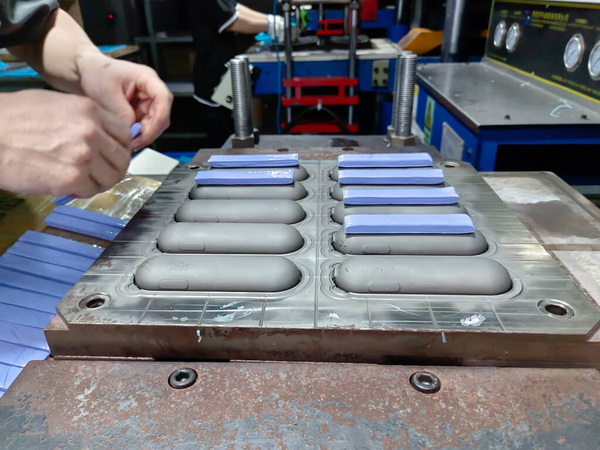
Material choice is not only a technical requirement but a core business strategy. Properly selected materials:
- Improve end-product quality and consistency[11][13][4]
- Minimize manufacturing defects and warranty claims[15][16][4]
- Maximize throughput and cost-efficiency
- Ensure compliance with safety, chemical, and environmental regulations[13][4][11]
- Enable innovation and differentiation in the market[16][17][18][11]
Thermoplastics are the backbone of high-volume moulding production. Their ability to melt and reform makes them ideal for iterative manufacturing and recycling.[7][18][4]
- ABS (Acrylonitrile Butadiene Styrene): Exceptional impact resistance and dimensional stability. Used in automotive components, electronics, and consumer appliances.[5][4][7]
- Nylon (Polyamide): High mechanical strength. Suitable for gears, bearings, housings, and industrial fittings. Water absorption is a limitation for certain applications.[4][7]
- Polycarbonate (PC): High transparency and toughness. Preferred for safety-critical parts like lenses, medical devices, and device housings.[18][7][4]
- Polyethylene (HDPE, LDPE): Lightweight and chemically resistant. Used in bottles, packaging, toys, and bins.[7][4]
- Polypropylene (PP): Strong, heat-resistant, suitable for automotive, food containers, textiles.[5][4]
- PMMA (Acrylic): For clear parts, excellent optical clarity but may be brittle.[5]
Thermosets cure irreversibly, offering excellent heat and chemical resistance—ideal for high-stress applications.
- Epoxy: Adhesive properties, key for electronic components and composites.[4]
- Phenolics: Used in electrical and automotive applications for their durability.[4][5]
Elastomers bring flexibility and resilience to moulding production and are prominent in medical and food-grade applications.
- Silicone: Heat resistance and biocompatibility make it suitable for devices, seals, and gaskets.[4]
- Nitrile Rubber: Oil and abrasion resistance, used in hoses and gaskets.[4]
Tooling—molds, dies, and inserts—must be tough, dimensionally stable, and provide a uniform surface finish throughout repeated cycles.[3]
- Tool Steel: Hardness, toughness, and wear resistance for long-term tooling.[3]
- Stainless Steel: Resistant to corrosion and extreme temperatures; essential for food-grade or cleanroom production.[3]
- Aluminum: Used for prototyping and short runs due to cost-effectiveness and machinability.[19][3]
- Copper Alloy: Exceptional thermal conductivity for rapid cooling and efficient cycle management.[19][3]
Material must fit the specific application requirements—mechanical loads, environmental exposure, and compliance with market standards (FDA, RoHS, automotive, medical).[9][11][4]
Critical attributes include:
- Tensile strength, elasticity, toughness, dimensional stability[6][7][5]
- Thermal resistance, conductivity, and heat deflection[1][7][5]
- Chemical and UV resistance for specialized or outdoor uses[5]
Flow rate, viscosity, ease of filling moulds, shrinkage, and ability to create complex shapes influence productivity and defect rates.[14][20][4]
Balance upfront raw material costs with durability, maintenance, and recyclability. High-performance plastics are pricier but may reduce replacement and warranty costs.[12][6]
Recyclability, reduced toxic emissions, and lower energy consumption are increasingly vital for both regulatory and market acceptance.[11][13]
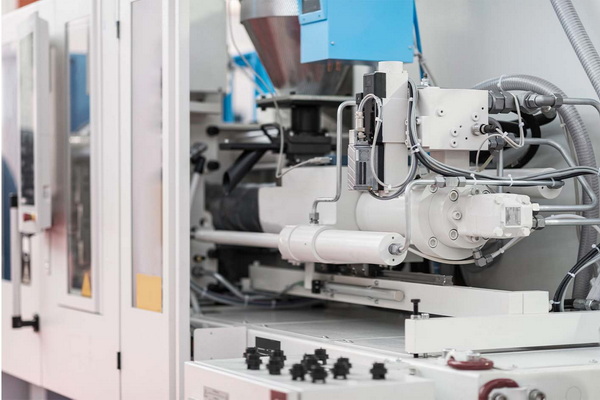
Selecting materials with optimal flow and cooling properties helps achieve uniform surface quality and desired optical or aesthetic finishes—critical for consumer-facing products.[7][5]
Thermal conductivity of both the plastic and the tool affects cooling rates, cycle times, and thus overall throughput. Faster cooling means increased output but may require advanced alloys or plastics with compatible thermal profiles.[21][3]
Moulds made from tougher alloys and high-grade polymers require less frequent replacement, lower service downtime, and maintain tight tolerances through extended production runs.[12][3]
Material mismatches lead to warpage, shrinkage, incomplete fills, and weld lines. Early simulation, prototyping, and optimization are key in preventing and remedying material-induced defects in moulding production.[15][16][5]
Materials like polyacetals, LCPs, and glass-filled nylons expand the options for high-load, precise moulding production.
- Acetal: Low friction, strong, good for gears and precise mechanical parts.[5]
- LCP (Liquid Crystal Polymer): Ideal for thin-walled, high-strength technical parts.[7][5]
For the most demanding environments, polyether ether ketone (PEEK), polysulfone, and polyphenylene sulfide (PPS) offer extreme temperature and chemical resistance for medical, aerospace, and high-voltage components.[6]
Simulation software models the impact of materials on cycle time, cooling, and defect formation. Prototyping confirms predictions before full-scale production, saving costs and ensuring reliability.[6][11][4]
Smart factory and IoT sensors monitor material behavior through every phase of moulding production. Real-time analytics guide parameter adjustments—temperature, pressure, cooling—to maximize consistency and minimize waste.[16][5]
The right material enables both high-speed mass production and small-batch custom manufacturing for fast turnaround—helpful for OEM suppliers seeking flexible order fulfillment.[14][3]
Choosing a material is often about compromise. For example, ABS offers excellent moldability and toughness but lower heat resistance than polycarbonate. Polycarbonate, on the other hand, performs better at high temperatures but is less forgiving in processing.[7][5]
Where warpage or poor bonding arise, manufacturers can switch to glass-filled polymers or add stabilizing agents. Design tweaks and molded part geometries often solve shrinkage and stress concentration. Continuous testing and process feedback are essential.[15][16][6]
Global brands increasingly require proof of material certification. Continuous research into bioplastics, low-emission alloys, and recycling programs align moulding production with evolving sustainability standards.[13][11]
Biodegradable plastics, recycled polymers, and low-energy metals are changing the landscape for eco-conscious consumers and innovative brands.[11][13][4]
Composites with self-healing, conductive, or adaptive properties enable new product categories and performance levels, blending electronics with traditional moulding production.[16][6]
Material selection stands at the intersection of engineering excellence and strategic business value in moulding production. By deeply understanding materials' properties and the requirements of each specific project, manufacturers and brand owners can create products that delight customers, optimize resources, and meet global sustainability goals. Successful moulding production stems from integrated decisions—matching precise material capabilities with rigorous process control, digital simulation, and forward-thinking innovation.[18][12][13][14][11][16][5][7][4]
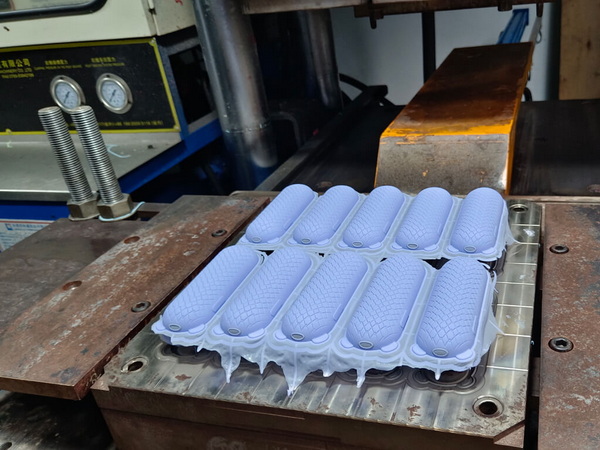
Melt flow rate influences the ability of materials to fill molds, especially for thin-walled or intricate parts. Higher melt flow can speed up cycles and enhance fill quality, though it may lower mechanical strength in finished parts.[14][7]
Low-viscosity thermoplastics such as ABS, polycarbonate, and LCP provide excellent moldability for detailed designs and complex geometries, enabling precision components in automotive, electronics, and consumer goods manufacturing.[20][18][5][7]
Tool materials with high thermal conductivity, like copper alloys and certain aluminum grades, accelerate cooling and reduce cycle times in moulding production. However, higher costs and reduced durability may be factors for consideration.[21][19][3]
Poorly matched materials can cause warpage, shrinkage, incomplete fills, surface blemishes, flow lines, and weld marks in moulding production. Simulation and iterative prototyping are recommended for defect prevention.[15][16][5]
Regulations—including safety, chemical, healthcare, and sustainability standards—require materials to meet specific certifications and environmental benchmarks. Non-compliance can lead to recalls, legal risk, and competitive disadvantage for manufacturers.[13][11][4]
[1](https://www.basilius.com/blog/the-complete-guide-to-injection-molding-materials/)
[2](https://www.protolabs.com/resources/guides-and-trend-reports/thermoplastic-material-selection-for-injection-molding/)
[3](https://advancedplastiform.com/a-guide-to-injection-molding-tooling/)
[4](https://www.unionfab.com/blog/2024/06/injection-molding-materials)
[5](https://www.protolabs.com/resources/guides-and-trend-reports/designing-for-moldability-fundamental-elements/)
[6](https://www.aprios.com/insights/optimal-material-choices-for-injection-molding-a-detailed-guide)
[7](https://xometry.pro/en/articles/injection-molding-materials/)
[8](https://www.extrememolding.com/blog/guide-to-mold-manufacturing-its-processes)
[9](https://www.ksplastic.com/blog/comprehensive-guide-to-plastic-injection-molding/)
[10](https://www.cadrex.com/a-starter-guide-to-injection-molding)
[11](https://protoshopinc.com/injection-mold-material-selection-guide/)
[12](https://www.goldengatemolders.com/post/the-impact-of-material-selection-on-injection-mold-performance)
[13](https://www.northernplasticsengg.com/blog/the-importance-of-material-selection-in-injection-molding/)
[14](https://www.clf.com.tw/en/article/factors-impacting-production-efficiency-injection-molding-machine.html)
[15](https://xometry.pro/en-tr/articles/injection-molding-defects/)
[16](https://www.westecplastics.com/blogs-news/injection-molding-defects-causes-and-remedies/)
[17](https://matchlessplastics.com/2025/10/the-importance-of-material-selection-in-plastic-injection-molding/)
[18](https://www.fictiv.com/articles/the-ten-most-common-plastic-injection-molding-materials)
[19](https://prototool.com/mold-making-materials/)
[20](https://arterexmedical.com/injection-molding-material-selection/)
[21](https://www.plasticsengineering.org/2024/11/how-thermal-conductivity-drives-mold-efficiency-007309/)

