
Views: 222 Author: Amanda Publish Time: 2025-11-11 Origin: Site


Content Menu
● The History and Evolution of Turning Lathe Technology
>> From Manual Operations to Digital Intelligence
>> Multi-Axis Machining and Hybrid Systems
● Key Drivers of Innovation in Turning Lathe Technology
>> Integration of Automation and Robotics
>> IoT, Sensors, and Smart Factories
>> Artificial Intelligence and Machine Learning
>> Advanced Materials and Cutting Tool Innovations
>> Sustainability as a Core Principle
● Key Trends Shaping the Future of Turning Lathe Technology
>> Smart Human-Machine Interfaces (HMI)
>> Cloud-Based Analytics and Data Visualization
>> Global and Regional Market Growth
● Sector-Specific Applications of Turning Lathe Technology
>> Electronics and Energy Sectors
● Overcoming Critical Challenges in Turning Lathe Operations
>> Addressing Vibration and Tool Wear
>> Simplifying Programming and Reducing Errors
>> Material-Specific Process Adaptations
● Business Case: Why Invest in Next-Gen Turning Lathe Technology?
>> Reduced Manufacturing Costs
>> Customization and Batch Flexibility
>> Enhanced Quality and Consistency
>> Environmental Compliance and Reputation
● Frequently Asked Questions (FAQ)
>> 1. What is a turning lathe and why is it central to precision manufacturing?
>> 2. How are AI and machine learning transforming turning lathe operations?
>> 3. What trends are making turning lathes more sustainable?
>> 4. What challenges are faced with modern turning lathe systems and how can they be overcome?
>> 5. What is the future outlook for the turning lathe market?
Turning lathe technology stands at the center of modern precision manufacturing, acting as the backbone of production for crucial industrial sectors worldwide. From automotive and aerospace to medical and electronics, manufacturers rely on advanced turning lathe solutions to produce high-precision components that meet increasingly stringent quality, speed, and sustainability standards.[3][6]
As we move further into the digital era, turning lathe systems are evolving rapidly, driven by disruptive trends such as digitalization, automation, artificial intelligence (AI), sustainable engineering, and new material innovations. These transformations are fundamentally altering how manufacturers approach product design, process optimization, and mass customization, promising new benchmarks of productivity for all stakeholders.[6][9]
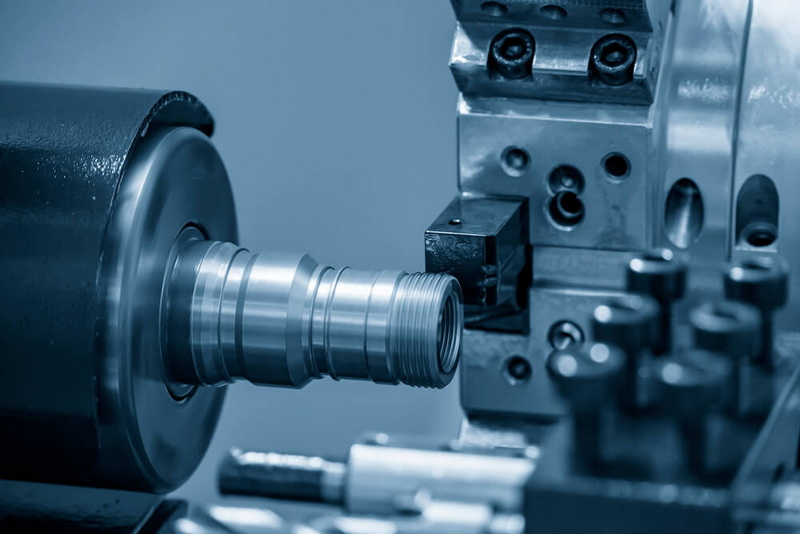
The journey of the turning lathe dates back centuries, evolving from simple manually operated wooden machines to today's state-of-the-art CNC (Computer Numerical Control) lathes. Early lathes relied heavily on the skill of human operators, making high repeatability and precision difficult. The advent of CNC technology marked a leap forward, automating tool path generation, spindle speed, and cutting operations via digital controls. This transition allowed complex cuts, greater repeatability, and integration with other finishing processes, such as milling and drilling, within a single setup.[11][3]
Recent turning lathes now come with multiple axes, allowing for versatile, complex part geometries. Multi-axis lathes, sometimes paired with live tooling, enable complex parts to be completely finished in one workflow, increasing throughput while reducing setup changes. Additionally, hybrid systems that couple additive manufacturing (such as 3D printing or directed energy deposition) with turning operations are pushing the boundaries of part complexity, efficiency, and material use. This synergy results in innovative manufacturing capabilities vital for industries like aerospace and medical devices.[2][5][3]
One of the most transformative drivers for turning lathe technology is automation. Robotic arms and collaborative robots (cobots) are integrated for automated part loading/unloading, tool changes, in-line measurement, and quality assurance. Automation ensures that turning lathes can operate 24/7 with minimal human intervention, reducing human error and allowing skilled workers to focus on process programming and oversight.[5][3][6]
Modern turning lathes are embedded with IoT-enabled sensors that collect and relay live data on tool wear, temperature, vibration, and machine health. This digital infrastructure allows for real-time remote diagnostics, precise predictive maintenance, and seamless integration with ERP and MES platforms. As a result, machine downtime is minimized, process parameters are optimized dynamically, and overall system throughput is significantly improved.[8][9][6]
AI-driven systems now analyze massive process data sets to optimize machining parameters in real time. Machine learning algorithms predict tool wear, recommend maintenance intervals, and can even self-correct issues before they escalate. Such intelligent systems are expected to become standard by 2025, raising both the quality of output and operational efficiency for manufacturers across all scales.[1][6]
The materials landscape is expanding rapidly. Today's turning lathes are expected to handle not only traditional metals but also advanced engineering composites, high-strength alloys, titanium, ceramics, and hard plastics. New tool coatings—such as ceramics, CBN (Cubic Boron Nitride), and diamond—are engineered for heat resistance, toughness, and minimal wear. Innovations like high-pressure coolant systems and minimum quantity lubrication (MQL) reduce waste and enhance machining under rigorous conditions.[5][11]
As environmental regulations tighten and consumer preferences shift, sustainability now takes center stage in turning lathe design and operation. Features such as eco-friendly lubricants, energy-efficient motors, recyclable construction materials, and optimized cutting strategies help manufacturers reduce power consumption and waste. Factories are integrating closed-loop coolant systems, using digital twins for resource optimization, and implementing recycling programs, all while meeting or exceeding global emissions standards.[9][6]
The usability of turning lathes is being reimagined with intuitive touchscreen HMIs, remote support portals, and even augmented reality (AR)-based operator guidance. These platforms simplify training, reduce changeover times, and empower less-experienced operators to manage advanced machining centers with confidence.[12][5]
Data gathered from networked turning lathes is stored and analyzed on cloud platforms, allowing multi-plant benchmarking, workflow optimization, and predictive analytics that cross geographic and organizational boundaries. Data visualization tools give manufacturing teams unprecedented insight into productivity, utilization rates, and cost drivers, enabling fast, evidence-based decision-making.
To gain an edge in flexibility, manufacturers are designing modular turning lathe platforms that can be rapidly reconfigured for changing product mixes and evolving industry requirements. Modular systems streamline maintenance, facilitate upgrades, and support agile manufacturing practices, ensuring competitive adaptability for small-batch and mass customization markets.[3][5]
The market for advanced turning lathes is forecasted to grow robustly, with Asia-Pacific, Europe, and North America leading investments in new manufacturing technologies. As new trade policies and supply chain dynamics unfold, manufacturers worldwide are prioritizing efficiency, digital integration, and resilience—qualities that state-of-the-art turning lathes deliver in abundance.[6][9]
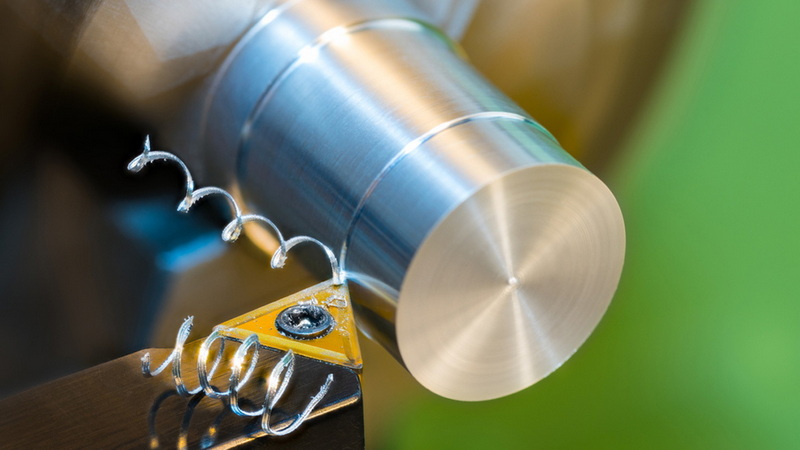
Aerospace manufacturers deploy multi-axis and hybrid turning lathes to produce lightweight, load-bearing components demanding extreme tolerances and repeatability. Vibration-free processing, real-time inspection, and traceable data logging ensure both performance and regulatory compliance.[11]
Automotive plants leverage high-productivity turning lathes for shafts, bushings, engine housings, and transmission parts. Modular lines allow for quick retooling as vehicle models and part geometries change more frequently in response to consumer trends and regulatory shifts.
Turning lathes support medical device manufacturers producing implants, surgical tools, and orthopedic components from exotic metals and polymers. The emphasis is on precision, biocompatibility, and surface finish, enabled by cutting-edge tooling and high-fidelity monitoring systems.[11]
Micro-turning lathes produce intricate connectors for electronics, while large-capacity systems churn out heavy-duty parts for turbines, power generation, and oil and gas equipment. Material versatility, setup flexibility, and digital traceability are key to success in these fields.
Machining advanced alloys and hardened materials at high speeds elevates the risk of vibration, which can ruin part tolerances and accelerate tool degradation. Current solutions include precision-balanced tooling, rigid slant bed designs, vibration-dampening technologies, advanced fixturing, and closed-loop feedback systems. Collectively, these approaches increase precision and reduce tool life variability.[3][5]
Multi-axis programming remains challenging for many shops due to the intricacies of G-code and process sequencing. State-of-the-art CAM (Computer Aided Manufacturing) software, software simulation, and on-screen process verification have greatly reduced programming time and G-code mishaps, accelerating time-to-market and reducing scrap.
Material science is at the core of process planning. Each workpiece material, from stainless steel to carbon fiber composites, demands tailored feeds, speeds, tool types, and cooling strategies. Ongoing R&D in tool coatings and cooling systems ensures that manufacturers can achieve optimal cycle times, surface qualities, and resource efficiencies across material types.
Rapid technological change creates a pressing need for workforce development. Manufacturers now invest in upskilling programs, digital training modules, and partnerships with technical schools to keep pace with new machine capabilities and software platforms.[5][3]
Digitalized, automated turning lathes lower per-part manufacturing costs by reducing labor, minimizing setup time, improving yield, and extending tool life. Predictive maintenance and AI-driven process improvements keep downtime to an absolute minimum.[6][3]
Modern turning lathes support rapid changeovers and dynamic production scheduling, providing manufacturers with agility to fulfill increasingly personalized, small-batch—or even one-off—orders. This flexibility is vital for industries like prototyping, consumer products, and specialty manufacturing.[5]
Real-time data capture, in-process inspection, and closed-loop control enable manufacturers to consistently meet—and document—ultra-tight tolerances required by customers in regulated or safety-critical industries, such as aerospace and medical devices.[3][11]
Sustainable turning lathe solutions help organizations meet environmental regulations and bolster their reputation among industrial buyers who prioritize green procurement strategies. Closed-loop systems, energy optimization, and recyclable materials contribute directly to measurable reductions in the carbon footprint of production operations.[9][6]
Turning lathe technology is redefining the standards of efficiency, quality, and sustainability in precision manufacturing. Tomorrow's manufacturing leaders are investing in modular, AI-enhanced, and automation-ready turning lathe systems that deliver on the promises of productivity, mass customization, and environmental stewardship. As advanced sensors, IoT connectivity, machine learning, and eco-friendly practices become widespread, turning lathe systems will remain pivotal in evolving shop floors and supply chains worldwide. Embracing these innovations ensures competitiveness, agility, and future readiness for any manufacturer seeking to thrive in an increasingly complex industrial landscape.[9][6][3][5]
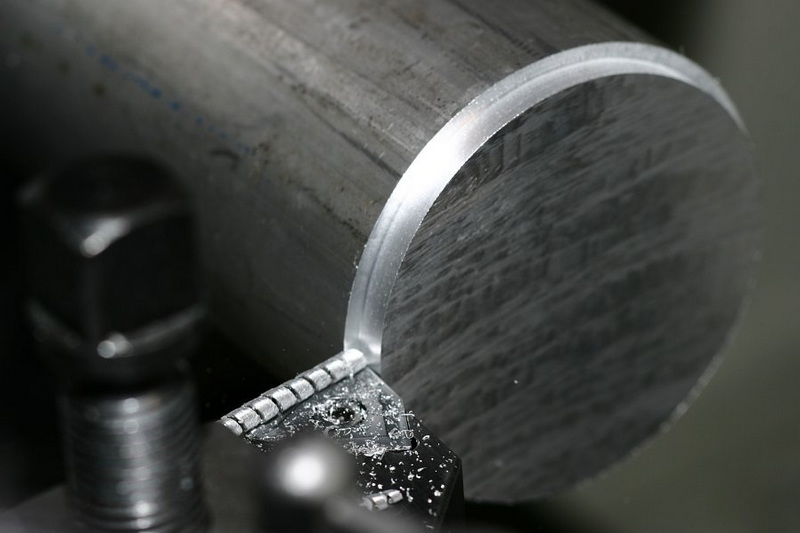
A turning lathe is a machine tool that rotates a workpiece against a fixed cutting tool to remove material, creating cylindrical components with precise dimensions. Its ability to shape, drill, thread, and finish parts makes it central to nearly every manufacturing sector, especially where tight tolerances and smooth finishes are mandatory.[11][3]
AI and machine learning optimize process parameters, predict maintenance needs, and allow for dynamic adaptation to production changes, resulting in higher efficiency, reduced downtime, and increased part quality. These technologies are particularly beneficial in high-volume and high-mix production environments.[1][6]
Key trends include the adoption of energy-efficient motors, minimum quantity lubrication systems, closed-loop coolant recycling, and the use of recyclable materials in both machine construction and operation. Sustainability not only helps companies meet regulatory requirements but also supports their environmental, social, and governance (ESG) goals.[6][9]
Common challenges include vibration, tool wear, programming complexity, and adapting processes to new materials. Solutions include advanced tool balancing, rigid machine frames, simulation software, operator training, and material-specific process tweaks, all of which work together to improve productivity and part quality.[2][3][5]
The turning lathe market is projected to experience steady growth, driven by investments in automation, digitalization, and sustainability. Markets in Asia-Pacific, Europe, and North America will see robust demand as regulatory requirements tighten and competition ramps up, making advanced turning lathe systems essential for maintaining a strategic edge.[9][6]
[1](https://www.linkedin.com/pulse/how-diamond-turning-lathe-works-one-simple-flow-2025-jsi7e)
[2](https://schantzfab.com/new-cnc-machining-technology-trends-for-2025/)
[3](https://www.manufacturingtomorrow.com/news/2025/03/31/how-cnc-turning-is-revolutionizing-precision-manufacturing/24613)
[4](https://www.productionmachining.com/articles/turning-technology-and-more-seen-at-mazak-discover-2025)
[5](https://www.supercncmachine.com/best-cnc-lathe-metal-in-2025/)
[6](https://www.ashishmachinery.com/blog/future-trends-global-market-best-lathe-machine-2025/)
[7](https://www.3erp.com/blog/future-of-cnc-machining/)
[8](https://premierequipment.com/cnc-blog/haas-cnc-machines-a-2025-outlook-on-technology-and-trends/)
[9](https://www.accio.com/t-v2/business/lathe-tools-trends)
[10](https://www.archivemarketresearch.com/reports/single-point-diamond-turning-lathe-209862)
[11](https://www.xometry.com/resources/machining/what-is-turning-in-machining/)
[12](https://www.market-prospects.com/articles/cnc-cutting-tool-trends)

