
Views: 222 Author: Amanda Publish Time: 2025-11-12 Origin: Site


Content Menu
● What Makes a CNC Turning Lathe Unique?
>> How CNC Turning Lathes Work
● Precision and Accuracy in Metal Fabrication
● Efficiency, Speed, and Cost-Effectiveness
● Flexibility and Adaptability
>> Multi-Material Machining Capabilities
● Industries Benefiting from CNC Turning Lathes
>> Aerospace
>> Automotive
>> Medical
● The Power of Automation and Integration
● Safety and Workplace Advantages
● Case Studies: Real-World Impact of Turning Lathes
● Future Trends in CNC Turning Lathe Technology
● Best Practices for Leveraging CNC Turning Lathes
● FAQ About CNC Turning Lathes
>> 1. What types of materials can CNC turning lathes work with?
>> 2. Which industries benefit most from CNC turning lathe technology?
>> 3. Can CNC turning lathes fabricate complex geometries?
>> 4. Are CNC turning lathes cost-effective for both prototyping and large production runs?
>> 5. How do CNC turning lathes support worker safety?
In the world of modern industrial fabrication, the CNC turning lathe has revolutionized how metals are shaped, processed, and produced. For businesses in fields as varied as aerospace, automotive, medical, consumer electronics, and precision machinery, the CNC turning lathe represents reliability, accuracy, and adaptability, empowering both mass production and custom solutions for overseas brands, wholesalers, and manufacturers.[1][5][6]
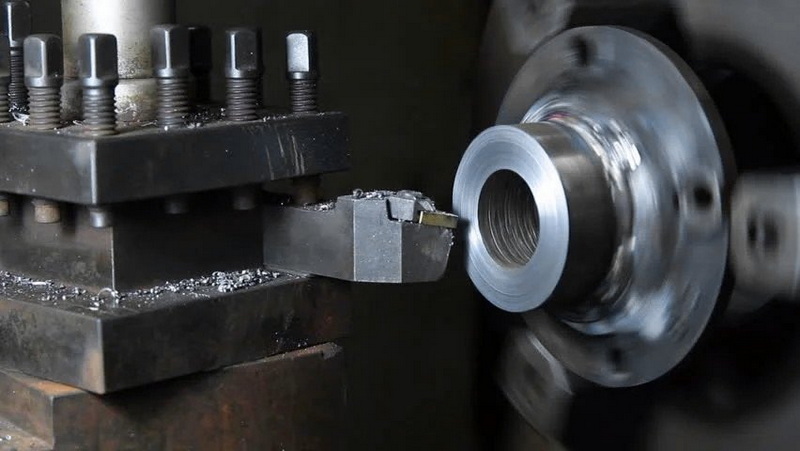
A CNC turning lathe is a computer-controlled machine that rotates a workpiece along its axis while a fixed cutting tool systematically removes material to achieve a precise, often cylindrical shape. Unlike manual lathes, CNC models deliver finely tuned results with little operator intervention by following digitally programmed instructions from CAD/CAM models. This strategic automation underlies superior repeatability, seamless production speed, and extreme dimensional control.[2][7]
Turning lathes utilize motors, spindles, and tool posts, communicating with the CNC controller to shape, bore, drill, groove, thread, and finish products. Operators can quickly program variations for custom designs or bulk manufacturing, creating intricate shafts, rods, bushings, connectors, discs, threads, and fasteners for numerous industries.[3][6][2]
Industries demand that parts be consistently perfect. CNC turning lathes excel at delivering micron-level tolerances on all types of metals—from stainless and carbon steels to aluminum and titanium. This extreme exactness is essential for aerospace components, medical implants, or advanced automotive assemblies, where minor discrepancies can result in costly failures or safety risks.[5][7][3]
Another key advantage is the outstanding surface finish that CNC turning lathes provide. Smooth finishes improve part functionality, reduce friction, and enhance aesthetics, causing less wear and better performance in moving assemblies.[3]
Compared to manual operations, CNC turning lathes radically maximize productivity. These machines can work round-the-clock, performing multiple machining operations in one setup—turning, drilling, threading, and even knurling. Automated tool changes, rapid part production, and optimized material usage reduce labor requirements and cost per unit, especially in high-volume OEM production scenarios.[7][2][5]
The precision programming of a CNC turning lathe eliminates unnecessary cuts, optimizing toolpaths to preserve expensive materials. Less scrappage means greener manufacturing and healthier bottom lines.[5]
One of the most striking qualities of CNC turning lathes is their versatility. They can manufacture both prototypes and production runs with ease, quickly transitioning between different jobs. This flexibility is invaluable for brands needing fast turnaround on new designs or batches, or for OEMs needing replacement parts, one-off features, or larger assembly runs.[1][2]
Modern CNC turning lathes are compatible with a vast range of metals—stainless steel, carbon steel, exotic alloys, aluminum, brass—as well as rigid plastics and specialty composites. Some systems can even process sheet metal or non-metal components for industry-specific uses.[7][3]
Aircraft components demand accuracy and durability. CNC turning lathes manufacture landing gear, shafts, bushings, connectors, and intricate engine parts, all with critical adherence to strict tolerances.[3][5]
Turning lathes are instrumental in producing axles, gearbox shafts, pistons, valves, gears, and engine blocks. They are integral to everything from high-performance race cars to mass-market electric vehicles, supporting innovation and volume.[6][1][3]
From surgical tools to implants, turning lathes create highly specialized components requiring biocompatibility and flawless detail. Precision, repeatability, and clean finishes are mandatory.[3]
Precision casings, connectors, knobs, and internal fittings all benefit from CNC turning. Aesthetic quality, intricate features, and reliable assembly are made possible thanks to the accuracy of this process.[3]
Turning lathes produce parts for defense hardware—reinforced connectors, valve bodies, robust shaft assemblies, and more. Energy sectors also rely on CNC turning for pump components, fittings, and valves that withstand high pressures and corrosion.[7][3]
Building hardware, machinery parts, marine shafts, propellers, and connectors are fabricated to exact standards, providing strength and longevity in tough environments.[7][3]
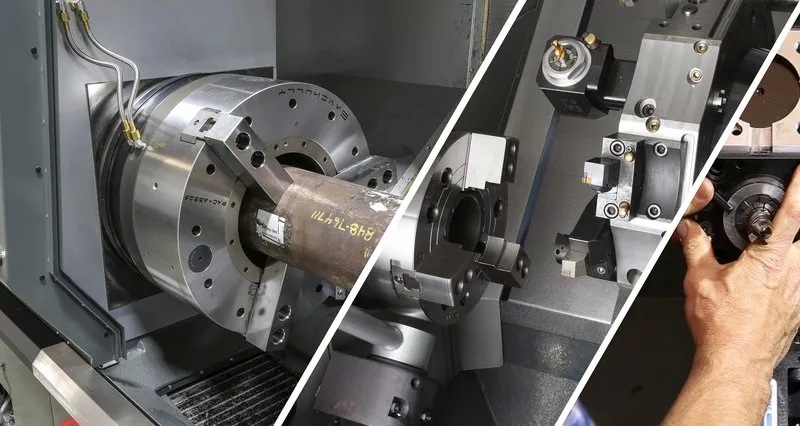
Modern CNC turning lathes easily integrate with factory automation and digital management platforms, harmonizing with robotic arms and automated material handling systems. This integration increases throughput, reduces downtime, and adds smart analytics to every stage of production—enabling predictive maintenance and real-time quality monitoring. Such advancements empower manufacturers and their overseas partners to meet changing demands amidst global supply chain challenges.[10]
The automation of CNC turning lathes means better protection for operators. Comprehensive enclosures and remote programming minimize direct contact with rotating components and sharp tools, reducing accident rates and enhancing overall workplace safety standards. Ergonomic setups and centralized control panels further support staff well-being.[2][5]
Automotive manufacturers, for instance, have documented significant reductions in cycle time and material waste after integrating CNC turning lathes into their processes—producing complex, repeatable engine components at scale, with fewer quality issues. Medical device companies have achieved better surgical outcomes by utilizing precise, consistent implants and tools made on CNC turning lathes. In aerospace, digital machining has enabled the production of lightweight, high-strength parts that meet rigorous certification requirements without compromise.[5]
As market pressures force ever-higher standards for precision and speed, CNC turning lathe technology continues to evolve. The latest machines feature advanced sensors, AI-driven optimization algorithms, smarter material handling, and faster changeovers. Integration with Industry 4.0 initiatives allows for analytics that traverse global networks—optimizing batches for overseas clients even before the production run begins.[5]
To maximize the advantages of a CNC turning lathe, manufacturers should:
- Develop robust, well-optimized CAD/CAM models for programming
- Choose machines aligned with project scale and complexity
- Use quality materials suited to the process and industry standards
- Implement continuous quality control checkpoints
- Invest in worker training for programming and maintenance
A well-selected partner with cutting-edge CNC turning lathe capabilities can handle design through fulfillment, supporting fast prototyping, high-volume production, and emergency part replacements for overseas customers.[11][12]
CNC turning lathes routinely deliver excellence in the production of:
- Conical shafts, rods, discs, bushings, sleeves, fasteners
- Threaded components, connectors, flanges, couplings
- Hydraulic and pneumatic system parts: pistons, cylinders, valves
- Precision instrumentation and measuring devices[6][7][3]
OEMs and contract manufacturers should consider CNC turning lathes for projects where quality, repeatability, and speed are essential to success.
The CNC turning lathe is an indispensable element of modern metal fabrication, offering manufacturers and OEMs world-class precision, unmatched repeatability, rapid production times, and broad adaptability across material and industry. Whether for new product prototyping, batch production, or urgent custom part replacement, turning lathes deliver consistent results. Their integration with digital workflows ensures smarter manufacturing, safer workplaces, and the flexibility required to meet changing needs of brands and overseas partners. As technology advances, turning lathes will only become more central to efficient, high-quality manufacturing worldwide.[10][6][5][3]
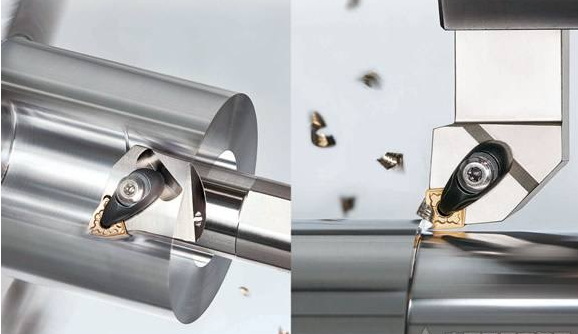
CNC turning lathes handle a variety of materials—including stainless steel, carbon steel, aluminum, exotic alloys, brass, and hard plastics. Their tooling and spindle designs accommodate both basic and specialized stock types, ensuring durability and reliability in diverse applications.[7]
Aerospace, automotive, medical, consumer electronics, defense, energy, construction, and maritime sectors all rely on turning lathes for precision-engineered parts, rapid prototyping, and consistent batch production.[1][6][3]
Yes. Turning lathes—especially multi-axis models—produce complex profiles, undercuts, threads, grooves, and multi-featured components with exceptional precision. This capability greatly expands product design options for engineers and designers.[2][3]
Absolutely. While setup costs can make manual machining preferable for tiny runs, CNC turning lathes deliver reduced per-unit costs and superior speed for medium and high-volume jobs. Fast changeovers also support one-off prototyping with minimal expense.[3]
Operators interact mainly with the programming interface and finished parts, as automated enclosure systems shield them from cutting tools and rotating machinery. This thoughtful engineering has significantly improved shop floor safety in recent years.[2]
[1](https://www.3erp.com/blog/cnc-machining-applications-and-uses/)
[2](https://staubinc.com/news/a-guide-to-cnc-lathe-machining-processes-applications-benefits/)
[3](https://www.komacut.com/blog/what-is-cnc-turning/)
[4](https://www.mecanumeric.com/3-4/technologies/lathe/)
[5](https://wisconsinmetaltech.com/the-benefits-of-cnc-machining-for-metal-fabrication/)
[6](https://sparkmanindustries.com/machining/cnc-turning/)
[7](https://ezgmfg.com/how-a-cnc-lathe-works/)
[8](https://cncwmt.com/qa/cnc-lathe-machine-processes-applications-and-benefits/)
[9](https://www.metalbook.com/blogs/what-makes-cnc-cutting-so-popular-in-metal-fabrication/)
[10](https://brightsunindustries.com/blog-detail/why-cnc-lathes-are-essential-in-modern-manufacturing-a-deep-dive)
[11](https://www.pinnaclemetal.com/how-to-choose-the-right-oem-cnc-machining-manufacturer-for-your-project/)
[12](https://www.lauenscnc.com/top-10-applications-of-cnc-turned-parts-in-modern-manufacturing/)

