
Views: 222 Author: Amanda Publish Time: 2025-11-07 Origin: Site


Content Menu
● What Is ISO Certification in Moulding Production?
● Why ISO Certification Matters in Moulding Production
>> Consistency and Superior Product Quality
>> Regulatory Compliance and Market Access
>> Risk Management and Operational Reliability
>> Efficiency, Innovation, and Cost Reduction
>> Enhanced Customer Confidence and Brand Reputation
>> Environmental Responsibility and Work Culture
● How ISO Certification Enhances Every Stage of Moulding Production
>> Material Selection and Quality Assurance
>> Tooling, Design, and Engineering Collaboration
>> Precision in Production Processes
>> Cleanroom Manufacturing and Contamination Control
>> Quality Inspection and Product Traceability
>> Packing, Shipping, and Global Deployment
>> Continuous Feedback and Corrective Action
● Industry Examples: Why Leading Companies Choose ISO-Certified Partners
>> Medical Devices and Pharmaceuticals
>> Consumer Electronics and Industrial Equipment
● The Dangers of Non-ISO-Certified Suppliers
● How to Evaluate an ISO-Certified Moulding Production Manufacturer
● Partnering for Success: Future-Ready Manufacturing
● FAQ
>> 1. What is the main advantage of ISO certification for moulding production?
>> 2. How does ISO certification impact cost and efficiency?
>> 3. Why use ISO-certified partners for prototype and low-volume jobs?
>> 4. Which certifications should I request?
>> 5. How often are ISO-certified moulding manufacturers audited?
In today's global marketplace, OEMs, brand owners, and product managers face intense pressure to deliver reliable, high-quality products under tight deadlines and increasing regulatory demands. Selecting an ISO-certified moulding production manufacturer is a strategic move that safeguards product integrity and drives competitive advantage, especially for industries where precision, consistency, and compliance are business-critical. This article explores how ISO-certified partners—such as those specializing in rapid prototyping, CNC machining, precision mass production, and advanced moulding—empower global businesses to succeed and future-proof their supply chains.[2][3][5]
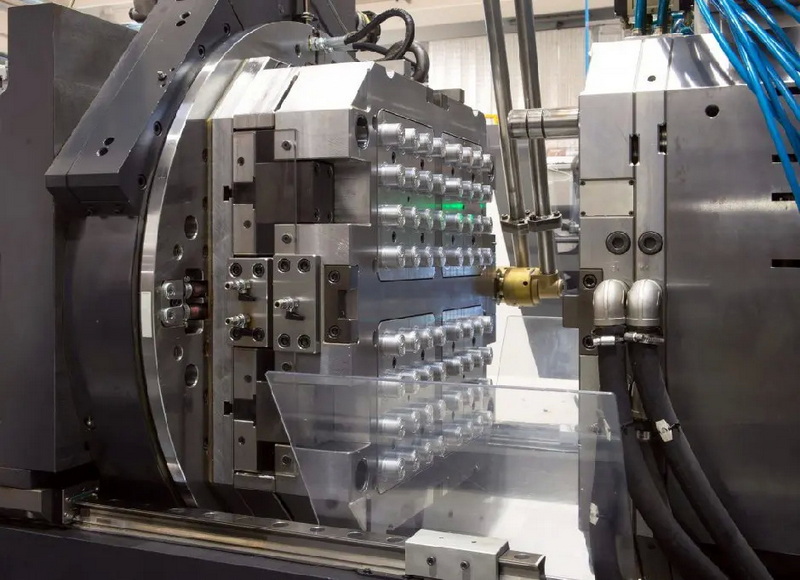
ISO certification is an internationally recognized assurance that a manufacturer follows documented quality management, environmental, and sector-specific standards. For moulding production manufacturers, common certifications include:[5][10][2]
- ISO 9001: The gold standard for quality management, covering all steps from material sourcing to final inspection.[3][5]
- ISO 14001: Targets environmental responsibility and sustainability throughout production.[6]
- ISO 13485: Specializes in medical device production quality and safety.[8][11]
Manufacturers undergo rigorous internal and third-party audits, demonstrating ongoing compliance with documented procedures, continuous improvement, and risk management across every process.[10][2][5]
- ISO standards require manufacturers to define, monitor, and continually optimize each step of the moulding production process, minimizing variability and defect rates.[2][5]
- Documented procedures cover everything from material selection to process controls—like temperature, pressure, and tool calibration—ensuring uniform quality across every batch.[3][5]
- Customers benefit from greater peace of mind, knowing their products will meet specifications with each order delivered.
- ISO-certified moulding production is vital for industries subject to strict regulations (medical, automotive, electronics, aerospace).[11][3]
- Adhering to standards such as ISO 9001 and ISO 13485 unlocks access to international markets, allowing companies to export products globally without compliance obstacles or legal disputes.[5][10]
- ISO-certified manufacturers deploy risk-mitigation strategies to identify and resolve vulnerabilities, from supply chain disruptions to material inconsistencies.[2][3]
- Auditing and corrective-action workflows minimize the likelihood of costly defects, recalls, and order delays.[2]
- Lean manufacturing practices are embedded in ISO standards, driving process efficiency, lower energy consumption, and minimized material waste.[6][5]
- Iterative improvement ensures performance benchmarks are tracked and advanced with every project, helping businesses save time and resources without sacrificing quality.[3][5][2]
- Third-party validation sends a strong message to customers and stakeholders, signaling the manufacturer's commitment to quality, transparency, and accountability.[3][2]
- Traceability systems provide detailed records for each order, ensuring fast resolution of issues and building stronger relationships with clients.[5][2]
- ISO 14001-certified manufacturers reduce environmental impact by optimizing resource use, recycling, and waste disposal.[6]
- Continuous employee training fosters a positive workplace culture, empowering teams to innovate and support your ESG (environmental, social, governance) commitments.[6]
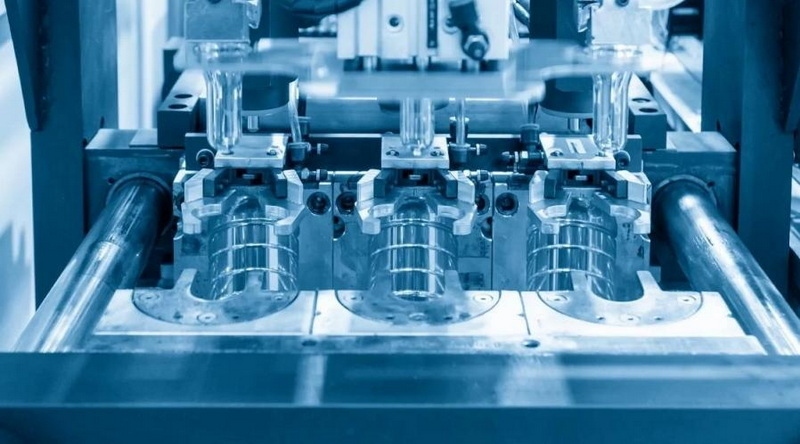
- ISO standards require traceable material sourcing, chemical analysis, and batch consistency testing.[5][2]
- Documentation verifies input quality, protecting against contamination or property variances—critical for regulated products such as medical devices or electronics.[1][8]
- ISO-certified partners use documented design controls and approval processes to ensure each tool and prototype meet customer requirements.[2][3]
- Cross-functional engineering teams coordinate with clients, maintaining open communication and records at every milestone.
- Real-time monitoring of temperature, pressure, and cycle time within the moulding production process reduces error rates and strengthens repeatability.[7][5]
- Automatic or manual checks occur at each phase, enabling immediate correction and process improvement.
- ISO-certified cleanrooms—such as ISO 7 environments—prevent contamination of high-value or sensitive parts (common in biotech, pharmaceutical, and medical devices).[1]
- Stringent protocols exclude dust, metal particles, and airborne pollutants, protecting product safety and performance even in critical applications.
- ISO processes require documented, standardized in-process testing and end-of-line inspection.[3][5]
- Each part is tracked from input material through production, packaging, and shipping, enabling full traceability for audits, warranty, or incident resolution.
- Quality control records and batch traceability extend to packaging and distribution, reducing errors and lost shipments.[10]
- Certified partners follow documented logistics protocols, ensuring compliance with international standards and export regulations.[10][5]
- ISO-certified moulding production partners collect client feedback systematically, integrating lessons learned and process upgrades into real-time operations.[5][2]
- Audits, inspections, and customer reviews prompt targeted improvements—so your partnership delivers increasing value over time.
Automotive OEMs and tier-one suppliers rely on ISO-certified moulding production manufacturers for components such as dashboards, connectors, and under-hood parts. ISO workflows ensure safety-critical parts pass all required tests, supporting recall prevention and global supply chain stability.[3][5]
Medical device producers must follow ISO 13485 and cleanroom standards for moulded components, packaging, and assemblies. ISO certification supports competitiveness and protects against regulatory penalties, enabling fast-market access for new innovations.[11][1]
For consumer brands and heavy-equipment manufacturers, ISO-certified partners ensure quality, minimize downtime from supplier errors, and reinforce product reliability, supporting customer loyalty and brand perception.[10][3]
- Products may fail quality or regulatory standards, leading to returns, recalls, or regulatory fines.[12][2]
- Production delays and operational disruptions increase total costs and jeopardize deadlines.
- Greater risk of contamination, data loss, or process inconsistency—especially for demanding applications and regulated industries.[8][1]
- Request Documentation: Check ISO certificates, audit records, and ongoing compliance reports.
- Ask about Continuous Improvement: Learn which recent upgrades or process improvements they've implemented.
- Review Audit Schedules: Confirm internal and third-party audit frequency.
- Assess Industry Experience: Look for sector-specific standards like ISO 13485, ISO 14001, or industry-specific awards.
Choosing an ISO-certified moulding production manufacturer is not a one-time transaction but the foundation for a resilient, innovative supply chain. Companies like Shangchen, with rapid prototyping and precision manufacturing strengths, meet global requirements with uncompromising quality and speed. Their ISO compliance accelerates your go-to-market strategy and shields your operations from risk, inefficiency, and reputational harm.
Partnering with an ISO-certified moulding production manufacturer delivers unmatched value: robust product quality, lower risk, efficient workflows, and global compliance. Audited processes, cleanroom production, and industry expertise set these partners apart, supporting customers as trusted allies in fast-paced, regulated markets. As the bar for quality, speed, and sustainability rises, choosing ISO-certified moulding production is a smart strategy for securing brand reputation and delivering innovation to a global audience.[1][2][3][5]
ISO certification ensures repeatable, reliable product quality at every stage, thanks to stringent process documentation and quality control.[7][5][3]
Certified processes reduce scrap, streamline workflows, and minimize costly disruptions, so operations are more efficient and consistent.[2][5]
ISO standards apply even to small runs, guaranteeing every part meets documented specifications and process controls.[13][7]
ISO 9001 for general manufacturing, ISO 14001 for environmental management, and ISO 13485 for medical devices ensure full compliance and competitive market access.[8][11][6]
Documented internal and third-party audits usually occur annually, maintaining compliance and enabling real-time process improvements.[5][2][3]
[1](https://www.crescentind.com/blog/the-key-benefits-of-iso-7-cleanroom-standards-for-injection-molding)
[2](https://www.gtvinc.com/6-key-benefits-of-working-with-an-iso-certified-manufacturer/)
[3](https://www.bartontool.com/blog/investing-in-quality-the-importance-of-iso-certification-in-manufacturing)
[4](https://www.teletecsi.com/blogs/quick-benefits-from-iso-certified-companies)
[5](https://www.moldall.com/comprehensive-report-on-iso-9001-certification-benefits-for-injection-molding-operations/)
[6](https://www.forumcm.com/what-does-forums-iso-14001-certification-mean-for-you/)
[7](https://www.huimfg.com/blog/iso-9001-certified-suppliers)
[8](https://elsmar.com/elsmarqualityforum/threads/plastic-injection-molding-iso9001-or-iso13485.40982/)
[9](https://radiofrequencywelding.com/the-benefits-of-iso-certified-fabrication-and-manufacturing-processes/)
[10](https://www.becgroup.com/blog/iso-9001-injection-moulding-why-it-matters/)
[11](https://www.crescentind.com/blog/why-should-you-work-with-an-iso-13485-certified-injection-molder)
[12](https://flambeau.co.uk/company-news-culture/why-choosing-an-iso-certified-injection-moulder-matters/)
[13](https://www.teameliteonline.com/the-advantages-of-partnering-with-a-low-volume-injection-molding-specialist)

