
Views: 222 Author: Amanda Publish Time: 2025-07-18 Origin: Site


Content Menu
>> Key Technologies in Rapid Prototyping
● The Role of Rapid Prototyping in Custom Tooling and Fixtures
>> Why Custom Tooling and Fixtures Matter
>> How Rapid Prototyping Transforms Tooling and Fixture Development
● The Rapid Prototyping Process for Tooling and Fixtures
>> Step 1: Requirements Analysis
>> Step 4: Testing and Feedback
>> Step 5: Iteration and Refinement
● Visual Guide to Rapid Prototyping
>> Example: 3D Printed Fixture for Automotive Assembly
>> Example: CNC-Machined Custom Tooling
● Benefits of Rapid Prototyping for Custom Tooling and Fixtures
>> 3. Improved Product Quality
>> 4. Customization and Complexity
>> 6. Enhanced Innovation and Experimentation
>> 7. Supply Chain Flexibility
● Applications Across Industries
>> Automotive
>> Aerospace
>> Electronics
● Overcoming Challenges in Rapid Prototyping
>> Material Limitations and Solutions
>> Achieving High Dimensional Accuracy
>> Surface Finish Improvements
>> Skill Development and Training
● Integrating Rapid Prototyping into Your Manufacturing Workflow
● FAQ
>> 1. What is rapid prototyping and how does it differ from traditional prototyping?
>> 2. Can rapid prototyping be used for production parts or only for prototypes?
>> 3. What materials can be used in rapid prototyping for tooling and fixtures?
>> 4. How accurate are rapid prototyping processes for custom tooling?
>> 5. What are the main limitations of rapid prototyping for custom tooling and fixtures?
In the fast-paced world of manufacturing, the ability to quickly and efficiently create custom tooling and fixtures is a game-changer. Rapid prototyping has revolutionized how companies approach product development, enabling engineers and designers to bring ideas to life in record time. This article explores the transformative benefits of rapid prototyping for custom tooling and fixtures, delves into practical insights, and provides a comprehensive guide for businesses seeking to leverage this technology for competitive advantage.
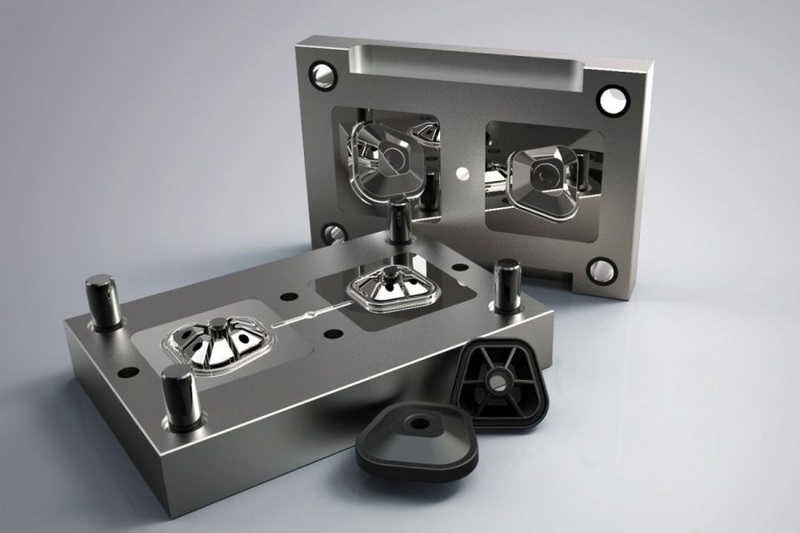
Rapid prototyping is a collection of advanced manufacturing techniques that allow for the swift creation of physical models, parts, and assemblies directly from digital designs. These methods, including 3D printing, CNC machining, and additive manufacturing, enable the conversion of computer-aided design (CAD) files into tangible objects in a matter of hours or days, rather than weeks or months.
- 3D Printing (Additive Manufacturing): Builds objects layer by layer from materials such as plastics, resins, or metals.
- CNC Machining: Subtractive process where material is removed from a solid block to create the desired shape.
- Laser Cutting: Uses lasers to cut or engrave materials with high precision.
- Vacuum Casting: Produces high-quality prototypes and small batches using silicone molds.
- Injection Molding (for Rapid Tooling): Creates prototype molds quickly for short-run production.
Custom tooling and fixtures are essential for ensuring precision, repeatability, and efficiency on the production floor. They hold, support, and align components during manufacturing, assembly, or inspection processes. Traditional methods for producing these tools are often slow, costly, and inflexible, making rapid prototyping an attractive alternative.
- Accelerated Development: Rapid prototyping shrinks development cycles from weeks to hours, allowing for faster iterations and reduced time-to-market.
- Cost Efficiency: By eliminating the need for expensive tooling and reducing material waste, rapid prototyping significantly cuts costs.
- Design Flexibility: Engineers can easily test multiple designs, make adjustments, and optimize functionality without incurring high expenses.
- Enhanced Collaboration: Physical prototypes facilitate better communication among design, engineering, and production teams.
- Risk Reduction: Early detection and correction of design flaws prevent costly mistakes in later stages.
- Define the function, load, and environmental requirements of the tooling or fixture.
- Gather input from operators and stakeholders to ensure practical usability.
- Create a detailed 3D model using CAD software.
- Incorporate features such as clamps, alignment pins, and ergonomic handles as needed.
- Select the most suitable rapid prototyping technology based on material, precision, and application.
- Produce the initial prototype for evaluation.
- Test the prototype in real-world conditions.
- Collect feedback from users and make necessary adjustments.
- Refine the design based on test results.
- Repeat the prototyping and testing cycle until the optimal solution is achieved.
- Once validated, the final design can be manufactured in larger quantities using the chosen rapid prototyping or conventional production method.
A 3D printed fixture designed for precise alignment of automotive body panels can be created in a single day, tested on the assembly line, and modified as needed. This approach drastically reduces downtime and improves quality.
A CNC-machined jig for electronics assembly ensures repeatable positioning of components, enhancing productivity and reducing errors.
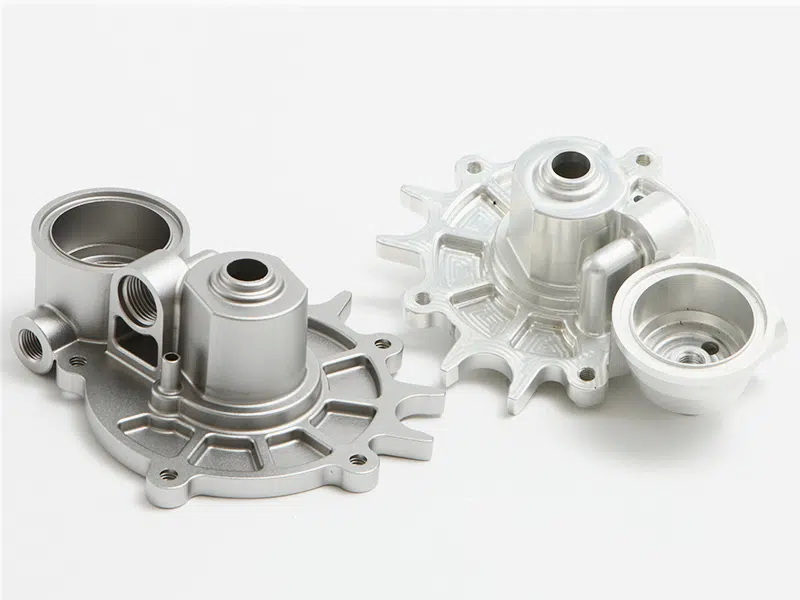
Rapid prototyping enables manufacturers to respond quickly to changing requirements, market trends, and customer feedback. Iterations that once took weeks can now be completed in days or even hours.
Traditional tooling and fixture production often involves high upfront costs for molds, dies, and setup. Rapid prototyping minimizes these expenses by using less material and reducing labor.
Physical prototypes allow for thorough testing and validation, resulting in higher-quality tooling and fixtures that meet exact specifications.
Complex geometries and tailored features are easily achievable with rapid prototyping, supporting the creation of highly specialized tools.
Additive manufacturing processes, such as 3D printing, use only the material needed for the part, leading to less waste compared to subtractive methods.
Rapid prototyping encourages experimentation by lowering the cost and time barriers associated with testing new ideas. This fosters innovation in tooling design, enabling manufacturers to develop more effective and ergonomic fixtures that improve productivity and safety.
By producing tooling and fixtures on-demand, companies reduce reliance on long supply chains and external vendors. This flexibility is crucial during disruptions or when rapid response to market demands is necessary.
Rapid prototyping is used to develop custom welding fixtures, assembly jigs, and inspection gauges, enhancing precision and efficiency in vehicle production. It allows automotive manufacturers to quickly adapt tooling for new models or design changes without significant downtime.
In aerospace, rapid prototyping supports the creation of lightweight, high-strength fixtures for assembly and testing of critical components. The ability to prototype complex geometries ensures compliance with stringent safety and performance standards.
Custom fixtures for assembly and testing of medical devices can be rapidly prototyped to meet strict regulatory and performance standards. Rapid prototyping also facilitates the development of patient-specific tools, improving surgical outcomes.
Rapid prototyping enables the quick development of custom tooling for PCB assembly, component placement, and quality control. This accelerates product development cycles in the fast-evolving electronics market.
For consumer products, rapid prototyping of tooling and fixtures accelerates launch timelines and allows for rapid design changes based on market feedback, helping brands stay competitive.
While rapid prototyping materials continue to improve, some applications require materials with specific mechanical or thermal properties not always available in standard prototyping materials. To overcome this, hybrid approaches combining rapid prototyping with traditional manufacturing or using advanced composite materials are employed.
Certain rapid prototyping methods may struggle with tight tolerances. Manufacturers can address this by incorporating secondary machining processes, using high-precision equipment, or selecting technologies with inherently better accuracy.
Layered manufacturing often results in visible layer lines or rough surfaces. Post-processing techniques such as sanding, polishing, chemical smoothing, or coating can enhance surface quality to meet functional or aesthetic requirements.
Complex designs may require support structures during printing or machining, adding time and cost. Effective design for manufacturability (DFM) principles tailored to rapid prototyping help minimize these challenges.
Maximizing the benefits of rapid prototyping requires trained personnel who understand both design and manufacturing constraints. Investing in ongoing training and collaboration with experienced prototyping service providers is critical.
To fully leverage rapid prototyping, companies should integrate it seamlessly into their product development and manufacturing processes. This involves:
- Early Design Validation: Use rapid prototyping for early-stage design verification to catch issues before tooling production.
- Cross-Functional Collaboration: Facilitate communication between design, engineering, and production teams through physical prototypes.
- Iterative Development: Adopt an iterative mindset, using rapid prototyping to refine tooling and fixtures continuously.
- Supplier Partnerships: Work with prototyping specialists who offer a range of technologies and materials to meet diverse needs.
- Digital Workflow Integration: Utilize advanced CAD and simulation software to optimize designs before prototyping, reducing trial-and-error cycles.
Rapid prototyping has redefined how manufacturers approach custom tooling and fixtures. By enabling fast, cost-effective, and flexible development, it empowers companies to innovate, improve quality, and stay ahead in competitive markets. Whether for automotive, aerospace, medical, electronics, or consumer goods applications, rapid prototyping offers unparalleled benefits that drive efficiency and creativity. Embracing this technology is not just a trend—it's a strategic imperative for modern manufacturing.

Rapid prototyping is a set of manufacturing techniques that quickly create physical models from digital designs, usually using 3D printing or CNC machining. Unlike traditional prototyping, which can take weeks and require expensive tooling, rapid prototyping delivers results in days or hours with lower costs and greater flexibility.
While rapid prototyping is primarily used for creating prototypes, advances in materials and technology now allow for the production of end-use parts in low volumes, especially for custom or complex components.
A wide range of materials is available, including plastics (ABS, Nylon, Polycarbonate), resins, metals (aluminum, stainless steel), and composites. The choice depends on the required strength, durability, and application.
Modern rapid prototyping technologies can achieve high precision, often within ±0.1 mm or better, depending on the process and material. Post-processing can further enhance accuracy and surface finish.
Limitations include material constraints, potential for lower strength compared to traditional manufacturing, surface finish issues, and the need for skilled operators. However, ongoing advancements are continually addressing these challenges.

