
Views: 222 Author: Amanda Publish Time: 2025-11-13 Origin: Site


Content Menu
● Key Specifications to Evaluate
>> Swing Diameter and Bed Length
>> Tooling and Magazine Systems
>> Workholding and Accessories
>> Bed Construction and Rigidity
● Control Systems and Smart Automation
● Practical Installation and Setup
● Buyer's Guide for Advanced Vertical Turning Lathes
● Industry-Specific Considerations
>> Aerospace
>> Automotive / OEM Mass Production
● Troubleshooting and Performance Optimization
● Summary
● Frequently Asked Questions (FAQ)
>> 1. What are the most important specifications for selecting a turning lathe?
>> 2. What is the difference between CNC and manual turning lathes?
>> 3. How does bed construction affect machining results?
>> 4. Why is live tooling important?
>> 5. What maintenance practices improve lathe longevity?
Selecting the right turning lathe is a decision that influences the efficiency, precision, and adaptability of any manufacturing or OEM operation. Whether for rapid prototyping or large-scale production, the turning lathe remains vital in producing consistent, high-quality parts across numerous industries. This comprehensive guide will examine the intricacies behind lathe specification, highlight essential selection criteria, and deliver actionable insights for manufacturers seeking to expand or upgrade machining capabilities.[5][6][11]
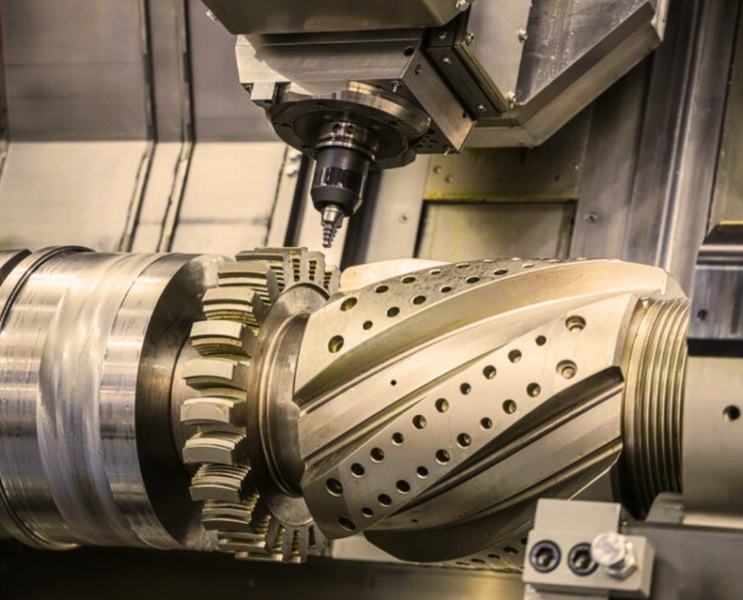
A turning lathe is a machine tool that rotates a workpiece while a stationary cutting tool shapes it. The evolution of the turning lathe—from manually operated models to advanced CNC-controlled (computer numerical control) machines—has dramatically influenced production speed, process reliability, and part complexity. Today's lathes vary from simple two-axis configurations to fully automated, multi-axis systems that support intricate cutting, facing, drilling, and knurling operations.[9][5]
Understanding the lathe's construction helps buyers distinguish between various models and technologies:
- Headstock: Contains the spindle, gears, chucks, and speed controls. It's the engine of the lathe and also houses the main drive motor for CNC systems.[5]
- Tailstock: Supports long or slender workpieces at the opposite end from the spindle, ensuring increased stability throughout the machining process.
- Bed: The machine's backbone, offering maximum rigidity and supporting the carriage, headstock, and tailstock. High-quality beds use hardened materials to resist wear and deformation.[9][5]
- Carriage & Cross Slide: These components enable precise movement of cutting tools along the workpiece.
- Turret/Tool Post: Holds multiple cutting tools and facilitates rapid switching, especially in CNC environments.
- Lead Screw and Feed Rod: Move the carriage automatically during threading and feeding.
- Chip Pan: A container for collecting chips produced during machining, which helps keep the workspace tidy.
- Control Panel: Central interface for operating CNC lathes, offering program input, simulation, and diagnostics.
When comparing turning lathes, closely examine these specifications:
- Horsepower and Torque: Powerful spindles are crucial for cutting large or hard materials and should offer a range of speeds. Industrial lathes may feature 20kW or higher spindle drives.[6][5]
- Speed Range: Look for step-less speed control and programmable options to maximize flexibility. Typical speeds range from 100 to 15,000 RPM depending on application.
- Swing Over Bed: The maximum diameter of work that can be rotated over the bed. Larger swing increases capacity but may require beefier frames.[6][5]
- Distance Between Centers: The longest part the lathe can accommodate, crucial for shaft or rod production.
- Two-Axis (X, Z): Sufficient for basic turning operations.
- Three-Axis or More: Enables drilling, milling, and compound shaping in one setup. Five-axis models support the most intricate work for medical and aerospace applications.
- Quick-Change Turrets: Allow rapid shifting of tools to minimize downtime.
- Live Tooling: Supports on-machine milling, drilling, and tapping.[5]
- Chucks, Collets, Hydraulic Jaws: Expand versatility for asymmetric parts.
- Attachment Systems: Milling, grinding, and taper turning attachments broaden operational scope.[6][5]
- Material: Cast iron beds minimize vibration, resist deformation, and increase accuracy over time.[9]
- Hardened Ways: Prolong bed life and sustain precise tool travel.
CNC controls have transformed the industry, offering intuitive graphical interfaces, embedded error checking, and easy integration with automated part-loading systems. Advanced features include:[6]
- Offline Programming: Prepare jobs externally for seamless execution.
- Real-Time Diagnostics: Monitor spindle status, temperatures, and vibration for preventive maintenance.
- Integration with Industry 4.0: Cloud connectivity for data analytics, predictive diagnostics, and workflow optimization.
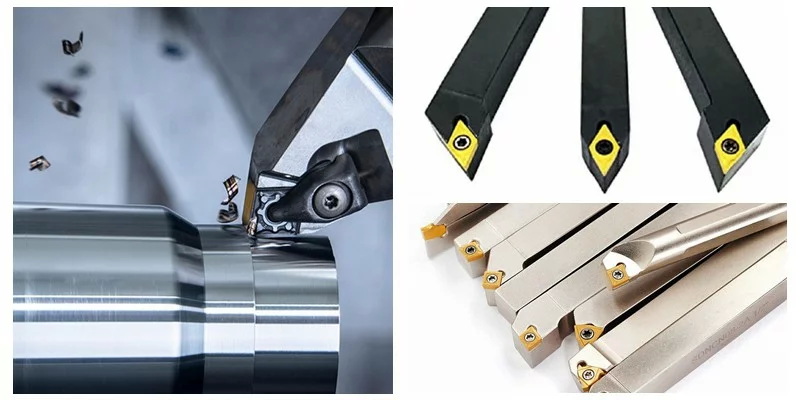
Lathes require stable floors and careful planning for installation. Large models may weigh several tons and demand crane assistance for placement, while compact designs are suitable for benchtop layouts. Allocate ample clearance around the machine for maintenance and operation.[1][5]
Choose machines that carry ISO or ANSI certifications (for instance, ANSI B11.6 for safe manual/CNC operation). Safeguards include:[3]
- Emergency Stops and Interlocks
- Operator Shields
- Overload and Temperature Monitors
These features reduce workplace accidents, safeguard investment, and foster a safe manufacturing environment.
Quality maintenance routines safeguard performance and extend machine life:
- Regular Lubrication: Critical for spindle, guideways, and turrets.
- Coolant Management: Ensures efficient chip removal and thermal stability.
- Scheduled Calibration: Keeps CNC axes precise.
- Rapid Parts Availability: An efficient OEM support network is invaluable for reducing downtime.
Vertical lathes (VTLs) are ideal for handling large-diameter, heavy workpieces. Their vertical orientation offers ergonomic loading and efficient chip management. When choosing a VTL, focus on:[7][6]
- Swing Diameter: Typical ranges from 1,200mm to 10,000mm.
- Table Load and Drive Power: Some models handle up to 344 tons and main drives of 2x175hp.
- Control System: Confidence in automation, user-friendliness, and compatibility is essential.
- Tooling Options: Assess magazine size, live tooling compatibility, and quick-change systems.
- Accuracy and Precision: Advanced models feature backlash compensation and parallel measurement systems for repeatability.
- Service and Support: Look for robust warranties, user training, and spare part logistics.
High-speed, multi-axis machines with hydrostatic guides, integrated metrology, and advanced cooling are vital for producing ultra-precise and complex components.
Pick lathes with bar feeders, rapid-change tool magazines, fast turret indexing, and robust cooldown systems for batch manufacturing.
Prioritize flexible controls, modular tool posts, and easy accessory swap for unique, small-batch production.
Opt for vertical lathes with extra-large swings, higher table loads, and reinforced beds for power generation or shipbuilding applications.
Address common challenges methodically:
- Excessive Vibration: Check bed integrity, tighten workholding, and replace worn tooling.
- Poor Surface Finish: Adjust feeds, speeds, and coolant flow; recalibrate tooling alignments.
- Dimensional Inaccuracy: Verify axis calibration, spindle runout, and improve metrology checks.
- Automation Faults: Use built-in diagnostics and consult OEM for firmware updates.
Selecting a turning lathe is a multifaceted decision involving technical evaluation, operational context, and long-term business planning. By systematically comparing specifications—spindle power, swing diameter, axis count, bed rigidity, and automation features—manufacturers can best position themselves for growth, efficiency, and top-tier product excellence. A robust maintenance protocol, keen attention to safety standards, and a reliable supplier relationship will ensure maximum uptime and lifecycle value in your machining investments.

Focus on spindle power, swing diameter, bed length, axis configuration, and tooling compatibility. These dictate the size and complexity of parts you can handle.[5][6]
CNC models automate tool movement and programming, ensuring repeatability and fast changeovers. Manual lathes are better for simple, custom jobs or learning environments.[9][5]
Cast iron and hardened beds offer higher rigidity, absorb vibration, and maintain accuracy during heavy-duty or high-speed operations.[9]
Live tooling enables milling, drilling, and tapping while the part remains mounted, reducing setup time and eliminating the need for secondary machines.[5]
Regular lubrication, coolant management, axis calibration, and routine inspection of key components help maintain accuracy and reduce unexpected breakdowns.[6]
[1](https://summitmt.com/buying-a-metal-lathe/)
[2](https://cncwmt.com/qa/how-do-you-read-a-lathe-specification-sheet-with-confidence/)
[3](https://blog.ansi.org/ansi/ansi-b11-6-2022-lathes-safety/)
[4](https://revelationmachinery.com/blog/cnc/ultimate-guide-everything-you-need-to-know-about-engine-lathes/)
[5](https://www.scribd.com/document/475869456/compilation)
[6](https://www.sahilcnc.com/guides/conventional-vertical-turning-lathe-machine-1/)
[7](https://headland.au/static/e5242825ceb226b61081f683c436db4a/BOST-Catalogue.pdf)
[8](https://www.goldenmachinery.com/blogs/specification-of-lathe-machine)
[9](https://www.cncmasters.com/lathe-machine/)
[10](https://www.bintso.org.tr/Portals/304/Haber_Foto/CNC-Lathe-Machine-Specification.pdf)
[11](https://machinetoolspecialties.com/blog/1519-comparing-lathe-machine-features-for-optimal-performance)

