


Content Menu
● Why CNC Machining Is a Skilled Trade
● What CNC Machinists Actually Do
● CNC Machining Processes Used in the Trade
>> CNC Milling
>> CNC Turning
>> Multi-Axis and Complex CNC Machining
● Training and Education for CNC Machining
● Certifications and Professional Development
● CNC Machining in OEM and Rapid Manufacturing
● Working Environment and Tools in CNC Machining
● Skills Needed to Succeed in the Trade
● Career Prospects and Earnings in CNC Machining
● CNC Machining and Automation
● Is CNC Machining a Good Trade Career?
● FAQ About CNC Machining as a Trade
>> 1. Is CNC Machining officially considered a trade?
>> 2. How long does it take to learn CNC Machining?
>> 3. Do CNC machinists need to know programming?
>> 4. What industries hire CNC machinists?
>> 5. Is CNC Machining a future-proof trade?
CNC machining is widely recognized as a skilled trade because it blends hands-on metalworking, technical drawing interpretation, and digital manufacturing know-how in one profession. CNC machinists are trained tradespeople who work with computer-controlled machine tools to turn raw material into precise, functional parts for modern industry.[1][2]

CNC Machining stands for Computer Numerical Control machining, a process where computers control lathes, mills, routers, grinders, and other cutting equipment. Instead of moving machine handles manually, the machinist programs the cutting path so the machine automatically shapes metal or plastic into accurate components.[3][4]
- CNC Machining uses coded instructions (often G-code) to guide tools along multiple axes and depths.
- It enables consistent, repeatable production of complex geometries that would be extremely difficult or impossible to create by hand.[3]
CNC Machining can be used on aluminum, steel, stainless steel, brass, copper, engineering plastics, and many other materials. That flexibility makes CNC Machining central to modern manufacturing workflows for both prototypes and large production runs.[5][3]
CNC Machining is classified as a skilled trade because it requires a combination of manual skill, technical knowledge, and problem-solving at the machine. A CNC machinist must understand machining theory, tooling, cutting parameters, and machine behavior while also operating in a production environment.[2][4]
- Trade and technical schools categorize CNC Machining within precision machining or manufacturing trades programs.
- Many employers treat CNC machinists as part of the core skilled trades team alongside welders, toolmakers, and electricians.[6]
As with other trades, CNC machinists progress from beginner to journeyperson level over years of structured learning and practice. The work is practical, project-based, and directly connected to physical products, which is typical of a skilled industrial trade.[7][1]
A CNC machinist's day revolves around turning drawings and 3D models into accurately machined parts that meet exact tolerances. This role often combines responsibilities that in the past were split between separate operators, setters, and programmers.[4][8]
Key tasks in CNC Machining include:
- Reading technical drawings and 3D models to understand dimensions, tolerances, and surface finishes.
- Selecting cutting tools, fixtures, and raw materials appropriate for the job and the machine.
- Setting up workholding, zero points, and tool offsets on CNC mills and CNC lathes.
- Programming toolpaths at the control or via CAM software, then fine-tuning feeds, speeds, and stepovers.
- Running test pieces, inspecting them with calipers, micrometers, CMMs, or gauges, and adjusting the CNC Machining program as needed.[4]
Experienced machinists diagnose vibration, chatter, poor surface finish, and dimensional errors and then correct these through changes in tooling, parameters, or fixturing. That combination of diagnosis and hands-on adjustment is a hallmark of a skilled trade role rather than a purely automated job.[8][2]
Modern CNC Machining covers several core processes, each requiring specific skills and experience. Many machinists specialize in one area first and then expand to other styles of CNC Machining during their careers.[9][3]
CNC Milling uses rotating cutting tools and multiple axes of movement to remove material and create features such as pockets, slots, contours, and 3D surfaces. Vertical machining centers and horizontal machining centers are both common in CNC Machining shops.[3]
- Ideal for prismatic parts, complex housings, plates, and 3D mold components.
- Requires understanding of tool engagement, stepdowns, and stepovers to avoid tool breakage and ensure good surface finish.[4]
CNC Turning uses a rotating workpiece and stationary or moving cutting tools to produce cylindrical shapes, shafts, and threaded parts. CNC lathes and turning centers are a core part of many CNC Machining trade shops.[4]
- Common operations include facing, OD/ID turning, grooving, threading, and boring.
- Many turning centers also include live tooling and sub-spindles, combining turning and milling in one CNC Machining cycle.[8]
Advanced CNC Machining can involve 4-axis or 5-axis simultaneous movement, enabling machining of complex surfaces and undercuts in a single setup. This reduces fixturing time and improves accuracy on aerospace, automotive, and medical components.[3]
- Multi-axis CNC Machining demands strong spatial awareness and CAM skills.
- It is highly valued in industries that require both geometric complexity and extremely tight tolerances.[5]
Most CNC Machining career paths begin with a high school education followed by structured technical training. Training can happen in trade schools, community colleges, private training centers, or through employer-sponsored apprenticeships.[10][1]
Typical CNC Machining curricula cover:
- Blueprint reading and geometric dimensioning and tolerancing.
- CNC machine operation and setup for mills and lathes.
- CNC programming and introduction to G-code.
- CAD/CAM software basics and toolpath generation.
- Metrology, quality control, and shop safety.[6]
Certificate programs in CNC Machining can often be completed in less than a year, giving students enough skills for entry-level roles. Continued learning on the job is essential, and many machinists incrementally move from operator to setup technician to programmer as their CNC Machining experience grows.[11][10]
As a trade, CNC Machining offers formal ways to prove competence beyond years of experience alone. Some regions and organizations provide industry-recognized certifications that benchmark CNC Machining knowledge and practical skills.[1]
- Technical colleges may award diplomas or associate degrees in precision machining technology.
- Employers often create internal skill tiers tied to pay bands for CNC machinists, based on setup capability, programming ability, and machine versatility.[7]
Machinists stay current by learning new cutting tools, coatings, workholding techniques, and CAM strategies as technology evolves. The learning mindset associated with CNC Machining is similar to that seen in other advanced trades working alongside automation and digital tools.[5][6]
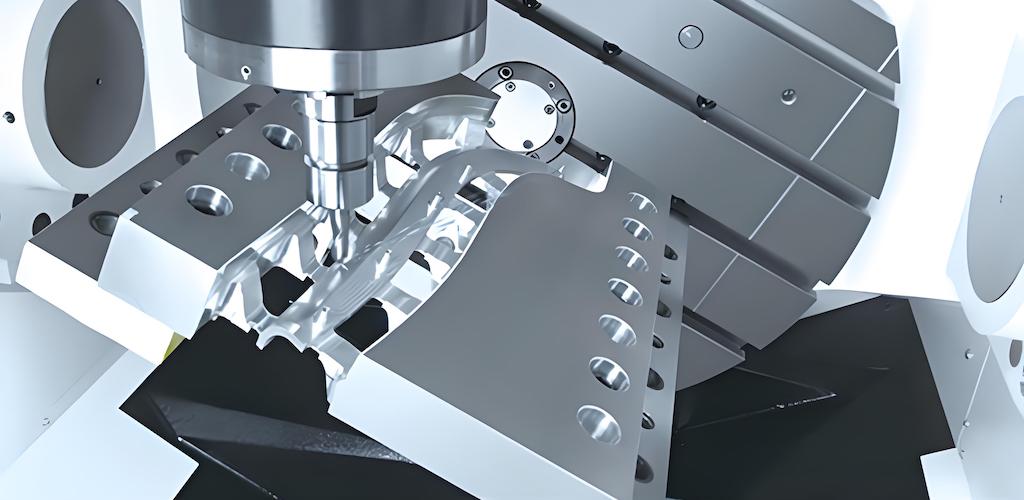
CNC Machining is used wherever accurate, repeatable, and durable parts are required. It bridges the gap between design and reality in many high-value industries.[3]
Major applications of CNC Machining include:
- Aerospace components such as brackets, housings, actuators, and structural fittings.
- Automotive parts including engine components, transmission parts, custom performance parts, and tooling.[5]
- Medical devices and implants that demand tight tolerances and biocompatible materials.
- Electronics housings, heat sinks, and mechanical components for consumer and industrial products.[2]
Because CNC Machining can handle both one-off prototypes and thousands of identical parts, it is central to both product development and series production. Consistent dimensional accuracy and surface quality make CNC Machining a trusted technology in regulated sectors like aerospace and medical manufacturing.[12][4]
For OEMs, brands, wholesalers, and product companies, CNC Machining is a flexible solution for both new product launches and ongoing production. Factories that focus on CNC Machining can produce prototypes, bridge volumes, and mass-produced components using a mix of processes.[3]
Typical service portfolios surrounding CNC Machining include:
- Rapid prototyping of functional parts to test fit, form, and function.
- Low-volume CNC Machining of customized components or spare parts.
- Batch production of precision components for assembly lines.
- Complementary services such as sheet metal fabrication, 3D printing, and tooling or mold manufacturing.[7]
Combining these capabilities with CNC Machining allows international customers to move from design concept to market-ready product quickly. Tight collaboration between engineers and CNC machinists ensures manufacturable designs, cost-effective toolpaths, and stable mass production.[13][10]
The CNC Machining trade takes place in workshops and factories ranging from small job shops to highly automated plants. Work environments differ, but most include a combination of manual and automated tasks.[5]
Common elements of a CNC Machining shop include:
- CNC machining centers and turning centers from various control brands.
- Tool presetters, tool carts, and tool management systems.
- Metrology equipment such as CMMs, height gauges, surface testers, and optical comparators.
- Coolant systems, chip conveyors, and safety enclosures around machines.[4]
While CNC machinists spend time at control panels, they also handle tooling, inspect parts, adjust fixtures, and occasionally perform light assembly. This mix of physical and computer-based work is one reason CNC Machining appeals to people who do not want a purely desk-based career.[14][8]
Success in CNC Machining is not only about technical knowledge; it also depends on soft skills and attitude. Because CNC Machining interacts with design, quality, and production scheduling, machinists often collaborate widely inside a company.[2][4]
Important skills and traits for CNC Machining include:
- Attention to detail and the ability to notice small dimensional changes or unusual machine sounds.
- Strong problem-solving and troubleshooting approaches to fix issues like chatter, tool wear, or thermal growth.
- Basic math skills and comfort with geometry and trigonometry for toolpath and setup decisions.
- Communication skills to discuss print changes, tolerance questions, and process improvements with engineers and supervisors.[9]
People who enjoy building, repairing, and understanding how mechanical systems work often find CNC Machining satisfying. The visible result of each CNC Machining project—a finished, tangible part—provides a sense of achievement that is typical of trade work.[14][2]
CNC Machining offers a clear pathway from entry-level positions to higher responsibility and pay. Many machinists begin as operators, then progress into roles that involve complex setups, multi-axis CNC Machining, and direct programming.[1][9]
Possible career paths within CNC Machining include:
- CNC operator learning basic machine running and part inspection.
- Setup machinist handling new jobs, fixture design, and process optimization.
- CNC programmer generating sophisticated toolpaths in CAM systems.
- Lead machinist or shop supervisor managing machine cells and mentoring juniors.[4]
Labor market data show that machinists and tool and die makers, including CNC-oriented roles, remain important in manufacturing economies. As older tradespeople retire, skilled CNC Machining professionals can see strong demand and competitive wages, especially in specialized or high-tolerance sectors.[12][5]
Some people worry that automation will eliminate CNC Machining jobs, but in reality the trade is shifting toward more advanced responsibilities. Robots and pallet systems handle repetitive loading and unloading, while machinists focus on setup, optimization, and process improvement.[5]
- CNC Machining integrates with robotics, pallet changers, and automated tool management to run lights-out production.
- Skilled machinists plan these automated cells, monitor quality, and refine toolpaths, making the trade more technical rather than obsolete.[7]
This evolution positions CNC Machining as a future-facing trade that works with automation instead of being replaced by it. As factories become smarter, CNC machinists with strong digital and process skills can move into higher-level technical and supervisory roles.[11][3]
For many people, CNC Machining is an attractive trade because it combines steady demand with interesting, varied work. Unlike some repetitive jobs, CNC Machining often offers new challenges in materials, geometries, and quality requirements for each project.[14][2]
Benefits of choosing CNC Machining as a trade include:
- The ability to work in many industries and countries thanks to universal machining principles.
- A balance between physical activity and technical problem-solving.
- Opportunities to grow into programming, process engineering, or management while staying close to production.[9]
Those who are curious about machines, enjoy making real parts, and like seeing immediate results from their work tend to thrive in CNC Machining. The trade provides a stable foundation for a long-term career in advanced manufacturing.[14][5]
CNC Machining is clearly a skilled trade, rooted in traditional metalworking but powered by modern computer-controlled technology. CNC machinists read drawings, program toolpaths, set up complex machines, and ensure high-precision results, making them essential contributors to industrial production.[1][4]
As a trade, CNC Machining offers structured training routes, professional development, and clear progression from entry-level operator to expert programmer or supervisor. Its role in OEM production, rapid prototyping, and precision manufacturing across sectors such as aerospace, automotive, and medical devices ensures long-term relevance.[10][5]
Far from being replaced by automation, CNC Machining is evolving alongside robotics, digital workflows, and smart factories, increasing the value of skilled machinists rather than reducing it. For people who like technology, tools, and tangible results, CNC Machining remains one of the most dynamic and rewarding trades in modern manufacturing.[2][3]
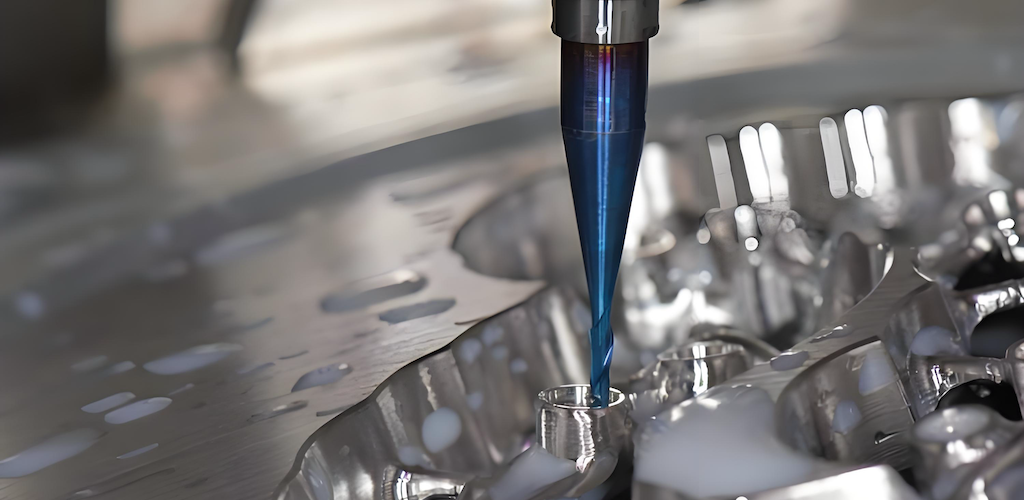
Yes, CNC Machining is widely recognized as part of the skilled trades because it requires specialized training, hands-on machine work, and technical problem-solving. Many technical colleges and training centers list CNC Machining within their precision machining or manufacturing trade programs.[6][1]
Basic CNC Machining skills can be gained in several months through focused certificate or diploma programs that cover machine operation and fundamental programming. Reaching the level of a fully independent CNC machinist typically takes a few years of on-the-job practice, setup work, and exposure to different parts and materials.[10][1]
Yes, CNC Machining relies on programming to control machine motion, so machinists must understand at least basic G-code and how programs relate to real tool movements. Many also learn CAM software, which generates complex CNC Machining toolpaths from 3D models and helps optimize cutting conditions.[9][4]
CNC Machining skills are used in aerospace, automotive, medical devices, energy, electronics, industrial equipment, and general manufacturing. Custom job shops and OEM suppliers also rely on CNC Machining for prototypes, custom parts, and batch production for international brands and wholesalers.[2][5]
CNC Machining remains highly relevant because modern factories still need precise, machined components and skilled people to set up and optimize equipment. As automation, robotics, and digital manufacturing expand, CNC machinists who understand advanced CNC Machining processes and smart factory tools are likely to remain in strong demand.[12][5]
[1](https://ca.indeed.com/career-advice/finding-a-job/how-to-become-cnc-machinist)
[2](https://www.timpl.com/blog/what-is-a-cnc-machinist-your-guide-to-a-high-pay-skilled-trade)
[3](https://www.iyrs.edu/resources/what-does-cnc-mean-in-manufacturing)
[4](https://www.nescoresource.com/resources/what-is-a-cnc-machinist-job-description-duties-and-career-path)
[5](https://www.aerotek.com/en/insights/what-are-cnc-machinists-and-what-do-they-do)
[6](https://www.everettcc.edu/programs/prof-tech-ed/precision-machining)
[7](http://www.olympic.edu/academics/academic-pathways/manufacturing-trades/precision-machining)
[8](https://www.4cornerresources.com/job-descriptions/cnc-machinist/)
[9](https://www.uti.edu/programs/cnc-machining/cnc-machinist-guide)
[10](https://www.uti.edu/programs/cnc-machining)
[11](https://careertraining.conted.northseattle.edu/training-programs/cnc-machinist/)
[12](https://www.bls.gov/ooh/production/machinists-and-tool-and-die-makers.htm)
[13](https://rtc.edu/academics/areas-of-study/advanced-manufacturing/machining-technologies.php)
[14](https://www.uti.edu/blog/cnc/8-signs-cnc-machinist)

