
Views: 222 Author: Amanda Publish Time: 2025-12-11 Origin: Site


Content Menu
● Reddit's Take: Is CNC Machining a Good Career?
>> The Pros (What People Love)
>> The Cons (What People Warn About)
● CNC Machining Career Paths in 2025
>> 1. CNC Operator → CNC Machinist
>> 2. CNC Programmer / CAM Specialist
>> 3. Specialized Machinist Roles
>> 4. Engineering and Management
● CNC Machining Pay and Job Outlook (2025)
● How to Build a Successful CNC Machining Career
>> 3. Move Beyond “Operator” Work
>> 4. Specialize and Keep Learning
>> 5. Build a Side Hustle or Business
● CNC Machining vs. Other Skilled Trades
>> Where Other Trades May Be Better
● CNC Machining in a Global Manufacturing Context
● The Future of CNC Machining (2025 and Beyond)
● FAQ
>> 1. Is CNC machining a good career for beginners?
>> 2. How much money can you make in CNC machining?
>> 3. Do you need a college degree to work in CNC machining?
>> 4. Is CNC machining a dying job because of automation?
>> 5. How can I turn CNC machining into a long-term career?
For many people looking for a stable, hands‑on technical career, CNC machining keeps coming up as a strong option. On Reddit and other forums, aspiring machinists often ask: “Is CNC machining a good career?” The short answer is yes—for the right person, CNC Machining can be a rewarding, well‑paid, and future‑proof trade. But it's not a one‑size‑fits‑all path, and real‑world experiences on Reddit show both exciting highs and some tough realities.
This article dives into what CNC machining really looks like as a career in 2025, based on what actual machinists and shop owners are saying online. We'll cover job satisfaction, pay, long‑term prospects, and how to turn CNC into a true career rather than just a job.
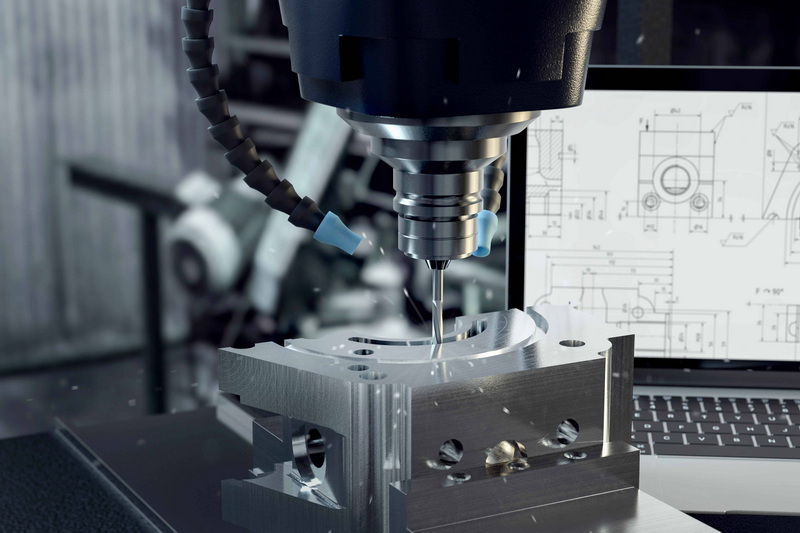
CNC (Computer Numerical Control) machining is a manufacturing process where computers control machine tools like mills, lathes, routers, and grinders. A CNC machine follows a digital program (G‑code) to cut metal, plastic, or other materials into precise parts from a CAD model.
In practice, CNC machining includes:
- Reading engineering drawings and CAD files
- Setting up workholding (fixtures, vises, chucks)
- Selecting and installing cutting tools
- Writing or editing CNC programs (G‑code or CAM)
- Running the machine and monitoring the process
- Measuring parts with calipers, micrometers, CMMs, etc.
- Troubleshooting issues like tool wear, chatter, or dimensional errors
CNC is used in almost every modern industry: aerospace, automotive, medical devices, energy, defense, consumer electronics, and more. That wide demand is what makes CNC machining such a resilient career choice.
On Reddit, the question “Is CNC machining a good career?” gets mixed but generally positive answers. Many experienced machinists agree that CNC can be a solid long‑term career, especially if you're willing to keep learning and move beyond basic operator work.
- High demand for skilled workers
Across r/CNC, r/Machinists, and r/SkilledTrades, a common theme is that shops are starving for good CNC machinists and programmers. One user with 12 years of experience said, “Good machinists are hard as hell to find,” and that this shortage gives skilled workers real leverage in the job market.[1][2]
- Good pay with experience
Entry‑level CNC operators often start around $18–25/hour, but experienced setup machinists and programmers can earn $30–50+/hour, especially in aerospace, medical, or OEM environments. Some Reddit users report making $90k–120k+ annually with overtime, and a few in high‑end sectors (like Apple or aerospace) mention figures approaching $200k with senior roles.[2][3][4]
- Job security and stability
Many Redditors note that manufacturing is essential, and CNC machining isn't going away anytime soon. Even with automation and robotics, shops still need skilled humans to program, maintain, and troubleshoot machines. One user summed it up: “Once they have a good CNC machinist, they'll do everything they can to keep them”.[5][6]
- Creative and problem‑solving work
Skilled machinists often describe CNC as a mix of art and engineering. They enjoy figuring out how to machine difficult parts, optimize toolpaths, and solve real‑world problems. One Reddit user said, “There's nothing quite like the thrill of extracting a beautifully crafted part from the machine you've programmed and set up”.[7][1]
- Clear career progression
A typical CNC career path on Reddit looks like:
- CNC Operator → CNC Setup Operator → CNC Machinist → CNC Programmer
- From there, many move into roles like Manufacturing Engineer, Tool & Die Maker, or even shop management/ownership.[8][9]
- Entry‑level pay can feel low
Many Redditors complain that entry‑level CNC operator roles are underpaid for the skill and responsibility involved. One user said, “Most CNC machinists feel like they are genuinely contributing $40 an hour work and getting $20”.[10][11]
- Toxic or poorly managed shops
A recurring theme is that the workplace culture matters more than the trade itself. Some shops have long hours, poor safety practices, and “gatekeeping” older machinists who don't want to train newcomers. One user warned, “The workplace environment can make it unbearable”.[12][13]
- Physical and mental stress
CNC work can be physically demanding (standing for hours, lifting parts, bending over machines) and mentally stressful (tight deadlines, high scrap costs, zero tolerance for mistakes). Back, knee, and hearing issues are common long‑term concerns.[14][15]
- Automation and AI are changing the game
While automation won't eliminate skilled machinists, it is changing the job. More shops are using lights‑out machining, robotics, and AI‑driven CAM systems. Reddit discussions suggest that machinists who only know how to “push the green button” will be at risk, while those who can program, maintain, and optimize systems will thrive.[16][17]
A CNC machining career doesn't have to be just “operator → machinist.” In 2025, there are several clear paths that can turn CNC into a long‑term, high‑earning career.
- Start by learning to run CNC machines safely and efficiently.
- Learn to read blueprints, use basic measuring tools, and make simple offsets.
- Move into setup roles where you're responsible for workholding, tooling, and first‑article inspection.
- Typical pay: $35k–60k/year, depending on location and industry.[18][8]
- Learn CAD/CAM software (Fusion 360, Mastercam, SolidWorks CAM, etc.).
- Write and optimize toolpaths, manage tool libraries, and simulate programs.
- Work closely with machinists to ensure programs run efficiently and safely.
- Typical pay: $65k–90k+ for experienced programmers, especially in aerospace or medical.[19][8]
- Aerospace CNC Machinist: Machine high‑precision parts from exotic alloys (titanium, Inconel) with tight tolerances.
- Medical Device Machinist: Produce implants, surgical instruments, and diagnostic equipment.
- Tool & Die Maker / Mold Maker: Create complex dies, molds, and fixtures used in mass production.
- These specialized roles often pay significantly more than general machining jobs.[8][18]
- With experience and additional training, many CNC machinists move into:
- Manufacturing Engineer
- Process Engineer
- Quality Engineer / CMM Programmer
- Production Manager / Shop Manager
- These roles combine technical knowledge with leadership and can reach $80k–150k+.[9][8]
- Many experienced machinists eventually start their own CNC shop or contract machining business.
- This path requires business skills (sales, quoting, project management) but offers the highest earning potential and independence.[20][5]
According to recent data and Reddit discussions, CNC machining salaries in 2025 look roughly like this:
Role | Experience | Typical Salary Range (U.S.) |
CNC Operator | Entry (0–2 years) | $35,000–$45,000 |
CNC Setup Operator | Mid (2–5 years) | $45,000–$60,000 |
CNC Machinist | Mid–Senior (5+ years) | $50,000–$80,000 |
CNC Programmer | Advanced (5+ years) | $65,000–$90,000+ |
Shop Manager / Engineer | Senior | $80,000–$150,000+ |
Salaries vary by region, industry, and shop type. Aerospace, medical, and OEM environments typically pay more than general job shops.[21][18][8]
The long‑term outlook for CNC machining careers is strong:
- The U.S. Bureau of Labor Statistics projects steady demand for machinists, with many experienced workers retiring in the next decade.[22]
- The global CNC market is expected to grow significantly, driven by demand for precision parts in aerospace, EVs, and medical devices.[6]
- Many shops report difficulty hiring skilled CNC machinists and programmers, which keeps wages competitive for those with real skills.[23][6]
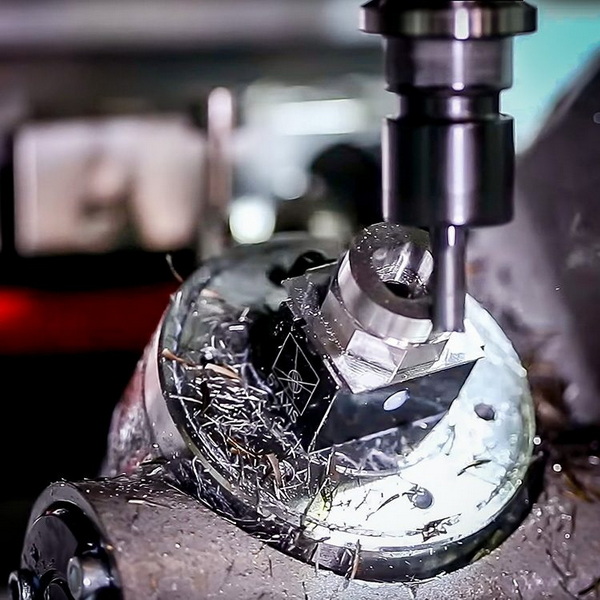
If you're serious about CNC machining as a career (not just a job), here's what actually works, based on what successful machinists say online.
- Start with a technical school, community college, or apprenticeship program in machining or CNC technology.
- Focus on hands‑on experience: manual lathe/mill, CNC mills/lathes, blueprint reading, GD&T, and basic metrology.
- Learn at least one major CAD/CAM package (Fusion 360, Mastercam, SolidWorks, etc.).[24][8]
- Avoid shops that treat CNC operators as disposable “button pushers.”
- Look for shops that:
- Invest in training and certifications
- Use modern equipment (5‑axis, multi‑axis, automation)
- Value setup and programming skills
- Offer clear paths to advancement.[25][23]
- Don't stay a basic operator forever. Aim to:
- Learn setup and first‑article inspection
- Write and edit G‑code
- Use CAM software to generate toolpaths
- Understand tooling, speeds/feeds, and workholding
- The difference between an operator and a machinist/programmer is often the difference between $40k and $80k+.[19][8]
- Consider specializing in:
- Aerospace or medical machining
- Multi‑axis (4‑axis, 5‑axis) machining
- High‑precision tool & die or mold making
- Automation and robotics integration
- Stay current with new technologies: AI‑driven CAM, adaptive toolpaths, in‑process probing, and digital twins.[16][23]
- Many machinists start side gigs doing:
- Prototyping and short‑run parts
- Custom fixtures, jigs, and tooling
- PCB milling, engraving, or custom parts for makers
- A small CNC shop or contract machining business can eventually replace a day job and offer much higher income.[20][19]
When people ask “Is CNC machining a good career?” they're often comparing it to other trades like welding, electrical, plumbing, or HVAC. CNC machining has some unique advantages and trade‑offs.
- Precision and repeatability
CNC machining produces parts with extremely tight tolerances, which is critical in aerospace, medical, and high‑end manufacturing. This level of precision is harder to achieve in many other trades.[9][8]
- Strong ties to engineering and design
CNC machinists often work closely with engineers, designers, and quality teams. This makes it easier to move into engineering or technical management roles later in your career.[26][8]
- Global demand for parts
Unlike some trades that are mostly local (like plumbing or HVAC), CNC machining supports global supply chains. This opens up opportunities to work for multinational companies or even in international markets.[27][6]
- Lower physical strain
Some trades, like electrical or HVAC, can be less physically taxing than CNC machining, which often involves standing for long shifts and handling heavy parts.[15][14]
- More predictable hours
Many skilled trades have more predictable schedules and less overtime pressure than high‑volume CNC shops, especially in job shops with tight deadlines.[13][12]
- Faster path to self‑employment
Trades like plumbing or electrical often have a clearer, faster path to starting your own business with relatively low startup costs compared to buying CNC machines.[19][20]
CNC machining is not just a U.S. career; it's a global skill that's in demand in Europe, Asia, and emerging manufacturing hubs. Many Reddit discussions touch on how CNC skills can open doors internationally.
- In countries with strong manufacturing sectors (Germany, Japan, South Korea, China), CNC machinists and programmers are highly valued, especially those with experience in aerospace, automotive, and electronics.[6][27]
- Some machinists use their CNC skills to work for foreign companies as contractors, or to move abroad for higher‑paying roles in advanced manufacturing.[28][27]
- For engineers and designers, understanding CNC machining is a huge advantage when designing parts for manufacturability (DFM), which makes them more valuable in product development roles.[26][8]
Looking ahead, CNC machining is evolving rapidly, but the core need for skilled humans remains strong.
- Lights‑out machining and automation
More shops are running CNC machines unattended overnight, using robots and pallet systems. This increases productivity but also increases the value of machinists who can set up, maintain, and troubleshoot these systems.[23][16]
- AI and smart CAM systems
AI‑driven CAM software can now suggest optimal toolpaths, detect potential collisions, and even generate programs from CAD models. This doesn't replace machinists; it shifts the role toward programming, optimization, and quality control.[16][23]
- Additive and hybrid manufacturing
3D printing and hybrid CNC‑additive machines are becoming more common. Machinists who understand both subtractive and additive processes will have a competitive edge in advanced manufacturing.[27][6]
- Sustainability and green manufacturing
As industries focus on sustainability, CNC shops are adopting more efficient processes, better coolant management, and recycling of chips and scrap. Machinists who understand these trends can help shops reduce costs and environmental impact.[29][6]
So, is CNC machining a good career? For the right person, absolutely yes. CNC machining offers strong job security, good pay with experience, and a clear path from entry‑level operator to high‑earning programmer, engineer, or business owner.
Reddit threads show that the trade has real challenges: low starting pay in some shops, physical demands, and the need to constantly adapt to new technology. But they also show that skilled, motivated machinists can build rewarding, long‑term careers in aerospace, medical, and other high‑value industries.
If you enjoy hands‑on work, problem‑solving, and working with cutting‑edge technology, CNC machining is one of the most future‑proof skilled trades available in 2025. The key is to treat it as a career—invest in skills, choose the right environment, and keep moving up the ladder.
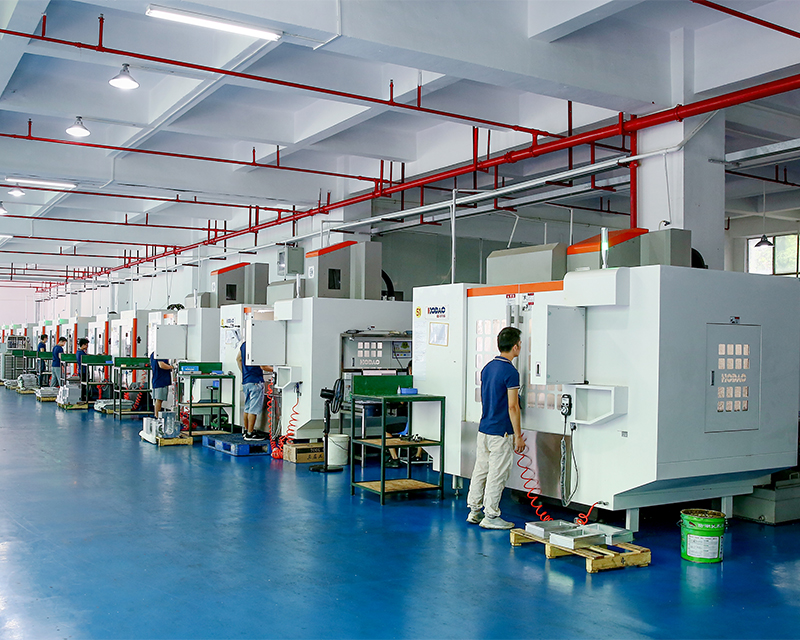
Yes, CNC machining can be a good career for beginners, especially if you're willing to start as an operator and work your way up. Entry‑level roles teach you the basics of machine operation, blueprint reading, and measurement, which are the foundation for becoming a skilled machinist or programmer. Many shops hire people with little experience and provide on‑the‑job training, so it's a realistic path into manufacturing.
In 2025, CNC machining salaries range from about $35,000–$45,000 for entry‑level operators to $65,000–$90,000+ for experienced CNC machinists and programmers. In high‑demand industries like aerospace, medical, or OEM manufacturing, top earners can make $100,000–$150,000+ with overtime, bonuses, or management roles. Pay depends heavily on location, industry, and how far you advance beyond basic operator work.
No, you don't need a traditional four‑year college degree to work in CNC machining. Most machinists start with a high school diploma or equivalent, plus technical training from a community college, trade school, or apprenticeship program. Certifications in CNC operation, CAD/CAM, and specific machine controls (Fanuc, Haas, Mazak, etc.) are often more valuable than a general degree.
No, CNC machining is not a dying job. While automation and robotics are changing how parts are made, they are increasing—not decreasing—the need for skilled humans. Shops still need machinists and programmers to set up machines, write and optimize programs, maintain equipment, and troubleshoot problems. The future belongs to machinists who can work with automation, not those who only know how to “push the green button.”
To turn CNC machining into a long-term career, focus on:
Getting solid training in machining, CAD/CAM, and measurement.
Moving from operator to setup and programming roles.
Specializing in high-value industries (aerospace, medical, tool & die).
Learning about automation, robotics, and advanced manufacturing technologies.
Eventually moving into engineering, management, or starting your own CNC business.
[1](https://www.reddit.com/r/CNC/comments/gpzehe/im_considering_getting_into_machining_is_it_as/)
[2](https://www.reddit.com/r/Machinists/comments/1exzsxs/cnc_machinist_career_progression/)
[3](https://www.reddit.com/r/Machinists/comments/1kxxoy8/will_cnc_pay_go_up_opinions_wanted/)
[4](https://www.reddit.com/r/Machinists/comments/1ku1hqg/how_much_do_cnc_machinists_make_on_average_per/)
[5](https://www.mastercam.com/news/blog/cnc-machining-the-best-career-youve-never-considered/)
[6](https://www.methodsmachine.com/blog/reasons-to-choose-a-machining-career/)
[7](https://www.reddit.com/r/Machinists/comments/1l9w46t/debating_on_shifting_into_cnc_machining_how_do/)
[8](https://yijinsolution.com/cnc-guides/cnc-machining-careers/)
[9](https://demmermanufacturing.com/news/is-cnc-machining-a-good-career-path/)
[10](https://www.reddit.com/r/CNC/comments/16iv5us/is_a_career_in_cnc_worth_it/)
[11](https://www.reddit.com/r/Machinists/comments/17zy40w/career_as_machinist_worth_it/)
[12](https://www.reddit.com/r/CNC/comments/1bn5vcf/what_is_it_like_being_a_cnc_machinist/)
[13](https://www.reddit.com/r/skilledtrades/comments/1myx5l9/is_it_worth_it_being_a_cnc_machinist_programmer/)
[14](https://www.reddit.com/r/Machinists/comments/1438nea/what_are_the_biggest_pros_and_cons_of_being_a/)
[15](https://www.reddit.com/r/Machinists/comments/1bn5wvr/what_is_it_like_being_a_cnc_machinist/)
[16](https://www.reddit.com/r/CNC/comments/1peakux/market_in_2025/)
[17](https://www.practicalmachinist.com/forum/threads/will-ai-kill-higher-paying-cnc-machinist-jobs.412511/)
[18](https://www.randstadusa.com/job-seeker/career-advice/job-profiles/cnc-machinist/)
[19](https://www.makera.com/blogs/article/cnc-machinist-salary-guide-2025-how-much-do-they-make)
[20](https://www.reddit.com/r/CNC/comments/1iyvh6w/cnc_mill_startup_in_2025/)
[21](https://www.lincolntech.edu/news/skilled-trades/cnc-machining-and-manufacturing/cnc-machinist-salary-guide-build-career)
[22](https://www.bls.gov/ooh/production/machinists-and-tool-and-die-makers.htm)
[23](https://www.mastertech.work/blog/why-becoming-a-cnc-mechanic-in-2025-is-a-smart-career-move)
[24](https://www.amtec.us.com/blog/how-to-become-a-cnc-machinist-a-comprehensive-guide)
[25](https://cuttingtoolpickers.com/blogs/blog/hiring-machinists-in-2025-what-today-s-tradespeople-want-from-employers)
[26](https://www.uti.edu/blog/cnc/cnc-machining-as-career)
[27](https://www.cloudnc.com/blog/how-busy-is-the-global-machining-industry-right-now)
[28](https://www.practicalmachinist.com/forum/threads/are-there-overseas-opportunities-for-machinists.426064/)
[29](https://cncmachines.com/career-in-manufacturing-pros-cons-outlook)

