
Views: 222 Author: Amanda Publish Time: 2025-10-05 Origin: Site


Content Menu
● What is Sheet Metal Fabrication?
>> Typical Steps in Sheet Metal Fabrication
● Comparing Injection Molding and Sheet Metal Fabrication
● Design Freedom and Aesthetic Qualities
● Material Properties and Performance
● Production Speed and Lead Times
● Environmental Considerations
● Applications Across Industries
● FAQ
>> 1. What materials are commonly used in Injection Molding?
>> 2. How do production volumes affect process choice?
>> 3. Is injection molding suitable for intricate part designs?
>> 4. What are typical lead times for Injection Molding vs Sheet Metal Fabrication?
>> 5. Which process is more environmentally sustainable?
Manufacturers and product developers often face a pivotal decision when bringing a new product to market: Should it be made using Injection Molding or Sheet Metal Fabrication? Both processes have their own distinct capabilities, advantages, and limitations, and selecting the right one influences product quality, cost efficiency, project timelines, and ultimately customer satisfaction.
This detailed guide explains both manufacturing methods, compares them across key criteria such as design flexibility, cost, materials, production volume, durability, and lead time, and helps identify which process best suits your product requirements.
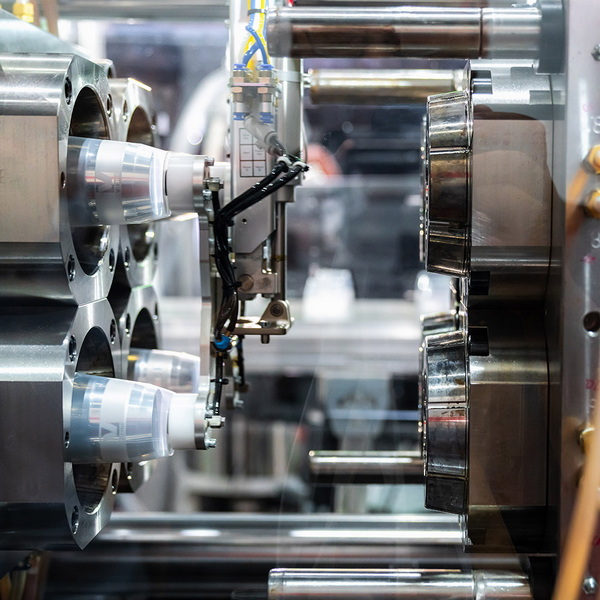
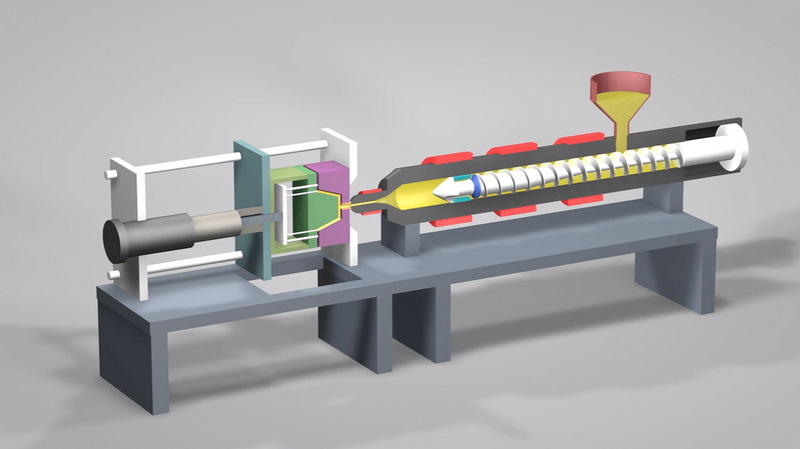
Injection molding is a manufacturing technique mainly used to create parts from plastics and some elastomers. The process involves heating plastic pellets to a molten state, then injecting the material into a precision-engineered mold cavity under high pressure. After cooling and solidification, the mold opens, and the finished part is ejected for post-processing or assembly.
This method is celebrated for mass-producing highly complex, lightweight, and consistent parts, often with brilliant surface finishes. It is widely used in automotive interiors, consumer electronics, medical devices, packaging, and many other industries.
1. Material Heating: Plastic granules are heated until molten.
2. Injection: The molten plastic is forced into a mold cavity.
3. Cooling: The material solidifies within the mold.
4. Ejection: The mold opens, and the solidified part is released.
5. Cycle Repeat: The process efficiently repeats for high-volume output.
Injection molding allows parts with variable wall thickness, embedded textures, living hinges, and intricate geometries. Mold materials include durable steel or aluminum, influencing tooling costs and production speed.
Sheet metal fabrication involves transforming flat sheets of metal, such as steel, aluminum, or brass, into desired shapes by cutting, bending, welding, and assembling. Typical techniques include laser cutting, stamping, punching, and forming.
This traditional method produces mechanically strong, heat-resistant, and durable components. It is ideal for frameworks, enclosures, brackets, and parts that require metal's physical properties. Many industries, including aerospace, automotive, electronics, and industrial equipment, rely on sheet metal fabrication.
1. Material Selection: Choosing metal type and sheet thickness.
2. Cutting: Using shears, lasers, or punches to cut parts.
3. Bending/Forming: Shaping sheets into required geometries.
4. Assembly: Welding, riveting, or fastening components.
5. Finishing: Applying coatings, plating, or polishing.
Sheet metal fabrication adapts well to small and medium production volumes with faster setup and more flexibility for prototyping and design iterations.
| Aspect | Injection Molding | Sheet Metal Fabrication |
| Materials | Thermoplastics, elastomers | Metals (steel, aluminum, brass, titanium) |
| Design Complexity | High; intricate shapes, compound curves, undercuts | Moderate; limited to bends, cuts, folds |
| Production Volume | Best for high volumes (thousands to millions) | Suitable for low to medium volume |
| Upfront Cost | High mold cost; expensive tooling | Lower tooling cost; cheaper initial setup |
| Per-Part Cost | Low for high volume; economical at scale | Stable or higher cost per unit |
| Surface Quality | Smooth, with detailed textures and finishes | Industrial look; often brushed or matte |
| Weight | Lightweight parts | Heavier, depending on metal |
| Durability | Moderate strength; chemical and corrosion resistance | High strength, heat, and wear resistance |
| Lead Time | Longer upfront (weeks to months for mold) | Shorter setup; faster prototyping |
| Post-Processing | Minimal; sometimes none | May require welding, assembly, coating |
When it comes to design freedom, injection molding far surpasses sheet metal fabrication. It enables the creation of complex geometries, internal channels, living hinges, snap fits, and variable wall thicknesses impossible with sheet metal. The ability to mold fine details and textures directly into parts makes injection molding ideal for consumer products with intricate aesthetics.
Sheet metal parts are often boxy or angular due to bending limitations. While surface treatments can improve appearance, the overall look is typically industrial and functional rather than decorative.
This makes injection molding the preferred choice when visual appeal, lightweight design, and integrated features are priorities.
Injection molding's initial cost can be high, with expensive molds costing thousands to tens of thousands of dollars. However, the per-part cost drops substantially with volume, often making it the economical choice for tens of thousands or millions of parts. The durability and life of steel molds ensure many cycles, spreading the mold cost effectively.
Sheet metal fabrication requires less capital investment upfront, making it accessible for smaller production runs and quick prototyping. Individual parts might be more expensive per unit compared to injection molding at scale but cheaper in small batches due to minimal tooling.
Injection molding harnesses the properties of plastics, which are lightweight, corrosion-resistant, and capable of electrical insulation. Thermoplastic polymers like ABS, polypropylene, and PEEK address different strength and temperature demands but generally do not match metals' strength or thermal conductivity.
Sheet metal fabrication uses metals that provide superior strength, stiffness, heat resistance, electromagnetic shielding, and long-term durability. Metals are preferred for structural components, heat exchangers, and applications where mechanical wear and thermal management are critical.
The cycle time of injection molding can be very fast once a mold is made, with parts produced every few seconds to minutes depending on size. However, the upfront mold design and fabrication can take several weeks to months, extending project lead times.
Sheet metal fabrication setups are usually quicker, with laser cutting and bending easily adjusted. This flexibility allows rapid prototyping and design changes within days, though batch production can be slower due to manual assembly steps.
Injection molding produces minimal scrap material in mass production since excess plastic runners can often be recycled. However, plastic waste management and end-of-life recycling present sustainability challenges.
Sheet metal fabrication generates some scrap from cut sheets but benefits from highly efficient and established metal recycling processes, making it favorable in circular economy contexts.
Injection molding and sheet metal fabrication are deployed across a wide spectrum of sectors tailored to their strengths:
- Automotive: Injection molding for interior panels, clips, and lightweight housings; sheet metal for chassis, brackets, and heat shields
- Electronics: Molded plastic casings and buttons; metal enclosures and EMI shielding covers
- Medical Devices: Disposable syringes, instrument housings via injection molding; surgical tools and metal enclosures by sheet metal
- Consumer Products: Toys and appliance components injection molded; sturdy shelving and hardware fabricated from metal
- Aerospace: Lightweight plastic ducting and interior panels injection molded; structural and heat dissipation components fabricated from metal
The choice between Injection Molding and Sheet Metal Fabrication hinges on your product's unique demands. Injection molding offers unmatched design flexibility, intricate detail, and cost efficiency at scale, ideal for high-volume production of lightweight, complex plastic parts. Sheet metal fabrication excels where strength, heat resistance, faster prototyping, or moderate production volumes of metal parts are paramount.
Ultimately, evaluating design complexity, materials, production volume, budget, and lead times in consultation with skilled manufacturers such as Shangchen ensures selecting the optimal fabrication method that aligns business goals with product performance.

Thermoplastics like ABS, polypropylene, polyethylene, and engineering plastics such as PEEK. Some elastomers and thermoset plastics are also used depending on the application.
Injection molding is cost-effective for high volumes due to lower per-unit costs after mold creation. Sheet metal fabrication suits low-to-medium runs with lower initial tooling costs.
Yes, it allows complex shapes, varying wall thickness, undercuts, and detailed textures not achievable with sheet metal.
Injection molding requires weeks to months for mold making, but fast production afterward; sheet metal fabrication offers faster initial setup with flexible prototyping but slower batch output.
Both have environmental pros and cons: injection molding reduces scrap in high-volume runs but poses plastic waste challenges; sheet metal fabrication produces recyclable metal scrap and benefits from metal recycling programs.
[1](https://blog.boenrapid.com/comparison-between-plastic-injection-molding-and-sheet-metal-fabrication-which-is-better-for-aerospace-applications)
[2](https://blog.boenrapid.com/plastic-injection-molding-or-sheet-metal-fabrication-best-choice-for-europe-s-needs/)
[3](https://rimnetics.com/blog/reaction-injection-molding-vs-sheet-metal-production/)
[4](https://www.rapiddirect.com/blog/aluminum-vs-steel-injection-molds/)
[5](https://www.sigmatechnik.com/injection-molding/cost-comparison-metal-stamping-vs-injection-molding)
[6](https://www.seawinindustrial.com/processes-technology/injection-molding_64/)
[7](https://www.pcbway.com/helpcenter/automotive_faq/What_are_the_differences_between_sheet_metal_fabrication_and_injection_molding_in_automotive_.html)
[8](https://www.norck.com/blogs/news/cnc-machining-vs-injection-molding-which-technique-is-right-for-plastic-parts)
[9](https://www.protolabs.com/materials/comparison-guide/)
[10](https://www.runsom.com/blog/cnc-machining-vs-injection-molding-a-comprehensive-comparison-for-industrial-production/)

