
Views: 222 Author: Amanda Publish Time: 2026-01-06 Origin: Site


Content Menu
● What Is RTV Molding in Rapid Prototyping?
● Why Combine Rapid Prototyping and RTV Molds?
● Typical Applications of RTV Molds in Rapid Prototyping
● Step‑by‑Step Process: From Rapid Prototyping Master to RTV Mold
>> Design the Part for Rapid Prototyping and RTV
>> Select the Right Rapid Prototyping Method for the Master
>> Finish and Prepare the Rapid Prototyping Master
>> Build the Mold Box Around the Master
>> Select and Mix the RTV Silicone System
>> Pour the RTV Around the Rapid Prototyping Master
>> Demold the Master and Cut the RTV Mold
>> Prepare Casting Resin for Rapid Prototyping Builds
>> Fill the RTV Mold (Often Under Vacuum)
>> Demold, Post‑Cure, and Finish the Parts
● Advantages of Using Rapid Prototyping with RTV Molds
● Limitations and Considerations for RTV Molds in Rapid Prototyping
● Practical Tips to Improve Results with Rapid Prototyping and RTV Molds
● When to Choose Rapid Prototyping with RTV Molding
● How Professional Partners Support Rapid Prototyping and RTV Molds
● FAQ
>> 1. How many parts can an RTV mold made from rapid prototyping masters produce?
>> 2. What rapid prototyping process is best for making RTV mold masters?
>> 3. Can RTV molds from rapid prototyping be used for production parts?
>> 4. How accurate are parts made by RTV molding with rapid prototyping masters?
>> 5. What materials can be cast into RTV molds created via rapid prototyping?
Rapid prototyping combined with RTV molding is one of the most efficient ways to bridge the gap between digital design and short‑run production parts. By turning a rapid prototyping master into an RTV silicone mold, brands can test designs, produce realistic samples, and even run limited batches before investing in expensive steel tooling.
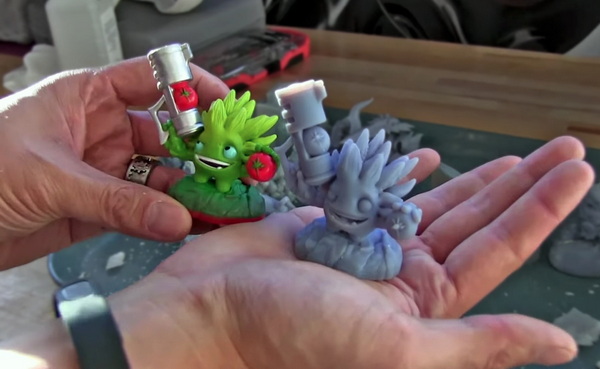
RTV (room temperature vulcanization) molding uses a liquid silicone rubber that cures at room temperature around a master pattern to create a flexible mold. This RTV mold can then be filled with casting resins such as urethanes or silicones to reproduce parts that closely match injection‑molded components in geometry and surface finish.
For rapid prototyping projects, RTV molding is widely used to create functional prototypes, appearance models, and low‑volume production parts with faster lead times and much lower tooling cost than traditional metal molds. It is especially useful when frequent design changes are expected, because new RTV molds can be created quickly from updated rapid prototyping masters.
When rapid prototyping processes like SLA, SLS, MJP, or high‑precision CNC machining are used to build the master pattern, designers gain excellent dimensional accuracy for the final RTV mold. The rapid prototyping master also allows very complex geometries, fine textures, and tight tolerances that are faithfully transferred into the RTV mold surface.
Using rapid prototyping to generate masters makes RTV molding much faster and more flexible than machining metal tooling from scratch. For OEM brands and manufacturers, this combination reduces development cycles, lowers risk before mass production, and supports small‑batch manufacturing for trials or niche products.
RTV molds made from rapid prototyping masters are widely used for:
- Functional plastic prototypes for mechanical testing and assembly trials.
- Appearance models with realistic color, transparency, or surface textures for marketing and design reviews.
- Low‑volume production of rigid, flexible, or elastomeric parts where injection molding tools are not yet justified.
They are also popular for rapid prototyping in industries like medical devices, automotive interiors, consumer electronics housings, and industrial equipment components.
The workflow of using rapid prototyping to make RTV molds typically follows several clear steps. Each step influences the accuracy, durability, and efficiency of the RTV molding process in rapid prototyping projects.
The process begins with a detailed 3D CAD model that defines geometry, draft, wall thickness, and any critical tolerances. Designers should consider RTV molding requirements at this stage, including avoiding undercuts or planning split lines and vents for the future silicone mold.
For rapid prototyping with RTV molding, uniform wall thickness helps ensure consistent curing and minimizes sink or warpage in the cast parts. Adding small radii instead of sharp corners and including proper draft angles also improves part release from both the RTV mold and any downstream production tools.
Once the CAD is finalized, the next step is choosing how to create the master pattern via rapid prototyping or CNC machining. Common rapid prototyping choices include SLA (stereolithography) for high resolution, PolyJet or MJP for smooth surfaces, and SLS or DLP for certain structural requirements.
CNC machining is often selected when very tight tolerances or specific engineering plastics are required for the master, but 3D printing masters typically allow faster and more cost‑effective rapid prototyping, especially for complex shapes. In practice, a combination of high‑resolution rapid prototyping and careful manual finishing is widely used before moving to RTV mold making.
After rapid prototyping, the master must be cleaned, post‑cured (if required), and surface finished to the desired level. Any layer lines, support marks, or small defects on the rapid prototyping master will be replicated in the RTV mold and all subsequent castings, so finishing is critical.
Technicians often sand, polish, prime, or paint the rapid prototyping master to match the final texture specified by the design. Glossy, matte, or textured finishes on the master created by rapid prototyping directly transfer to the silicone cavity, giving consistent appearance on every cast part.
The finished rapid prototyping master is then fixed inside a mold box with appropriate clearances for silicone flow and mold wall thickness. Positioning the master correctly is important to establish the future parting line, gating, and venting of the RTV mold.
Depending on the complexity of the geometry, the RTV mold may be designed as a simple one‑piece pour that is later cut open, or as a multi‑part mold assembled around the rapid prototyping master. Registration features, such as keys or pins, are often added so that the mold halves align precisely every time during casting.
The next step is selecting the appropriate RTV silicone rubber for mold making. Two‑part RTV‑2 systems are commonly used because they offer adjustable hardness, low shrinkage, good tear resistance, and excellent reproduction of fine details from the rapid prototyping master.
The silicone base and curing agent are weighed and mixed thoroughly, then degassed in a vacuum chamber to remove entrapped air. Proper degassing helps prevent bubbles on the mold surface, which would otherwise transfer as defects to parts produced from this rapid prototyping‑based RTV mold.
Once degassed, the liquid RTV silicone is slowly poured into the mold box from one corner, allowing it to gently flow over and around the rapid prototyping master. Pouring in a thin stream helps break remaining bubbles and ensures all cavities and textures are captured correctly.
The mold is then left to cure at room temperature, or slightly elevated temperature if recommended by the silicone supplier, until the RTV fully vulcanizes and becomes elastic. Cure times for RTV systems can range from under an hour to many hours depending on the formulation and part size, which must be considered in rapid prototyping schedules.
After the RTV has completely cured, the mold box is opened and the silicone block containing the rapid prototyping master is removed. In many workflows, technicians then carefully cut the RTV mold along a planned split line to free the master and create a reusable mold cavity.
Sharp blades and controlled cuts are essential to maintain alignment, avoid tearing, and preserve small features that the rapid prototyping master introduced into the RTV mold. Once the master is removed, gates, vents, and pour holes can be refined to optimize casting flow and air evacuation during subsequent rapid prototyping‑driven production runs.
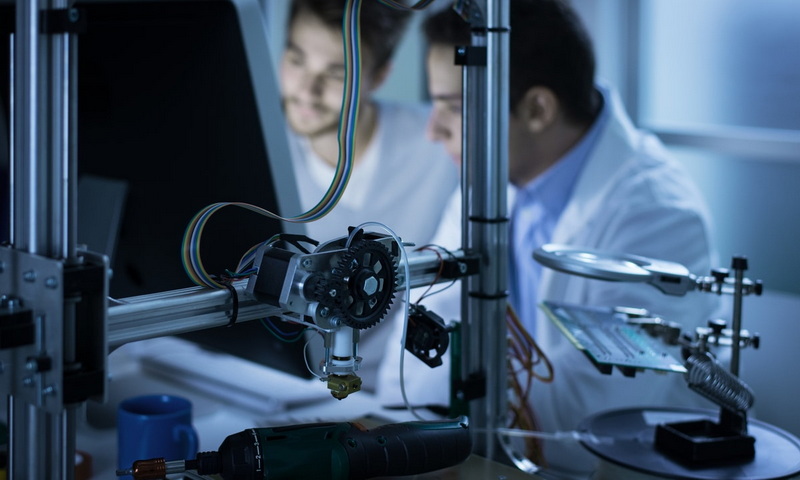
With the RTV mold ready, casting resins such as polyurethane, epoxy, or silicone elastomers are selected according to the target application. Urethane systems are especially common for rapid prototyping because they can simulate a wide range of production plastics in terms of hardness, color, and mechanical properties.
The resin components are weighed, mixed, and often degassed in vacuum to minimize bubbles before filling the RTV mold. Pigments, fillers, and additives such as flame retardants or impact modifiers can be blended in during this step so that rapid prototyping parts closely mimic final production materials.
The prepared resin is poured or injected into the RTV mold cavity, with the mold oriented to encourage smooth flow and proper venting. For highly detailed or thin‑walled parts, the filled mold is frequently placed in a vacuum casting machine so that negative pressure draws resin into every feature and removes trapped air.
This vacuum‑assisted casting step is one of the reasons RTV molding is so effective for rapid prototyping, as it achieves consistent, void‑free parts across multiple cycles. The mold is then kept under controlled conditions until the resin fully cures and gains enough strength for demolding.
After curing, the RTV mold is opened and the cast part is gently removed, taking advantage of the mold's flexibility to release undercuts and intricate shapes first introduced through rapid prototyping. Gates and vents are trimmed, and the part may undergo post‑curing in an oven, light sanding, painting, or other finishing steps.
Because RTV molds replicate the rapid prototyping master very closely, parts often require minimal additional machining. Finished components can proceed directly into functional testing, assembly trials, or limited‑run field evaluations before full‑scale production tooling is built.
Combining rapid prototyping and RTV molding offers a set of benefits that make it highly attractive for OEM brands and product developers. These advantages are especially important in markets where time‑to‑market, design flexibility, and cost control are critical.
- Lower tooling cost: RTV molds and rapid prototyping masters are much cheaper than steel or aluminum injection molds, making them ideal for early stages and small batches.
- Fast turnarounds: Lead times are often short from CAD to finished parts, depending on complexity and batch size.
- Excellent detail reproduction: RTV silicone captures fine details, textures, and undercuts from the rapid prototyping master with very low shrinkage.
- Flexible material choices: Urethane and silicone casting systems allow different hardness levels, colors, and properties to simulate many production‑grade plastics and elastomers.
- Design flexibility: When a design change is needed, a new rapid prototyping master and RTV mold can be created quickly without modifying expensive metal tooling.
Although RTV molding is powerful for rapid prototyping, there are some limitations to consider. Understanding these constraints helps engineers choose the right combination of rapid prototyping and molding technologies for each project.
RTV molds generally have a finite life, often producing up to a few dozen high‑quality parts before wear and tear affect accuracy and surface finish. For very large production volumes, traditional injection molds in metal will eventually offer better long‑term economics than rapid prototyping‑based RTV tools.
In addition, the materials that can be cast into RTV molds are mainly limited to thermoset resins such as urethanes and silicones rather than standard thermoplastics. This means that rapid prototyping parts from RTV molds may only approximate, not exactly match, the performance of final production plastics or metals.
Product teams can achieve better outcomes by following several practical recommendations when using rapid prototyping to make RTV molds. These tips help extend mold life, increase dimensional accuracy, and improve the repeatability of small‑batch production.
- Use high‑resolution rapid prototyping technologies and invest time in surface finishing the master to reduce polishing work on cast parts.
- Choose RTV silicone grades with suitable hardness and tear strength for the geometry and expected number of shots.
- Plan parting lines, vents, and gates early in the design to avoid air traps and incomplete filling during casting.
- Degas both RTV silicone and casting resins to minimize voids, especially in thin or highly detailed areas introduced by rapid prototyping.
- Control curing temperature and time carefully to maintain consistent shrinkage and mechanical properties between batches.
Rapid prototyping with RTV molding is most suitable when quantities are low to medium, lead times are tight, and design changes are still expected. It is also a strong choice when multiple material simulations are needed, since different urethane formulations can be cast in the same RTV mold to mimic different production materials.
For projects that are already stable in design and require tens of thousands of parts, it may be more efficient to move from rapid prototyping and RTV molds into hard tooling and full injection molding. Many companies therefore treat rapid prototyping plus RTV as an intermediate step between early concept models and full‑scale mass production.
Experienced manufacturing partners with in‑house rapid prototyping, CNC machining, RTV mold making, and urethane casting capabilities can manage the entire workflow as a single, integrated service. This reduces coordination effort for OEM customers and helps maintain consistent quality from initial CAD to finished prototypes and small‑batch parts.
Such partners can also advise on material selection, optimal rapid prototyping methods for masters, RTV silicone systems, and casting parameters to balance cost, speed, and performance for each project. For overseas brands and manufacturers, working with a one‑stop rapid prototyping and molding provider simplifies communication and speeds up product development cycles.
Using rapid prototyping to create RTV molds is a powerful strategy to turn digital designs into real parts for testing, marketing, and limited production without the cost and lead time of hard tooling. By following a clear workflow—from CAD design and rapid prototyping master creation to RTV mold making, casting, and finishing—teams can quickly iterate, validate, and refine products before committing to large‑scale manufacturing.
When applied correctly, this combination of rapid prototyping and RTV molding offers high detail fidelity, flexible material choices, and fast, cost‑effective small‑batch production suitable for many industrial applications. For global OEMs, it has become a key link between concept development and full production, reducing risk and accelerating time‑to‑market.
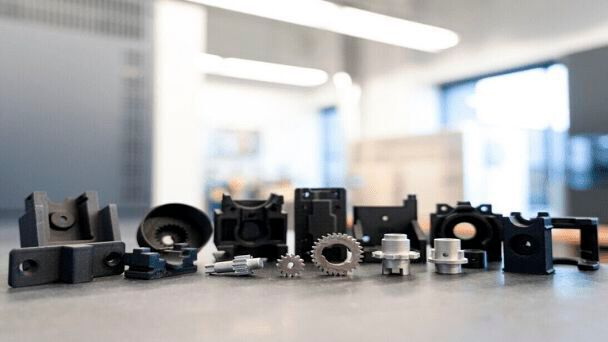
The typical life of an RTV mold used in rapid prototyping applications often ranges from a few dozen to several dozen shots, depending on geometry, silicone hardness, and casting resin. Careful handling, proper release agents, and avoiding overly aggressive demolding can extend the number of usable cycles before dimensional accuracy or surface quality decline.
High‑resolution SLA and PolyJet‑type processes are frequently chosen because they offer fine detail and smooth surfaces, which translate directly into the RTV mold cavity. CNC machining of plastic or soft metal masters is also used in rapid prototyping workflows when very tight tolerances or specific material properties are required.
RTV molds created from rapid prototyping masters are ideal for low‑volume production, pre‑series builds, and pilot runs where quantities are in the tens or a few hundreds. For high‑volume production, the cost per part and mold wear usually make it necessary to transition from rapid prototyping‑based RTV tools to metal injection molds.
Dimensional accuracy is largely determined by the rapid prototyping master, the shrinkage characteristics of the RTV silicone, and the casting resin. Well‑controlled processes can achieve tolerances suitable for many functional rapid prototyping applications, often comparable to precision plastic molding for small and medium‑sized components.
Most RTV molds are used with thermoset urethane or epoxy systems that simulate a wide spectrum of rigid and flexible plastics, as well as silicone elastomers for soft parts. These materials give rapid prototyping teams the ability to mimic everything from rubber‑like components to rigid engineering plastics with various colors, transparencies, and mechanical properties.

