
Views: 222 Author: Amanda Publish Time: 2025-11-04 Origin: Site


Content Menu
● The Foundations of Moulding Production Efficiency
>> Design for Manufacturability (DFM)
>> Functional Performance and Strength
● Key Elements for Efficient Moulding Production
>> Draft Angles: Enabling Clean Release
>> Wall Thickness: Evenness is Essential
>> Radii and Corners: Preventing Stress Points
>> Gate Placement and Mold Flow
>> Material Selection: Strategic Choices
>> Prototype Development and Sampling
● Advanced Approaches and Industry Best Practices
>> Mold Flow Simulation and Design Analysis
>> Tool Functionality Examination
>> Scientific Moulding and Statistical Control
>> Manufacturing Automation and Smart Technologies
>> Tool Adjustments and Performance Ranges
● Collaborative Strategies and Practical Implementation
>> Modular Tooling and Futureproofing
● Transitioning from Prototyping to Batch Production
● Ensuring Longevity and Maintenance
● Sustainability and Eco-Efficient Design
● Frequently Asked Questions (FAQ)
>> 1. How does DFM impact moulding production efficiency?
>> 2. Why is material selection so crucial?
>> 3. What steps do engineers take to optimize mould design?
>> 4. How does smart manufacturing benefit production?
>> 5. What are best practices for rapid prototyping in moulding?
Efficiency in moulding production determines how quickly and cost-effectively products reach the market, with the added benefit of ensuring superior quality and reliability. For manufacturers, OEMs, and development teams, every aspect of product design affects moulding production outcomes. By planning for manufacturability and collaborating with experts early, companies set the foundation for transformative results in precision, speed, and scale.[4][11]
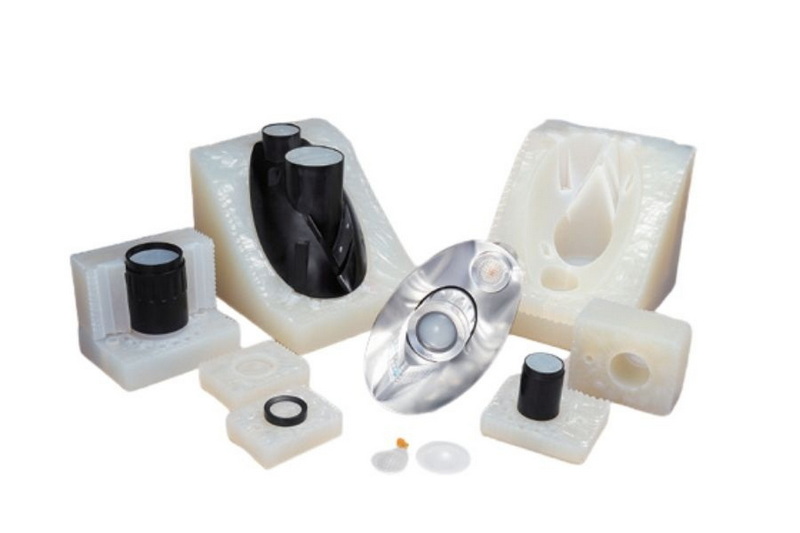
Design for Manufacturability (DFM) is an approach where part geometry, material selection, and process constraints are addressed from the first concept stage. Teams that embrace DFM during product development consistently realize fewer design changes, reduced tooling costs, and accelerated launches.[1][4]
- DFM engages key stakeholders—designers, engineers, and toolmakers—to actively identify and resolve manufacturing challenges before any tooling is produced.
- By pre-emptively incorporating production requirements, products are easier to mould with greater repeatability and lower defect rates.
Optimum moulding production begins with a clear understanding of product use cases, performance demands, and durability requirements. Designs must account for real-world stresses, environmental factors, and intended longevity—all of which affect material and geometry choices.[1]
The successful design for moulding production depends on balancing complexity with manufacturability. Simple shapes are easier and more reliable to produce, but advanced geometries—if addressed thoughtfully—can be made efficiently through robust simulation, prototyping, and precise tooling methods.[1]
Applying the correct draft angles to moulded parts facilitates effective ejection from the mould, minimizing friction, surface imperfections, and costly post-processing.
- Textured surfaces and complex geometries may require larger draft angles.
- Simulation tools validate draft choices, ensuring smooth operation in high-speed production environments.[5][4]
Uniform wall thickness is a cornerstone of trouble-free moulding production. Uneven walls can cause:
- Warping, sink marks, and inconsistent dimensional accuracy.
- Uneven cooling, which slows the production cycle and impacts material distribution.[4][5]
Designers should target wall thicknesses suited to both prototyping and finished goods—balancing manufacturability, performance, and cost.
Sharp internal corners often create residual stress, turbulence, and fill problems. Adding generous radii:
- Improves resin flow, reduces cooling time, and boosts overall part strength.
- Eases CNC machining requirements during mould tool creation, decreasing lead times and fabrication expense.[5]
Gates are entry points for materials and profoundly influence fill patterns, weld lines, and cosmetic outcomes. Their placement affects:
- Packing pressure and fill uniformity.
- The presence of weak spots and potential quality issues.
Mold flow analysis software empowers engineers to simulate gate locations and material flows to minimize risks and maximize efficiency in moulding production.[7][4][5]
Material properties—like strength, heat resistance, and flexibility—impact not only part performance but also manufacturability and long-term cost. Early collaboration with suppliers helps optimize material selection for production needs and application environments.[12][1]
Rapid prototyping is vital for validating design concepts and manufacturing choices before full-scale investments are made. Modern techniques like 3D printing and prototype injection molding allow designers to:
- Test the functionality and appearance of parts.
- Troubleshoot performance early and adjust features as needed.
- Prevent expensive tooling changes after hard steel production moulds are built.[7][5]

Before cutting steel or finalizing production tools, advanced software simulates how material will fill, cool, and solidify within mould cavities. These digital twins:
- Identify possible issues like short shots, air traps, or weld lines.
- Allow rapid design iterations with reduced risk.
- Validate cycle times, dimensional tolerances, and part integrity.[7]
Thorough tool assessment ensures mechanical function aligns with design and material constraints. The process involves:
- Testing for fill balance, part ejection, and cooling.
- Documenting short shot and viscosity curves to determine optimal fill rates and patterns.[6][8]
Applying scientific molding principles and robust quality control systems produces repeatable, high-quality results miles ahead of manual methods. Critical data, gathered through sampling and first article inspections, guide key adjustments:
- Process tweaks minimize cycle times and energy usage.
- Continuous parameter verification ensures efficient performance and product consistency.[8][6]
Industry 4.0 innovations have introduced powerful tools into moulding production:
- IoT sensors monitor injection pressure, temperature, and cycle completion in real time.
- AI and digital analytics forecast maintenance needs, automate defect detection, and optimize energy efficiency.
- Digital dashboards support proactive decision-making and remote intervention when process deviations occur.[13][14]
As sample testing and quality control point out issues, swift adjustments in tooling—like gate modification, channel resizing, or cooling optimisation—yield dramatic improvements in repeatability and reliability.[8]
Collaboration among design teams and tooling partners opens opportunities for feedback, adjustment, and innovation long before high-volume production begins. By communicating early about draft, wall thickness, gate design, and materials, surprises are minimized and success becomes the norm.[5]
Modular tool designs allow for design changes and upgrades without complete tool replacement. This flexibility benefits:
- Projects anticipating phased releases or variant families.
- Designers refining features based on field feedback or evolving specifications.[5]
Moulding production efficiency hinges on the ability to scale seamlessly from rapid prototypes to high-volume manufacture. Key steps include:
- Confirming prototype validation and address any performance gaps.
- Utilizing CNC machining and advanced hybrid tooling for final mould construction.
- Ensuring easy transition by standardizing dimensions, materials, and critical tolerances across scales.[7]
Longevity of moulds is sustained by rigorous scheduled maintenance, real-time data monitoring, and constant review of process results. These practices:
- Extend tool lifespan and production reliability.
- Minimize costly downtime and emergency repair cycles.[11]
Modern manufacturers are increasingly optimizing for sustainability. Efficient moulding production translates into:
- Reduced material waste through precision engineering and simulation-guided designs.
- Shorter cycle times—which reduce energy and water usage.
- More robust products, decreasing demand for replacements and limiting landfill impacts.[14]
A well-known global automotive supplier sought to enhance moulding production for a series of electronic connectors. By integrating DFM reviews, rapid prototyping, and real-time performance monitoring, the company achieved:
- 20% reduction in defects due to early simulation of material flows and draft angles.
- 15% shorter cycle times through optimized cooling channels and automated inspection.
- Faster launch to market, supported by modular tooling and ongoing collaboration across design and manufacturing teams.[11][13]
Optimizing product design for efficient moulding production requires careful planning, technical expertise, and proactive collaboration. From DFM principles to advanced digital simulation, and from rigorous testing to smart automation, the pathway to world-class results is clear—deliberate design choices drive higher yields, lower costs, and greater market impact. By investing in these strategies, manufacturers and OEMs can confidently deliver precision-engineered products while maintaining competitive advantage and sustainability.

DFM ensures early consideration of manufacturing constraints, reducing tool changes and cycle times while improving part quality and ease of manufacture.[4][1]
Materials define part strength, flexibility, and processing ease. Collaborating with material suppliers early allows for optimal choices based on real-world performance needs, reducing cost and increasing throughput.[12][1]
Engineers use mold flow simulation, rapid prototyping, and scientific molding to quickly identify and correct design flaws, streamline filling, and balance cooling.[5][7]
Automation, AI, and IoT dramatically improve defect detection, cycle time optimization, and overall process reliability, helping prevent downtime and enhance product consistency.[13][14]
Rapid prototyping should emulate final production conditions as closely as possible. Designers must engage partners early, test multiple materials, and use simple modular tools to accommodate design changes efficiently.[5]
[1](https://www.aimprocessing.com/blog/a-guide-to-optimizing-product-design-for-plastic-injection-molding)
[2](https://agapeplastics.com/blog/a-guide-to-plastic-part-design-optimization/)
[3](https://www.protolabs.com/resources/guides-and-trend-reports/designing-for-moldability-fundamental-elements/)
[4](https://hhmoldsinc.com/optimizing-design-for-injection-molding/)
[5](https://protoshopinc.com/blog/prototype-injection-molding-for-product-designers-a-comprehensive-guide-to-success/)
[6](https://www.kaysun.com/blog/steps-to-optimizing-the-injection-molding-process)
[7](https://www.aprios.com/insights/the-basics-of-plastic-injection-molding-a-guide-for-engineers)
[8](https://revpart.com/5-tips-optimize-injection-molding-process/)
[9](https://www.xometry.com/resources/design-guides/design-guide-injection-molding/)
[10](https://fathommfg.com/injection-molding-design-guidelines)
[11](https://www.aprios.com/insights/optimizing-mold-design-for-efficient-injection-molding)
[12](https://www.technh.com/blog/how-design-for-manufacturability-dfm-enhances-injection-molding-efficiency/)
[13](https://www.apollotechnical.com/optimizing-production-efficiency-with-advanced-injection-molding-techniques/)
[14](https://stonermolding.com/blog/boost-efficiency-in-your-injection-molding-manufacturing-process-with-automation)

