
Views: 222 Author: Amanda Publish Time: 2026-01-03 Origin: Site


Content Menu
● Introduction to Rigidity in CNC Machining
● Why Rigidity Matters for Avid CNC
● Understanding the Weak Points
● Frame and Base Reinforcement
● Gantry Stiffness and Bracing
● Z-Axis Optimization and Shortening Stick-Out
● Linear Motion Components and Rails
● Spindle and Mounting Upgrades
● Bed, Spoilboard, and Workholding Rigidity
● Tuning Feeds, Speeds, and Depth of Cut
● Maintenance for Long-Term Rigidity
● Electrical, Control, and Motion Tuning
● Tool Selection and Cutting Strategy
● Professional OEM Support and Custom Solutions
● FAQ
>> 1. How rigid is a stock Avid CNC for CNC Machining?
>> 2. Can I make my Avid CNC suitable for metal CNC Machining?
>> 3. Is upgrading to linear rails worth it for CNC Machining?
>> 4. How often should I check tram and alignment on my Avid CNC?
>> 5. When should I consider professional help for CNC Machining rigidity upgrades?
Rigidity is one of the most important factors that determines how well an Avid CNC router can handle demanding CNC machining tasks, especially when cutting metals or hard plastics. A more rigid machine produces smoother surfaces, holds tighter tolerances, extends tool life, and allows higher feeds and speeds without chatter, which is vital for efficient CNC Machining workflows.[1]

Rigidity directly affects accuracy, surface finish, and productivity in CNC Machining because any flex in the structure translates into dimensional error at the cutting edge. On a gantry-style router such as an Avid CNC, the z-axis and gantry are often the weakest structural links, so optimizing these areas brings clear CNC Machining benefits.[1]
- A rigid frame allows more aggressive CNC Machining parameters while maintaining part quality and repeatability.
- Reduced vibration means less tool deflection, improved tool life, and lower risk of tool breakage in harder CNC Machining operations.[2]
- Stable geometry helps maintain tram and alignment, which is critical when CNC Machining large panels or nesting many parts.[3]
Not every part of an Avid CNC contributes equally to lost rigidity, and certain zones typically flex more under CNC Machining loads. Understanding these weak points helps prioritize modifications and get the biggest return on investment in CNC Machining performance.[2]
- Z-axis: The z-axis hangs out from the gantry like a cantilevered beam, so its stiffness drops sharply as its extension increases during CNC Machining.[4]
- Gantry: The main gantry beam and its risers can twist under side loads, especially when machining metals or using long tools in CNC Machining.
- Frame and legs: If the base frame or leg kit is not properly braced, the entire machine can rack during aggressive CNC Machining passes.[5]
- Workholding surface: A thin or poorly supported spoilboard allows the workpiece to vibrate even if the rest of the CNC Machining structure is stiff.[3]
A strong, well-braced base frame is the foundation for any rigid CNC Machining system. Avid CNC's extrusion-based frames are stiff for their size, but additional reinforcement is often beneficial when pushing CNC Machining performance toward heavy cuts.[1]
Practical ways to stiffen the frame for CNC Machining include:
- Adding diagonal steel or aluminum braces between legs and cross-members to reduce racking during high-load CNC Machining moves.[5]
- Boxing in the frame with panels, such as double-thick MDF or plywood bolted between uprights, to form shear walls and increase torsional rigidity for CNC Machining.
- Using heavy-duty leveling feet or anchor plates to firmly connect the Avid CNC frame to the shop floor and improve CNC Machining stability.[1]
These changes help the frame behave more like a single solid structure instead of a collection of loosely connected members, which is crucial for precise CNC Machining.
The gantry carries the x-axis and z-axis, so its stiffness strongly influences CNC Machining performance across the table. Under lateral cutting loads, the gantry can twist or bend, affecting cut quality most at the extremes of travel during CNC Machining.[6]
Key ways to strengthen the gantry for CNC Machining:
- Install gussets or triangular braces between the horizontal gantry tube and vertical uprights to resist twisting during CNC Machining.
- Upgrade to heavier or thicker wall gantry tubing when possible to increase bending stiffness for CNC Machining, especially on wide Avid CNC machines.[6]
- Ensure all gantry bolts are torqued correctly and use thread-locker where appropriate so joints remain tight under repeated CNC Machining loads.[5]
Improving gantry stiffness often delivers an immediate reduction in chatter marks, better edge quality, and more consistent results in demanding CNC Machining operations.
The z-axis is usually the weakest structural element because it is cantilevered away from the gantry, and its stiffness drops rapidly as it moves down toward the work surface. This behavior is especially problematic during deep CNC Machining passes in harder materials where side forces are high.[4]
Ways to improve z-axis rigidity for CNC Machining:
- Use the shortest practical z-axis configuration or minimize riser height so the spindle stays closer to the gantry during CNC Machining.[4]
- Reduce tool stick-out by clamping cutters and spindles as far up in the holder as safely possible, limiting leverage during CNC Machining.
- Consider upgrading to a more robust z-axis assembly with stiffer linear guides or bearing blocks designed for heavy CNC Machining loads.
Even a small reduction in z-axis extension and tool overhang can make a noticeable difference in tool deflection and surface finish during precision CNC Machining.
Linear motion components determine how accurately and smoothly the Avid CNC moves under CNC Machining forces. Many builders find that upgrading from simple bearings to high-quality linear rails greatly improves overall rigidity and precision in CNC Machining.[2]
Improvements for linear motion in CNC Machining:
- Replace or supplement basic bearing systems with linear rails that offer higher stiffness and load capacity for CNC Machining tasks.
- Upgrade shaft diameters or bearing sizes on axes where deflection and vibration are most noticeable during CNC Machining.
- Maintain proper preload, lubrication, and alignment to keep linear guides performing well in demanding CNC Machining environments.[1]
Stable, preloaded linear motion components help the toolpath follow the programmed trajectory more faithfully during CNC Machining, reducing overshoot and backlash effects.
The interface between spindle and gantry is a critical path for transmitting CNC Machining forces into the machine structure. A solid, carefully aligned spindle mount significantly reduces chatter and improves surface finish during CNC Machining.[7]
Steps to enhance spindle mounting for CNC Machining:
- Use heavy-duty aluminum or steel mounts designed specifically for the Avid CNC platform to increase clamping force and stiffness during CNC Machining.[7]
- Position the spindle as high as practical in the mount to shorten the lever arm and minimize bending during CNC Machining.
- Add secondary support plates or brackets tying the mount back to the z-axis plate to further resist deflection in aggressive CNC Machining passes.
A well-supported spindle helps ensure that cutting forces are transferred into the rigid parts of the structure instead of causing local bending at the mount during CNC Machining.
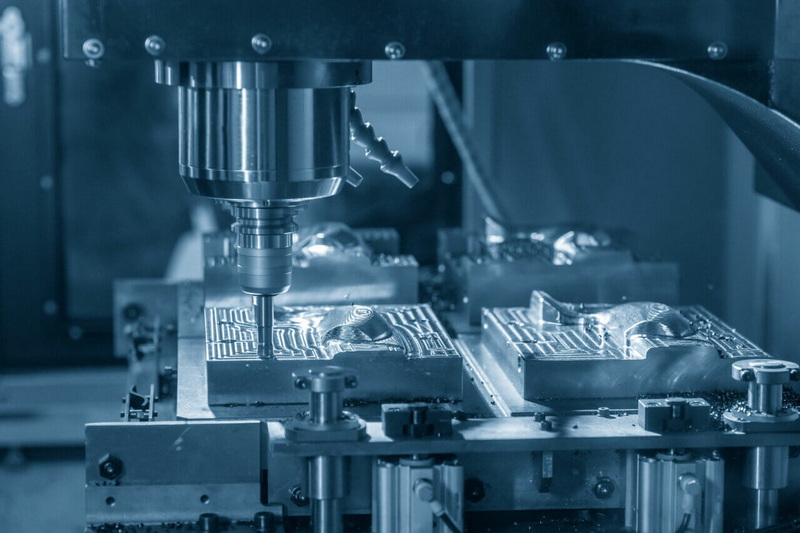
Even with a rigid structure, poor workholding will compromise CNC Machining accuracy and repeatability. A stiff, flat machining surface and secure fixturing are essential to exploit the improvements made elsewhere on the Avid CNC.[1]
Improvements for the machining bed:
- Use a thick, well-supported spoilboard, often double-layer MDF or an aluminum plate, to limit local flex during CNC Machining.[3]
- Consider adding a metal sub-plate under the spoilboard to tie the table together and increase overall rigidity for CNC Machining.
- Employ robust clamping, vacuum fixtures, or dedicated CNC Machining jigs to hold parts firmly and prevent micro-movement.[8]
Good workholding transforms rigidity upgrades into real gains in dimensional accuracy and surface quality when doing production CNC Machining.
Structural upgrades should be combined with optimized cutting parameters to get the best CNC Machining performance from an Avid CNC. Even with reinforcement, very aggressive cuts in metals may still require conservative settings compared with industrial machining centers used for CNC Machining.[9][2]
Practical CNC Machining parameter tips:
- Use smaller step-downs and step-overs in harder materials while taking advantage of higher feeds enabled by better rigidity.
- Match spindle rpm and feed rate to create appropriate chip loads to avoid rubbing and reduce heat in CNC Machining operations.[9]
- Favor toolpaths that maintain constant tool engagement, which spreads CNC Machining forces and reduces peak loading on the Avid CNC.[8]
Proper feeds and speeds help the cutter slice efficiently rather than hammering the material, lowering vibration and improving CNC Machining reliability.
Even the best modifications will not maintain peak rigidity without regular maintenance during ongoing CNC Machining work. Over time, fasteners can loosen, debris can contaminate linear guides, and minor misalignments can grow into noticeable CNC Machining errors.[5][1]
Key maintenance tasks for CNC Machining reliability:
- Periodically re-torque structural fasteners, especially on the gantry, z-axis, and leg assemblies that constantly absorb CNC Machining loads.[5]
- Inspect linear bearings, rails, and drive components for wear, then clean and lubricate them according to recommended CNC Machining maintenance schedules.[1]
- Re-check tram and squareness at regular intervals, particularly after any crash or major CNC Machining incident.[10]
Routine maintenance keeps rigidity upgrades working as intended and prevents gradual deterioration of CNC Machining accuracy over time.
Rigidity is not purely mechanical; control tuning also influences how an Avid CNC behaves under CNC Machining forces. Poorly tuned motion settings can cause overshoot, oscillation, or lost steps, which might be mistaken for structural flex during CNC Machining.[4]
Important aspects of motion tuning for CNC Machining:
- Adjust acceleration and jerk settings so axes start and stop smoothly without exciting vibration in the structure during CNC Machining.
- Ensure stepper or servo currents are set correctly to provide adequate torque without overheating in continuous CNC Machining.
- Verify that leadscrews, rack-and-pinion drives, or belts are tensioned and aligned so that motion is crisp and backlash is minimized during CNC Machining.[2]
Balanced mechanical rigidity and control tuning create a CNC Machining system that moves decisively yet smoothly, improving both performance and tool life.
Tool choice and cutting strategy have a major impact on how much force is transmitted into the Avid CNC during CNC Machining. By selecting appropriate tools and paths, users can get more out of existing rigidity improvements in their CNC Machining setups.[8]
Helpful strategies for CNC Machining:
- Use sharp, high-quality carbide tools designed for the material being cut to reduce cutting forces during CNC Machining.
- Prefer variable-helix or variable-flute tools in some materials to break up vibration patterns, which reduces chatter in CNC Machining.
- Apply adaptive or high-efficiency milling strategies that maintain consistent engagement and avoid sudden tool load spikes in CNC Machining.[9]
Optimized tools and strategies reduce the likelihood that any remaining structural flex will show up as visible defects in CNC Machining results.
For users who rely on Avid CNC machines for commercial CNC Machining, professional engineering support can accelerate upgrades and reduce trial-and-error. A specialized OEM manufacturing partner can design and produce custom brackets, gussets, precision plates, and fixtures tailored to specific CNC Machining applications.[11]
As a Chinese factory focusing on rapid prototyping, CNC Machining services, precision batch production, turning, sheet metal fabrication, 3D printing, and mold manufacturing, Shangchen (sc-rapidmanufacturing.com) can provide:
- Custom machined reinforcement kits and precision aluminum or steel plates optimized for Avid CNC rigidity in real-world CNC Machining.
- OEM production of workholding fixtures, modular vises, and vacuum plates that increase throughput and accuracy in CNC Machining.[8]
- Rapid prototyping support to validate rigidity upgrade concepts before full-scale deployment on multiple CNC Machining lines.[11]
Partnering with an experienced OEM supplier allows Avid CNC owners to focus on their products while specialists handle the engineering and CNC Machining of upgrade components.
Increasing the rigidity of an Avid CNC transforms it from a light-duty router into a more capable CNC Machining platform that can tackle tougher materials with confidence. By reinforcing the frame, stiffening the gantry and z-axis, upgrading motion components, tightening spindle mounting, optimizing the bed and workholding, tuning motion and cutting parameters, and maintaining the system carefully, users can unlock significantly higher CNC Machining performance and reliability from their existing equipment.[1]
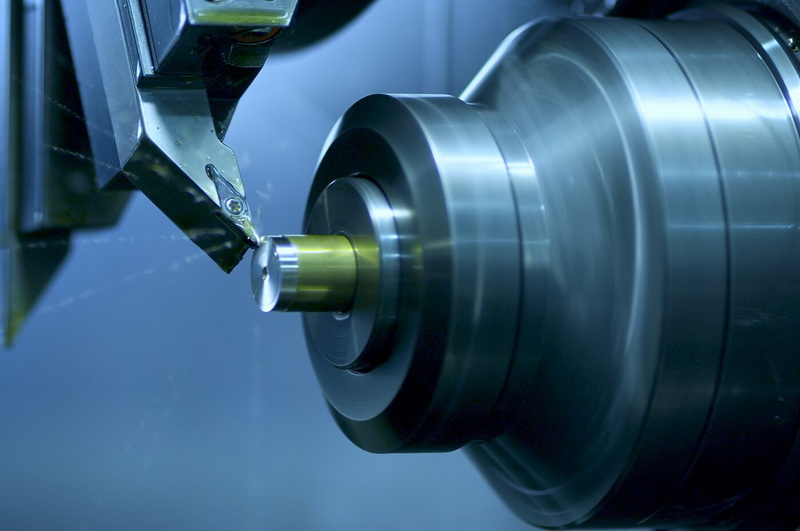
Out of the box, an Avid CNC offers good rigidity for woodworking and light aluminum CNC Machining, especially compared with many hobby-level machines. However, heavy CNC Machining in steel or deep cuts in non-ferrous metals often benefit from structural reinforcements and careful parameter tuning.[6][2]
Many users successfully machine aluminum and some steels by reinforcing the frame and gantry, optimizing z-axis setup, and using conservative CNC Machining parameters. The realistic goal is not to turn the router into a full-scale machining center, but to reach stable, repeatable CNC Machining performance within the design limits of the platform.[9][2]
Upgrading to quality linear rails usually brings a noticeable increase in stiffness, accuracy, and smoothness during CNC Machining, especially under side loads. This modification is particularly valuable for users who run long CNC Machining jobs in metals or require very consistent surface finish and tight tolerances.[12][2]
Tram and axis squareness should be checked after initial installation, after any significant crash, and periodically depending on CNC Machining usage intensity. High-duty production CNC Machining environments may require more frequent checks than occasional hobby use.[10][5]
If your Avid CNC is part of a commercial CNC Machining workflow and downtime is costly, working with an OEM manufacturing partner or experienced integrator is often worthwhile. Professional design and CNC Machining of custom reinforcement and fixturing solutions can deliver faster, more predictable improvements than trial-and-error modifications.[11]
[1](https://acctekcnc.com/how-does-the-rigidity-of-cnc-router-frame-affect-its-performance/)
[2](https://www.cnczone.com/forums/diy-cnc-router-table-machines/171435-cnc.html)
[3](https://forum.avidcnc.com/t/seeking-best-practices-for-long-term-z-axis-stability-and-plenum-flatness/3887)
[4](https://www.avidcnc.com/support/faq/)
[5](https://forum.avidcnc.com/t/avid-leg-kit-to-weak/1186)
[6](https://www.cnczone.com/forums/avid-cnc/389294-cnc-new-post.html)
[7](https://www.avidcnc.com/router-and-spindle-mounts-c-62_30.html)
[8](https://bosslaser.com/commentary/tips-for-small-cnc-machines-when-handling-tough-materials/)
[9](https://forum.v1e.com/t/cnc-milling-equations-and-how-i-can-improve-gantry-rigidity/28899)
[10](https://www.youtube.com/watch?v=9d0IfE2hqpM)
[11](https://forum.avidcnc.com/t/seeking-recommendations-to-assemble-a-complete-cnc-kit/1405)
[12](https://www.facebook.com/groups/cnccanada/posts/7668205603308982/)

