
Views: 222 Author: Amanda Publish Time: 2025-11-12 Origin: Site


Content Menu
● Understanding the Turning Lathe
● Daily Maintenance for Turning Lathe Longevity
>> Cleaning and Debris Management
● Weekly and Monthly Turning Lathe Maintenance
● Advanced Turning Lathe Maintenance
>> Preventing and Treating Rust
>> Tool Holder and Collet Maintenance
>> Spindle and Sub-Spindle Checks
● Troubleshooting Common Turning Lathe Problems
>> Overheating
● Safety Guidelines for Lathe Operation
● Best Practices for Turning Lathe Storage
● Upgrading and Modernizing Your Turning Lathe
● Maintaining CNC Turning Lathes
● Maintaining Precision and Accuracy
● Frequently Asked Questions (FAQ)
>> 1. What is the most critical daily turning lathe maintenance task?
>> 2. How often should turning lathe fluids be checked and replaced?
>> 3. What are the best practices for preventing rust on my turning lathe?
>> 4. How do I know if my lathe needs alignment adjustments?
>> 5. What maintenance should I perform on CNC turning lathe electronics?
Maintaining a turning lathe is crucial to ensure long-term, reliable performance and precision in manufacturing tasks. Whether you operate a CNC lathe, metal lathe, or wood lathe, regular care directly impacts the lifespan, safety, and accuracy of your machine. This extensive guide provides actionable strategies, maintenance checklists, troubleshooting tips, and expert recommendations to keep your turning lathe functioning at its best, maximizing output for OEM, batch production, and prototyping environments.[1][2]
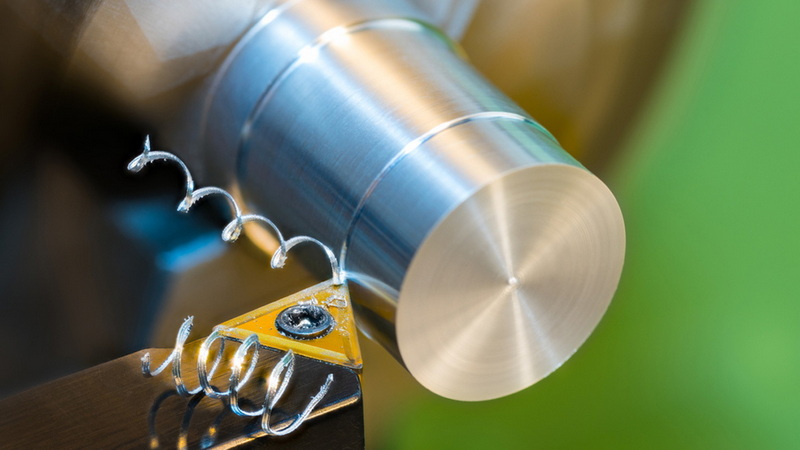
A turning lathe is a versatile machining tool designed to shape materials by rotating them against cutting tools. These machines are vital across diverse industries, handling batch precision parts, rapid prototyping, and complex manufacturing for both metals and plastics.
- Bed: Foundation ensuring stability and rigidity.[4]
- Headstock: Houses spindle, gears, and drive mechanisms.
- Tailstock: Supports the far end of the workpiece; critical for long items.
- Carriage: Moves tooling along the bed.
- Tool Rest: Provides solid support for tools during working.[2][3]
- Spindle: Rotates the workpiece steadily.
Understanding each component's role helps operators identify maintenance needs and prevent premature wear.[2][4]
Daily cleaning is fundamental to turning lathe maintenance. Dust, chips, and swarf accumulate quickly, obstructing moving parts, reducing machining precision, and encouraging corrosion. Use a vacuum or compressed air to clean all surfaces, including under the bed, motor, slots, and around moving mechanisms. Removing foreign particles from the morse taper holes ensures reliable operation and prevents misalignment.[5][6][2]
Proper lubrication drastically reduces friction and extending lathe life. Check for manufacturer-recommended oils and greases and apply regularly:
- Lubricate bed rails, spindle, and tailstock movement.
- Monitor lubricant reservoirs and refill as needed.[5]
- Replace old or contaminated oil according to usage, as dirty fluid promotes wear and overheating.[4]
- Apply wax or lubricant on contact surfaces of banjo and tailstock.[3][2]
Inspect for leaks around seals and gaskets. Tighten or replace damaged or worn-out seals to avoid internal contamination.[4]
Wipe, polish, and wax the bed, toolrest base, and tailstock regularly to guarantee smooth operation and prevent rust. If working with green or damp wood, clean and wax the bed after each session. For dry wood or metal, a weekly treatment suffices. Use rust removers or fine sandpapers for any corrosion. Steel wool can help with stubborn oxidized patches, but avoid using these cleaning implements on wooden workpieces to prevent unwanted oxidation.[1][3][2]
Nicks or gouges on cast iron tool rests—common from tool catches—must be filed down to maintain a continuous surface. A smooth tool rest is essential for achieving precision cuts and avoiding unwanted tool movement.[3]
Check and maintain coolant levels and concentrations: Coolants help prevent tool overheating and improve finish quality. Drain and clean the coolant reservoir regularly to remove sludge and contaminants. Inspect coolant pumps and lines for blockages, cracks, or leaks. Change coolant at intervals specified by your lathe's manufacturer.[5][4]
Lack of alignment can cause eccentric turning, excessive tool wear, and inaccuracy. Inspect headstock and tailstock alignment by verifying that the centers match—this is particularly critical for spindle turning and accurate drilling. Remove debris or buildup under mounting surfaces, which can cause misalignment. If cleaning does not resolve the issue, deeper inspection of the assembly is required.[3][5]

Rust formation, especially when working with wet wood or humid metals, is a persistent threat. After each session, dry all metal surfaces thoroughly and treat cast iron and steel components with wax or a rust inhibitor. For severe rust, use fine sandpaper or a specialty rust remover followed by reapplication of protective coatings. Rust prevention should be a top concern for any lathe operator.[2][3]
Tool holders, chucks, and collets require attention to prevent debris buildup and ensure accurate clamping. Clean these parts weekly. Regular inspection for fit and wear is necessary—any loose or worn tool holders can compromise part quality or cause tool breakage. Lubricate locking mechanisms lightly, ensuring easy and secure operation.[4][5]
Monitor spindle bearings for noise or excessive heat. Ensure proper lubrication and avoid overloading the spindle, which can cause premature bearing failure and machine vibration. Sub-spindles in multi-axis CNC lathes should be checked for concentricity and free movement.[9][4]
Vibration indicates possible misalignment, worn bearings, or loose components. Inspect all fixing points, verify spindle and tailstock alignment, and ensure the lathe is securely bolted to a solid base. Unusual noises typically point to insufficient lubrication, improper tool setup, or bearing issues.[10][3]
Poor finishes result from dull tools, worn tool rests, or improper speeds/feeds. Regularly sharpen cutting tools, file and polish tool rests, and ensure the workpiece is securely clamped. Adjust speeds and feeds according to material type and tooling.[11][1]
Overheating may stem from lack of lubrication, improper coolant levels, excessive cut depth, or jammed chips. Replenish fluids, clean cooling systems, and ensure chip clearance. Reduce feed rates and validate spindle speeds for the material in use.[5][4]
Always wear safety glasses, hearing protection, and appropriate gloves. Ensure loose clothing, hair, and jewelry are secured away from rotating parts.
Familiarize operators with emergency stop buttons and power-off procedures. Check all interlocks and safety guards are functional before use.[8]
Conduct regular checks for electrical faults, hydraulic and air pressure problems, and overall machine integrity. Document any abnormalities immediately.
Store the lathe in a dry, temperature-controlled environment. Cover the machine when not in use to avoid dust and moisture accumulation. If storing for an extended period, drain or replace fluids and ensure that key moving parts are well-lubricated to avoid seizing.[2]
Technological advances continually offer better control, efficiency, and accuracy. Upgrades may include digital readouts, improved lubrication systems, or enhanced safety features. Integrating these improvements can significantly extend your turning lathe's working life and productivity.[9][10]
CNC turning lathes require special attention to electronic controls, feedback sensors, and data logs. Regularly back up control programs, clean circuit boards, and examine wiring for any signs of wear or damage. Update software as recommended by the manufacturer.
Calibration is critical for high-precision production. Schedule annual calibration by certified technicians and regularly test finished parts against tolerance specifications. Keep maintenance records to identify patterns and schedule preventive actions.[9][5]
Consistent and methodical lathe maintenance ensures optimal performance, accuracy, and safety in every manufacturing setting. Operators who develop good daily, weekly, and preventative habits will benefit from a reliable turning lathe that maintains tight tolerances and produces superior finishes well into the future. Whether for one-off prototypes or precision batch production, disciplined care maximizes uptime and extends lifespan, helping your facility maintain leading-edge capabilities.
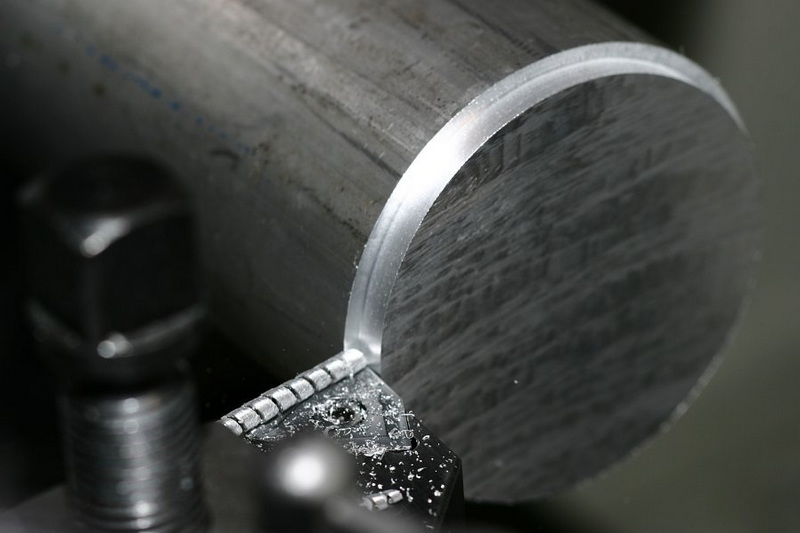
Daily removal of dust, chips, and debris is essential to keep moving parts clear and prevent jams or accelerated wear. Cleaning the machine each session also reduces the risk of corrosion and ensures best surface finish quality.[2][5]
Check lubricant and coolant levels every day before use. Replace oil and coolant based on manufacturer specifications or when they appear dirty or contaminated, typically every few months for moderate use, more frequently for heavy operation.[4][5]
Dry all exposed metal surfaces after each use; treat cast iron and steel with paste wax, rust inhibitors, or lubricants. Store the machine in a dry climate, and avoid prolonged exposure to wet materials.[3][2]
If you notice vibration, poor finishes, or eccentric workpieces, inspect headstock and tailstock alignment. Even small debris under mounting points can create misalignment. Regular verification helps maintain accuracy.[3][5]
Regularly clean control panels and circuit boards, inspect cables for wear, and back up control programs. Update firmware as advised; consult manufacturer instructions for specialized tasks.[8][9]
[1](https://www.popularwoodworking.com/techniques/lathe-maintenance-101/)
[2](https://turnawoodbowl.com/wood-lathe-maintenance-checklist-7-areas-to-maintain/)
[3](https://worldwidewoodturners.org/wp-content/uploads/2021/10/A-Guide-to-Lathe-Maintenance.pdf)
[4](https://www.zapium.com/checklist/lathe-machine-maintenance/)
[5](https://nomura-ds.com/blog/checklist-maintenance-for-swiss-type-cnc-lathe)
[6](https://summitmt.com/how-to-maintain-a-lathe-machine/)
[7](https://www.youtube.com/watch?v=UoXCczbnOMQ)
[8](https://www.reddit.com/r/Tools/comments/77xal8/manual_lathe_maintenance_details_in_comments/)
[9](https://amtmachine.com/life-expectancy-of-a-cnc-lathe/)
[10](https://machinetoolspecialties.com/blog/1030-effective-strategies-for-extending-the-lifespan-of-your-cnc-lathe)
[11](https://www.sandvik.coromant.com/en-us/knowledge/general-turning/how-to-improve-tool-life-in-turning)

