
Views: 222 Author: Amanda Publish Time: 2026-01-02 Origin: Site


Content Menu
● What Is Rapid Prototyping Testing?
● Key Goals of Rapid Prototyping Testing
● Set Clear Testing Objectives
● Choose the Right Prototype Fidelity
● Integrate Rapid Prototyping with CNC Machining
● Leverage 3D Printing in Rapid Prototyping
● Role of Sheet Metal and Turning in Rapid Prototyping
● Improve Design Validation Speed
● Build Iterative Testing and Feedback Loops
● Focus on User-Centric Testing
● Combine Physical and Digital Testing
● Avoid Common Rapid Prototyping Testing Mistakes
● Recommended Visual and Video Enhancements
● Strengthen Collaboration with a Rapid Prototyping Partner
● Best Practices Checklist for Rapid Prototyping Testing
● FAQ About Rapid Prototyping Testing
>> 1. How often should rapid prototyping tests be run?
>> 2. What materials are best for functional rapid prototyping?
>> 3. How does rapid prototyping reduce overall project cost?
>> 4. When should a team move from 3D printing to CNC machining in rapid prototyping?
>> 5. What KPIs can measure rapid prototyping testing effectiveness?
Improving Rapid Prototyping testing means testing earlier, testing more often, and testing with clearer objectives, so every iteration brings you closer to a manufacturable, market-ready part.[1][2]
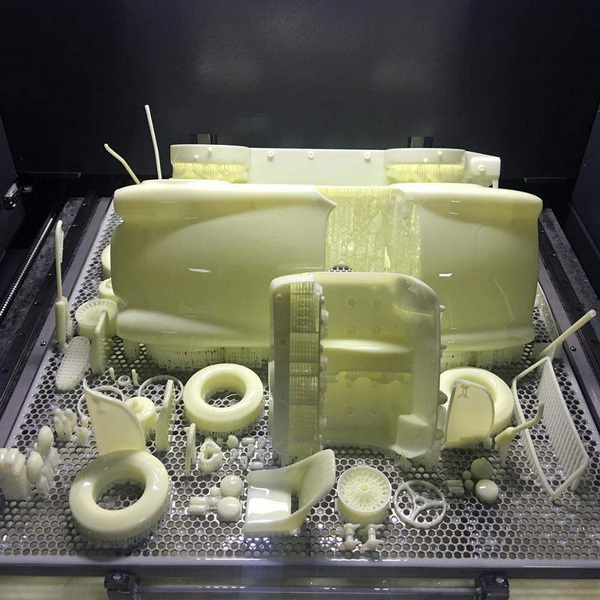
Rapid prototyping testing is the structured evaluation of early, quickly produced parts or assemblies to verify fit, function, manufacturability, and user experience before mass production.[2][3]
In modern product development, rapid prototyping connects CAD design with real-world feedback using CNC machining, 3D printing, sheet metal fabrication, and molding to generate physical or functional prototypes in days rather than weeks.[4][5]
- It reduces design risk by identifying issues before tooling investment.[3][5]
- It supports agile, iterative development where each prototype feeds the next design loop.[6][1]
Before improving any process, clarify what “good” rapid prototyping testing looks like for your project and industry.[1][3]
For OEM brands, wholesalers, and manufacturers, rapid prototyping testing should consistently answer whether the design is desirable, feasible, and ready to move closer to production.[5][2]
- Desirability: Does the rapid prototyping part meet market and user expectations for look, feel, and usability?[7][6]
- Feasibility: Can the rapid prototyping design be machined, printed, formed, and assembled reliably?[8][3]
- Readiness: Have all critical risks been tested enough that tooling and batch manufacturing decisions are safe?[3][5]
Clear objectives are the foundation of effective rapid prototyping testing; without them, tests generate noise instead of actionable data.[9][3]
Before producing any rapid prototyping part, define what you must learn from this iteration and what decisions those test results will unlock.[9][1]
- Decide whether you are testing geometry, assembly, strength, ergonomics, or user interaction.[5][3]
- For each prototype, write 3–5 specific questions, such as “Does this housing survive a 1 m drop?” or “Can users assemble the connector without tools in under 30 seconds?”.[7][9]
- Link each rapid prototyping test case to a pass/fail criterion so the team knows what “success” means.[10][4]
Matching prototype fidelity to testing goals keeps costs low and speeds up rapid prototyping cycles.[11][2]
Low-fidelity prototypes are ideal for early concept validation, while higher-fidelity prototypes support performance, tolerance, and manufacturing validation.[11][5]
- Use simple, low-cost rapid prototyping when only form, envelope, or basic layout needs testing.[2][9]
- Move to high-fidelity CNC machining, precision turning, and sheet metal when tolerances, assembly clearances, and mechanical loads must be verified.[12][4]
- Reserve the most expensive and detailed rapid prototyping builds for pre-production stages where final materials, finishes, and branding are evaluated.[8][3]
CNC machining remains a core technology for rapid prototyping when metal strength, tight tolerances, and functional surfaces are critical.[4][12]
For OEM customers in industries such as automotive, robotics, and industrial equipment, CNC rapid prototyping parts allow “real-material” testing long before final tooling and volume production.[13][8]
- Use rapid CNC machining to validate threads, sealing surfaces, bearing fits, and alignment features.[12][4]
- Combine milling, turning, and grinding in one rapid prototyping workflow to simulate final production quality.[14][8]
- Introduce design for manufacturability (DFM) checks after each CNC rapid prototyping batch to simplify geometry and reduce machining time.[15][3]
3D printing is a powerful rapid prototyping method for quickly exploring design alternatives, complex geometries, and internal channels.[5][8]
In testing, 3D printed rapid prototyping models help verify ergonomics, packaging, and airflow or fluid routing before committing to CNC machining or tooling.[3][5]
- Use polymer rapid prototyping for fit checks and visual reviews where mechanical loads are low.[9][5]
- Upgrade to higher-performance printing materials when functional rapid prototyping tests require heat resistance or impact strength.[10][5]
- Combine 3D printed housings with machined inserts in hybrid rapid prototyping assemblies to test complex mechanisms quickly.[8][3]
For many industrial products, sheet metal parts and turned components are essential elements of the design, so they must be included in rapid prototyping testing.[13][12]
Rapid prototyping using bending, laser cutting, stamping, and lathe turning allows teams to validate bracket stiffness, enclosure stiffness, and shaft performance early.[12][8]
- Produce sheet metal rapid prototyping parts to confirm mounting patterns, stiffness, and cable routing paths.[15][12]
- Use turning-based rapid prototyping to test concentricity, runout, and press-fit behavior of pins, shafts, and sleeves.[14][8]
- Combine multiple sheet metal and turned rapid prototyping parts into assemblies to evaluate vibration, noise, and long-term wear.[10][3]
Improving rapid prototyping testing is mostly about removing delays between design, fabrication, and feedback.[4][3]
Modern fast design validation combines rapid prototyping with automated and parallel test strategies to shorten development cycles while increasing coverage.[4][10]
- Run mechanical, dimensional, and functional tests in parallel on a batch of rapid prototyping samples instead of sequentially.[10][4]
- Standardize test fixtures and protocols so new rapid prototyping parts can be dropped into existing validation setups.[3][4]
- Use pre-defined “validation packages” where each rapid prototyping round automatically triggers specific inspections and tests.[3][4]
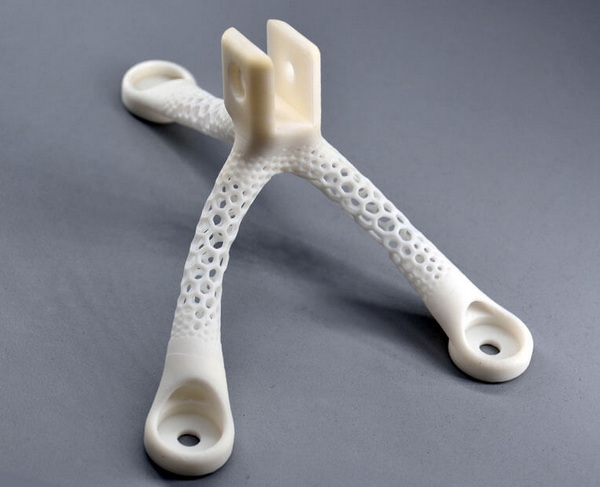
The central principle of rapid prototyping is iteration: make a prototype, test it, learn from it, and redesign quickly.[6][1]
Structured feedback loops turn each rapid prototyping part into a controlled experiment rather than a one‑off sample.[1][7]
- Use short, clearly defined sprints where each rapid prototyping cycle targets a small set of design risks.[16][1]
- Capture quantitative metrics and qualitative comments in a shared system so design, testing, and manufacturing teams can refine models together.[7][4]
- Review rapid prototyping results in recurring cross-functional meetings, ensuring that industrial design, mechanical engineering, and production all contribute.[6][3]
Rapid prototyping is not only about engineering performance; it must also validate user experience, usability, and perceived quality.[6][7]
Usability-focused rapid prototyping testing reveals confusion points, assembly mistakes, or ergonomic problems that pure simulation or calculation might miss.[2][7]
- Recruit test users that match your real target audience rather than internal engineers only.[7][9]
- Apply methods such as “think‑aloud” usability testing to rapid prototyping sessions so users describe what they expect and where they struggle.[6][7]
- Run side‑by‑side rapid prototyping comparisons of different concepts to understand user preferences on weight, grip, interface, and perceived quality.[11][7]
The best rapid prototyping testing strategies blend digital simulation with physical validation to minimize risk at each stage.[17][3]
Before cutting metal or printing complex parts, digital tools can narrow down design options so physical rapid prototyping focuses on the most promising concepts.[4][3]
- Use FEA and CFD to screen geometries, then produce rapid prototyping parts for real‑world stress and fatigue testing.[10][3]
- Connect test rigs and sensors to collect digital telemetry from physical rapid prototyping samples for accurate correlation with virtual models.[4][10]
- Calibrate simulation models using results from rapid prototyping tests, making predictions more accurate for later design iterations.[3][10]
Several recurring mistakes undermine rapid prototyping value and extend development time unnecessarily.[9][3]
Recognizing and preventing these issues is one of the fastest ways to improve rapid prototyping testing quality.[1][9]
- Testing prototypes without clear hypotheses, which wastes time and provides weak guidance to designers.[16][9]
- Using testers who do not represent target users, producing misleading usability feedback.[7][9]
- Ignoring negative feedback or not iterating the design after rapid prototyping tests reveal problems.[1][9]
- Choosing inappropriate rapid prototyping processes or materials so test results do not reflect real-world behavior.[5][3]
To make content about rapid prototyping testing more engaging and persuasive to OEM clients, pair explanations with rich visual and media elements.[18][17]
Within a complete article layout, strong opportunities for media placement include sequences that highlight the real rapid prototyping workflow and concrete test actions.[5][3]
- Process-flow diagrams that show the complete rapid prototyping cycle: CAD → CNC / 3D printing → inspection → functional testing → design revision.[5][3]
- Close‑up views of machined and 3D‑printed rapid prototyping components during dimensional inspection and assembly checks.[12][4]
- Short video walkthroughs of test engineers mounting rapid prototyping parts in fixtures, running impact or fatigue tests, and explaining acceptance criteria.[10][4]
- Side‑by‑side visuals of multiple rapid prototyping iterations, highlighting how test feedback changed wall thickness, fillets, and mounting features over time.[1][7]
Working with a dedicated rapid prototyping and low‑volume manufacturing partner significantly improves testing speed and reliability.[13][15]
Specialized providers in China that focus on rapid prototyping, CNC machining, turning, sheet metal, 3D printing, and tooling can support OEM brands with fast response, material selection, and DFM feedback.[15][13]
- Choose partners with ISO‑based quality systems, comprehensive inspection capability, and experience in export‑oriented rapid prototyping projects.[14][13]
- Share clear test requirements and functional targets so the partner can propose the right rapid prototyping process and post‑processing route.[15][3]
- Involve the partner early so DFM ideas, tolerance schemes, and material alternatives can be verified directly through rapid prototyping tests.[8][15]
Creating an internal checklist helps teams run consistent, high‑quality rapid prototyping tests across projects and teams.[16][1]
A short, repeatable list of actions also makes onboarding easier for new engineers and product managers involved in rapid prototyping.[17][3]
- Confirm objectives and success criteria for every rapid prototyping round.[9][1]
- Select appropriate fidelity, process, and materials based on testing goals.[2][5]
- Prepare standardized fixtures and test protocols in advance of part delivery.[3][4]
- Record all rapid prototyping changes, test conditions, and results in a shared system.[7][4]
- Review lessons learned after each rapid prototyping cycle and feed them into the next design update.[16][1]
Improving rapid prototyping testing demands more than just making parts faster; it depends on disciplined objectives, correctly chosen prototype fidelity, and tight integration between design, manufacturing, and testing teams.[1][3]
By combining CNC machining, 3D printing, sheet metal fabrication, and turning-based rapid prototyping with structured feedback loops, user‑centric tests, and reliable manufacturing partners, OEMs can validate designs quickly, reduce risk, and move smoothly into precision batch production.[4][5]
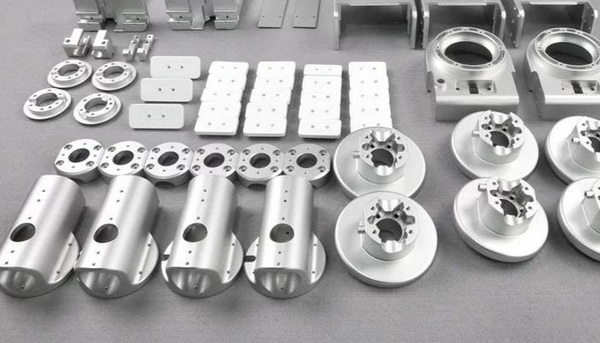
Rapid prototyping tests should be run after every meaningful design change, typically on short cycles of days or weeks rather than months.[1][3]
For complex assemblies, plan several rapid prototyping rounds: early for form and fit, then for function and durability, and finally for manufacturability and cost optimization.[5][4]
For functional rapid prototyping, use materials that match or closely approximate the final application, such as engineering plastics, aluminum alloys, or stainless steels.[8][5]
CNC machining and high‑performance 3D printing enable rapid prototyping tests under real mechanical loads, temperature ranges, and environmental conditions.[4][5]
Rapid prototyping reduces project cost by discovering design flaws and usability issues before investing in expensive tooling, fixtures, or high‑volume production runs.[3][5]
Early detection of interference, assembly errors, or inadequate strength through rapid prototyping tests prevents late‑stage rework and delays.[10][3]
Teams typically start with 3D printing for concept and ergonomic validation, then shift to CNC machining during later rapid prototyping stages that require accurate tolerances and production materials.[8][5]
Once critical dimensions, performance, and surface finish become important to test, CNC‑based rapid prototyping delivers closer correlation to final parts.[12][4]
Effective KPIs for rapid prototyping testing include time from design release to tested prototype, number of issues found per iteration, and reduction in post‑tooling design changes.[17][3]
Additional indicators, such as user task success rate in usability tests and first‑pass yield in pilot runs, show how well rapid prototyping testing predicts real production performance.[7][10]
[1](https://www.sz-zuerst.com/a-9-best-practices-for-effective-rapid-prototyping.html)
[2](https://maze.co/blog/rapid-prototyping/)
[3](https://www.fictiv.com/articles/rapid-prototyping-guide)
[4](https://www.phas.io/post/fast-design-validation)
[5](https://formlabs.com/blog/ultimate-guide-to-rapid-prototyping/)
[6](https://www.interaction-design.org/literature/topics/rapid-prototyping)
[7](https://www.lyssna.com/blog/rapid-prototyping-in-ux/)
[8](https://www.hlhprototypes.com)
[9](https://miro.com/prototyping/what-is-rapid-prototyping/)
[10](https://3dfortify.com/improving-design-validation/)
[11](https://www.uxpin.com/studio/blog/rapid-prototyping-process-fidelity-10-minute-guide-for-ui-ux-designers/)
[12](https://www.pcbway.com/rapid-prototyping/)
[13](https://tirapid.com/rapid-prototyping-services-china/)
[14](https://www.hymetalproducts.com/oemodm-china-3d-rapid-prototype-printing-precision-cnc-machining-service-including-milling-and-turning-with-3-axis-and-5-axis-machines-hy-metals-product/)
[15](https://firstpart.com)
[16](https://www.andplus.com/blog/best-practices-for-rapid-prototyping)
[17](https://backendless.com/rapid-prototyping-a-practical-guide-for-application-development-teams/)
[18](https://www.hackdesign.org/lessons/10-rapid-prototyping-tools-best-practices/)

