
Views: 222 Author: Amanda Publish Time: 2025-09-20 Origin: Site


Content Menu
● Key Factors to Consider When Choosing a Vacuum Casting Service
>> Material Options and Customization
>> Mold Quality and Design Support
>> Production Capacity and Lead Time
>> Quality Control and Testing
>> OEM Services and Aftermarket Support
>> Environmental and Safety Considerations
● Manufacturing Process of Vacuum Casting
● Applications of Vacuum Casting
● How Vacuum Casting Compares to Other Rapid Prototyping Methods
● Tips for Effective Collaboration With Your Vacuum Casting Partner
● Quality Assurance in Vacuum Casting
● FAQ
>> 1. What types of materials are used in vacuum casting?
>> 2. How long does the vacuum casting process take?
>> 3. Is vacuum casting suitable for mass production?
>> 4. Can vacuum casting replicate fine surface details?
>> 5. How do I ensure the quality of vacuum cast parts?
Vacuum casting is a versatile manufacturing method widely used for rapid prototyping, small batch production, and precise parts manufacturing. Choosing the right vacuum casting service for your product needs is essential to ensure quality, cost-efficiency, and timely delivery. This article will guide you through the key factors to consider when selecting a vacuum casting provider, including technology capabilities, material options, customization possibilities, cost considerations, and turnaround time. This comprehensive guide is designed to help brands, wholesalers, and manufacturers find the best OEM partner for vacuum casting.
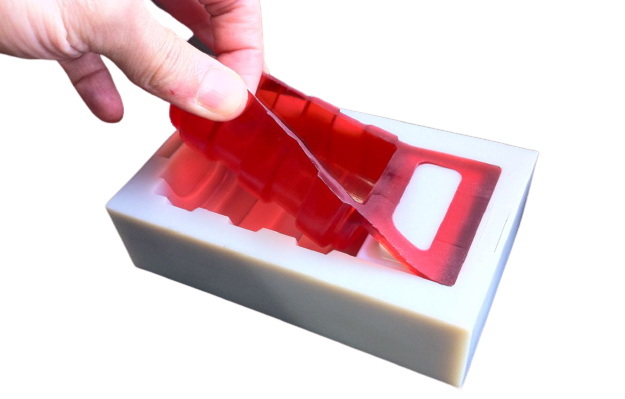
Vacuum casting is a process that uses silicone molds made from master patterns to cast parts with polyurethane or other resins under vacuum pressure. The vacuum helps eliminate air bubbles and improves dimensional accuracy and surface finish. This technique is ideal for producing prototypes and functional parts in quantities ranging from a few pieces to several hundred units.
The process begins with creating a master pattern, typically made by 3D printing or CNC machining, which defines the shape and details of the final product. A silicone mold is then formed around this master, capturing every inch of detail. After the mold cures, it is filled with liquid resin that is pulled into every cavity by vacuum pressure, ensuring minimal defects. Once cured, parts are demolded, trimmed, and finished to meet precise specifications.
Vacuum casting offers several unique advantages compared to other manufacturing methods, making it a popular choice for many industries:
- High precision and surface quality: The silicone molds reproduce the master pattern with exceptional detail and smooth surface finish, often rivaling injection molding.
- Cost-effectiveness: It is more affordable than injection molding for low-to-medium volume runs because it avoids expensive metal tooling.
- Fast turnaround: The process is significantly faster than traditional tooling methods, allowing for quicker prototype and production cycles.
- Material versatility: A wide range of polyurethane resins and specialty materials allow for parts that mimic various plastics, including flexible, rigid, transparent, and heat-resistant options.
- Complex geometries: Vacuum casting handles intricate shapes and undercuts that might be problematic for other processes.
These benefits make vacuum casting a strategic option for product development, market testing, and small batch manufacturing.
One of the first things to evaluate when selecting a vacuum casting provider is their level of experience and technical expertise. A supplier with deep knowledge in mold design, casting techniques, and material science will better understand how to optimize your parts for the vacuum casting process. Providers specializing in your product category or industry typically deliver higher quality and more reliable results.
Different products require different material properties. The vacuum casting process can accommodate a wide variety of polyurethane resins and specialty materials designed to simulate production plastics such as ABS, nylon, polypropylene, and silicone. Consider your product's functional requirements—thermal resistance, flexibility, mechanical strength, color, transparency—and confirm that the service offers the appropriate materials.
In addition to raw material choices, many providers offer post-processing options including pigmentation, painting, texturing, and assembly which allow you to present finished parts closer to your final product.
The silicone mold quality is critical for achieving consistent, high-fidelity parts. A durable mold also enables multiple casting cycles before wear impacts quality. Leading vacuum casting services use advanced mold-making techniques and materials that prolong mold life and preserve detail accuracy.
Additionally, a provider with strong design support can help you optimize your CAD models for moldability—avoiding undercuts, ensuring proper draft angles, and indicating critical tolerances—reducing risks of defects or delays.
Evaluate whether the vacuum casting service can handle your required volumes within your timeframe. Some companies focus primarily on prototyping and small runs, while others have the capacity for larger batch production of several hundred or even a few thousand pieces.
Lead times can vary based on complexity and material availability. Clarify the time required for mold creation, casting, curing, and finishing steps to align with your project deadlines.
Quality assurance is paramount. Reliable vacuum casting suppliers implement dimensional inspection, surface finish checks, and mechanical testing protocols to ensure parts consistently meet specifications. Certification to quality standards such as ISO can be further proof of a provider's commitment to delivering dependable products.
For brands and wholesalers, OEM services including custom branding, packaging, labeling, and logistics support enhance product readiness for market launch. Assess whether the vacuum casting supplier can seamlessly integrate these value-added services.
Sustainability is an increasingly important factor. Ask about the environmental impact of the resins used and disposal practices. Some vacuum casting materials are biodegradable or recyclable, and many manufacturers adopt eco-friendly policies to minimize waste and emissions.
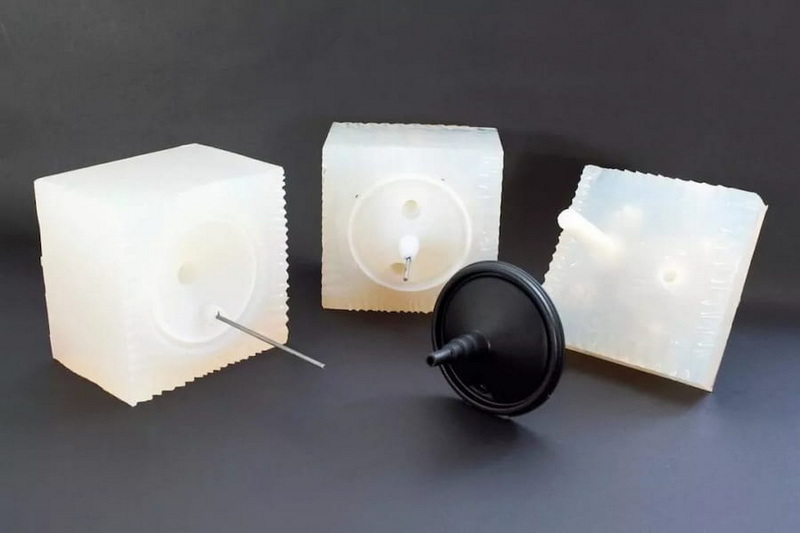
To better appreciate the capabilities of vacuum casting and set realistic expectations, understanding its typical phases helps:
- Master Pattern Creation: Using CNC machining, 3D printing, or handcrafting, a master pattern (or model) is produced representing the exact geometry and detail of the intended parts.
- Silicone Mold Fabrication: The master pattern is encapsulated in liquid silicone that cures into a flexible mold. This mold captures all surface intricacies and can be separated to extract parts easily.
- Resin Mixing and Degassing: Polyurethane or other casting resins are mixed and degassed under vacuum to remove air bubbles for improved quality.
- Casting: The resin is vacuum-poured into the mold, filling every cavity uniformly.
- Curing: Cast parts are allowed to solidify, either at room temperature or with mild heating, depending on the material.
- Demolding and Finishing: Parts are carefully extracted, trimmed, sanded, painted, or otherwise finished to meet final product standards.
This process enables production of high-quality functional prototypes and limited-quantity parts much faster and cheaper than traditional tooling methods.
Vacuum casting serves a variety of sectors and product types, due to its flexibility and quality standards:
- Automotive: Interior components, sensor housings, and functional parts for testing and low-volume runs.
- Electronics: Housings, connectors, and display bezels with precise details.
- Medical Devices: Functional prototypes and small series requiring biocompatible materials.
- Consumer Products: Customized gadgets, accessories, and model parts.
- Industrial Equipment: Replacement components and small batch production parts.
Its ability to replicate complex geometries also makes vacuum casting invaluable for market trials and concept validation.
Vacuum casting stands out for balancing cost, speed, and functional performance, but it's important to understand how it compares to alternative manufacturing processes:
| Method | Advantages | Limitations | Typical Use Cases |
| Vacuum Casting | Produces parts with excellent surface finish and mechanical properties; cost-effective for 1–200 units | Limited mold lifespan; not suited for mass production | Functional prototypes, small mixed batches |
| Injection Molding | Ideal for high volumes, consistent parts, and durability | High upfront tooling cost and longer lead times | Large-scale production of finished products |
| 3D Printing | Fast iteration, complex geometries, no tooling | Surface finish and strength vary; limited materials | Concept models, design verification, intricate parts |
| CNC Machining | Precise tolerances, strong parts; works with metal | Expensive for complex shapes or low volumes | Functional prototypes, metal components |
Choosing the right technology depends on your volume, material requirements, budget, and timeline.
Success depends on clear communication and planning. Here are best practices:
- Provide complete CAD files with tolerance and surface finish notes.
- Share detailed product requirements and intended use cases.
- Request prototype samples early to evaluate parts physically.
- Discuss finishing and packaging needs upfront to avoid surprises.
- Allocate time for revisions based on feedback to optimize parts.
- Ask about after-sales support and warranty policies.
Maintaining part quality requires vigilance at each step:
- Use precision measurement tools to verify dimensions.
- Perform mechanical tests such as tensile, impact, or flexibility testing depending on application.
- Inspect parts visually for surface defects, discoloration, or air bubbles.
- Monitor mold condition regularly to replace before quality declines.
Selecting a vacuum casting service dedicated to stringent quality protocols reduces risk and saves cost in the long run.
Choosing the right vacuum casting service involves assessing multiple factors including experience, materials, mold quality, production capacity, quality control, and OEM capabilities. Vacuum casting offers an excellent balance of speed, precision, and cost for prototypes and small-to-medium batch production. It remains a preferred solution for brands, wholesalers, and manufacturers seeking efficient, high-quality parts without the high investment of traditional injection molding. By carefully evaluating potential partners and clearly communicating your product requirements, you can leverage vacuum casting effectively to bring your designs from concept to reality.
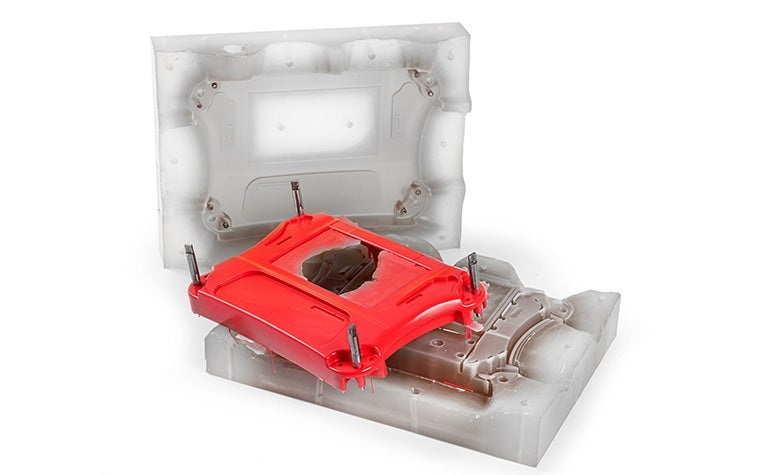
Vacuum casting primarily uses polyurethane resins, including flexible, rigid, transparent, and heat-resistant types. These materials simulate production plastics like ABS, nylon, polypropylene, and silicone to match various functional requirements.
The typical lead time ranges from 1 to 3 weeks depending on the part complexity, mold making requirements, and curing time. Small batches can be produced quickly once the mold is approved.
Vacuum casting is best suited for prototypes and small to medium-sized batches (up to several hundred units). For mass production with high volumes, injection molding is more cost-efficient.
Yes, silicone molds reproduce detailed surface textures and fine features with high fidelity, offering parts comparable in appearance and finish to injection molded items.
Choose a vacuum casting provider with strict quality control protocols, including dimensional inspection, mechanical testing, and visual checks before shipment to ensure consistent, high-quality parts.

