
Views: 222 Author: Amanda Publish Time: 2025-07-18 Origin: Site


Content Menu
>> Key Characteristics of Rapid Prototyping
● The Role of Rapid Prototyping in Consumer Electronics
>> Accelerating Product Development
>> Enhancing Design Flexibility
● Core Rapid Prototyping Technologies in Consumer Electronics
>> 3D Printing
>> 3D Scanning and Reverse Engineering
● The Rapid Prototyping Process in Consumer Electronics
>> Step 1: Concept Development
>> Step 2: Prototype Fabrication
>> Step 3: Testing and Evaluation
>> Step 4: Iteration and Refinement
>> Step 5: Finalization and Pre-Production
● Benefits of Rapid Prototyping for Consumer Electronics
>> Cost Savings
● Real-World Applications in Consumer Electronics
>> IoT Devices
● Visualizing the Rapid Prototyping Journey
● Integrating Rapid Prototyping into the OEM Supply Chain
● Future Trends in Rapid Prototyping for Consumer Electronics
>> Digital Twins and Virtual Prototyping
● FAQ
>> 1. What is rapid prototyping and why is it important in consumer electronics?
>> 2. How does rapid prototyping reduce costs in product development?
>> 3. Can rapid prototyping be used for mass production?
>> 4. What are the main technologies used in rapid prototyping for consumer electronics?
>> 5. How does rapid prototyping support innovation?
In the fast-paced world of consumer electronics, innovation is the lifeblood that keeps brands ahead of the competition. The ability to quickly transform ideas into tangible products is essential for success. Rapid prototyping has emerged as a revolutionary approach, empowering companies to accelerate product development, reduce risks, and foster creativity. This article delves deep into how rapid prototyping supports innovation in consumer electronics, exploring its methodologies, benefits, practical applications, and future trends.
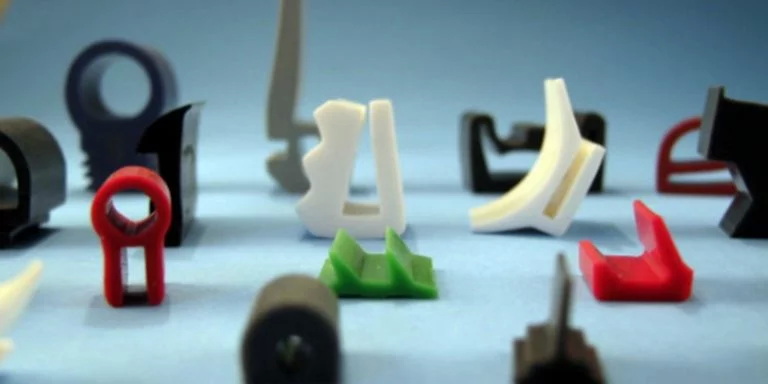
Rapid prototyping refers to a group of techniques used to quickly fabricate a physical model of a part or assembly using three-dimensional computer-aided design (CAD) data. These prototypes are typically produced using additive manufacturing technologies such as 3D printing, CNC machining, and other advanced fabrication methods.
- Speed: Prototypes can be produced in a matter of hours or days.
- Flexibility: Designs can be easily modified and re-tested.
- Cost-Effectiveness: Eliminates the need for expensive tooling during early development stages.
- Iterative Process: Allows for multiple design iterations before final production.
Rapid prototyping enables engineers and designers to quickly turn concepts into physical models. This speed is crucial in the consumer electronics industry, where time-to-market can determine a product's success or failure. Companies can evaluate form, fit, and function early, making necessary adjustments before committing to mass production.
Consumer electronics are characterized by rapidly changing trends and user preferences. Rapid prototyping supports innovation by allowing designers to experiment with complex geometries, ergonomic features, and integrated components that would be difficult or costly to produce using traditional manufacturing methods.
By creating working prototypes, teams can identify and resolve design flaws, usability issues, and technical challenges early in the development cycle. This reduces the risk of costly errors and ensures that the final product meets both functional and aesthetic requirements.
Physical prototypes serve as effective communication tools among multidisciplinary teams, including engineers, designers, marketers, and stakeholders. They provide a tangible reference point for discussions, feedback, and decision-making, leading to more cohesive and innovative product development.
3D printing, or additive manufacturing, builds prototypes layer by layer from digital models. It is ideal for creating complex shapes, customized parts, and quick iterations. The versatility of materials used in 3D printing—from plastics to metals—allows for prototypes that closely mimic final product properties, facilitating more accurate testing and evaluation.
CNC (Computer Numerical Control) machining is used for high-precision prototypes, especially when the prototype needs to mimic the material properties of the final product. CNC machining is particularly valuable for producing prototypes that require tight tolerances, smooth finishes, or functional mechanical parts.
Sheet metal prototyping is essential for creating enclosures, brackets, and structural components in consumer electronics. This method allows for testing of durability and assembly processes, which are critical for products like laptops, smartphones, and home appliances.
While traditionally used for mass production, rapid injection molding can produce small batches of prototype parts using production-grade materials, enabling realistic testing. This technique helps validate design features such as snap fits, hinges, and surface finishes before committing to expensive tooling.
3D scanning allows for rapid digitization of physical objects, which can then be modified or improved using CAD software and re-prototyped. This is especially useful for redesigning existing products or integrating new features into legacy designs.
The process begins with brainstorming and sketching ideas, followed by the creation of initial CAD models. This stage is critical for defining the product's core functions, aesthetics, and user experience.
Choosing the appropriate rapid prototyping technology depends on the prototype's purpose—whether it is for visual evaluation, functional testing, or assembly verification. The first physical prototype is produced to bring the concept to life.
Prototypes undergo rigorous assessment for form, fit, and function. User and stakeholder feedback sessions are conducted to gather insights on usability, ergonomics, and design appeal.
Based on feedback, the design is modified and updated prototypes are produced. This iterative cycle continues until the product meets all requirements and expectations.
The final design is validated, and preparations for mass production begin. This may involve creating tooling, optimizing manufacturing processes, and ensuring quality control measures are in place.

Rapid prototyping drastically reduces the time required to move from concept to production, allowing companies to launch products faster and respond quickly to market demands. This agility is a competitive advantage in an industry where consumer preferences evolve rapidly.
By identifying design issues early and reducing the need for expensive tooling changes, rapid prototyping saves significant costs during the development phase. It also minimizes material waste and reduces the likelihood of post-production recalls.
Multiple iterations and thorough testing ensure that the final product is both functional and user-friendly, leading to higher customer satisfaction. Prototypes help validate not only mechanical aspects but also user interfaces and overall experience.
Rapid prototyping enables the creation of personalized or limited-edition products, catering to niche markets and enhancing brand differentiation. This flexibility supports trends such as modular electronics and bespoke accessories.
The flexibility and speed of rapid prototyping encourage experimentation and creative problem-solving, leading to breakthrough products and features. It lowers the barrier to trying unconventional ideas, fostering a culture of innovation.
Rapid prototyping is widely used to test new designs for smartphones, smartwatches, and fitness trackers. Prototypes help evaluate ergonomics, screen placement, button accessibility, and internal component layouts, ensuring devices are both functional and comfortable.
Headphones, earbuds, and speakers undergo rapid prototyping to optimize sound quality, comfort, and aesthetic appeal. Prototypes allow engineers to test acoustic properties and physical design simultaneously.
Smart home devices such as thermostats, cameras, and sensors benefit from rapid prototyping to ensure seamless integration, user-friendly interfaces, and reliable performance in diverse environments.
Controllers, VR headsets, and gaming accessories are prototyped to refine their functionality, durability, and user experience. Rapid prototyping supports ergonomic studies and the integration of new technologies like haptic feedback.
Internet of Things (IoT) products require rapid prototyping to validate connectivity, enclosure design, and sensor placement. Prototypes help ensure devices are compact, efficient, and easy to install.
The journey from concept to product involves close collaboration between designers, engineers, and manufacturers. Rapid prototyping serves as a bridge, transforming abstract ideas into tangible models that can be tested, refined, and perfected. This hands-on approach accelerates innovation cycles and aligns teams around a shared vision.
For OEMs (Original Equipment Manufacturers), rapid prototyping is a vital component of a responsive and agile supply chain. It enables:
- Quick adaptation to customer feedback and changing requirements.
- Faster response to market trends and competitor innovations.
- Efficient communication with overseas partners, facilitating smoother collaboration.
- Streamlined transition from prototype to mass production, reducing lead times and costs.
By embedding rapid prototyping into the supply chain, OEMs can deliver higher-quality products with greater speed and flexibility.
The development of new materials, including flexible electronics, conductive polymers, and bio-compatible substances, is expanding the possibilities for rapid prototyping. These materials allow prototypes to better simulate final product behavior, especially in wearable and health-monitoring devices.
Integration of artificial intelligence and automation is making the prototyping process faster and more accurate. AI-driven design optimization tools can predict potential issues and suggest improvements, while automated fabrication systems reduce human error.
Digital twins—virtual replicas of physical products—allow for extensive simulation and testing without the need for multiple physical prototypes. This approach reduces costs and accelerates development, especially for complex electronics with many integrated systems.
Eco-friendly materials and energy-efficient processes are becoming standard in rapid prototyping. Sustainable prototyping supports corporate social responsibility goals and reduces the environmental impact of product development.
Combining additive and subtractive manufacturing techniques is becoming more common. For example, a prototype might be 3D printed for complex geometry and then CNC machined for precision features. This hybrid approach enhances prototype quality and functionality.
Rapid prototyping has transformed the consumer electronics industry by enabling faster, more flexible, and innovative product development. Its impact spans from shortening time-to-market and reducing costs to fostering creativity and enhancing product quality. By leveraging advanced technologies such as 3D printing, CNC machining, and digital simulation, companies can iterate designs rapidly, validate concepts thoroughly, and deliver superior products that meet evolving consumer demands. As technology continues to evolve, rapid prototyping will remain at the heart of innovation, driving the next generation of consumer electronics and empowering brands to stay competitive in a dynamic market.

Rapid prototyping is a process that quickly creates physical models from digital designs. It is important in consumer electronics because it accelerates product development, allows for multiple design iterations, and reduces risks associated with new product launches.
By enabling early detection of design flaws and eliminating the need for expensive tooling changes, rapid prototyping minimizes costly mistakes and material waste, resulting in significant cost savings during development.
While rapid prototyping is primarily used for development and testing, certain technologies like rapid injection molding can produce small batches suitable for pilot runs or limited-edition products.
The main technologies include 3D printing, CNC machining, sheet metal fabrication, injection molding, and 3D scanning. Each serves different purposes depending on the prototype's requirements.
Rapid prototyping encourages experimentation, facilitates collaboration, and allows companies to quickly test new ideas. This leads to more creative solutions and faster introduction of innovative products to the market.

