
Views: 222 Author: Amanda Publish Time: 2025-12-16 Origin: Site


Content Menu
● Why Cost Control Matters in Electronics Development
● What Is Rapid Prototyping in Electronics?
● How Rapid Prototyping Avoids Expensive Tooling Changes
● Reducing PCB Re‑Spins with Rapid Prototyping
● Saving Money by Shortening Time‑to‑Market
● Lowering Risk of Field Failures and Recalls
● Optimizing BOM and Process Costs with Prototypes
● Using Rapid Prototyping for Thermal and EMC Optimization
● Why Outsourcing Rapid Prototyping Saves Capital
● How Shangchen Supports Cost‑Effective Rapid Prototyping
● Where Rapid Prototyping Fits in the NPI Flow
● Using Rapid Prototyping for User‑Centered Design
● Best Practices to Maximize Savings with Rapid Prototyping
● When to Move from Rapid Prototyping to Production
● FAQs
>> 1. How does rapid prototyping reduce development cost in electronics?
>> 2. Is rapid prototyping suitable for complex electronic products?
>> 3. What processes are most common for rapid prototyping in electronics?
>> 4. When should a project move from rapid prototyping to tooling?
>> 5. How to choose a rapid prototyping partner for electronics projects?
Rapid prototyping has become a strategic tool for electronics OEMs, brands and startups that need to develop new products quickly while controlling costs. By turning digital designs into physical parts in days rather than weeks or months, rapid prototyping compresses development cycles and reduces the number of costly surprises that usually appear late in the project.
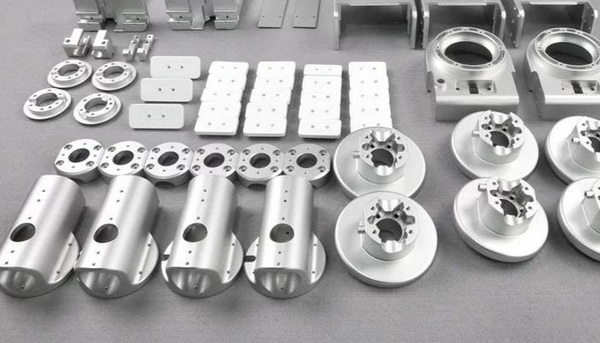
Electronics development is capital‑intensive: PCB layout, enclosure design, tooling, certification and mass production all require significant upfront investment long before revenue appears. Any late change to a PCB, mechanical structure or assembly process can trigger new tooling, new validation tests and delayed launches, which dramatically increase total project cost.
To stay competitive, electronics brands need a development flow that validates concepts, user experience, thermal behavior, EMC performance and manufacturability as early as possible. Rapid prototyping is specifically designed to do this at low cost, using fast iterations instead of committing too early to expensive production tooling.
In electronics, rapid prototyping means creating physical versions of your design quickly using flexible processes like CNC machining, sheet metal fabrication, vacuum casting, 3D printing and soft tooling, without waiting for full production molds or full NPI builds. These rapid prototyping methods allow electronics teams to test mechanical parts, PCBs, connectors, thermal solutions and user interfaces in days or weeks instead of months.
Rapid prototyping covers the entire hardware stack: PCB prototypes for electrical validation, machined or 3D printed housings for mechanical testing, and integrated assemblies for functional system verification. When used correctly, rapid prototyping shortens the loop between design, feedback and redesign, which is the main source of cost savings in electronics projects.
One of the biggest cost drivers in electronics is tooling: injection molds, die‑casting tools, stamping dies and complex jigs can be extremely expensive to build and modify. If design issues are discovered after these tools are completed, the project faces re‑machining, new tools or patching solutions that increase unit cost and delay mass production.
Rapid prototyping avoids this trap by using temporary, low‑cost processes to validate the design before freezing it for tooling. For example, housings can be CNC machined or 3D printed and then assembled with prototype PCBs to check fit, strength, ergonomics and assembly clearances long before any steel mold is cut. This approach gives engineering teams freedom to explore improvements without gambling on expensive tools.
PCB re‑spins are another major hidden cost because they consume engineering time, delay NPI and often require new prototypes and validation tests. Each PCB re‑spin can ripple through the schedule, affecting software development, enclosure integration and regulatory testing, which multiplies the cost impact.
Integrating rapid prototyping with good DFM (Design for Manufacturability) and NPI practices helps electronics teams catch layout, clearance and assembly issues before committing to large prototype or pilot runs. Producing small batches of rapid prototyping PCBs and mechanical parts enables realistic testing, reducing the chances of late, expensive re‑spins and ultimately lowering overall development cost.
Time‑to‑market has a direct financial impact: each month of delay can mean lost sales, lost market share and a shorter revenue window before the next product generation. Rapid prototyping accelerates each development stage—concept, engineering validation, design validation and production validation—so that electronics brands can start selling sooner.
Faster iterations mean decisions are based on real hardware instead of only simulations or CAD, which reduces debate and uncertainty inside product teams. In competitive consumer electronics markets, shaving weeks off the schedule with rapid prototyping often generates more financial benefit than marginal savings in component cost, because early presence in the market amplifies total revenue.
Field failures, warranty claims and recalls destroy profit margins because they combine direct repair or replacement costs with brand damage and lost customer trust. Rapid prototyping allows more realistic reliability tests—drop tests, thermal cycling, connector stress, button life tests and ingress protection checks—before volume production, helping to avoid such failures.
By testing multiple rapid prototyping iterations under different environmental and user conditions, electronics engineers can identify weak points in enclosures, mounting features, seals and cable routing. Fixing these issues at the prototype stage is far cheaper than repairing thousands of units in the field, and it reduces the risk of legal exposure or regulatory scrutiny.
Another source of savings in electronics development comes from optimizing the bill of materials (BOM) and assembly processes. Rapid prototyping lets teams try alternative materials, fasteners, PCB stackups, heat sinks and connector options and then choose the best combination of performance and cost before locking the design.
Instead of guessing which components will assemble smoothly on the line, engineers can build rapid prototyping assemblies and run pilot builds to see which choices minimize labor, scrap and rework. This structured testing leads to lower long‑term unit costs and more predictable manufacturing yields, especially when complex multi‑board assemblies or tight mechanical envelopes are involved.
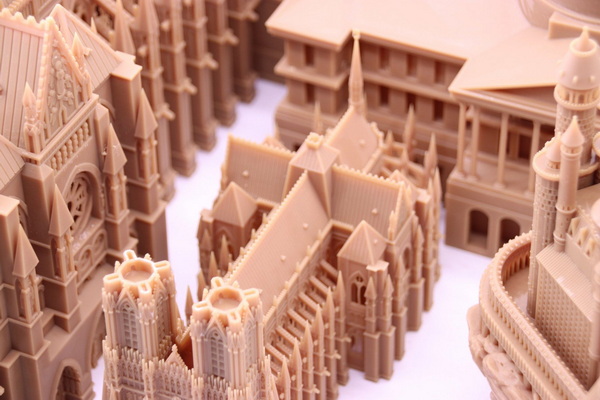
Electronics products often fail early tests because of inadequate thermal design or EMC (electromagnetic compatibility) problems. Rapid prototyping makes it possible to try different heat‑sink geometries, ventilation patterns, shield cans and grounding schemes quickly without committing to final tooling.
By building rapid prototyping units specifically for thermal and EMC experiments, teams can instrument the design with sensors, evaluate different layouts and converging toward a robust solution. This proactive approach cuts the risk of failing formal certification, which otherwise would require last‑minute redesigns and additional testing rounds that significantly increase cost.
Running a full internal prototype workshop with CNC machines, 3D printers, vacuum casting and inspection equipment requires large capital investments and dedicated staff. Outsourcing rapid prototyping to a specialist factory lets electronics brands access advanced capabilities without buying equipment or building an internal team, which frees capital for core R&D and marketing.
Professional rapid prototyping partners already have multi‑axis CNC machines, sheet metal lines, vacuum casting, 3D printing and metrology systems, along with experience in electronics applications. This combination provides higher quality prototypes and greater process reliability than ad‑hoc internal experiments, often at a lower total cost because the supplier spreads equipment and labor across many projects.
Shangchen (sc‑rapidmanufacturing.com) is a China‑based factory dedicated to rapid prototyping and CNC machining for applications including electronics and appliances, medical devices, automotive parts and industrial equipment. Its services cover CNC machining, CNC lathe turning, sheet metal fabrication, vacuum casting, 3D printing and injection molding, giving electronics customers a one‑stop solution from prototype to low‑volume production.
For electronics OEMs, this means mechanical enclosures, brackets, heat sinks, structural parts and plastic housings can be produced using rapid prototyping methods, then smoothly transitioned into scalable production when the design is frozen. Shangchen's engineering team can advise on material selection, tolerance strategies, and surface finishing so that each rapid prototyping run generates realistic data for production decisions.
In a typical electronics New Product Introduction (NPI) process, rapid prototyping plays a central role in the early and middle stages of development. During concept and engineering validation, rapid prototyping enables quick checks of form, fit and function; during design validation, it supports pilot builds that mimic real assembly processes and identify manufacturing risks before ramp‑up.
Linking NPI with rapid prototyping and strong DFM practices minimizes surprises during mass‑production launch, so the first production batches already run close to target yield and cycle time. This integration reduces the number of iterations required to reach stable mass production, which lowers development cost and compresses the overall schedule from concept to shipment.
Electronics products often succeed or fail based on user experience: button layout, display readability, grip, weight and overall feel. Rapid prototyping lets design teams present realistic mock‑ups to users, gather feedback, then refine the design without expensive tooling changes or long delays.
Through multiple rapid prototyping cycles, user feedback can guide changes in enclosure geometry, surface finishes, tactile feel and interface positioning, leading to higher acceptance and fewer redesigns after launch. In markets like consumer gadgets and wearable devices, this user‑centric rapid prototyping workflow can significantly increase the commercial success of a product and reduce marketing risk.
To obtain the greatest cost savings from rapid prototyping in electronics, teams should define clear goals for each prototype build instead of treating every iteration as a full product. One build can focus on mechanical fit and assembly, another on thermal management, and another on EMC performance; this targeted approach uses rapid prototyping resources efficiently and avoids over‑engineering early versions.
It is also valuable to work closely with a rapid prototyping partner to select appropriate materials and processes that simulate production as closely as necessary without overspending. For example, using aluminum machining for early heat sink prototypes and then switching to cast or extruded solutions when the design stabilizes can balance realism and cost, while still leveraging the flexibility of rapid prototyping.
A common question is when to stop iterating and commit to production tooling. The answer depends on whether the design has achieved stable performance, user satisfaction and manufacturability outcomes as demonstrated by several consistent rapid prototyping builds.
Once the core risks are controlled, moving from rapid prototyping to formal NPI builds and production tooling reduces per‑unit cost and leverages the learning already accumulated. Working with a supplier that offers both rapid prototyping and production services simplifies this transition because process knowledge, fixtures and quality data can be reused directly, further reducing cost and lead time.
Rapid prototyping saves money in electronics development by avoiding late tooling changes, reducing PCB re‑spins, optimizing BOM and process costs and shortening time‑to‑market. When electronics brands and OEMs integrate rapid prototyping with strong DFM and NPI practices, they also lower the risk of field failures, warranty costs and recalls while improving product quality and user experience.
By outsourcing rapid prototyping to experienced partners with CNC machining, sheet metal fabrication, vacuum casting, 3D printing and molding capabilities, companies avoid heavy capital expenditures and gain access to professional engineering support. For global electronics projects, this combination of rapid prototyping and integrated manufacturing is one of the most powerful ways to reduce total development cost and accelerate profitable growth.
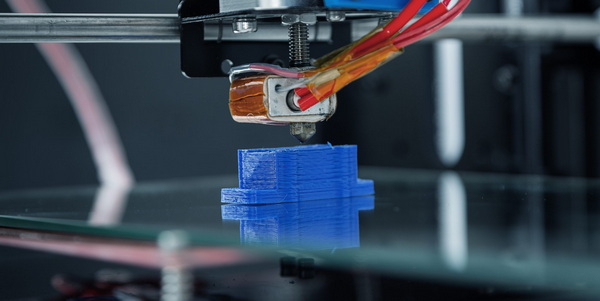
Rapid prototyping reduces development cost by catching design flaws early, before expensive tooling and large PCB batches are ordered. It also allows teams to optimize materials and assembly methods through fast iterations, which lowers scrap, rework and long‑term unit costs.
Yes, rapid prototyping is widely used for complex products such as IoT devices, medical equipment, automotive controllers and industrial systems. By combining rapid PCB builds with machined or 3D printed mechanical parts, teams can evaluate system integration issues thoroughly before mass production.
Common processes include CNC machining for metal and plastic parts, sheet metal fabrication for enclosures and brackets, vacuum casting for small plastic series, 3D printing for fast concept models and soft tooling for bridge production. These rapid prototyping methods can be combined with PCB fabrication and assembly to create fully functional prototypes for comprehensive testing.
A project should move from rapid prototyping to tooling when the design has passed key tests for function, reliability, user experience and manufacturability with consistent results. At that point, additional rapid prototyping iterations bring diminishing returns compared with the benefits of lower per‑unit cost and faster ramp‑up in production.
A good partner for rapid prototyping in electronics should offer CNC machining, sheet metal fabrication, 3D printing, vacuum casting and molding, plus strong quality control and experience in electronics applications. It is also important that the partner can support both rapid prototyping and production so knowledge and fixtures can be reused as the project scales from prototype to mass manufacturing.

