
Views: 222 Author: Amanda Publish Time: 2025-07-24 Origin: Site


Content Menu
● The Rapid Prototyping Process
● Why Rapid Prototyping is a Game-Changer
>> Accelerates Product Development Cycles
>> Cost Reduction Through Early Error Detection
>> Supports Iterative Design Improvement
>> Improves Cross-Functional Collaboration
>> Enables Customization and Personalization
>> Versatility Across Materials and Technologies
● Types of Rapid Prototyping Techniques
>> 3D Printing (Additive Manufacturing)
>> Injection Molding with Rapid Tooling
● Phases of Rapid Prototyping in Product Development
>> Proof-of-Concept Prototypes
>> Appearance Models (Looks-Like Prototypes)
>> Functional Prototypes (Works-Like Prototypes)
● Benefits of Rapid Prototyping for OEM Businesses
● Rapid Prototyping Applications Across Industries
● Real-World Success Stories Showcasing Rapid Prototyping
● Maximizing Value with Rapid Prototyping
>> 1. What is the difference between rapid prototyping and traditional prototyping?
>> 2. Which industries benefit most from rapid prototyping?
>> 3. Can rapid prototyping create end-use parts or only models?
>> 4. How many iterations are typical in a rapid prototyping cycle?
>> 5. How does rapid prototyping reduce project risk?
Every innovative product begins as an idea—perhaps just a sketch on a notepad or a vision in an engineer's mind. But between idea and reality lies a journey filled with challenges, iterations, and decisions. In today's fast-paced and highly competitive global markets, speed and accuracy are everything. Rapid prototyping has become the transformative bridge connecting innovative ideas and successful products, enabling companies worldwide to develop, test, and launch their visions faster and more cost-effectively than ever before.
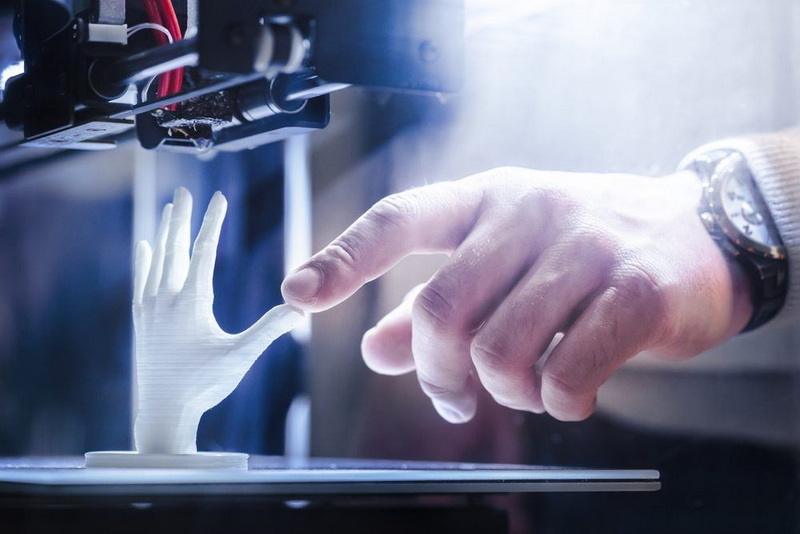
Rapid prototyping refers to a collection of advanced manufacturing techniques that swiftly convert digital models or concepts into tangible, physical parts. Leveraging technologies such as 3D printing, CNC machining, sheet metal fabrication, and injection molding, rapid prototyping empowers designers and engineers to validate their products' design, functionality, and manufacturability at every stage of development.
These processes dramatically shorten the cycle from concept to prototype, allowing teams to visualize, test, and refine product designs rapidly. Rather than waiting weeks or months for expensive tooling or traditional manufacturing setups, rapid prototyping enables companies to produce functional models or appearance samples within days.
The rapid prototyping journey begins with digital design and ends with a physical representation of that design. The key phases include:
1. Design Creation
Engineers and designers use advanced CAD (Computer-Aided Design) software to develop detailed 3D models. This digital blueprint serves as the foundation for the prototype.
2. Data Preparation
The 3D models are converted into manufacturing-friendly file formats compatible with various machines. These files dictate the exact movements and layering strategies of fabrication tools.
3. Machine Setup and Material Selection
Depending on the selected rapid prototyping technique, machines are precisely calibrated. The choice of material—whether plastic, metal, resin, or composite—depends on prototype function, durability needs, and testing goals.
4. Prototype Fabrication
Technologies such as 3D printing build the item layer by layer, while CNC machining removes material from a solid block. Sheet metal fabrication shapes metal panels, and injection molding uses rapid tooling to create small batches.
5. Post-Processing
After fabrication, prototypes often require finishing steps such as cleaning, surface smoothing, painting, or assembly. This enhances appearance and ensures accurate functionality.
Each step is designed to be as efficient as possible, significantly shortening product development timelines and enabling multiple iterations in rapid succession.
Rapid prototyping accelerates the path from idea to tangible product. By quickly producing working prototypes, teams can test and validate concepts early, reduce guesswork, and move faster toward final designs. This speed advantage allows brands to beat competitors and seize market opportunities before others.
Traditional product development often reveals design flaws late in the process, leading to expensive rework. With rapid prototyping, these issues surface early when they are easier and cheaper to fix. This proactive approach minimizes costly mistakes in tooling and manufacturing.
Innovation thrives on iteration. Rapid prototyping provides the flexibility to explore various design options by making multiple versions quickly. Teams can gather valuable user and stakeholder feedback after each prototype, refining the product toward perfection through successive iterations.
A physical prototype speaks louder than technical drawings. By enabling tangible interaction with the product concept, rapid prototyping bridges gaps between designers, engineers, marketers, and customers. This fosters clearer communication, quicker decision-making, and better alignment across all teams.
Modern consumers demand products tailored to their preferences. Rapid prototyping empowers manufacturers to create personalized solutions—from custom-fit medical devices to bespoke consumer products—without long lead times or large upfront investments.
Rapid prototyping is not limited to plastics or simple shapes. Today's advanced techniques support a wide range of materials, including metals and composites, offering prototypes that can withstand functional testing or simulate ultimate production quality.

3D printing is the cornerstone of rapid prototyping. It builds objects layer by layer directly from CAD files. This method allows the creation of highly complex geometries that traditional manufacturing methods cannot easily produce. Materials range from standard plastics and resins to high-strength metals suited for rigorous testing.
CNC (Computer Numerical Control) machining is a subtractive process that carves precise parts out of solid blocks with high accuracy. It's especially valuable for producing functional prototypes requiring exact tolerances, strength, and surface finishes closely matching the final product.
Sheet metal processing techniques such as laser cutting, bending, and punching enable creation of durable metal enclosures and structural components. Rapid sheet metal prototyping helps validate fit, form, and function for various industrial applications rapidly.
Injection molding is widely used for plastic mass production. By employing rapid tooling methods—like aluminum or silicone molds—manufacturers can produce small prototype batches for functional and user testing without needing costly steel molds.
Vacuum casting uses silicone molds to replicate master patterns, producing high-quality parts with excellent surface finish and material properties. This technique bridges the gap between prototype and production, allowing limited runs of functional components.
These initial models demonstrate the feasibility of the core idea. Focused on function rather than finish, proof-of-concept prototypes test fundamental principles, mechanisms, or designs.
Appearance models replicate the physical form and feel of the product without functionality. They're essential for marketing, ergonomic reviews, and design approval from stakeholders.
Works-like prototypes focus on operational aspects, allowing engineers to test mechanisms, fit, and performance. These prototypes help uncover design weaknesses affecting usability or durability.
Engineering prototypes closely resemble the final product, integrating manufacturing methods and materials planned for mass production. They undergo rigorous testing to validate all aspects: form, fit, function, and manufacturability.
For OEM manufacturers and global brand partners, rapid prototyping streamlines contract manufacturing by providing:
- Short lead times that align with aggressive product launch schedules.
- Cost efficiency in developing molds, dies, and tooling through early validation.
- Design confidence before entering the expensive mass production phase.
- Flexibility to accommodate last-minute changes aligned with market feedback.
- Ability to prototype complex parts like precision machined components or sheet metal enclosures.
- Integration of multiple manufacturing processes, including 3D printing, CNC turning, and metal fabrication, within a streamlined workflow.
Manufacturers worldwide rely on rapid prototyping for innovation:
- Automotive Industry: Rapid prototyping underpins concept car development, aerodynamic testing, and ergonomic evaluations, while enabling fast turnaround on custom components.
- Aerospace and Defense: Lightweight, precisely engineered components benefit from rapid prototyping for form and functional verification before costly production.
- Medical Sector: Patient-specific implants, surgical guides, and dental components are customized with rapid prototyping, improving patient outcomes.
- Consumer Electronics: Manufacturers leverage fast prototyping to develop sleek housings, assembly fixtures, and functioning models for product launches.
- Industrial Equipment: Durable metal prototypes produced through CNC machining and sheet metal fabrication validate mechanical design under real-world stress.
- Architecture and Design: Physical building models allow visualization for clients with photorealistic prototypes produced through additive manufacturing.
One notable automotive supplier used rapid prototyping to cut validation time on new engine components from several months to weeks, significantly improving time to market and lowering development costs.
In the medical sector, hospitals and manufacturers have successfully leveraged 3D printed anatomical models to plan complex surgeries, reducing operation time and improving precision.
Startups in the consumer product space often depend heavily on rapid prototyping to present tangible designs to investors and customers early, gather feedback, and optimize for both usability and aesthetics—ensuring successful crowdfunding or market entry.
Such success stories underscore how rapid prototyping not only speeds up innovation but also mitigates risk and unlocks opportunities previously unavailable.
To fully capitalize on rapid prototyping, consider:
- Partnering with experienced providers who combine multiple manufacturing disciplines including CNC turning, precision machining, sheet metal fabrication, 3D printing, and mold making.
- Leveraging digital technologies—like simulation and data-driven design optimization—alongside physical prototyping.
- Using prototypes not only for testing but as communication tools across design, engineering, marketing, and end users.
- Understanding the strengths and limitations of different rapid prototyping technologies and selecting the right approach for your product's requirements.
- Planning iterative reviews and prototyping cycles with clear objectives for each version to avoid scope creep and ensure meaningful progress.
Rapid prototyping revolutionizes product development by shrinking the time, cost, and risk inherent in turning concepts into market-ready products. Today's cutting-edge technologies enable manufacturers to create high-quality prototypes that embody form, function, and manufacturability, empowering businesses across industries to innovate with speed and precision.
By embracing rapid prototyping as a core part of your product development strategy—whether you are developing a high-precision CNC machined component, a custom metal enclosure, or a sophisticated 3D printed assembly—you gain unmatched agility, better communication, and confidence that your products will meet or exceed expectations.
At the forefront of this innovation is the seamless integration of various rapid prototyping methods, from 3D printing to CNC machining, sheet metal fabrication, and injection molding. This comprehensive approach allows companies like ours to serve international brands with OEM solutions that bring product ideas to life faster and more reliably.
Rapid prototyping is no longer just an optional tool — it is a competitive necessity that drives continuous improvement and breakthrough innovation.
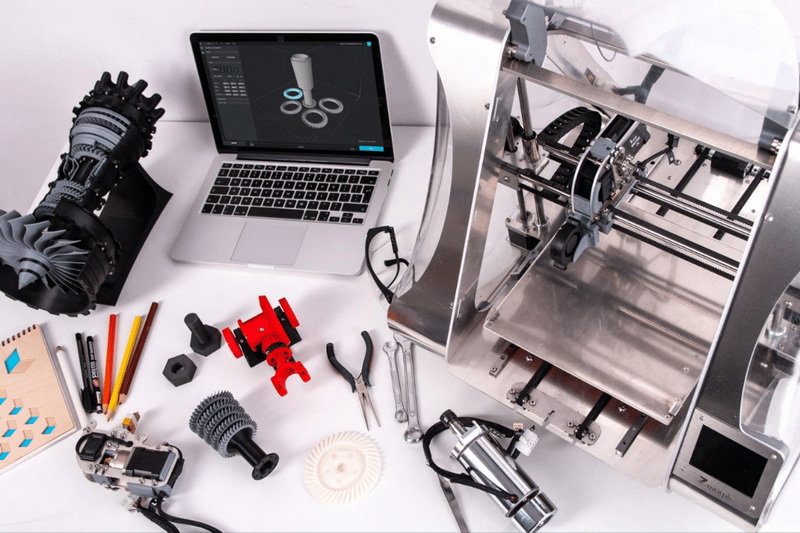
Rapid prototyping uses digital design and modern manufacturing technologies such as 3D printing and CNC machining to create models much faster than traditional hand-crafted or tooling-based methods. Iterations can be completed in days rather than weeks, dramatically reducing lead time and cost.
Almost every modern industry benefits, but the main adopters include automotive, aerospace, medical, consumer electronics, and industrial design. These sectors value speed, flexibility, and the ability to test ideas quickly without incurring major costs.
While rapid prototyping was historically focused on models and visual mock-ups, advancements in materials and technology now allow for the creation of fully functional and even end-use parts—especially with high-performance 3D printing, advanced CNC, and low-volume injection molding.
The iterative nature of rapid prototyping means multiple models are often produced. Typical projects may involve three to ten cycles, but some complicated or innovative projects may require even more to perfect every aspect.
By identifying and correcting design issues early on, rapid prototyping drastically lowers the risk of costly delays or errors in mass production. It also enables earlier and clearer stakeholder feedback, ensuring expectations are met before significant investment.

