
Views: 222 Author: Amanda Publish Time: 2025-07-14 Origin: Site


Content Menu
>> Key Technologies in Rapid Prototyping
● The Role of Rapid Prototyping in Product Development
>> Speeding Up the Concept-to-Market Journey
>> Enhancing Design Validation and Iteration
>> Facilitating Cross-Functional Collaboration
● Benefits of Rapid Prototyping
>> 3. Improved Product Quality
>> 6. Sustainability Advantages
● Rapid Prototyping Process: Step-by-Step
>> Step 1: Conceptualization and CAD Modeling
>> Step 2: Prototype Fabrication
>> Step 3: Testing and Evaluation
>> Step 4: Iteration and Refinement
>> Step 5: Pre-Production and Market Launch
● Applications of Rapid Prototyping Across Industries
>> Automotive
>> Aerospace
● Overcoming Challenges in Rapid Prototyping
>> Surface Finish and Tolerances
>> Intellectual Property Protection
>> Integration with Existing Workflows
● Future Trends in Rapid Prototyping
>> Integration with Digital Manufacturing
>> AI-Driven Design Optimization
>> Multi-Material and Functional Prototyping
● FAQ
>> 1. What is the main advantage of rapid prototyping in product development?
>> 2. Which industries benefit most from rapid prototyping?
>> 3. Can rapid prototyping be used for mass production?
>> 4. How does rapid prototyping improve product quality?
>> 5. What are the limitations of rapid prototyping?
In today's fiercely competitive global market, the speed at which a company can bring a new product to market often determines its success. Rapid prototyping has emerged as a transformative solution, enabling businesses to accelerate product development cycles, reduce costs, and enhance innovation. This article explores how rapid prototyping revolutionizes the product development process, the technologies involved, and the tangible benefits for manufacturers, brands, and OEM partners worldwide.
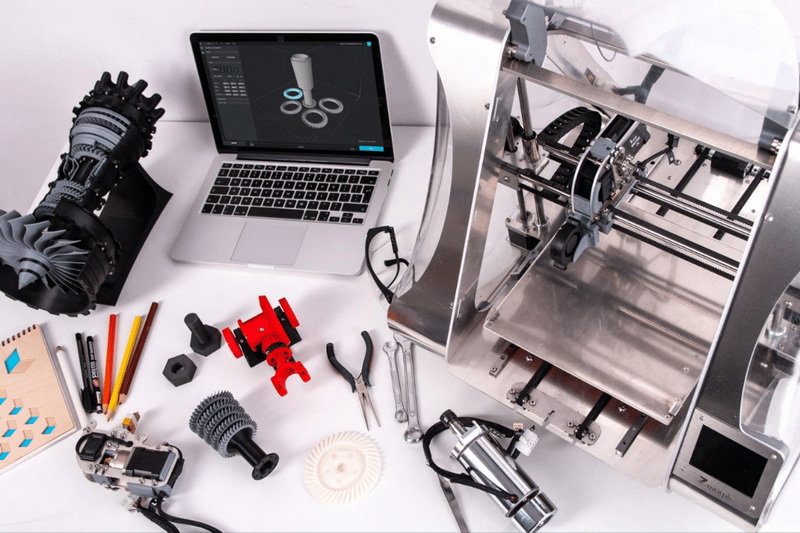
Rapid prototyping is a group of techniques used to quickly fabricate a scale model or functional part using three-dimensional computer-aided design (CAD) data. By leveraging advanced manufacturing technologies such as 3D printing, CNC machining, and sheet metal fabrication, rapid prototyping allows for the swift creation of physical prototypes, enabling teams to validate designs, test functionalities, and iterate at unprecedented speeds.
- 3D Printing (Additive Manufacturing): Builds parts layer by layer from digital files, ideal for complex geometries and quick turnarounds.
- CNC Machining: Subtractive process using computer-controlled tools to produce high-precision prototypes from metal or plastic.
- Sheet Metal Fabrication: Produces enclosures, brackets, and structural components for prototypes and low-volume production.
- Vacuum Casting: Creates small batches of parts using silicone molds, suitable for functional testing and market validation.
Rapid prototyping dramatically shortens the time required to move from concept to final product. Traditional manufacturing often involves lengthy tooling and setup times, whereas rapid prototyping bypasses these steps, allowing for immediate production of prototypes. This speed is crucial for companies aiming to capitalize on market trends or respond swiftly to customer feedback.
With rapid prototyping, design teams can quickly produce and test multiple iterations of a product. This iterative approach ensures that design flaws are identified and corrected early, reducing the risk of costly errors in later stages. Physical prototypes provide tangible feedback on ergonomics, aesthetics, and functionality that digital models alone cannot offer.
Physical prototypes serve as tangible communication tools, bridging the gap between designers, engineers, marketers, and stakeholders. This collaborative environment fosters innovation and ensures that all parties are aligned before mass production begins. Rapid prototyping enables teams to visualize concepts clearly, discuss improvements, and make informed decisions faster.
Launching a new product always involves risk. Rapid prototyping helps mitigate these risks by allowing early detection of design flaws or manufacturing challenges. By testing prototypes under real-world conditions, companies can avoid costly recalls, redesigns, or production delays.
By eliminating the need for traditional tooling and setup, rapid prototyping enables companies to bring products to market faster than ever before. This agility is crucial in industries where trends and consumer demands shift rapidly. Companies can seize first-mover advantages and respond to competitive pressures effectively.
Rapid prototyping reduces development costs by minimizing material waste, lowering labor expenses, and avoiding expensive tooling. Companies can test multiple design options without significant financial risk. Moreover, the ability to detect design issues early prevents costly redesigns during mass production.
Early and frequent testing of prototypes leads to better final products. Rapid prototyping allows for real-world evaluation of form, fit, and function, ensuring that products meet both technical specifications and user expectations. This process enhances reliability, usability, and customer satisfaction.
OEMs and brands can leverage rapid prototyping to offer customized solutions tailored to specific market needs or client requests. This flexibility is particularly valuable in sectors such as automotive, aerospace, and consumer electronics, where bespoke parts or limited editions are in demand.
By removing barriers to experimentation, rapid prototyping encourages creative problem-solving and innovation. Teams can explore unconventional ideas and quickly assess their feasibility, fostering a culture of continuous improvement and breakthrough development.
Rapid prototyping often uses less material and energy compared to traditional manufacturing methods. This reduction in waste and resource consumption contributes to more sustainable product development practices, aligning with increasing environmental regulations and consumer expectations.
The process begins with an idea, which is translated into a detailed CAD model. This digital blueprint serves as the foundation for all subsequent prototyping activities. High-quality CAD models enable precise control over design parameters and facilitate seamless data transfer to manufacturing equipment.
Depending on the project requirements, the appropriate rapid prototyping technology is selected. Parts are fabricated using 3D printing, CNC machining, or other methods. The choice depends on factors such as material, complexity, dimensional accuracy, and intended use of the prototype.
Physical prototypes are subjected to rigorous testing to assess their performance, durability, and usability. Feedback from these tests informs design improvements. Testing can include mechanical stress analysis, thermal performance, user interaction, and aesthetic evaluation.
Design modifications are made based on test results, and new prototypes are produced as needed. This cycle continues until the product meets all criteria. Rapid prototyping enables multiple iterations within a compressed timeframe, accelerating the refinement process.
Once the final prototype is approved, preparations for mass production begin. Rapid prototyping can also support low-volume production runs for market testing or limited releases. This transitional phase ensures that manufacturing processes are optimized for quality and efficiency.
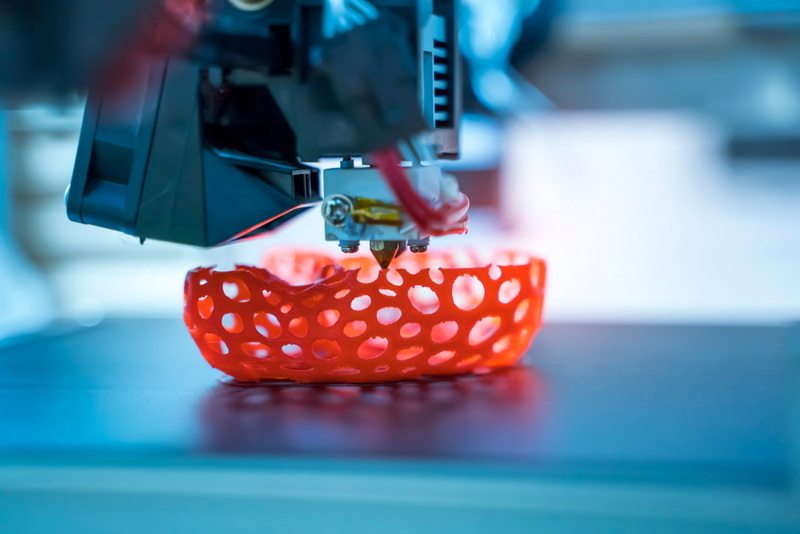
Rapid prototyping enables automotive manufacturers to develop new models, test components, and validate safety features with unprecedented speed. It supports everything from concept cars to functional parts like engine components and interior fittings, helping reduce development cycles and improve vehicle performance.
The aerospace sector benefits from rapid prototyping by reducing development timelines for complex parts and assemblies, improving safety and performance. Lightweight, high-strength components can be prototyped and tested quickly, facilitating innovation in aircraft design and space exploration.
Medical device companies use rapid prototyping to create custom implants, surgical tools, and diagnostic equipment, accelerating regulatory approval and patient care. The ability to produce patient-specific models enhances surgical planning and improves treatment outcomes.
Electronics manufacturers rely on rapid prototyping to test ergonomic designs, optimize user interfaces, and ensure compatibility with other devices. Prototypes help validate form factors, button placements, and internal layouts before committing to mass production.
Rapid prototyping supports the development of specialized machinery, replacement parts, and production tools, enhancing operational efficiency. It allows manufacturers to quickly adapt to changing production requirements and minimize downtime.
In the fashion industry, rapid prototyping facilitates the creation of innovative wearable technology and accessories. Designers can experiment with new materials and forms, accelerating the path from concept to runway or retail.
From household appliances to toys, rapid prototyping helps consumer goods companies test product usability, safety, and aesthetics. This results in products that better meet consumer expectations and regulatory standards.
While rapid prototyping offers a wide range of material options, some advanced applications may require materials not yet compatible with current technologies. For example, certain high-temperature plastics or specialized metal alloys may be difficult to prototype rapidly. However, ongoing research and development continue to expand these possibilities, with new materials being introduced regularly.
Certain rapid prototyping methods may produce parts with rough surfaces or limited dimensional accuracy. For applications requiring high precision or smooth finishes, secondary processes such as polishing, coating, or CNC machining are often employed. Selecting the right prototyping technology based on the required tolerances is essential for success.
Transitioning from prototype to full-scale production can present challenges in terms of cost, quality, and consistency. Prototypes are often made using different processes or materials than final products, which can lead to discrepancies. Partnering with experienced manufacturing providers who understand both prototyping and production ensures a smooth handover and minimizes risks.
Rapid prototyping involves sharing detailed CAD models and designs with external partners, which raises concerns about intellectual property (IP) protection. Implementing robust confidentiality agreements and secure data management practices is critical to safeguarding proprietary information.
Incorporating rapid prototyping into established product development workflows can require organizational changes. Teams need to embrace iterative design, rapid feedback loops, and cross-functional collaboration to fully leverage the benefits of rapid prototyping.
The convergence of rapid prototyping with digital manufacturing platforms is streamlining the entire product lifecycle, from design to delivery. Cloud-based CAD systems, real-time collaboration tools, and automated production scheduling are making the process more efficient and transparent.
Artificial intelligence is being used to optimize designs for manufacturability, performance, and cost, further accelerating the prototyping process. AI algorithms can generate multiple design variants, predict failure points, and recommend improvements, reducing the need for physical iterations.
Eco-friendly materials and energy-efficient processes are making rapid prototyping more sustainable, aligning with global environmental goals. Biodegradable polymers, recycled materials, and low-energy 3D printing technologies are gaining traction.
Advances in multi-material 3D printing allow for prototypes that combine rigid and flexible components, embedded electronics, or varying textures. This capability enables more realistic functional testing and better simulation of final products.
Rapid prototyping is evolving towards on-demand manufacturing, where prototypes and low-volume products are produced quickly in response to immediate market needs. This reduces inventory costs and enables faster customization.
Rapid prototyping has fundamentally transformed the way products are developed, tested, and brought to market. By enabling faster iterations, reducing costs, and fostering innovation, it empowers companies to stay ahead in a dynamic global marketplace. The ability to quickly produce physical models from digital designs accelerates decision-making, improves product quality, and mitigates risks associated with new product launches. As technologies continue to evolve, rapid prototyping will play an even greater role in shaping the future of manufacturing and product development, driving efficiency, creativity, and sustainability.

Rapid prototyping significantly shortens the development cycle, allowing companies to quickly move from concept to market-ready products while minimizing costs and risks.
Industries such as automotive, aerospace, medical devices, consumer electronics, and industrial equipment gain substantial advantages from rapid prototyping due to their need for innovation and quick turnaround.
While primarily used for prototyping and low-volume production, advances in technology are making rapid prototyping increasingly viable for certain mass production applications, especially for customized or complex parts.
By enabling early and frequent testing, rapid prototyping helps identify and resolve design issues before mass production, resulting in higher-quality final products.
Some limitations include material restrictions, surface finish quality, and challenges in scaling up to mass production. However, ongoing technological advancements are continually addressing these issues.

