
Views: 222 Author: Amanda Publish Time: 2026-01-02 Origin: Site


Content Menu
● What Counts as a Rapid Prototyping Machine?
● Cost Ranges of 3D Printing Rapid Prototyping Machines
>> 3D Printing Rapid Prototyping Price Tiers
● Cost Ranges of CNC Rapid Prototyping Equipment
>> Typical CNC Rapid Prototyping Machine Categories
● Machine Cost vs. Prototype Cost in Rapid Prototyping
>> Key Cost Drivers for a Rapid Prototyping Machine
● Buying Machines vs. Outsourcing Rapid Prototyping
>> When to Invest in Your Own Rapid Prototyping Machine
>> When to Outsource Rapid Prototyping to a Partner like Shangchen
● How to Estimate Your Total Rapid Prototyping Budget
>> Practical Rapid Prototyping Cost Planning Steps
● Advanced Considerations When Choosing Rapid Prototyping Machines
>> Software and Workflow Integration for Rapid Prototyping
>> Automation and Lights-Out Rapid Prototyping
>> Quality Control in Rapid Prototyping
● Why Choose Shangchen for Rapid Prototyping and OEM Production
>> Shangchen's Rapid Prototyping Capabilities
>> How Shangchen Optimizes Rapid Prototyping Cost for Global Clients
● FAQs About Rapid Prototyping Machine Costs
>> 1. How much does a basic Rapid Prototyping machine cost?
>> 2. What is the price range for industrial Rapid Prototyping printers?
>> 3. Why are CNC Rapid Prototyping machines so expensive?
>> 4. Is it cheaper to outsource Rapid Prototyping instead of buying machines?
>> 5. How can Shangchen help reduce my Rapid Prototyping cost?
Rapid Prototyping machines range from a few hundred dollars for basic desktop units to several hundred thousand dollars for industrial-grade systems used in production. The right Rapid Prototyping solution depends on your technology choice, build size, precision, material, and whether you buy equipment or outsource parts to a specialist factory like Shangchen.[1][2][3][4]
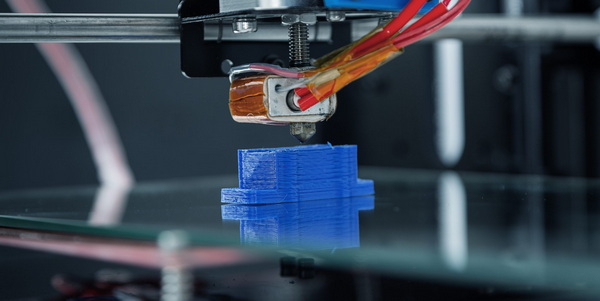
Rapid Prototyping covers several digital manufacturing technologies that convert 3D CAD data into physical parts quickly. Typical Rapid Prototyping equipment includes 3D printers, CNC machining centers, vacuum casting systems, and sometimes hybrid lines combining machining and additive processes.[3][4][5][6]
- 3D printing Rapid Prototyping machines: FDM, SLA, SLS and similar systems used for plastic and resin parts.[2][5][6]
- CNC Rapid Prototyping machines: 3-axis to 5-axis machining centers, turning centers, and mill-turn systems for metals and engineering plastics.[4][7]
- Complementary Rapid Prototyping tools: finishing lines, inspection machines, and small molding equipment used to create functional prototypes and low-volume runs.[7][3]
3D printing is often the entry point into Rapid Prototyping machine investment, and prices vary widely by category. Entry-level Rapid Prototyping printers start in the low hundreds of dollars, while high-end industrial Rapid Prototyping systems can exceed 100,000 dollars.[5][6][1][2]
- Entry-level desktop Rapid Prototyping printers
These hobby or educational 3D printers typically cost around 100–500 dollars and are suitable for basic visual Rapid Prototyping models, not demanding industrial work.[6][1]
- Intermediate and enthusiast Rapid Prototyping printers
More capable desktop systems run from roughly 400 to 4,000 dollars and provide larger build volumes, better materials, and higher accuracy for engineering Rapid Prototyping tasks.[1][2][6]
- Professional Rapid Prototyping printers
Low-end professional machines usually cost between 4,000 and 20,000 dollars and are designed primarily for serious design office Rapid Prototyping and short-run production.[1]
- Industrial Rapid Prototyping printers
Large, industrial 3D printers used in Rapid Prototyping and production often range from about 25,000 up to 500,000 dollars or more, depending on size and technology.[8][2][6]
CNC machines are essential for high-precision Rapid Prototyping in metals and engineering plastics. While prices vary by size and axis count, CNC Rapid Prototyping equipment generally requires higher upfront investment than most desktop 3D printers but can deliver production-grade parts and excellent repeatability.[7][9][4]
- 3-axis machining centers for Rapid Prototyping
Suitable for many prismatic parts, these machines are widely used in Rapid Prototyping and are relatively affordable compared with multi-axis systems, though still a significant capital investment for small shops.[9][4][7]
- 4-axis and 5-axis Rapid Prototyping centers
Multi-axis machines handle complex geometries in one setup, improving Rapid Prototyping efficiency but adding substantial machine and programming costs.[4][7]
- CNC turning centers and mill-turn Rapid Prototyping machines
These are ideal for shafts, bushings, and rotational components in Rapid Prototyping projects and are common in precision batch production.[7][4]
The purchase price of Rapid Prototyping machines is only one part of the economics; each prototype still has its own production cost. Simple Rapid Prototyping parts might cost from around 50 to 500 dollars per iteration, while complex assemblies can reach many thousands or even tens of thousands of dollars.[10][3][5]
- Technology and build size
Larger, more capable Rapid Prototyping machines with higher precision and bigger build volumes cost more to buy and maintain.[2][6][1]
- Materials used in Rapid Prototyping
Resin, nylon, and standard plastics tend to cost less than exotic metals or composite materials, which raise both machine requirements and part prices.[5][7][4]
- Design complexity and accuracy
Small features, tight tolerances, and intricate shapes increase Rapid Prototyping machine time and may require more advanced equipment or additional setups.[3][7][9][4]
- Post-processing and finishing
Polishing, painting, assembly, and testing add labor and sometimes extra tools to the overall Rapid Prototyping cost structure.[7][3][5]
A major strategic decision is whether to purchase Rapid Prototyping machines or partner with a specialized Rapid Prototyping factory. For many brands and wholesalers, outsourcing to an experienced Chinese Rapid Prototyping supplier reduces capital risk and accelerates time to market.[11][12][13][7]
- High design throughput
If your R&D team produces new designs frequently every week, owning Rapid Prototyping machines may reduce unit costs and speed up feedback loops.[6][11][2]
- Need for confidential Rapid Prototyping
Sensitive projects sometimes justify in-house Rapid Prototyping equipment for tighter control of data and intellectual property.[11]
- Long-term production Rapid Prototyping
When the same components will be produced for years, a dedicated Rapid Prototyping line can deliver attractive payback despite high initial cost.[12][6]
- Limited capital expenditure budget
Instead of investing tens of thousands of dollars in Rapid Prototyping machines, you can pay only for the parts you need, when you need them.[3][5][11]
- Need for multiple Rapid Prototyping technologies
A professional factory like Shangchen already runs CNC machining, turning, sheet metal fabrication, 3D printing, and mold making, giving access to a full Rapid Prototyping toolbox without buying every machine.[7]
- Flexible volume from prototypes to batches
Rapid Prototyping partners can support one-off prototypes, pilot runs, and precision batch production on the same lines, helping you scale from idea to production faster.[4][7]
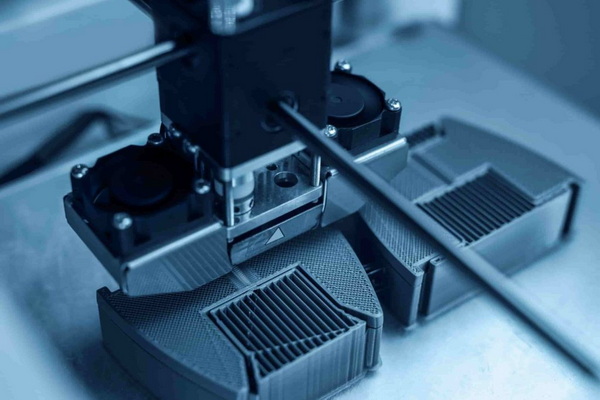
To understand how much Rapid Prototyping really costs, you need to look at machine ownership, operating expenses, and per-part pricing together. Many companies run calculations comparing the cost of a Rapid Prototyping machine investment with outsourcing quotes from suppliers.[5][7][11][3][4]
- Define your annual Rapid Prototyping volume and complexity
Estimate how many prototypes and low-volume parts you will need per year and classify them by geometry and material.[3][4][5]
- Compare machine ownership vs. outsourcing Rapid Prototyping
Include machine purchase, maintenance, labor, material, and scrap in your ownership model and compare it with quotes from professional Rapid Prototyping factories.[7][11][4]
- Start with outsourcing, then add key Rapid Prototyping machines
Many companies begin with outsourced Rapid Prototyping and only buy specific machines later when a clear business case exists.[6][11][7]
As Rapid Prototyping technologies mature, buyers also need to consider software, automation, quality assurance, and integration with existing production lines. These factors can significantly change the real cost and productivity of Rapid Prototyping systems over their lifetime.[2][4][6][7]
Modern Rapid Prototyping machines rely on CAM, slicing software, and sometimes MES or ERP integrations to achieve smooth, traceable workflows. Investing in compatible software and training can improve machine utilization, reduce programming errors, and deliver more accurate Rapid Prototyping parts.[2][4][6][7]
Automation technologies such as robotic loading, pallet changers, and unattended monitoring are increasingly common in Rapid Prototyping environments. Although they add to initial investment, they enable lights-out Rapid Prototyping, where parts are produced overnight or on weekends, improving return on equipment.[9][4][6]
Quality control is critical when Rapid Prototyping parts are used for functional testing or pre-production validation. Coordinate measuring machines, optical scanners, and in-process inspection systems add cost but help ensure that Rapid Prototyping outputs match design intent.[10][4][7]
For overseas brands, wholesalers, and manufacturers, partnering with a dedicated Chinese Rapid Prototyping factory like Shangchen can combine speed, flexibility, and competitive pricing. Instead of investing heavily in your own Rapid Prototyping machines, you can leverage a complete manufacturing platform from concept models to precision batch production.[4][7]
- Rapid Prototyping design and engineering support
Shangchen helps optimize CAD models for Rapid Prototyping and manufacturability, reducing iterations and overall project cost.[13][4]
- CNC machining and lathe Rapid Prototyping
High-precision CNC milling and turning handle metals and plastics for both Rapid Prototyping and precision batch production.[7][4]
- Sheet metal and 3D printing Rapid Prototyping
Combined sheet metal fabrication and 3D printing services provide flexible Rapid Prototyping solutions for enclosures, brackets, and complex shapes.[5][6]
- Mold production and rapid bridge-to-production
For customers moving from Rapid Prototyping to mass production, Shangchen offers tooling and mold manufacturing to shorten launch time.[13][7]
By combining multiple processes in one site, Shangchen can choose the most efficient Rapid Prototyping route for each part instead of forcing everything onto a single technology. This integrated approach lets engineers compare CNC, 3D printing, sheet metal, and molding Rapid Prototyping options side by side and select the best balance of cost, speed, and quality.[13][7][4]
A Rapid Prototyping machine can cost from a few hundred dollars for small desktop printers to hundreds of thousands of dollars for industrial 3D printing or multi-axis CNC equipment. The best choice depends on your Rapid Prototyping volume, required accuracy, materials, and whether you prefer to own equipment or collaborate with a specialized Rapid Prototyping factory.[11][1][6][2][3][4]
For many overseas brands and wholesalers, outsourcing Rapid Prototyping to a partner like Shangchen provides access to CNC machining, 3D printing, sheet metal fabrication, and mold production without the high capital cost of multiple machines. By selecting the right Rapid Prototyping strategy, you can validate designs faster, reduce risk, and bring high-quality products to market more efficiently.[6][7][3][4][5]
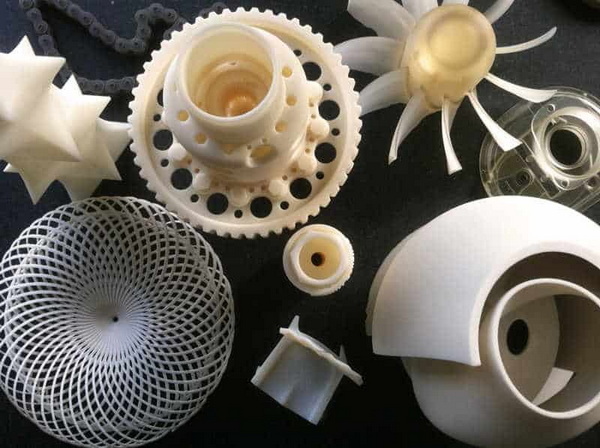
A basic desktop Rapid Prototyping printer typically costs around 100–500 dollars and is mainly suitable for simple visual models or early design checks. These low-cost Rapid Prototyping machines are ideal for hobbyists and education but usually lack the durability and precision required for demanding industrial Rapid Prototyping tasks.[1][2][5][6]
Industrial Rapid Prototyping printers often start around 25,000 dollars and can exceed 500,000 dollars for large, high-speed, or metal-capable systems. This category of Rapid Prototyping equipment is designed for continuous use, large build volumes, and advanced materials, often replacing or complementing traditional manufacturing in production environments.[8][2][6]
CNC Rapid Prototyping machines are expensive because they require rigid structures, precision components, advanced control systems, and professional installation and maintenance. In Rapid Prototyping projects, these machines must hold tight tolerances over long periods, which demands high-quality hardware, skilled operators, and careful calibration.[9][7][4]
For many companies, especially start-ups or small brands, outsourcing Rapid Prototyping is cheaper than buying and running their own machines. When you partner with a Rapid Prototyping supplier like Shangchen, you pay only for the parts produced and avoid the capital, maintenance, and staffing costs of owning multiple machines.[7][11][3][5]
Shangchen reduces Rapid Prototyping costs by offering optimized design feedback, competitive material sourcing in China, and efficient use of CNC, turning, sheet metal, 3D printing, and molding equipment in one factory. With experience serving overseas OEM customers, Shangchen can combine Rapid Prototyping and precision batch production, lowering per-part cost as your project moves from concept to volume.[13][4][7]
[1](https://www.hp.com/us-en/printers/3d-printers/learning-center/industrial-3d-printer-costs.html)
[2](https://formlabs.com/blog/how-to-calculate-3d-printer-cost/)
[3](https://compositesuniversal.com/how-much-does-rapid-prototyping-cost/)
[4](https://www.rapiddirect.com/blog/cnc-prototyping-cost-calculator/)
[5](https://hlhrapid.com/blog/rapid-prototyping-cost/)
[6](https://bigrep.com/posts/3d-printer-cost/)
[7](https://www.dadesin.com/news/cnc-prototyping-cost.html)
[8](https://www.fusion3design.com/industrial-3d-printer/)
[9](https://jlccnc.com/blog/cnc-machining-cost-factors)
[10](https://www.studiored.com/blog/prototyping/prototype-cost/)
[11](https://www.cadcrowd.com/blog/freelance-rapid-prototyping-costs-pricing-and-rates-for-companies-and-inventors/)
[12](https://www.cncprotolabs.com/en/blog/how-to-control-cnc-rapid-prototyping-costs-factors-and-solutions)
[13](https://www.uidearp.com/news/Cost-Factors-to-Consider-When-Creating-a-CNC-Prototype.html)

