
Views: 222 Author: Amanda Publish Time: 2026-01-23 Origin: Site


Content Menu
● Core Differences at a Glance
● Hybrid Strategy: CNC Machining Plus 3D Printing
● Cost, Lead Time, and Volume Considerations
● Design Considerations for CNC Machining
● Design Considerations for 3D Printing
● Quality, Inspection, and Reliability
● How an OEM Supplier Can Help
● FAQ
>> 1. Is CNC Machining more accurate than 3D printing?
>> 2. Which is better for low‑volume prototypes, CNC Machining or 3D printing?
>> 3. Can 3D printed parts replace CNC Machining parts in production?
>> 4. How do CNC Machining and 3D printing compare in material options?
>> 5. Which process is better for scaling from prototype to mass production?
CNC Machining and 3D printing are both powerful manufacturing technologies, but they excel in different scenarios, from rapid prototyping to mass production and end‑use parts.
For overseas OEM buyers, understanding how CNC Machining compares to 3D printing is essential for choosing the right partner and process for each project.
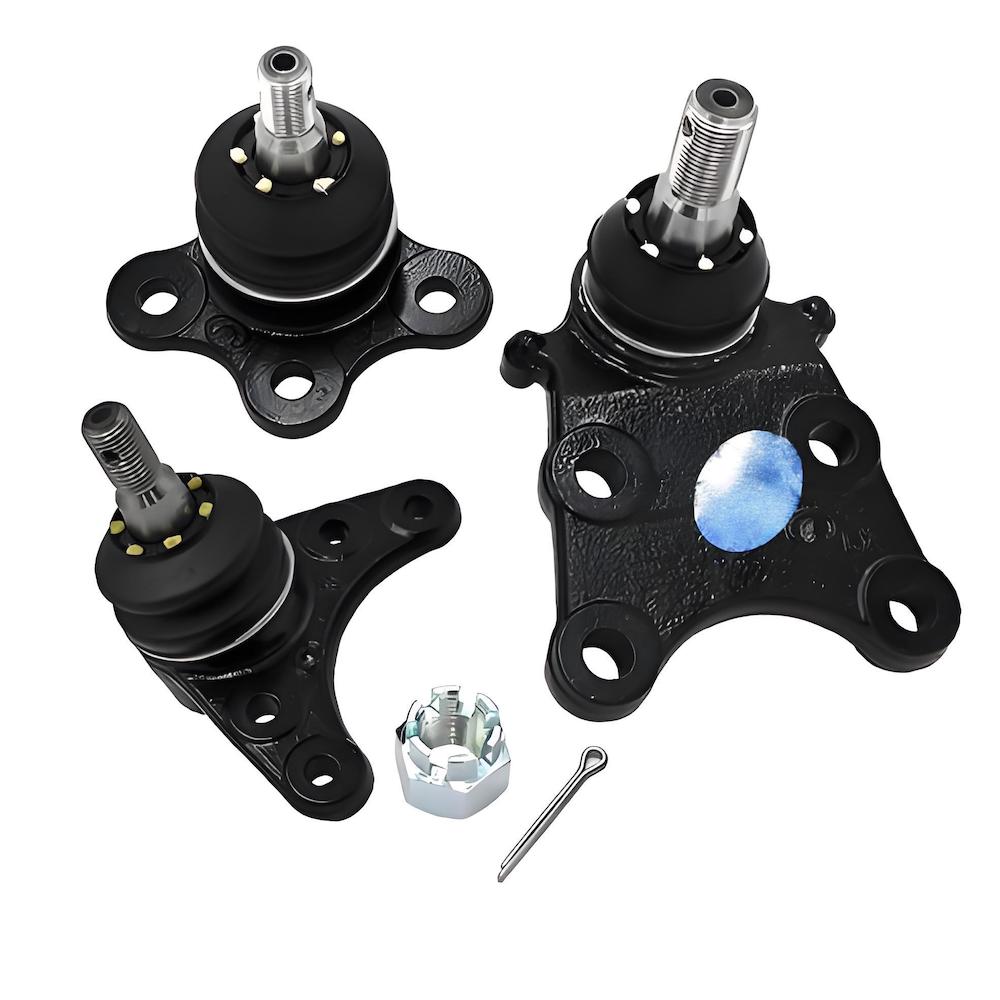
CNC Machining is a subtractive manufacturing process that removes material from a solid block (metal or plastic) using computer‑controlled cutting tools.
A digital CAD model is translated into precise tool paths, allowing CNC Machining centers, mills, and lathes to cut parts with tight tolerances and repeatable accuracy.
Key points:
- CNC Machining delivers very high dimensional accuracy and tight tolerances for demanding applications.
- CNC Machining supports a wide range of engineering metals and plastics, preserving nearly 100% of the material's native mechanical properties.
- CNC Machining can easily produce both simple and complex prismatic parts with consistent results across large batches.
In a modern OEM‑focused factory, CNC Machining usually includes multi‑axis milling, turning, drilling, and tapping, integrated with CAD/CAM programming and quality inspection.
This ecosystem enables fast setup changes, flexible scheduling, and stable quality for both prototypes and mass‑produced parts.
3D printing (additive manufacturing) builds parts layer by layer from plastic, resin, or metal powders based on a digital model.
Because material is added rather than removed, 3D printing can create complex internal features and lattice structures that traditional tools cannot reach.
Key points:
- 3D printing is ideal for complex geometries, internal channels, and organic shapes that are difficult or impossible to machine with traditional CNC Machining.
- For low volumes and rapid prototyping, 3D printing can deliver parts within a very short lead time with minimal setup.
- 3D printing allows engineers to iterate designs quickly, changing files and reprinting without retooling or new fixtures.
Different 3D printing technologies exist, such as FDM, SLA, SLS, and metal additive processes, each with its own resolution, surface finish, and material characteristics.
Compared with CNC Machining, these processes often trade mechanical performance and surface quality for speed and design freedom.
CNC Machining and 3D printing differ in process type, achievable geometry, cost structure, and typical use cases.
Understanding these differences helps OEM buyers select the best solution for each project stage, from first concept to volume production.
Main contrasts:
- Process type: CNC Machining is subtractive, cutting away material from a block, while 3D printing is additive, building parts layer by layer.
- Design freedom: CNC Machining is limited by tool access and cutter geometry, whereas 3D printing offers high freedom with internal cavities and lattices.
- Accuracy and tolerance: CNC Machining usually achieves tighter tolerances than most 3D printing processes.
- Surface finish: CNC Machining can reach very smooth surfaces, while 3D printing often shows visible layer lines.
- Mechanical strength: CNC Machining uses full‑strength stock material; 3D printing often shows anisotropic strength due to layer bonding.
- Cost behavior: CNC Machining has higher setup cost but better economics at scale; 3D printing is attractive for low‑volume runs and prototypes.
- Production volume: CNC Machining is suitable for medium to high volumes; 3D printing is mainly used for prototypes and low‑volume production.
CNC Machining is the preferred solution when precision, surface finish, and material performance are critical to your application.
For many OEM customers, CNC Machining is the bridge from validated prototypes to stable, long‑term production.
Typical CNC Machining advantages:
- High accuracy and repeatability
CNC Machining maintains tight tolerances and micrometer‑level precision for both prototypes and mass production, making it ideal for aerospace, automotive, and medical parts.
- Superior mechanical properties
CNC Machining uses full‑strength engineering metals and plastics, preserving the integrity and durability required for load‑bearing and safety‑critical parts.
- Excellent surface quality
CNC Machining can achieve very smooth surfaces and sharp edges, often suitable for functional use without extensive finishing.
- Scalable production
Once a CNC Machining program and fixturing are optimized, parts can be produced efficiently in medium to large batches with stable cycle times.
- Material flexibility
CNC Machining supports a broad range of alloys, such as aluminum, steel, brass, and titanium, as well as industrial plastics like POM, PEEK, ABS, and PC.
In addition, CNC Machining integrates well with other processes such as anodizing, plating, polishing, heat treatment, and grinding, helping OEM customers receive end‑use ready parts from a single supplier.
For batch production and precision components, CNC Machining remains the main pillar of modern manufacturing.
3D printing is powerful when design freedom and rapid iteration matter more than ultimate precision and strength.
It enables designers and engineers to validate ideas without waiting for complex CNC Machining setups or tooling.
Typical 3D printing advantages:
- Complex internal geometries
3D printing can produce internal channels, lattice structures, and undercuts impossible for traditional CNC Machining tool access.
- Fast turnaround for prototypes
For early‑stage design validation, 3D printing can deliver visual and functional prototypes quickly without CNC Machining programming or fixturing.
- Cost‑effective for very low volume
For quantities under about ten parts, 3D printing often offers a lower total cost than CNC Machining due to minimal setup and operator time.
- Easy design iterations
Design changes only require updating the file and re‑printing, enabling quick refinement cycles before committing to CNC Machining or tooling.
Many product teams use 3D printing to test ergonomics, assembly concepts, and market feedback during early development.
After confirming geometry and function, they then shift to CNC Machining for higher‑strength functional prototypes and production parts.
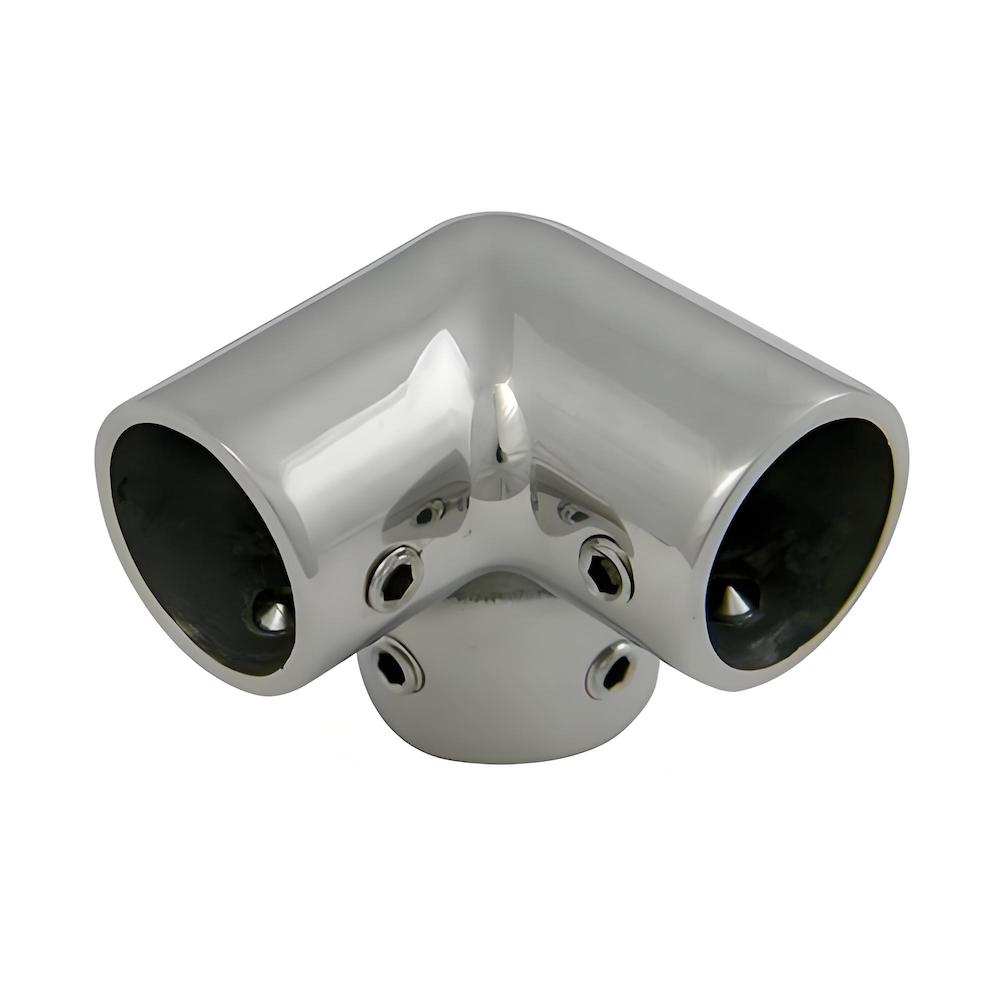
In many modern factories, CNC Machining and 3D printing are not competitors but complementary technologies.
Using both intelligently helps OEM buyers reduce risk, shorten lead times, and improve the transition from prototype to mass production.
Typical hybrid workflows:
- Use 3D printing for early prototypes, design validation, ergonomic tests, or marketing samples, then switch to CNC Machining for functional testing and batch production.
- Produce complex, lightweight structures via 3D printing and finish critical interfaces, such as sealing surfaces or bearing seats, with CNC Machining to achieve final tolerances.
- Combine CNC Machining, turning, sheet metal fabrication, and 3D printing within one OEM supplier to cover rapid prototyping, precision batch production, and tooling needs end‑to‑end.
By planning a hybrid strategy from the beginning, OEM customers can avoid design dead ends and ensure that a concept that prints well can also be manufactured efficiently by CNC Machining later.
This approach is particularly valuable for overseas buyers who need a reliable, long‑term manufacturing partner capable of supporting the full product life cycle.
Cost and lead time are often decisive factors when comparing CNC Machining and 3D printing.
The right choice depends strongly on part quantity, complexity, and quality requirements.
Key cost and lead time guidelines:
- Single prototypes and very small batches
3D printing usually offers faster delivery and lower starting cost because it has minimal setup compared with CNC Machining.
- Small to medium batches
As volume increases, the per‑part cost of CNC Machining decreases significantly, while 3D printing costs often scale more directly with part count.
- High‑volume production
CNC Machining becomes far more efficient for repeated production, especially when combined with jigs, fixtures, and automation.
- Complex shapes
Extremely complex geometries may be cheaper to print than to attempt with multi‑axis CNC Machining, especially during the concept phase.
Lead time is not only about machine hours but also engineering, programming, material sourcing, and quality control.
A supplier that offers both CNC Machining and 3D printing can recommend the most efficient route based on your drawings, 3D files, and target schedule.
To extract the full benefits of CNC Machining, designers should follow basic design for manufacturing principles.
Good cooperation between the design team and the CNC Machining supplier can reduce cost and avoid delays.
Important design tips:
- Keep wall thickness reasonable to avoid vibration, deformation, and excessive machining time.
- Use standard hole sizes, radii, and thread types to match common CNC Machining tools and taps.
- Avoid extremely deep pockets and unreachable internal features that would require special tooling or multi‑setups.
- Provide clear dimensional tolerances and surface roughness requirements, reserving the tightest values only for truly critical areas.
Optimizing parts for CNC Machining often allows faster cycle times and lower reject rates, which is especially crucial for OEM customers planning repeat orders.
Good design reduces tool wear, machine time, and quality issues, creating a more stable supply chain.
3D printing has its own set of rules that differ from CNC Machining.
Ignoring them can lead to warping, poor surface quality, or failed builds.
Important design tips:
- Respect minimum wall thickness and feature sizes recommended for each printing technology and material.
- Add fillets and chamfers where necessary to reduce stress concentration and improve print reliability.
- Consider part orientation to balance surface quality, strength direction, and support requirements.
- Minimize the need for heavy supports that waste material and increase post‑processing time.
Even when a part will eventually be produced by CNC Machining, 3D printing‑friendly versions can accelerate early development.
Later, the design can be adapted to align with the constraints and strengths of CNC Machining for final production.
For OEM and industrial buyers, consistent quality and reliable inspection are as important as the manufacturing technology itself.
Here CNC Machining offers well‑established standards, while 3D printing continues to evolve toward the same level.
Quality aspects of CNC Machining:
- Mature processes for dimensional inspection, including calipers, micrometers, CMM, and optical measurement.
- Stable material certifications for metals and plastics, supporting traceability across batches.
- Predictable surface roughness and tolerance ranges, suitable for critical assemblies and regulated industries.
Quality aspects of 3D printing:
- Increasing availability of standardized materials and process controls, especially in metal additive manufacturing.
- Greater variability in mechanical properties and surface finish compared with CNC Machining.
- Additional post‑processing steps, such as curing, heat treatment, or machining, often required for demanding applications.
For many projects, OEM buyers rely on 3D printing mainly for non‑critical components, fixtures, or pre‑production samples, while CNC Machining delivers final, fully qualified parts.
A supplier that uses both processes can confirm which parts are suitable for additive manufacturing and which should remain under CNC Machining to ensure reliability.
A professional OEM supplier that specializes in CNC Machining and also supports 3D printing can guide overseas buyers through the entire development and production chain.
This type of partner can balance cost, speed, and quality according to the product's current stage.
Typical services may include:
- Rapid prototyping using 3D printing and CNC Machining for visual, functional, and engineering samples.
- Precision CNC Machining for small‑batch trial runs and verification builds before product launch.
- Batch and continuous production using CNC Machining, turning, sheet metal fabrication, and other processes for stable supply.
- Support for design optimization, including suggestions on how to adapt parts from printed prototypes to CNC Machining‑friendly geometries.
Such a supplier simplifies communication for overseas brand owners, wholesalers, and manufacturers by providing a one‑stop solution.
Instead of coordinating multiple vendors for prototypes, tooling, and production, buyers can rely on one partner that fully understands their product and quality expectations.
CNC Machining and 3D printing each have clear strengths, and the best choice depends on your project's requirements for precision, geometry, volume, and material performance.
CNC Machining excels in accuracy, surface finish, material strength, and scalability, making it the backbone of industrial and OEM production.
3D printing, on the other hand, shines in early design stages, complex geometries, and very low‑volume runs where speed and design freedom matter most.
For overseas OEM customers that need both rapid development and reliable batch or mass production, combining 3D printing with CNC Machining is often the most effective strategy.
Using 3D printing to explore ideas and validate designs, then moving to CNC Machining for functional prototypes and final production, provides both agility and long‑term stability.
An experienced CNC Machining‑focused OEM partner that also offers 3D printing, sheet metal fabrication, and related services can help you navigate this journey from concept to finished product.
Contact us to get more information!
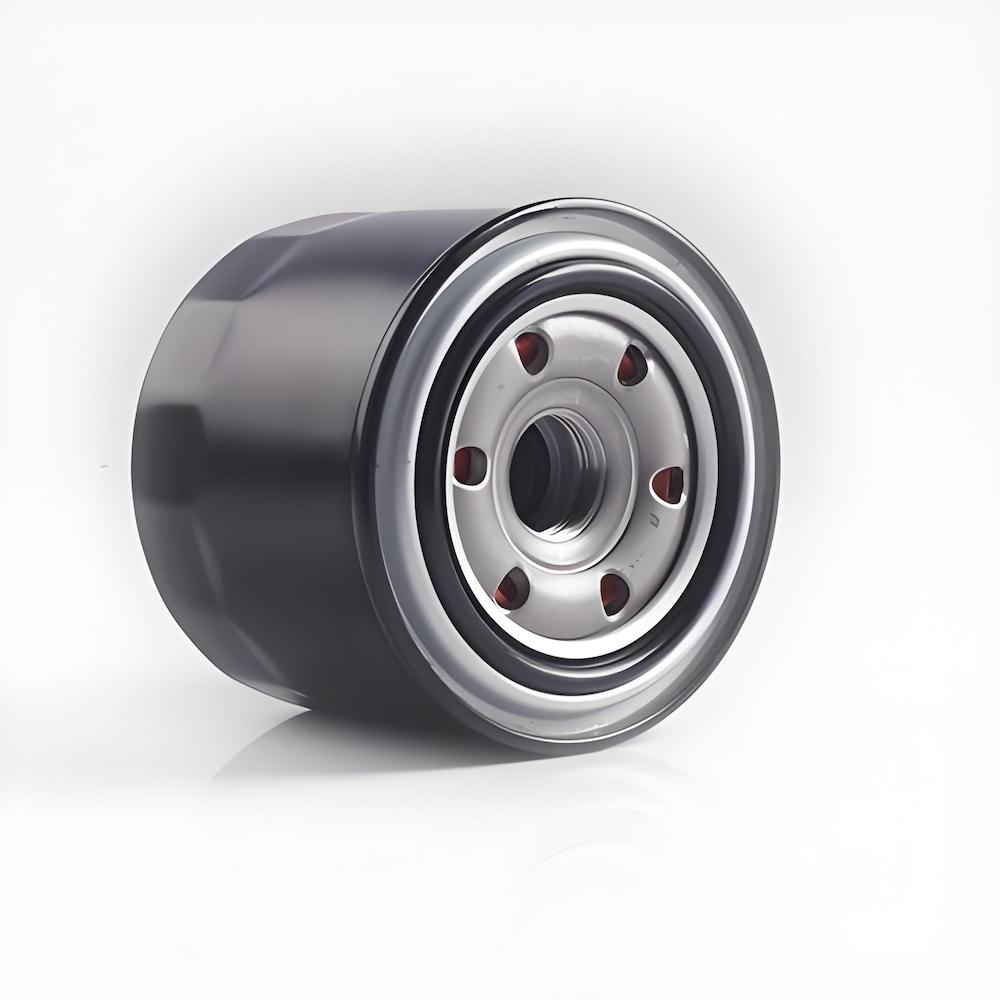
CNC Machining is generally more accurate than most common 3D printing technologies.
With proper programming, tooling, and machine calibration, CNC Machining can achieve very tight tolerances suitable for precision components and mating assemblies.
Most 3D printing processes cannot consistently reach the same tolerance range, especially on large parts or in high‑load applications.
For very low‑volume prototypes, such as one to ten pieces, 3D printing is often the faster and more economical choice.
It requires minimal setup, allowing engineers to receive physical parts quickly for evaluation.
However, if the prototype must match final material properties and surface quality, CNC Machining may still be preferable even for small quantities.
In some low‑load or non‑critical applications, 3D printed parts can be used in production, especially when complex shapes or internal channels are required.
For safety‑critical or highly stressed components, CNC Machining is still the mainstream solution because it uses full‑strength materials and well‑controlled processes.
A careful engineering review is necessary before replacing CNC Machining parts with printed components in any long‑term production environment.
CNC Machining offers a very wide range of material options, including many grades of aluminum, steel, stainless steel, brass, copper, and high‑performance plastics.
These materials often come with detailed data sheets and certifications, making them suitable for demanding industrial sectors.
3D printing materials are improving but remain more limited, especially when very high strength, temperature resistance, or strict certification is required.
CNC Machining is usually better suited for scaling from prototype to mass production.
Once the program, tooling, and fixtures are optimized, CNC Machining can produce large quantities with stable quality and competitive pricing.
3D printing remains most effective for prototypes, design validation, and specialized low‑volume parts, and is often combined with CNC Machining rather than fully replacing it.
1. https://www.xometry.com/resources/3d-printing/3d-printing-vs-cnc-machining/
2. https://www.hubs.com/knowledge-base/3d-printing-vs-cnc-machining/
3. https://ultimaker.com/learn/3d-printing-vs-cnc-comparing-additive-and-subtractive-manufacturing/
4. https://www.americanmicroinc.com/resources/cnc-machining-3d-printing/
5. https://jlccnc.com/blog/cnc-machining-vs-3d-printing
6. https://www.thesteelprinters.com/news/metal-3d-printing-vs-casting-vs-cnc-which-is-better
7. https://www.schuettemetals.com/blog/cnc-machining-3d-printing-evolution
8. https://jlc3dp.com/blog/3d-printing-vs-cnc-machining
9. https://jwmachinecorp.com/precision-cnc-machining-vs-3d-printing/

