
Views: 222 Author: Amanda Publish Time: 2025-12-29 Origin: Site


Content Menu
● What Is a Rapid Prototyping Machine?
● Core Working Principle of Rapid Prototyping
● Step-by-Step Workflow Inside a Rapid Prototyping Machine
>> 1. Creating the 3D CAD Model
>> 2. Slicing and Toolpath Generation
>> 3. Machine Setup and Material Loading
>> 4. Layer-by-Layer Building or Material Removal
>> 5. Cooling, Curing, and Support Removal
>> 6. Finishing, Inspection, and Testing
● Main Types of Rapid Prototyping Machines
>> SLS and MJF Powder-Bed Machines
>> Metal 3D Printing Machines (DMLS and Similar)
>> CNC Rapid Prototyping Machines
>> Vacuum Casting and Urethane Casting Systems
● How Control Systems Drive Rapid Prototyping Machines
● Materials Used in Rapid Prototyping Machines
● Applications of Rapid Prototyping Machines in Product Development
● Advantages of Using Rapid Prototyping Machines
● Limitations and Considerations
● Design for Rapid Prototyping: Best Practices
● Integrating Rapid Prototyping Into the Product Lifecycle
● Practical Ideas for Using Images and Videos
● How a One-Stop OEM Factory Uses Rapid Prototyping
● FAQs
>> FAQ 1: What is Rapid Prototyping in simple terms?
>> FAQ 2: Are Rapid Prototyping machines only 3D printers?
>> FAQ 3: How accurate are Rapid Prototyping machines?
>> FAQ 4: Which materials can be used for Rapid Prototyping?
>> FAQ 5: When should I move from Rapid Prototyping to mass production?
Rapid Prototyping has transformed how products move from idea to physical parts, allowing engineers and overseas OEM buyers to test concepts in days instead of months.[1]
For international brands, wholesalers, and manufacturers, Rapid Prototyping is a strategic way to reduce risk, optimize designs, and accelerate time to market before investing in full-scale tooling.[2]
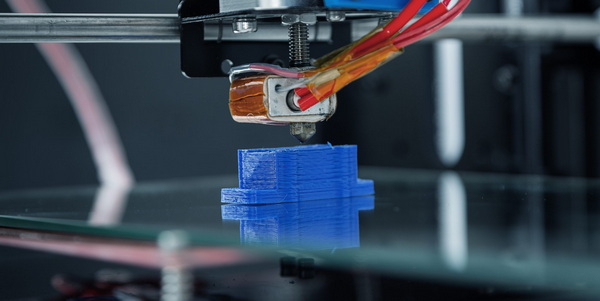
A Rapid Prototyping machine is an integrated system that converts a 3D CAD model into a physical prototype with minimal manual intervention.[3]
These machines are used to validate design, fit, function, and manufacturability before committing to expensive tooling and mass production, making Rapid Prototyping essential in modern product development.[4]
Most Rapid Prototyping systems use a layered manufacturing principle: the 3D model is sliced into many thin layers, and the machine builds the part layer by layer.[5]
Slicing software converts the CAD file into 2D cross-sections and machine instructions so that the Rapid Prototyping machine can bond, cure, or remove material until the full 3D shape is completed.[6]
Every Rapid Prototyping workflow begins with a 3D design created in CAD software or scanned from an existing part.[3]
Engineers refine details such as wall thickness, fillets, and assembly clearances because these features directly affect how the Rapid Prototyping part will print or machine and how it will perform in testing.[1]
Slicing software divides the CAD geometry into thin layers, often around 0.05–0.2 mm for many Rapid Prototyping processes.[5]
The software then generates toolpaths or scan paths and exports them as machine-readable code that tells the Rapid Prototyping machine exactly where to deposit, cure, sinter, or cut material.[7]
The operator selects the Rapid Prototyping process (for example, resin, plastic filament, metal powder, or a solid block for CNC) and loads the correct material into the system.[8]
Machine parameters such as layer thickness, laser power, spindle speed, feed rate, and support strategies are adjusted according to the Rapid Prototyping material, geometry, and desired surface finish.[9]
In additive Rapid Prototyping, each layer is deposited or solidified on top of the previous one until the entire 3D part is finished.[10]
In subtractive Rapid Prototyping such as CNC machining, cutting tools remove material following toolpaths, rapidly shaping the prototype directly from a solid workpiece.[11]
After the building step, Rapid Prototyping parts often require cooling, UV curing, or thermal post-cure to reach their full mechanical properties.[7]
Temporary supports or un-sintered powder are removed manually or with automated equipment so that the final Rapid Prototyping geometry is clean and ready for inspection or assembly.[12]
Surface finishing operations such as sanding, bead blasting, polishing, or painting can be applied to Rapid Prototyping parts to achieve cosmetic or functional requirements.[13]
Dimensional inspection, assembly testing, and functional trials verify whether the Rapid Prototyping part meets design targets before moving to engineering changes or pilot production.[2]
Rapid Prototyping is not a single technology; it includes several processes such as 3D printing, CNC machining, vacuum casting, and more.[12]
Choosing the right Rapid Prototyping machine depends on material, accuracy, surface finish, volume, and whether the part is only for testing or also for end use.[14]
FDM Rapid Prototyping machines melt and extrude thermoplastic filaments through a heated nozzle, depositing material layer by layer along the programmed toolpath.[8]
They are ideal Rapid Prototyping tools for quick, low-cost conceptual models and functional jigs using materials like ABS, PLA, or engineering plastics.[13]
SLA and DLP Rapid Prototyping machines use UV light or lasers to selectively cure photosensitive liquid resin in a vat, solidifying each layer with very fine detail.[15]
These Rapid Prototyping systems are excellent for high-precision, smooth-surface prototypes in applications such as medical devices, consumer electronics housings, and optical components.[10]
Powder-bed Rapid Prototyping machines spread thin layers of polymer powder and fuse them selectively using a laser or thermal ink, building complex parts without dedicated support structures.[8]
They are widely used for Rapid Prototyping of durable functional components such as housings, brackets, and living hinges that must withstand mechanical loads and repetitive use.[2]
Metal Rapid Prototyping machines spread metal powder and use a high-energy laser to selectively melt or sinter each layer, creating near-net-shape metal parts.[8]
These Rapid Prototyping systems produce parts for aerospace, automotive, and medical implants where complex geometries and internal channels are difficult to achieve with conventional methods.[13]
CNC Rapid Prototyping uses computer-controlled milling, turning, or drilling to remove material from blocks of metal or plastic based on G-code derived from the CAD model.[11]
This type of Rapid Prototyping machine is known for very high accuracy, excellent surface finish, and compatibility with production-grade materials such as aluminum, stainless steel, and engineering plastics.[16]
Vacuum casting Rapid Prototyping starts from a master pattern (often 3D printed or CNC machined), then creates a silicone mold that is filled with liquid resin under vacuum to avoid bubbles.[15]
These Rapid Prototyping setups are ideal for small batches of high-quality parts that closely mimic injection-molded components in appearance and mechanical behavior.[12]
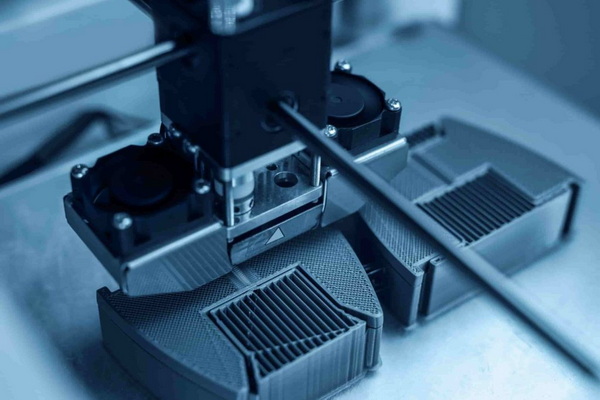
Rapid Prototyping machines integrate motion control, temperature control, and feedback sensors so that each layer or toolpath is accurate and repeatable.[17]
Advanced controllers interpret the sliced data, synchronize axes, and adjust parameters in real time to maintain dimensional accuracy and consistent Rapid Prototyping quality.[7]
Common Rapid Prototyping materials include thermoplastics, photopolymer resins, metal powders, and polyurethane resins for casting.[12]
The choice of Rapid Prototyping material determines mechanical strength, heat resistance, surface appearance, and suitability for functional tests or marketing samples.[13]
Rapid Prototyping machines are used in concept models, ergonomic studies, assembly validation, and functional testing across industries from consumer goods to aerospace.[14]
By building multiple design variants quickly, Rapid Prototyping allows teams to compare options, gather user feedback, and refine products before investing in hard tooling.[10]
Key benefits of Rapid Prototyping include shorter development time, lower risk, and significant cost savings by detecting problems early.[2]
Rapid Prototyping also supports design freedom, enables complex geometries, and encourages creative iteration without the constraints of traditional machining alone.[14]
Despite their strengths, Rapid Prototyping machines may have limitations in part size, surface finish, long-term stability, and unit cost at high volumes.[13]
Designers often use Rapid Prototyping for early validation and then switch to processes such as injection molding, die casting, or large-scale CNC for mass production.[9]
Good design for Rapid Prototyping starts with realistic wall thicknesses, properly sized fillets, and carefully planned overhangs to reduce failures and improve build reliability.[10]
Engineers also optimize geometries for Rapid Prototyping by consolidating multiple parts into one assembly, minimizing support structures, and aligning critical surfaces for the best accuracy and finish.[9]
In early concept phases, Rapid Prototyping machines deliver quick visual and ergonomic models that help stakeholders understand the product and give feedback.[1]
As the design matures, Rapid Prototyping supports functional testing, pre-production verification, and even bridge manufacturing, allowing teams to gather real-world data before large investments.[2]
To make technical content easier to understand, teams often show each stage of Rapid Prototyping with step-by-step visuals, from CAD design and slicing through printing, machining, and finishing.[18]
Short video clips of Rapid Prototyping machines in operation—such as time-lapse print builds, resin curing, powder spreading, tool changes, or vacuum casting pours—demonstrate complex processes in a simple, engaging way.[19]
A comprehensive OEM supplier in China will integrate Rapid Prototyping with CNC machining, sheet metal fabrication, 3D printing, and mold making to support the entire product life cycle.[9]
By combining multiple Rapid Prototyping technologies under one roof, such a factory can quickly move from concept models to precision small-batch production for overseas brands, wholesalers, and manufacturers.[4]
Rapid Prototyping machines work by translating digital 3D models into precise physical parts through slicing, layered building, or automated material removal.[5]
From FDM, SLA, SLS, metal printing, and CNC machining to vacuum casting, each Rapid Prototyping technology offers a different balance of speed, accuracy, cost, and material performance for product development teams.[8]
By understanding how Rapid Prototyping machines operate and when to use each process, overseas OEM buyers can reduce risk, shorten lead times, and bring better products to market more efficiently.[2]
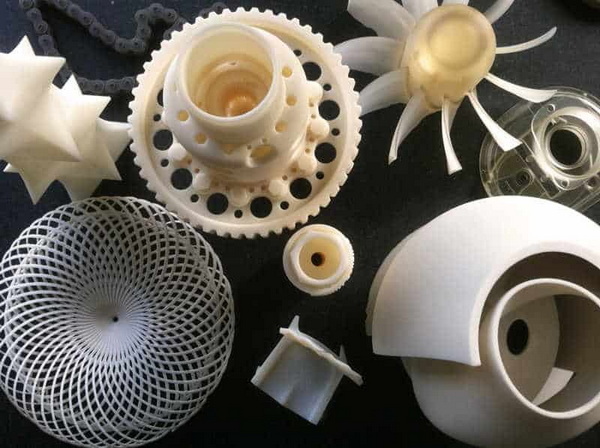
Rapid Prototyping is the fast creation of physical models from digital designs so teams can test shape, fit, and function before mass production, reducing time and development risk.[3]
No, Rapid Prototyping also includes CNC machining, vacuum casting, and other fast manufacturing processes that turn CAD data into real parts for testing and small-batch use.[12]
Modern Rapid Prototyping systems can achieve tight tolerances—especially CNC, resin, and metal printers—often good enough for functional tests, engineering evaluations, and pilot runs.[16]
Rapid Prototyping supports plastics, resins, metals, elastomers, and casting materials, allowing designers to choose properties close to final production parts for realistic testing.[12]
Once Rapid Prototyping parts consistently meet design, performance, and user requirements, it is time to invest in tooling or larger-scale processes such as injection molding or high-volume CNC machining.[1]
[1](https://www.gtvinc.com/the-importance-of-rapid-prototyping-in-the-product-development-lifecycle/)
[2](https://www.stratasys.com/en/resources/blog/key-advantages-of-rapid-prototyping/)
[3](https://laszeray.com/what-is-rapid-prototyping/)
[4](https://www.vem-tooling.com/rapid-prototyping/)
[5](https://www.parkurda.com/en/sector-news/what-you-need-to-know-about-rapid-prototyping-p-197)
[6](https://spinoff.nasa.gov/spinoff1999/ip7.htm)
[7](https://www.lsrpf.com/en/blog/how-does-rapid-prototyping-work)
[8](https://xometry.eu/en/rapid-prototyping/)
[9](https://www.fictiv.com/articles/rapid-prototyping-guide)
[10](https://formlabs.com/blog/ultimate-guide-to-rapid-prototyping/)
[11](https://www.raypcb.com/cnc-rapid-prototype/)
[12](https://www.3erp.com/manufacturing-technology/rapid-prototyping/)
[13](https://www.unionfab.com/blog/2023/09/3d-printing-vs-cnc-vs-vacuum-casting)
[14](https://www.phas.io/post/rapid-prototyping)
[15](https://www.techniwaterjet.com/what-is-rapid-prototyping-process-stages-types-and-tools/)
[16](https://www.datron.com/resources/blog/what-is-rapid-prototyping/)
[17](https://web.mit.edu/imoyer/www/portfolio/pdf/rprpmfinal.pdf)
[18](https://www.youtube.com/watch?v=-TDn25K-Jh4)
[19](https://www.youtube.com/watch?v=u4Juqawh2Zo)

