
Views: 222 Author: Amanda Publish Time: 2025-11-07 Origin: Site


Content Menu
● Understanding Custom Moulding Production
>> Essential Steps in Moulding Production
>> Diverse Moulding Techniques
● Benefits of Custom Moulding Production
>> Unmatched Market Responsiveness
>> Design Versatility and Brand Differentiation
>> Quality and Consistency at Scale
>> Cost-Efficiency and Sustainability
>> Material Options and Performance
● OEM and ODM Services: A Strategic Advantage
● Applications Across Industries
● Technical Challenges and Solutions
● The Modern Moulding Production Workflow
● Sustainable Manufacturing through Moulding Production
● FAQs
>> (1) How does moulding production improve product consistency?
>> (2) What materials can be used in custom moulding production?
>> (3) Can small businesses benefit from custom moulding production?
>> (4) How fast is the moulding production process from design to finished product?
>> (5) What role do OEM moulding services play in product innovation?
Custom moulding production is a transformative tool for any brand aiming to establish industry leadership. By providing engineering precision, scalable manufacturing, and limitless design flexibility, custom moulding production is pivotal for increasing product marketability, fostering innovation, and overcoming technical limitations in today's global marketplace. This expanded article explores in depth how custom moulding production is leveraged to boost product appeal, supported by expert references and practical insights.[11][12]
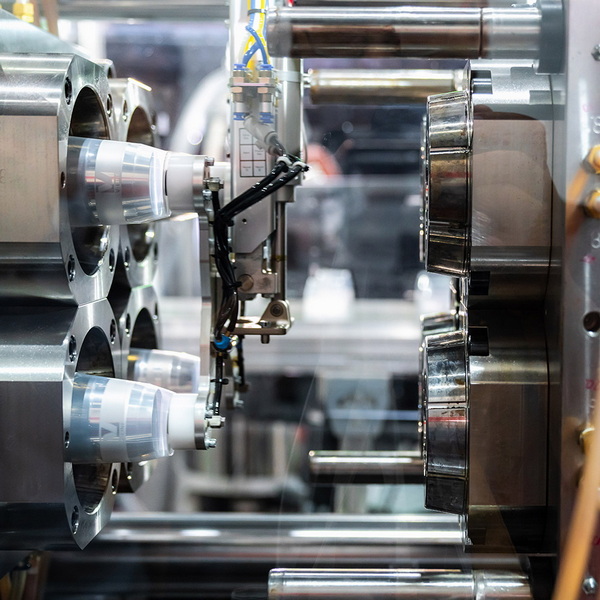
Custom moulding production is the process of creating product parts by injecting or shaping raw materials into custom-designed moulds—these can be made from steel, aluminium, silicone, or other sophisticated materials. With the latest techniques in CNC machining, 3D printing, and industrial automation, custom moulding production can manufacture intricate components at high speeds and volumes, achieving exceptional accuracy.[1][2][3][4][5]
- Design Phase: Engineers and designers collaborate to develop and simulate 3D models of the intended part, accounting for structural, aesthetic, and functional needs.[3][5]
- Material Selection: Manufacturers choose optimal materials, considering durability, flexibility, cost, and environmental impact; plastics, metals, or composites are typical choices.[2][5]
- Prototyping: Advanced 3D printing assists in quickly creating prototype moulds, allowing design refinement before mass production begins.[5][1]
- Tooling: Precision moulds are manufactured using CNC machining or alternative methods, shaping the future of the product's performance.[3][5]
- Production: Automated press machines inject the raw material into the mould cavity, where it cools and solidifies to create the finished product.[4][6][2]
- Finishing & Assembly: Parts may undergo painting, plating, or assembly, optimizing the final product for market presentation.[5]
- Quality Assurance: Rigorous inspections ensure dimensional accuracy, material integrity, and functionality.[5]
- Injection Moulding: Highly efficient for high-volume production of consistent parts.[2][4]
- Overmoulding & Insert Moulding: Enables product multitasking, incorporating handles, grips, or metal threads into a single component.[2]
- Silicone Moulding: Suitable for flexible or food-grade products; offers durability and repeatability in creating unique designs.[1]
- Rapid Moulding with 3D Prints: Reduces lead times and tooling costs, ideal for low-volume production or prototyping.[1]
Efficient moulding processes allow brands to respond immediately to shifts in consumer demand and new product opportunities—making market launches faster and more agile than traditional manufacturing. Custom tooling ensures rapid cycle times and significant cost-effectiveness when ramping up or scaling down production as needed.[13][14][1][2]
Custom moulding permits the creation of complex geometries, integrated functional elements, and stunning finishes. Unique shapes, embedded logos, and tailored colors reinforce brand identity and consumer recognition. Overmoulding and multi-material solutions open the door to hybrid products with enhanced ergonomic and technical features.[12][15][4][2]
Using precision-engineered moulds, manufacturers can replicate exact parts across millions of cycles. Consistent quality ensures reliability for demanding sectors such as medical devices, automotive parts, and consumer electronics. Automated quality control further eliminates defects, boosting both performance and market confidence.[11][12][13][5]
Automated moulding lines minimize labor, reduce material waste, and optimize energy use, resulting in competitive unit costs for both large and small batches. Advances in material recycling and use of biodegradable polymers support eco-friendly branding and regulatory compliance.[14][13][11]
Custom moulding enables integration of advanced engineering concepts, such as multi-shot moulding, optical channels, and embedded electronics. Such technical sophistication underpins industry-leading products, especially in high-value consumer markets and industrial applications.[16][12][14]
Companies select from a wide variety of thermoplastics (polypropylene, ABS, PC), metals (aluminium, steel), and specialty materials (silicone, composites) to optimize product strength, weight, flexibility, and visual appeal. This flexibility ensures that market requirements—whether for ruggedness or aesthetics—are met with precision.[4][2][5]
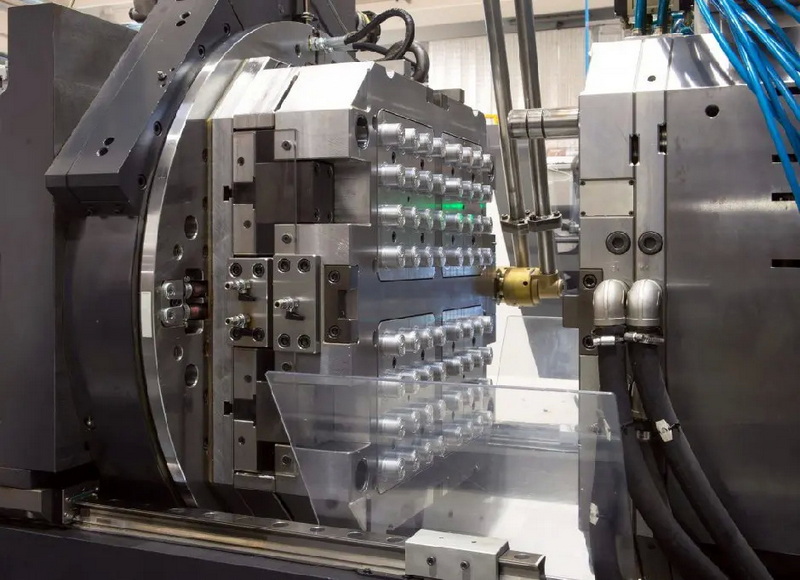
Custom moulding OEM partners provide outsourced expertise, reducing product development timelines and up-front costs. These specialists guide international brands through design, tooling, production, and market entry, ensuring compliance and competitiveness. ODM services can deliver innovative concepts, letting brands leapfrog established competitors without heavy investments in R&D infrastructure.[17][18]
- Consumer electronics: Precision casings for smartphones, tablets, and wearables.[18][12]
- Automotive: Lightweight engine components, durable fasteners, and trim elements.[19][13]
- Medical devices: High-tolerance parts meeting strict regulatory requirements.[16][4]
- Industrial machinery: Custom gears, housings, and connectors optimizing performance.[19][5]
- Packaging: High-throughput moulding for bottles, lids, and specialty containers.[20][21]
- Consumer goods: Custom textured handles, branded logos, and color-matched parts for high-end retail.[15][12]
- Injection moulding enabled a global electronics brand to launch a premium product line in under 12 weeks, consolidating market share and reducing costs by 18%.[22][14]
- Automotive OEMs improved fuel efficiency by 8% by switching to lightweight, custom-moulded engine components, boosting their sustainability credentials.[13][19]
- A healthcare supplier leveraged rapid prototyping and custom moulding to deliver regulatory-compliant medical components, meeting urgent market needs.[4][16]
Despite its advantages, custom moulding production does demand precise engineering and higher initial investment in tooling. These challenges are addressed by:
- Using advanced simulations and 3D printed prototypes to quickly refine product designs.[1][5]
- Leveraging partner expertise for optimal tooling and production setup.[12][11]
- Incorporating modular mould designs for easier adaptation to new models or features.[1]
These solutions enable even small to medium-sized brands to compete effectively in complex markets.
From concept to delivery, the modern custom moulding production process exemplifies efficiency and versatility:
1. Concept design: Collaborative planning with digital modeling and simulation.[3][5]
2. Rapid prototyping: Initial samples produced by 3D printing for quick iteration.[5][1]
3. Tooling and machining: CNC fabrication of high-precision moulds for mass production.[3][4]
4. Automated production: State-of-the-art injection machines create parts in seconds, offering unmatched scalability.[6][4]
5. Post-processing: Finishing, assembly, and quality testing for optimum product presentation and regulatory compliance.[5]
6. Market launch: Timely distribution driven by the speed and reliability of moulding production processes.[14]
As sustainability priorities increase, custom moulding production is adapting with new materials and processes:
- Biodegradable plastics: Enable eco-friendly disposables and packaging.[14][5]
- Material recycling: Capture and reuse offcuts, reducing waste.[14]
- Efficient energy use: Automation and precise controls minimize environmental impact.
Brands can now combine technical excellence and responsible manufacturing, enhancing both marketability and public trust.
Custom moulding production stands at the intersection of technological innovation, market responsiveness, and product quality. Its ability to quickly transform ideas into scalable products helps brands differentiate themselves, maximize value, and enter new markets faster than ever before. The versatility in materials, the precision in manufacturing, and the sheer range of available finishes ensure that companies can build products tailored to exact specifications—and do so in a sustainable, cost-effective way. Whether for high-end consumer goods or industrial components, custom moulding production underpins the future of manufacturing success.[11][12][13]
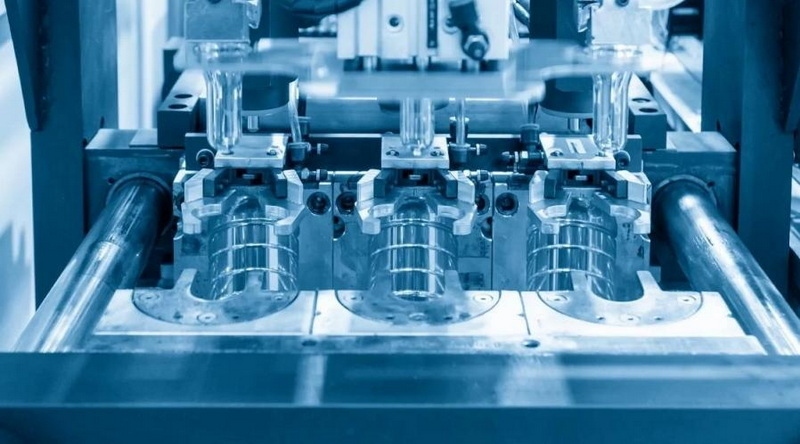
Custom moulding production guarantees fine tolerances and repeatable quality, eliminating variation between units and ensuring robust performance in any volume.[12][11]
Manufacturers select from thermoplastics, metals, composites, and advanced biodegradable polymers, optimizing properties like strength, weight, durability, and sustainability.[2][4]
Yes, small businesses can leverage moulding production for prototypes, limited runs, or scalable production, achieving competitive quality without excessive upfront cost.[13][11][5]
Once the design and tooling are confirmed, automated production can deliver finished parts in seconds per cycle, making rapid prototyping and high-volume manufacturing possible.[6][14][5]
OEM moulding services offer technical expertise, advanced tooling, and efficient production, empowering brands to innovate and launch custom products globally while managing costs.[17][18]
[1](https://formlabs.com/blog/how-to-make-a-mold/)
[2](https://www.protolabs.com/resources/guides-and-trend-reports/designing-for-moldability-fundamental-elements/)
[3](https://www.3erp.com/blog/the-entire-process-of-mold-making/)
[4](https://www.wundermold.com/basics-what-custom-injection-molding/)
[5](https://www.moldingdynamics.net/blog/complete-guide-to-custom-molding-solutions)
[6](https://www.youtube.com/watch?v=sBEzE4PCmqM)
[7](https://www.rcoeng.com/blog/what-is-custom-injection-molding)
[8](https://fibertechplastics.com/custom-rotational-molding/a-simple-guide-to-plastic-molding/)
[9](https://www.caplugs.com/molds-guide)
[10](https://make.3dexperience.3ds.com/processes/molding)
[11](https://www.bennettplastics.com/the-pros-and-cons-of-custom-plastic-molding)
[12](https://www.octexgroup.com/blog/the-advantages-of-custom-plastic-injection-molding-for-high-end-consumer-products/)
[13](https://www.protolabs.com/resources/blog/the-advantages-and-disadvantages-of-injection-molding/)
[14](https://www.crescentind.com/blog/top-6-advantages-of-injection-molding-for-your-project)
[15](https://revpart.com/benefits-of-custom-injection-molding/)
[16](https://www.kaysun.com/blog/top-benefits-of-plastic-injection-molding)
[17](https://www.ferriot.com/blog/injection-molding-supply-chain-resilience-how-oems-can-reduce-risk-with-domestic-manufacturing/)
[18](https://www.pioneerplastics.com/blog/advantages-of-custom-injection-molding/)
[19](https://monroeengineering.com/blog/the-benefits-of-custom-molded-parts/)
[20](https://create.vista.com/photos/injection-molding/)
[21](https://www.istockphoto.com/photos/moulding-factory)
[22](https://www.youtube.com/watch?v=RMjtmsr3CqA)

